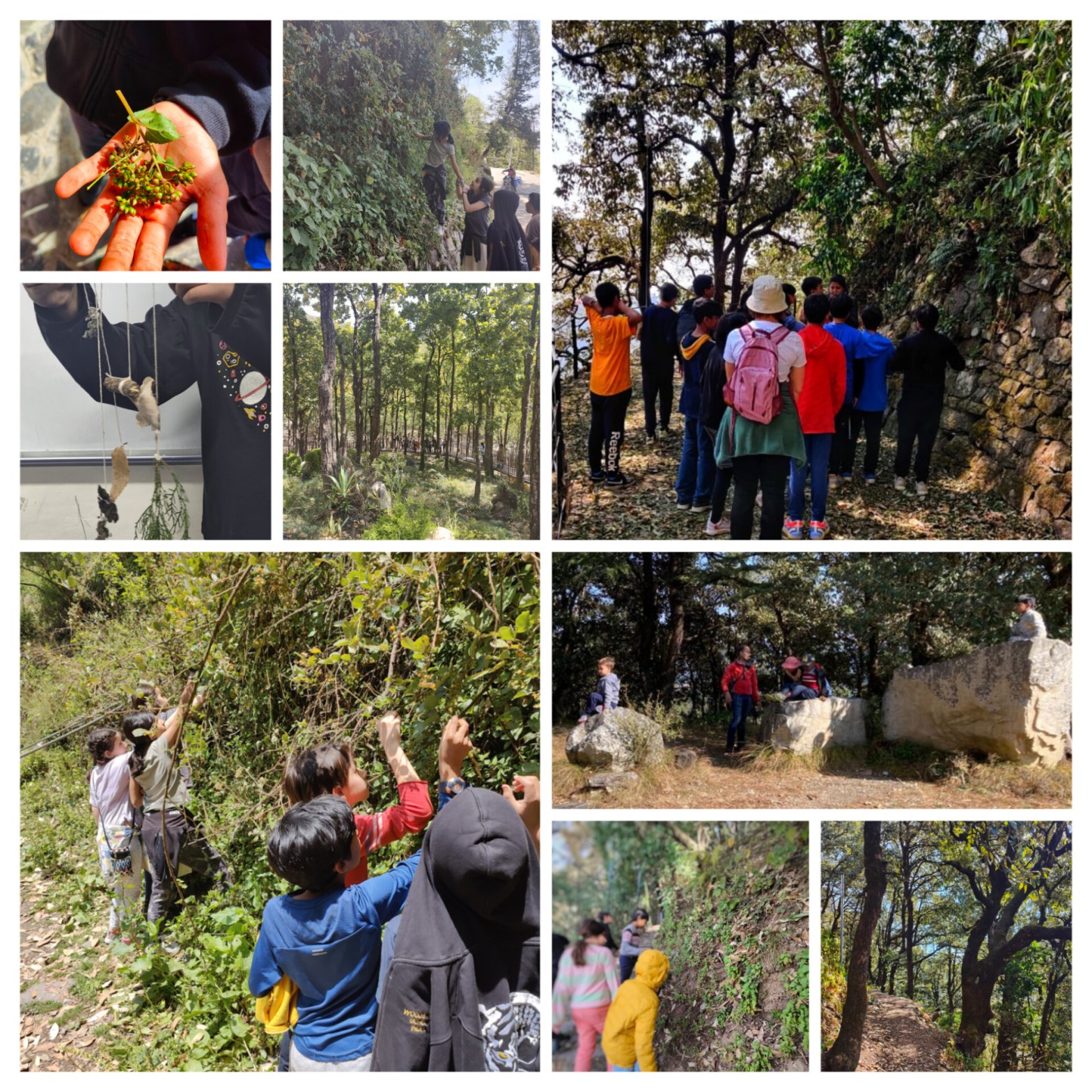
Nature is an ever-changing landscape, and observing these changes can be a magical experience for children as well as for adults. The forests and wilderness are perfect examples which reflect unity in diversity. The tall trees, herbs, shrubs, birds, insects, animals and microorganisms despite being different from one another, passively engage with one another to create perfect balance in the ecosystem. There is so much to learn from the nature, especially how to coexist inspite of differences. I feel nature has solution for everything, it’s just that we have to devote more time close with her, listen her, observe her and learn new ways, better ways to evolve and survive.
In this regard, the study of phenology can be a wonderful way to explore the natural world with kids. Phenology is the study of the cyclic and seasonal natural phenomena, especially in relation to climate and plant and animal life. These walks can help children learn about the seasons, the cycles of life, and the interconnectedness of all living things. As you walk with your children, you can observe and identify different plants and animals, and track their changes throughout the year. In this post, we will explore the benefits of phenology walks with children and provide some tips on how to make the most of these seasonal nature walks. So, put on your hiking boots, grab your kids, and let’s explore the wonders of nature together!
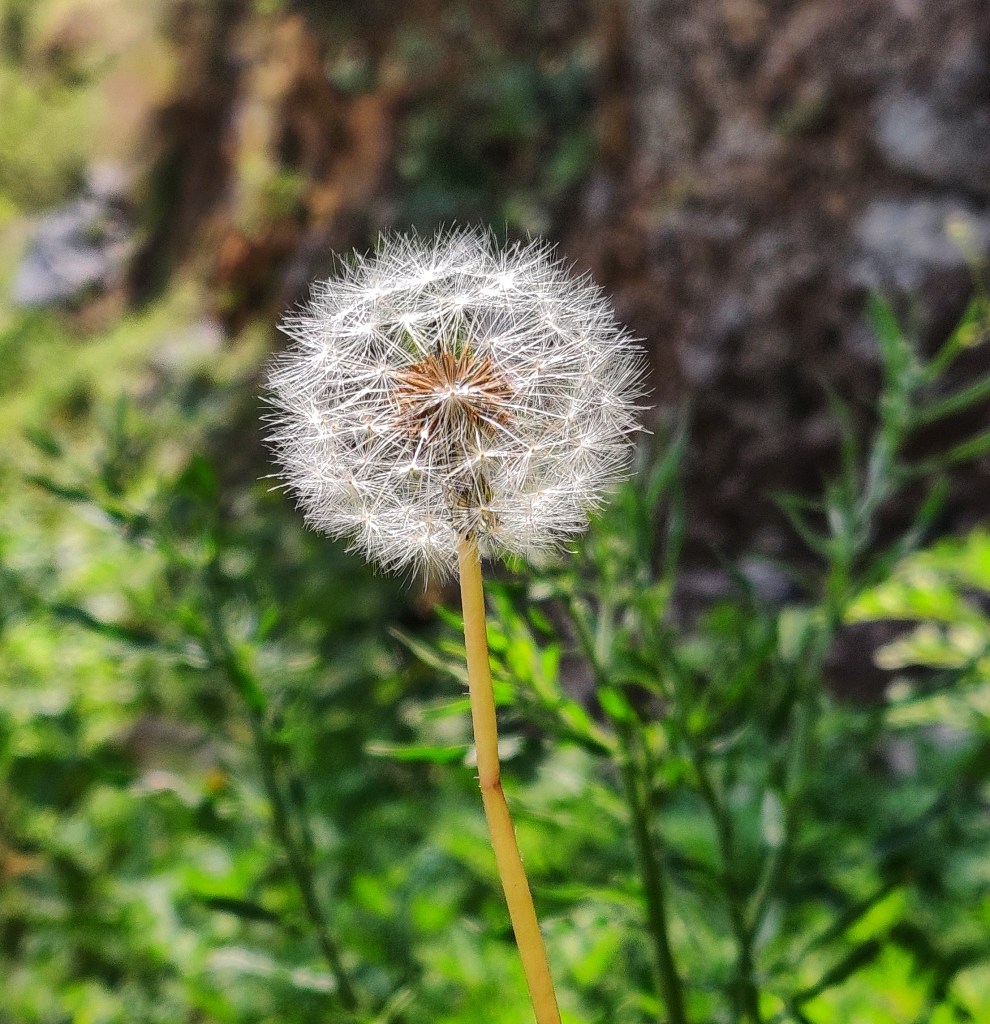
1. What is phenology?Phenology is the study of the seasonal changes in plants and animals in response to climate and environmental changes. This study can include a wide range of observations, from the timing of the first flowers in spring to the migration patterns of birds in winter. By observing these changes, we can gain a better understanding of how ecosystems function and how they are impacted by changes in climate and weather patterns.
Phenology walks with children can be a fun and educational way to explore the natural world and learn about the changes that occur throughout the year. By observing the plants and animals in their local environment, children can learn about the different stages of growth and development and how these are influenced by the changing seasons. These walks can also help children to develop a deeper appreciation and understanding of the natural world and the important role that it plays in our lives.
Phenology is the study of the seasonal changes in plants and animals in response to climate and environmental changes. This study can include a wide range of observations, from the timing of the first flowers in spring to the migration patterns of birds in winter. By observing these changes, we can gain a better understanding of how ecosystems function and how they are impacted by changes in climate and weather patterns.

Phenology walks with children can be a fun and educational way to explore the natural world and learn about the changes that occur throughout the year. By observing the plants and animals in their local environment, children can learn about the different stages of growth and development and how these are influenced by the changing seasons. These walks can also help children to develop a deeper appreciation and understanding of the natural world and the important role that it plays in our lives.
2. The benefits of experiencing nature through phenology walks
Phenology walks are a fantastic way to experience nature and all its beauty throughout the seasons and they come with numerous benefits. For starters, these walks are a great way to teach children the importance of observing and documenting changes in nature across different seasons. By carefully observing and recording these changes, children can learn about the various cycles in nature such as plant growth, animal behaviour, and more. It’s a fun and engaging way to learn about the world around us and develop an appreciation for the environment.
Moreover, phenology walks offer a chance for children to get some fresh air and exercise while immersing themselves in the natural world. Studies have shown that spending time in nature can have a positive impact on both mental and physical health. It can help reduce stress, increase creativity and focus, and improve overall well-being. Phenology walks can also be a great way for families to bond and connect with one another as they explore and discover the wonders of nature together.
Additionally, participating in phenology walks can help instill a sense of responsibility and care for the environment in children. By understanding the importance of preserving nature, children can learn to be more environmentally conscious and develop habits that support a more sustainable future. Overall, the benefits of experiencing nature through phenology walks are numerous and can inspire a lifelong love and appreciation for the natural world in children.

3. How to plan and prepare for a phenology walk with children
Planning and preparing for a phenology walk with children involves a number of important steps. First, you should choose a location that is safe and appropriate for children of all ages. This could be a nearby park, nature reserve, or even your own backyard. Make sure to research the area beforehand and choose a route that is suitable for your group.
Next, it’s important to educate yourself and your children about the plants and animals you might encounter on your walk. This could involve reading books, watching videos, or even taking a field trip to a local nature centre. You want to make sure that everyone is prepared to observe and identify the different species you may come across.
Before the walk, it’s also important to pack the right supplies. This could include snacks and water, sunscreen and bug spray, comfortable walking shoes, and weather-appropriate clothing. You may also want to bring along a notebook or journal, binoculars, and a camera to help with observations.
During the walk, it’s important to encourage children to use all their senses to observe and document the changes they see. You can ask questions, prompt them to take notes or drawings, and engage them in discussions about what they are seeing and learning.
Finally, after the walk, you can use the data collected to create a phenology calendar that shows the changes in the natural world throughout the year. This is a great way to continue the learning and to encourage children to keep observing and exploring nature on their own.

4. Equipment and materials needed for a successful walk
When planning a phenology walk with children, it’s important to make sure that you have the right equipment and materials to ensure a safe and successful experience. Here are some essential items to consider:
1. Comfortable clothing: Make sure that children wear comfortable clothes appropriate for the weather and terrain. Layers are a great idea, as temperatures can change quickly in nature.
2. Sturdy footwear: Closed-toe shoes with good traction are a must. Hiking boots or sneakers with good ankle support are recommended.
3. Sun protection: Sunscreen, hats, and sunglasses are important to protect children from harmful UV rays.

4. Insect repellant: Depending on where you live and the time of year, insects can be a problem. Make sure to bring insect repellant to keep the bugs at bay.
5. Water and snacks: Children will likely get thirsty and hungry during the walk, so bring plenty of water and healthy snacks to keep energy levels up.
6. Field guides: Field guides are great resources for identifying plants, animals, and insects. Consider bringing a few field guides that are appropriate for the area you’ll be exploring.
7. Binoculars and magnifying glasses: These tools can help children get a closer look at plants, birds, and insects.
By making sure that you have the right equipment and materials, you’ll be able to provide children with an engaging and safe phenology walk that they’ll remember for years to come.

5. Exploring the changing seasons through phenology walks
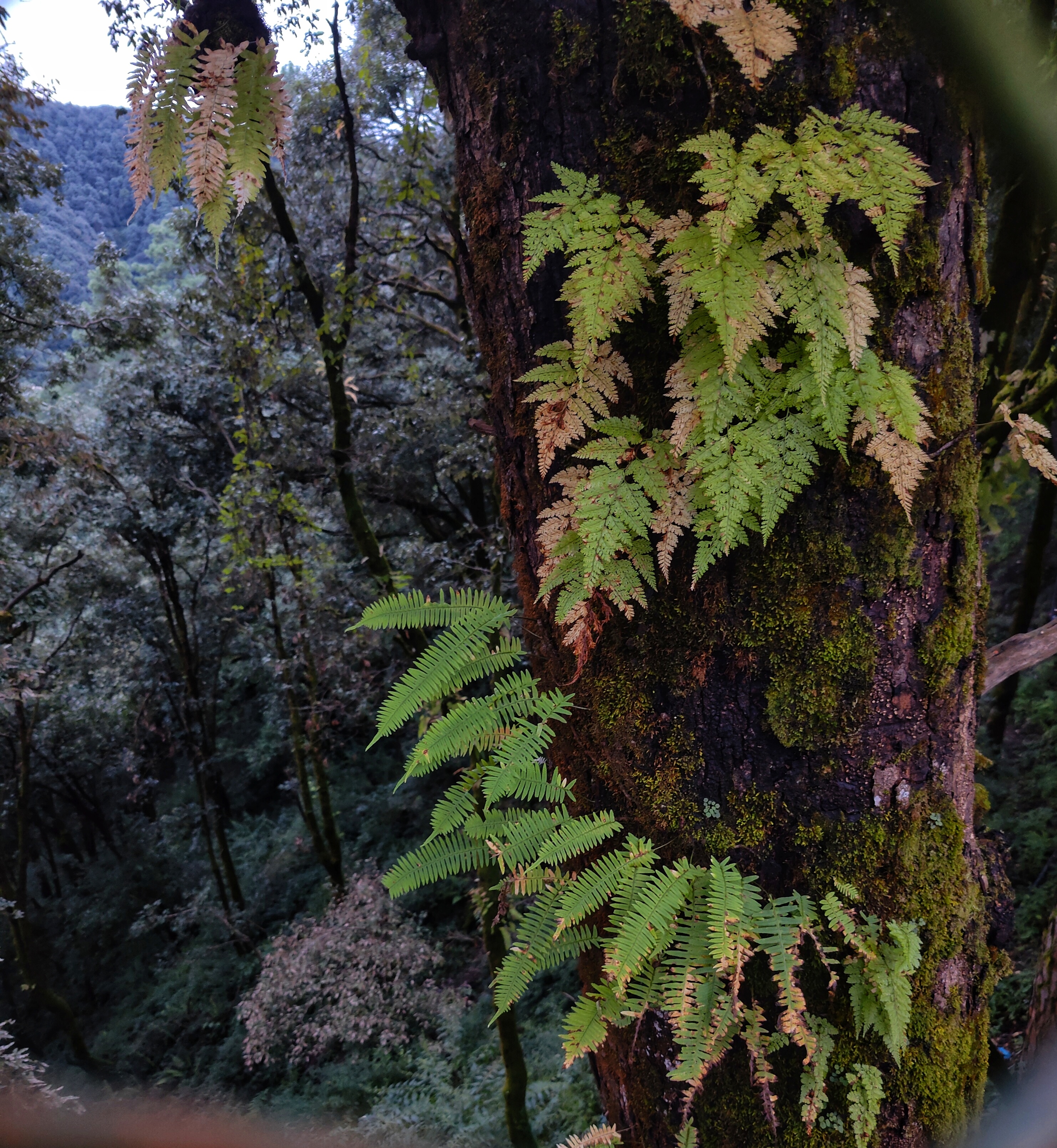
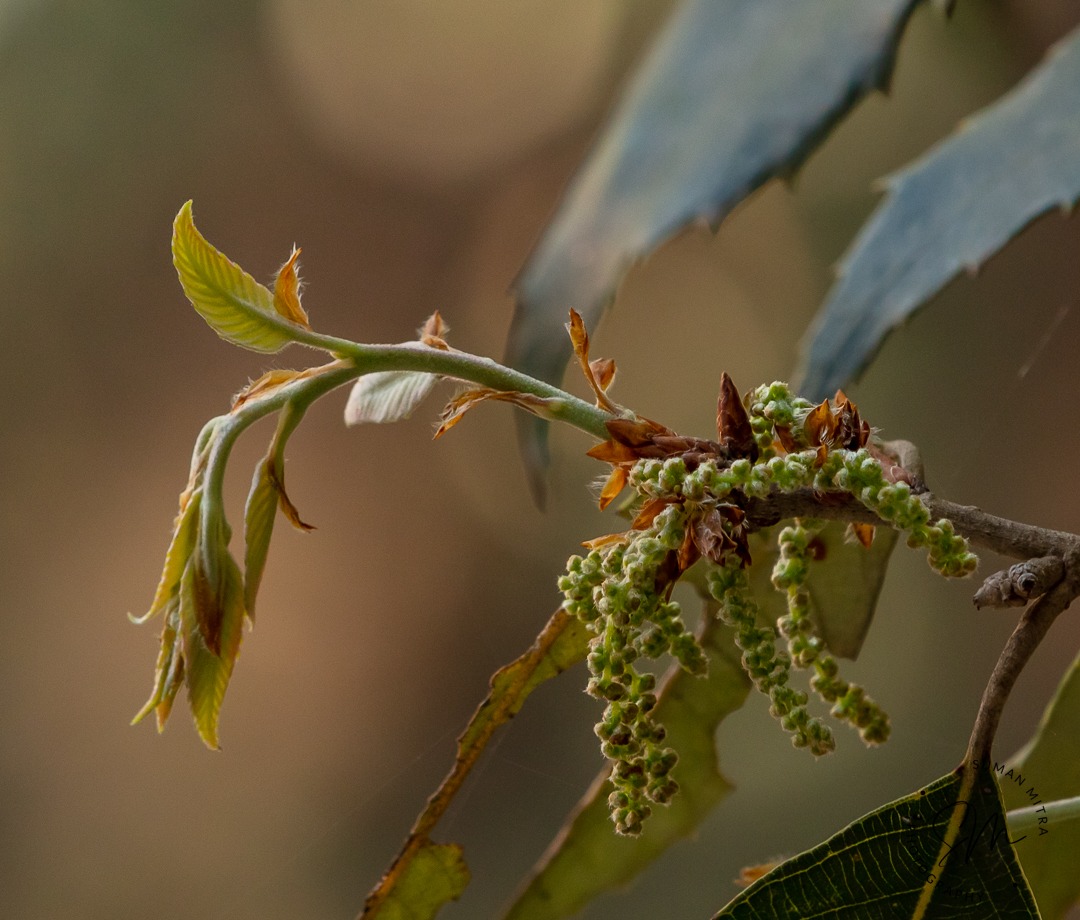
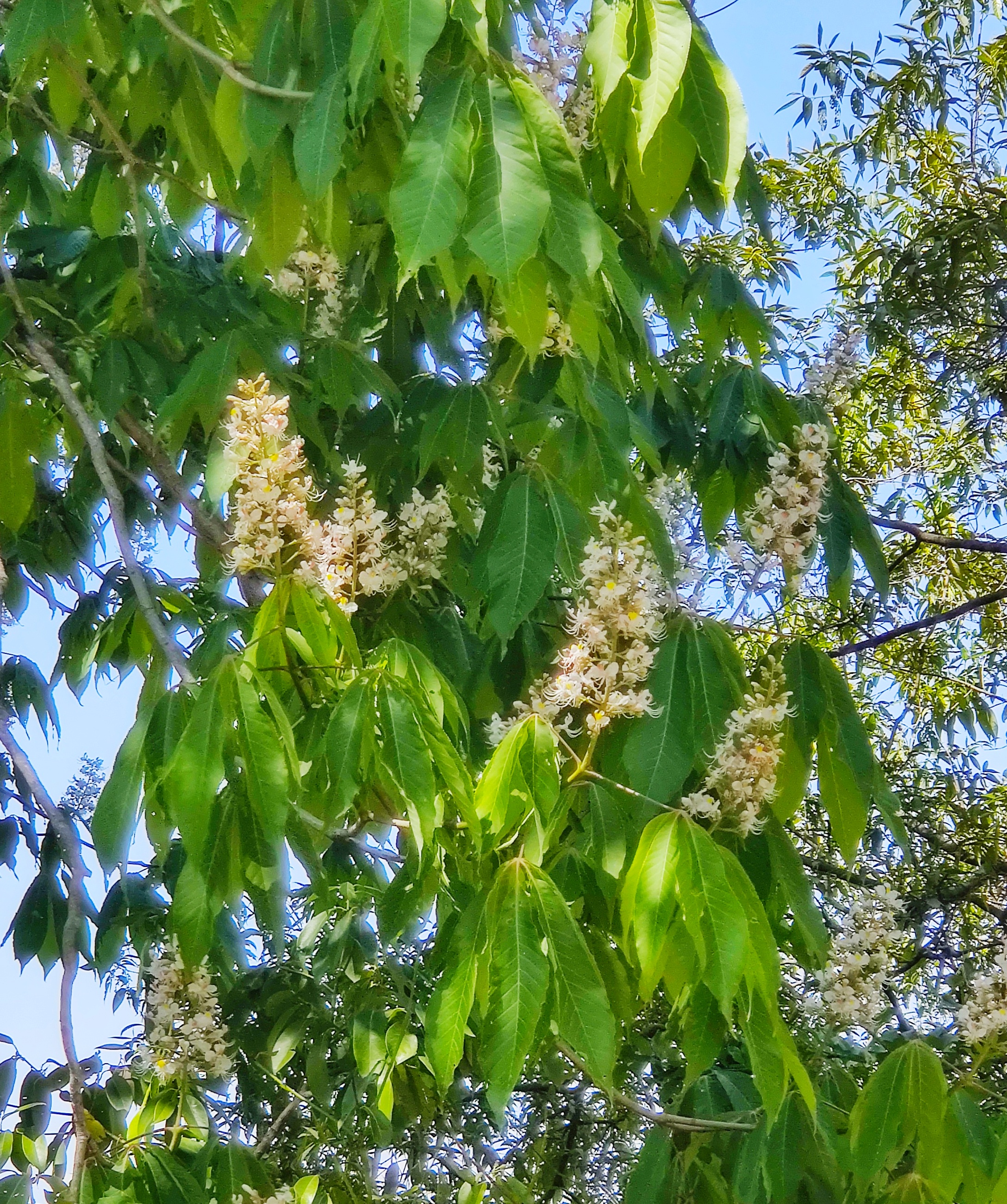
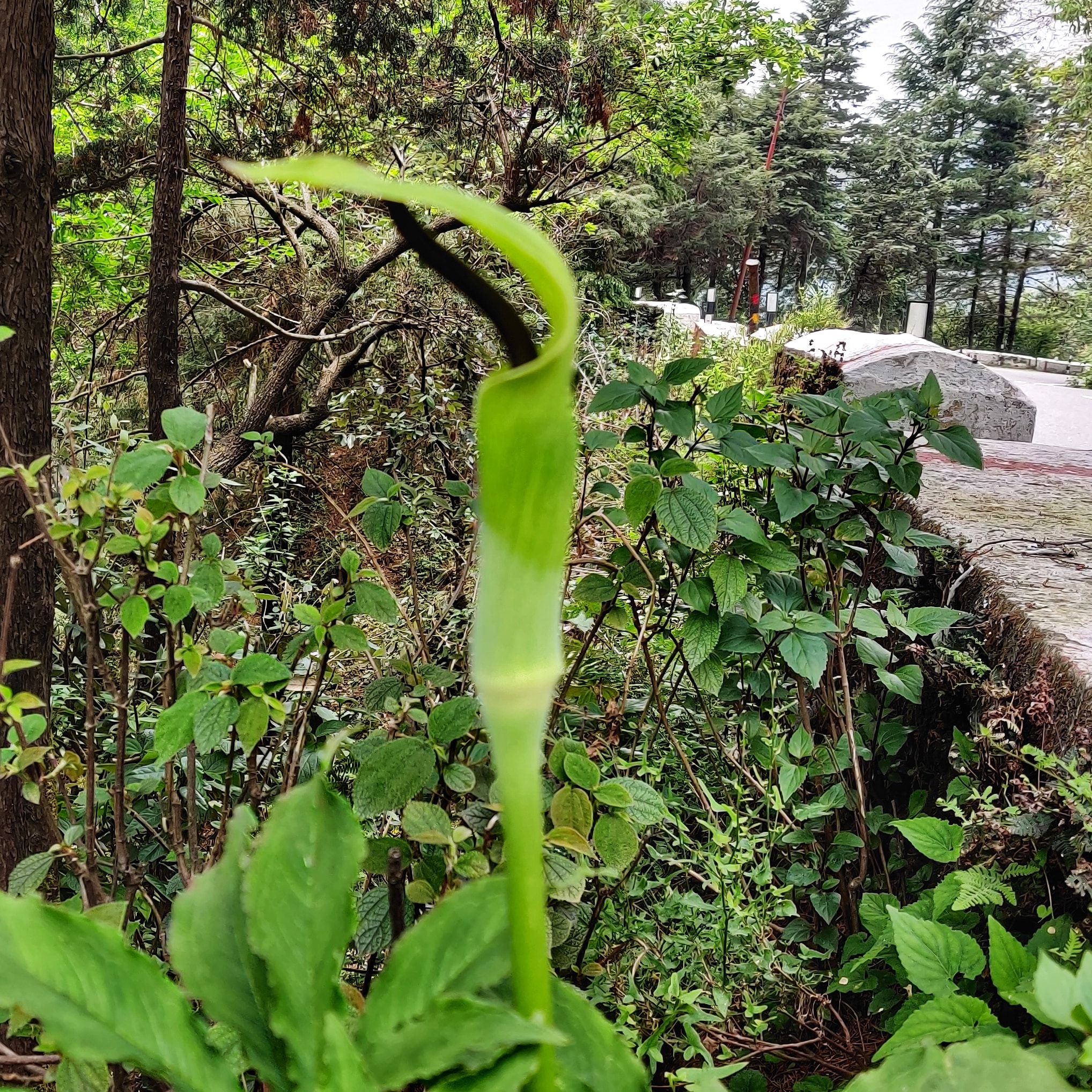
During phenology walks, children can observe the different stages of plant growth and the behaviour of animals in their natural habitat. They can look for signs of spring, such as the first buds on trees and the emergence of new leaves, or signs of fall, such as changing leaf colours and the migration of birds, appearance and disappearance of ferns.
Phenology walks can be done in any natural setting, whether it be a local park, a nature reserve, or even in your own backyard. It is a great way to get children outside and engaged with the natural world, and it can also help them develop important observational skills.
By taking children on phenology walks throughout the year, they can gain a deeper understanding and appreciation for the natural world and the changing seasons. It’s a great way to spark curiosity and inspire a lifelong love of nature.
6. Activities for children during a phenology walkPhenology walks can be an amazing experience for children as they get to explore nature and learn about the changes that happen in the environment throughout the year. Here are some great activities for children during a phenology walk:
1. Nature Scavenger Hunt: Create a list of different items that can be found in nature such as leaves, flowers, insects, or animal tracks. Encourage the children to find as many items as they can during the walk.
2. Nature Journaling: Bring along a notebook or journal for each child and encourage them to draw or write about the things they see on the walk. This is a great way for them to document their observations and memories of the experience.
Phenology walks can be an amazing experience for children as they get to explore nature and learn about the changes that happen in the environment throughout the year. Here are some great activities for children during a phenology walk:
1. Nature Scavenger Hunt: Create a list of different items that can be found in nature such as leaves, flowers, insects, or animal tracks. Encourage the children to find as many items as they can during the walk.
2. Nature Journaling: Bring along a notebook or journal for each child and encourage them to draw or write about the things they see on the walk. This is a great way for them to document their observations and memories of the experience.
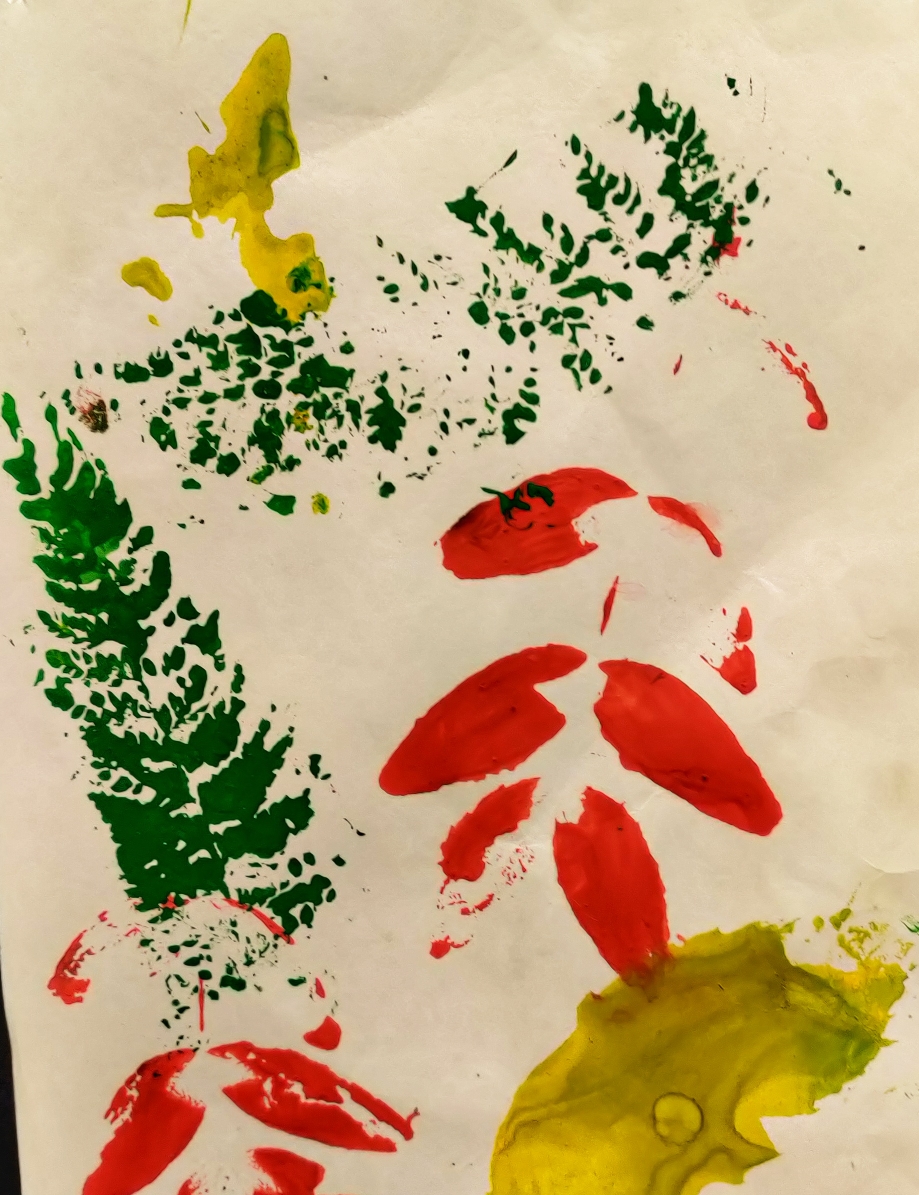
3. Leaf Rubbings: Bring along paper and crayons for the children to make leaf rubbings. This is a fun activity that allows them to explore the different shapes and textures of leaves.
4. Nature Photography: If you have a camera or a smartphone with a camera, encourage the children to take pictures of the things they see on the walk. This is a great way for them to capture their observations and to share their experiences with others.
5. Storytelling: Encourage the children to tell stories about the things they see on the walk. This is a great way for them to use their imaginations and to practice their storytelling skills.
By incorporating these activities into a phenology walk, children can have a fun and educational experience that helps them connect with nature and learn about the changes that happen throughout the seasons.
7. Engaging children in the scientific process through phenology walks
Phenology walks are a great way to engage children in the scientific process while also immersing them in nature. Phenology is the study of seasonal changes in plants and animals, such as the timing of leaf growth, bird migration, and insect emergence. By observing and recording these changes in their local environment, children can learn about the natural world and how it changes throughout the year.
Phenology walks can be done in any outdoor space, from a local park to a school yard. Children can use simple tools such as a notebook, pencil, and camera to document what they observe. They can take notes on the weather, temperature, and which plants and animals they see. They can also take pictures of the plants and animals they observe to help identify them later.

Engaging children in phenology walks not only helps them learn about the natural world, but it also teaches them important scientific skills. They learn to make observations, record data, ask questions, and analyze results. These skills are transferable to other subjects and will serve them well throughout their education.
Phenology walks are a great way to get children outside and exploring nature. They provide opportunities for learning, curiosity, and discovery. By engaging children in the scientific process through phenology walks, we can help them develop a deeper understanding and appreciation of the natural world around them.

8. The connection between phenology and conservation efforts
Phenology is not only fascinating but also an important tool for conservation efforts. It helps us to understand the changes taking place in the natural world and how these changes impact ecosystems and wildlife. By studying the timing of natural events such as the blooming of flowers or the migration of birds, we can identify patterns and changes that can be used to guide conservation efforts.
For example, if we notice that certain bird species are migrating earlier each year, this could indicate a change in their food source or habitat. By monitoring these changes, we can take action to protect the habitats and food sources of these species before it’s too late.

Involving children in phenology walks can help to instill a sense of responsibility and appreciation for the natural world. By understanding the connection between phenology and conservation efforts, children can begin to see how their actions impact the environment and how they can make a positive difference. Phenology walks can also be a great opportunity to discuss environmental issues and brainstorm ways to address these challenges.

9. Incorporating phenology walks into educational programs
Phenology walks can be a great addition to educational programs, especially those focused on science and environmental studies. By observing the changes in the natural world over time, children can learn about the cycles of life and how different organisms adapt to the changing seasons.
Phenology walks can be scheduled as a regular part of the school curriculum or as a special activity during field trips or outdoor learning sessions. During these walks, students can take notes or draw pictures of what they see, which can be used to create a visual record of the changes they observe over time. This can be a great way to engage students who may not be interested in traditional classroom learning.

Phenology walks can also be used to teach important scientific concepts, such as the difference between weather and climate, the impact of seasonal changes on animal behaviour, and the importance of biodiversity in maintaining healthy ecosystems. By incorporating phenology walks into educational programs, teachers can provide a hands-on learning experience that is both fun and informative for students.

10. The long-term impact of phenology experiences on children’s attitudes toward nature.
Phenology walks can have a significant and long-term impact on children’s attitudes toward nature. By regularly observing and documenting the changes in nature over time, children develop a deeper understanding and appreciation for the natural world around them. This can lead to a greater sense of environmental responsibility and a desire to protect and conserve the natural environment.
In addition, phenology experiences can also help to foster a sense of curiosity and wonder in children, encouraging them to explore and learn more about the world around them. This can lead to greater engagement with science and the natural world, and may even inspire some children to pursue careers in environmental science or related fields.
Overall, phenology walks are a valuable tool for connecting children with nature and helping them to develop a deeper understanding and appreciation for the natural world. By engaging children in regular phenology experiences, we can help to cultivate a new generation of environmental stewards who are committed to protecting and conserving our planet for future generations.

In conclusion, we hope that this article has inspired you to take a phenology walk with your children and explore nature’s seasons together. Not only is it a wonderful way to spend time together, but it also provides a great opportunity for children to learn about the natural world around them. By observing and recording the changes in nature, children can gain a deeper appreciation and understanding of the natural world. So, grab your walking shoes, pack a snack, and hit the trail with your little ones for an adventure in the woods.
Thank you for reading !!
Like, share and follow. 🙂
https://www.facebook.com/Dr.ChandrimaDebi/
https://www.instagram.com/debichandrima/
https://www.sumanmitra.com/
https://linktr.ee/chandrimadebi
©All images and content are subjected to copyright
© 2023 chandrimadebi http://www.chandrimadebi.com
 Dr. Chandrima Debi's Blog