
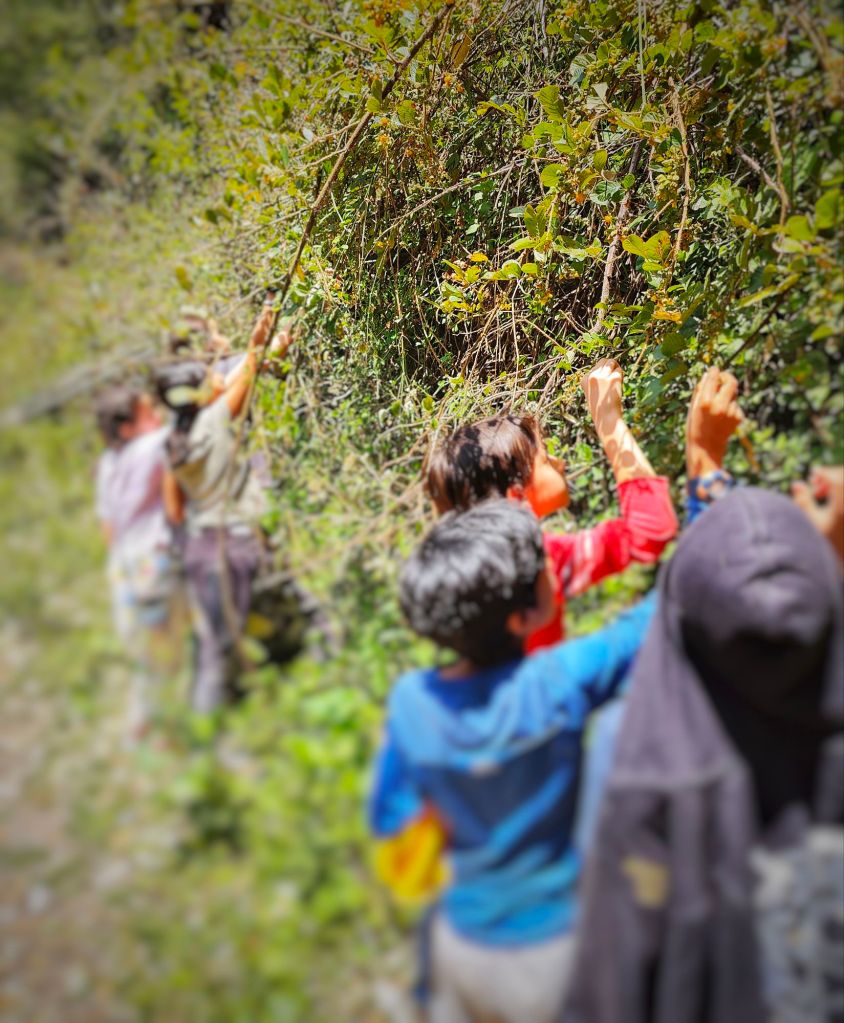
There’s something magical about finding food in the wild. It connects us to nature and reminds us of our primitive roots. Foraging for food can be an exciting way to explore the outdoors and a great way to add some unique flavors to your meals. The Himalayan region is a treasure trove of wild edible plants, including Himalayan raspberry, sorrels, wild strawberries, and many more. In this post, we’ll guide you through the process of foraging for these delicious and nutritious plants. From identifying the plants to preparing them for the plate, we’ll cover everything you need to know to make the most of your foraging experience. So grab your basket and join us on a journey from nature to plate!

1. The basics of foraging for wild edibles
Foraging for wild edibles can be an exciting and fulfilling experience. However, it’s important to know the basics before you start. The first step is to identify the plants you want to forage. Make sure to do your research and learn everything you can about the plants you’re interested in. This can include their physical characteristics, preferred growing conditions, and whether or not they’re safe to eat.
Next, you need to find the right location. Look for areas that are free from pollution, pesticides, and other harmful chemicals. National parks, nature reserves, and other protected areas are great places to start. However, before you go foraging, make sure you obtain any necessary permits and follow any regulations in place. You don’t want to damage the environment or get in trouble with the law.
When foraging, it’s important to be aware of your surroundings and respect the environment. Don’t take more than you need and avoid damaging the plants or their habitats. It’s also a good idea to bring a field guide or foraging app with you to help identify plants and avoid any potentially harmful species.
Lastly, always be cautious when trying new plants. Start by consuming a small amount and wait to see if you have any adverse reactions before consuming more. With these basics in mind, you can safely and responsibly enjoy the benefits of foraging for wild edibles.
2. Safety First: Precautions to Take When Foraging

Foraging can be a fun and rewarding experience, but it’s important to take precautions and ensure your safety before venturing out into the wild. Here are some things to keep in mind:
1. Know what you’re looking for: Before heading out to forage, do your research and make sure you can identify the plants you’re looking for. Bring a field guide or foraging app with you to help you identify plants. It’s important to be able to distinguish between edible and poisonous plants.
2. Get permission: If you’re foraging on private property, make sure you have permission from the landowner. Some areas may also have specific regulations or permits required for foraging, so it’s important to check beforehand.
3. Dress appropriately: Wear long sleeves and pants to protect against ticks and other insects. Bring gloves and avoid wearing open-toed shoes. It’s also a good idea to bring a hat and sunscreen for protection against the sun.
4. Bring the right tools: Depending on what you’re foraging for, you may need a knife, scissors, or pruning shears. Make sure to pack your tools safely and securely.
5. Watch out for wildlife: Be aware of your surroundings and keep an eye out for wildlife. Depending on where you’re foraging, you may encounter snakes, bears, or other potentially dangerous animals.
6. Avoid picking near roads: Plants growing near roads may be contaminated with pollutants or chemicals from car exhaust. It’s best to stick to areas away from roads.
By taking these precautions, you can ensure a safe and enjoyable foraging experience.
3. The benefits of foraging for wild edibles

Foraging for wild edibles is a great way to connect with nature and reap the benefits of fresh, organic produce. When you forage, you’re harvesting plants from their natural environment, which means they haven’t been treated with any pesticides or chemicals. This makes foraging a great way to get fresh and healthy food for free.
Another benefit of foraging is that it’s a sustainable way of sourcing food. Instead of relying on industrial agriculture, which can be harmful to the environment, foraging allows you to source food in a way that is in harmony with nature. It also reduces the carbon footprint associated with producing, transporting, and packaging food.
Foraging can also be a fun and educational activity. When you forage, you get to learn about the different plants in your area and how they can be used for food and medicine. It’s a great way to connect with nature and learn about the local ecosystem.
Finally, foraging can be a great way to save money on your grocery bill. Instead of buying expensive organic produce at the grocery store, you can source fresh, organic food for free in your own backyard. So, if you’re looking for a way to eat healthy, sustainably, and on a budget, foraging for wild edibles might be just what you need.
4. The tools you need to get started with foraging
Before you start with foraging, it’s important to have the right tools with you. Some of the essential tools that you might need include a field guide or handbook to help you identify different plants, berries, and nuts. You could also carry a small knife, scissors, or pruning shears to help you collect the plants and berries without damaging them.
It’s also important to dress appropriately for the task. Wear comfortable and sturdy shoes, preferably hiking boots, as you might be walking on uneven terrain. Long pants and long-sleeved shirts are recommended to protect your skin from insect bites, cuts, and scratches. A hat and sunscreen are also necessary, especially if you’re foraging in the summer months.
It’s important to note that you should never consume any plant or berry without being 100% sure of its identity and safety. Some plants may be poisonous and can cause serious harm if ingested. So, it’s always best to cross-reference your foraged plants with a reliable guidebook or consult an expert before consuming them.
Lastly, it’s important to respect the environment and the plants you’re foraging. Never take more than you need, and avoid damaging the environment or the plants. By following these guidelines, you can safely and responsibly forage for delicious and nutritious wild edibles to enjoy on your plate.
5. Introduction to Himalayan Raspberry, Sorrels, Wild Strawberry and other wild edibles
Foraging wild edibles is a great way to connect with nature and to learn about the foods that grow naturally around us. The Himalayan Raspberry, also known as Rubus ellipticus, is a common plant found in the Himalayan region. The fruit of the Himalayan Raspberry is similar to that of the common raspberry, but it has a slightly tangier taste. The leaves of the plant can be used to make a refreshing tea that is high in antioxidants and has been known to help with digestion.
Another wild edible commonly found in the Himalayan region is sorrels. Sorrels are a type of herb that have a tangy, lemony flavour. They can be used in salads, soups, stews, and even as a garnish for cocktails and other drinks. Sorrels are high in vitamin C and have been used for centuries for their medicinal properties.
Wild strawberries are another popular wild edible found in the Himalayan region. These small, sweet berries can be eaten raw or used in desserts, jams, and other sweet dishes. They are a good source of vitamin C and antioxidants and have been used in traditional medicine to treat various ailments.
It is important to note that when foraging for wild edibles, you should always be sure to properly identify the plant before consuming it. Some plants may look similar to edible plants but can be toxic or harmful. It is also important to only forage in areas that have not been sprayed with pesticides or other chemicals. By taking the time to learn about wild edibles and practicing safe foraging techniques, you can enjoy the delicious and nutritious foods that grow naturally in the world around us.
6. How to identify and locate Himalayan Raspberry, Sorrels, Wild Strawberry and more in the wild
Foraging can be a fun and rewarding activity, but it’s important to know what you’re looking for and where to find it. Some popular wild edibles in the Himalayan region include Himalayan Raspberry, Sorrels, Wild Strawberry, and more.
To identify Himalayan Raspberry, look for a shrub with thorny stems and a red or purple fruit that looks like a raspberry. Sorrels have a distinct lemony flavor and can be identified by their arrow-shaped leaves and small green or reddish-brown flowers. Wild strawberries have a sweet and juicy taste and can be identified by their white flowers and small, red berries.
When foraging, it’s important to know where to look. Himalayan Raspberry, for example, can be found in sunny clearings, along roadsides, and in forest edges. Sorrels prefer damp areas such as meadows, stream banks, and forest edges. Wild strawberries can be found in a variety of habitats, including meadows, woodlands, and even in urban areas.
It’s important to note that foraging should always be done responsibly and sustainably. Never take more than you need and avoid harvesting in areas that may have been contaminated by pollutants or pesticides. Always do your research and consult with local experts to ensure that you’re harvesting safely and legally.
7. Tips for harvesting wild edibles sustainably
When it comes to foraging wild edibles, it’s important to remember that we’re not the only ones who rely on these resources. Harvesting too much or at the wrong time can have a negative impact on the ecosystem and other animals who depend on these plants for survival. Here are some tips for harvesting wild edibles sustainably:
1. Learn about the plant before harvesting: It’s important to know the plant’s life cycle, growth patterns, and habitat before harvesting it. This will help you determine the best time and method for harvesting without damaging the plant.
2. Only take what you need: Harvesting too much can deplete the plant population and negatively impact the ecosystem. Take only what you need and leave the rest for other animals and future generations.
3. Harvest ethically: When harvesting, be sure to do so ethically. Avoid damaging the plant or its surrounding environment, and never harvest on private property without permission.
4. Avoid harvesting endangered species: Some wild edibles are endangered or protected, so it’s important to do your research and avoid harvesting these species.
5. Leave no trace: When foraging, always leave the area as you found it. Avoid littering, trampling, or damaging the environment in any way.
By following these tips, you can enjoy the benefits of foraging wild edibles while also ensuring that these resources are available for future generations.
8. How to clean and store wild edibles
After a successful foraging trip, the next step is to clean and store your wild edibles properly. Cleaning is a crucial step as it removes any dirt, insects, or other debris that may have come into contact with the plants. First, give them a gentle rinse under cold running water, but do not soak them for too long as this can cause them to lose their flavor and texture. If you’re worried about any remaining insects, you can add a small amount of salt or vinegar to the water.
Once your wild edibles are cleaned, it’s time to store them correctly. Different plants have different storage requirements, but as a general rule, it’s best to store them in airtight containers or bags in the refrigerator. This will help to preserve their freshness and flavor for as long as possible. Some edibles, such as berries, can be frozen for longer-term storage.
It’s important to note that wild edibles should be consumed or cooked as soon as possible after foraging, as they can deteriorate quickly. Always check for any signs of spoilage before consuming, and discard any that appear to be past their prime.
By following these simple cleaning and storage tips, you can ensure that your wild edibles remain fresh and delicious for as long as possible. Enjoy the fruits of your labor, and be sure to share your newfound knowledge with others!
9. How to prepare and cook Himalayan Raspberry, Sorrels, Wild Strawberry and more
After foraging for Himalayan Raspberry, Sorrels, Wild Strawberry, or any other edible wild plant, it’s important to know how to prepare and cook them properly. These plants can be used in a variety of ways to enhance the flavour of your dishes and provide a unique twist to your meals.
To prepare Himalayan Raspberry, you should wash them thoroughly and remove any debris. The fruit can be used fresh or cooked to make jams and jellies. It also pairs well with cream, yogurt, and ice cream.
Sorrels have a tangy, lemony taste and are great in salads or used as a garnish. You can also use them to make a refreshing sorrel drink by blending the leaves with water, sugar, and lemon juice.
Wild Strawberry can be eaten fresh or used in a variety of recipes such as jams, cakes, and smoothies. They are also great as a topping for yogurt or ice cream.
When cooking with wild plants, it’s important to use them in moderation and to always be certain of their safety. Some plants can be poisonous, so it’s essential to do your research and know which plants are safe to consume.
In conclusion, foraging for wild plants can be a great way to add a unique twist to your meals. However, it’s important to know how to properly prepare and cook them to ensure their safety and taste. With a little research and experimentation, you can create delicious dishes using these wild plants.

10. Delicious recipes to try with foraged wild edibles
Foraging wild edibles is not only an exciting and adventurous activity, but it also allows you to create unique and delicious dishes with ingredients that are not commonly found in supermarkets. Here are some recipe ideas to try with foraged wild edibles:
1. Himalayan Raspberry Jam: Wild Himalayan raspberries are perfect for making jams and syrups. Add some sugar, pectin, and lemon juice to the raspberries and cook them down until they thicken into a delicious jam.
2. Sorrel Soup: Sorrel is a wild green that has a tangy and slightly sour flavour. It’s perfect for making soups and sauces. Add some chicken or vegetable broth, potatoes, and onions to the sorrel and cook it until it’s tender. Blend it with an immersion blender and add some cream to make a creamy and delicious soup.
3. Wild Strawberry Salad: Wild strawberries are smaller than cultivated strawberries and have a more intense flavour. Mix them with some arugula, goat cheese, and balsamic vinegar for a refreshing summer salad.
4. Elderflower Cordial: Elderflowers are small white flowers that grow in the spring. They have a sweet and floral flavor that’s perfect for making cordials. Mix them with sugar and lemon juice and let them steep for a few days. Strain the mixture and mix it with sparkling water for a refreshing summer drink.
5. Wild Garlic Pesto: Wild garlic is a pungent and flavorful herb that’s perfect for making pesto. Mix it with some nuts, olive oil, and parmesan cheese to make a delicious spread for bread or pasta.
Foraging wild edibles is a fun and rewarding activity that allows you to connect with nature and create delicious and unique dishes. Just make sure to do your research and only pick edibles that are safe to eat.
We hope you enjoyed our student’s guide to foraging Himalayan raspberry, sorrels, wild strawberry, and more. This is a great way to learn about the local flora and fauna, and it’s also a fantastic way to connect with nature. We hope that this guide will inspire you to get out and explore your local environment and discover the treasures that it has to offer. Remember to always forage safely and sustainably and enjoy the fruits of your labor. Happy foraging!

 Dr. Chandrima Debi's Blog