
Phenology is the study of the seasonal changes in plants and animals. It is a fascinating area of science that can help children better understand the world around them. By observing nature and tracking changes over time, kids can develop a deeper appreciation for the natural world and learn important scientific skills. Phenology is a great way to introduce children to the wonders of science and nature, and it’s also an excellent opportunity for outdoor exploration and learning. In this blog post, we will explore the basics of phenology and how to get started with this fun and educational activity. We will also provide tips and resources for parents and educators who want to incorporate phenology into their teaching and learning activities. So, join us as we embark on a journey through the fascinating world of phenology!
1. What is phenology?
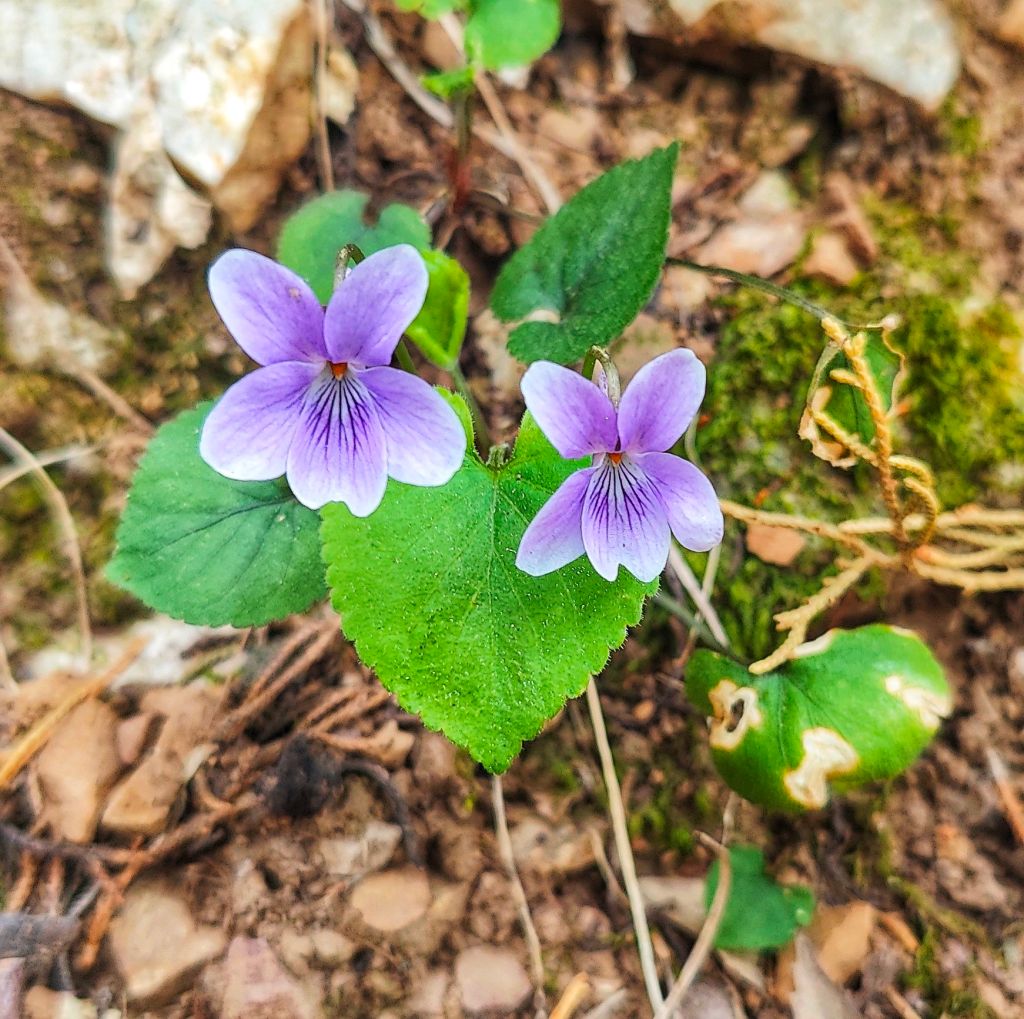
Phenology is the study of the timing of natural events and how they relate to seasonal and climatic changes. Simply put, it’s the observation of changes in nature over time. This includes things like the arrival of migratory birds, the blooming of flowers, and the timing of leaf fall in trees. Phenology is a great way to teach kids about the natural world around them and the impact that climate change can have on it. By observing and recording these changes, kids can learn about the interconnectedness of living things, as well as the importance of protecting our environment. Phenology can be practiced in any outdoor environment, whether it’s a backyard garden, a nearby park, or a nature trail. It’s a great way to get kids outside and engaged with the natural world while also fostering a sense of curiosity and exploration. By introducing phenology to kids, parents and teachers can open up a whole new world of nature-based learning opportunities.
2. The benefits of teaching kids about phenology
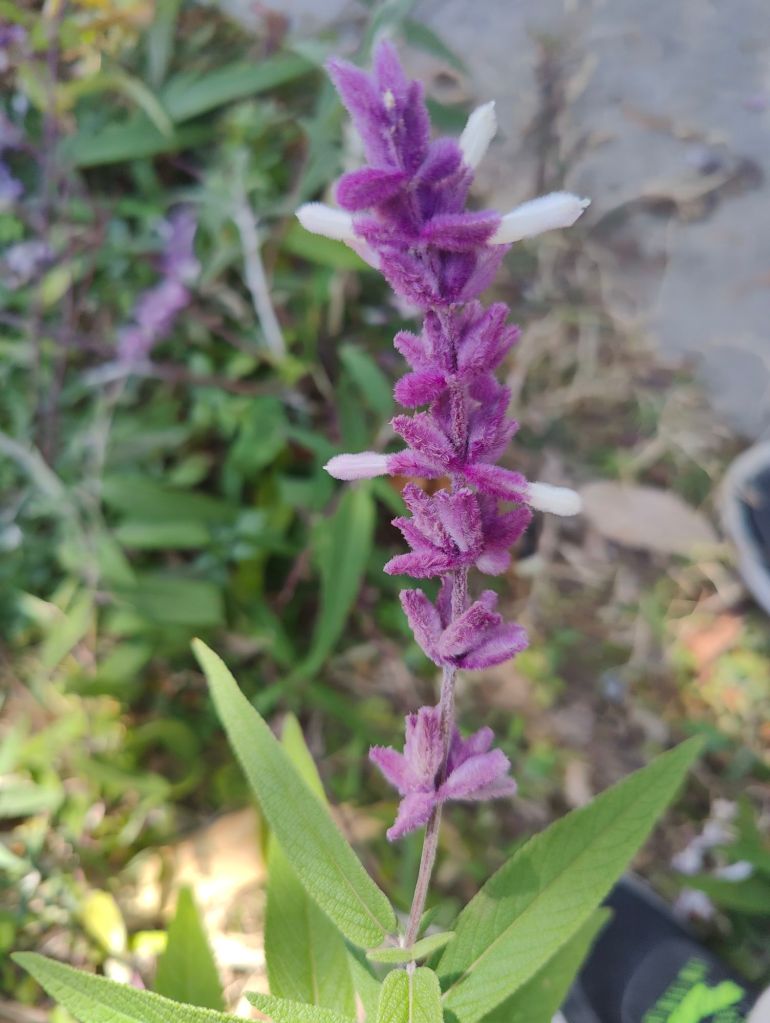
Phenology, the study of seasonal changes in plants and animals, can be a great way to introduce kids to the world around them. Not only does it encourage them to get outside and explore, but it also teaches them about the interconnectedness of nature and how everything is affected by changes in the environment.
When kids are taught about phenology, they develop a deeper understanding of the natural world and the importance of taking care of it. They learn to appreciate the beauty of nature and the role that it plays in our lives. By observing the changes that occur in plants and animals throughout the year, kids can gain a sense of continuity and develop a connection to the natural world that can last a lifetime.
Phenology also provides opportunities for kids to practice important skills such as observation, data collection, and analysis. By keeping track of the changes they see in their environment, kids can develop their scientific thinking skills and learn to make connections between cause and effect.
In addition to the educational benefits, teaching kids about phenology can also encourage them to become more environmentally conscious. As they learn about the impact that human activities can have on the natural world, they may be more motivated to make positive changes in their own lives to reduce their impact on the environment.
Overall, teaching kids about phenology can be a great way to engage them in nature-based learning and help them develop a deeper appreciation for the natural world around them.
3. How to get started with phenology for kids
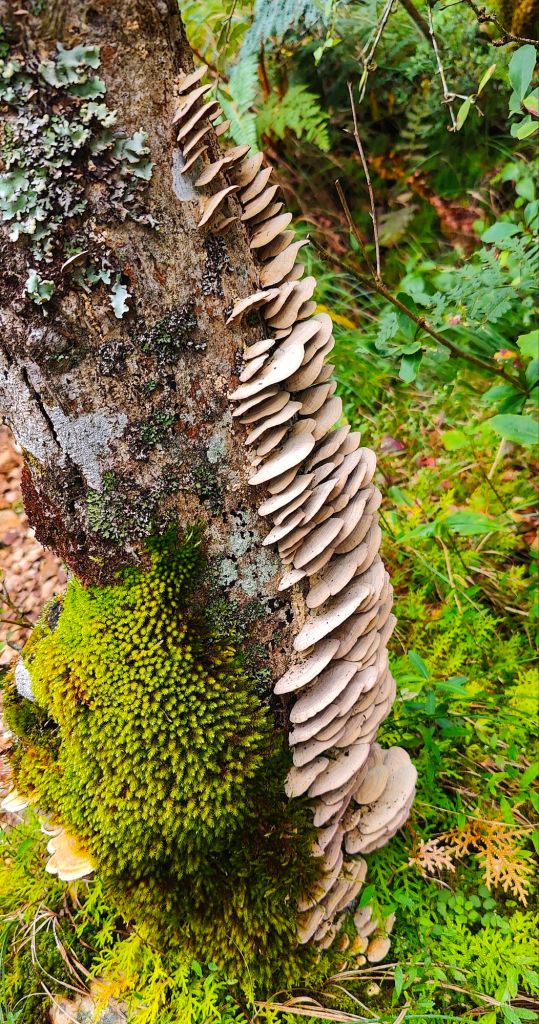
Phenology is a great way to get kids interested in nature and science. It’s all about observing and recording changes in plants and animals throughout the year. This can include things like when leaves start to change color, when birds migrate, and when flowers bloom.
To get started with phenology for kids, you will need to find a place to observe. This could be your backyard, a local park, or a nature reserve. Once you have your location, you can start to make observations. You can use a notebook to record your observations, or you can use an app like iNaturalist to record them digitally.
It’s important to make regular observations throughout the year so that you can see how things change over time. You can also encourage your kids to take photos of what they see, which can be a great way to document changes and share them with others.
In addition to making observations, you can also use phenology as a starting point for other activities. For example, you could create art projects inspired by the changing seasons, or you could use your observations to create graphs and charts to show how things change over time. The possibilities are endless, and the best part is that phenology is a fun and engaging way to get kids interested in nature and science.
4. Explore the changing seasons with phenology
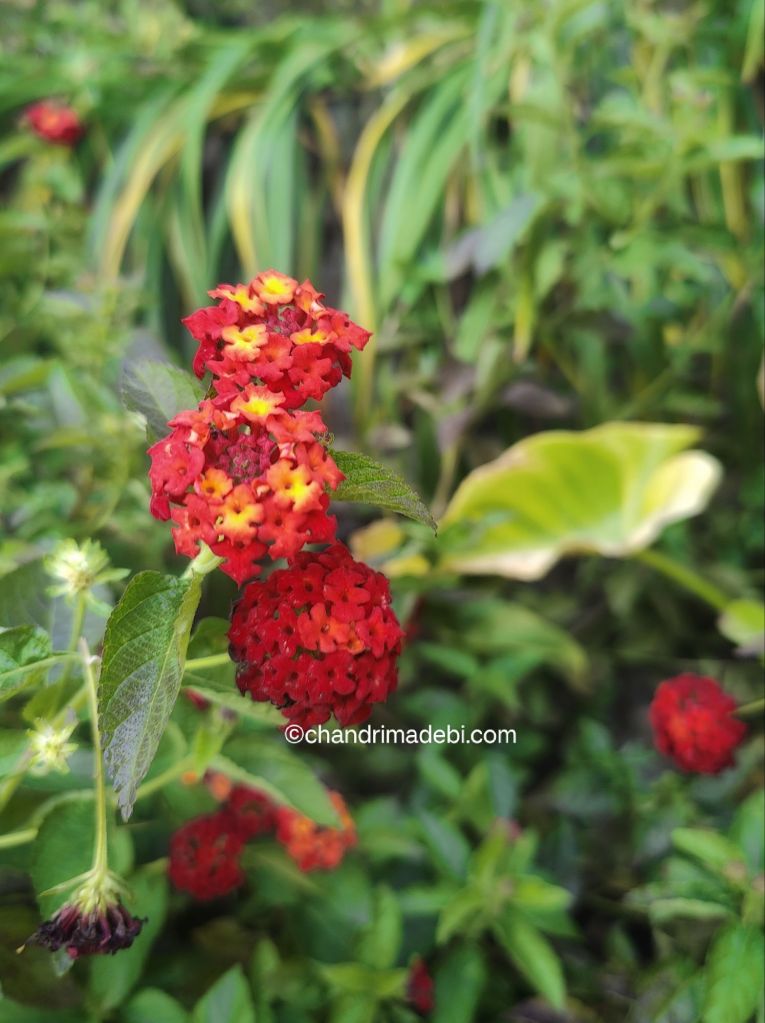
Phenology is a great way to explore the changing seasons with kids. Phenology is the study of the seasonal changes in plants and animals, including when they flower, migrate, or hibernate. It’s a great way to explore the natural world around us and get kids excited about science and nature.
You can start by taking regular walks in your local park or nature reserve, noting down what you see and when you see it. You can also keep a nature journal or take photos to document the changes. For example, you could note when the first flowers appear in spring, when the leaves change color in autumn, or when the first snow falls in winter.
Phenology can also be a great way to introduce kids to other scientific concepts, such as climate change. By monitoring changes in the natural world over time, kids can learn about the impacts of climate change on ecosystems and the importance of protecting our planet.
Overall, phenology is a fun and educational way to explore the natural world with kids. It encourages them to be curious, observant, and engaged with the world around them.
5. Mapping and charting seasonal changes
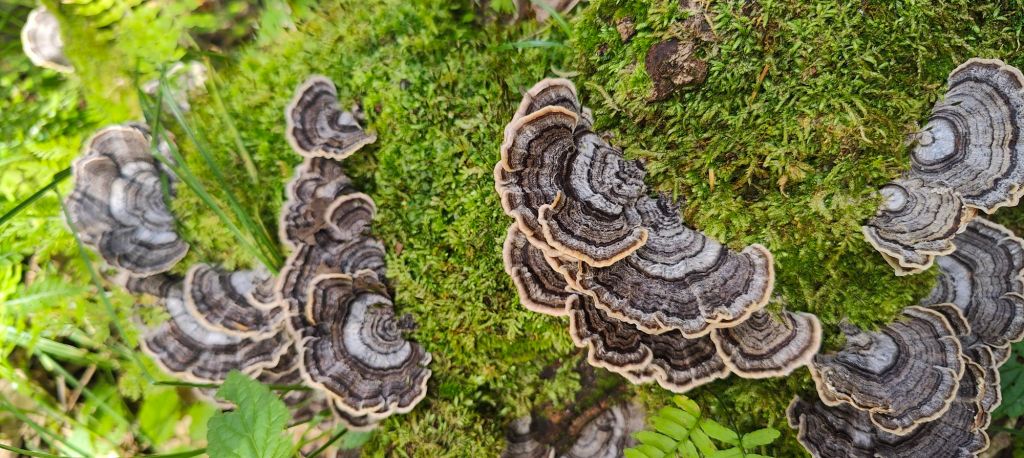
Mapping and charting seasonal changes is a great way to get kids excited about phenology. It helps them to visually see the changes that are happening in their local environment over time.
One way to do this is to create a seasonal chart that tracks the changes in weather, plant growth, and animal behavior throughout the year. You can use a large piece of paper or a whiteboard and divide it into four sections, one for each season.
In each season section, have the kids draw or glue pictures of the plants and animals they observe during that time of year. They can also include weather patterns, such as sunny days, rainy days, snowfall, and temperature changes.
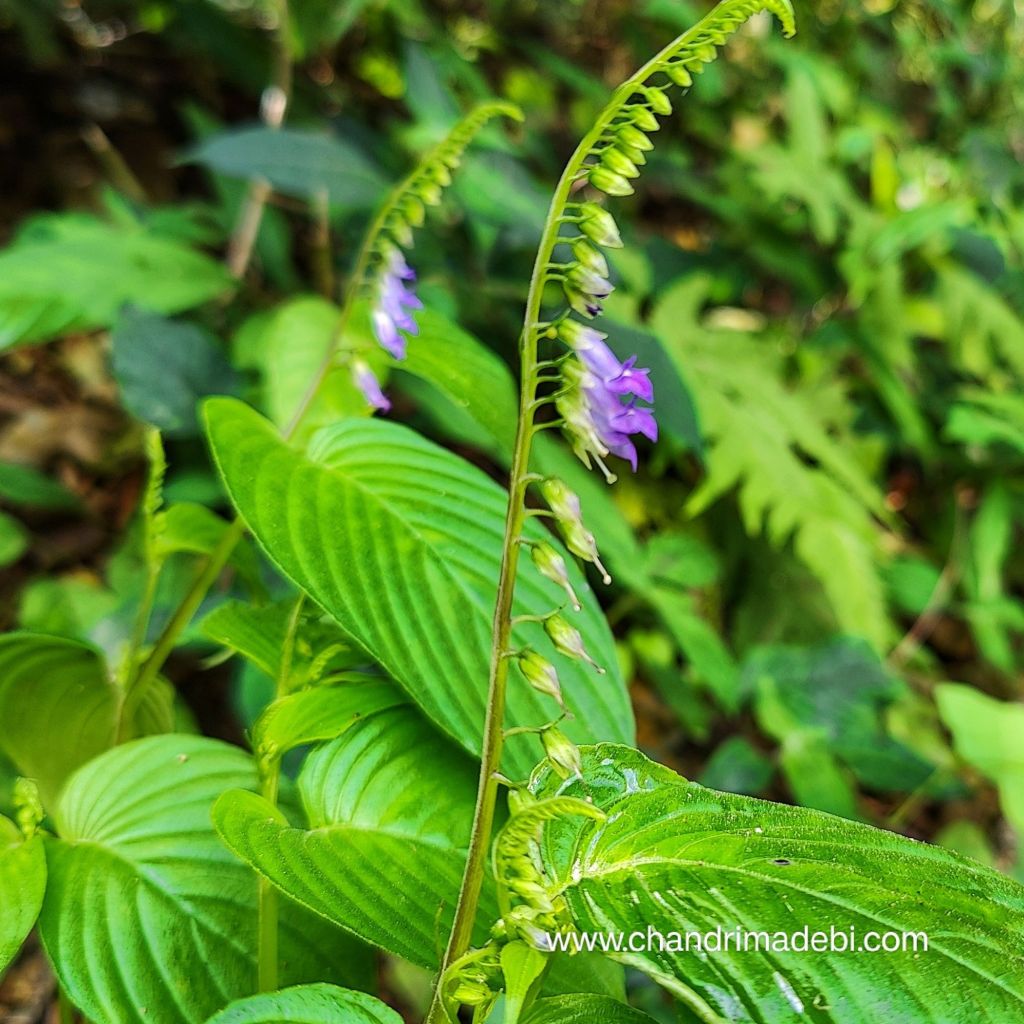
Another way to get kids involved in mapping seasonal changes is to create a nature journal. They can use this journal to record their observations of nature throughout the year. Encourage them to draw pictures, take photos, and write descriptions of what they see. This can help kids develop a deeper appreciation for the natural world and a better understanding of the interconnectedness of all living things.
Overall, mapping and charting seasonal changes is a fun and interactive way to engage kids in phenology and help them develop a lifelong love of nature-based learning.
6. Observing and identifying plants and animals
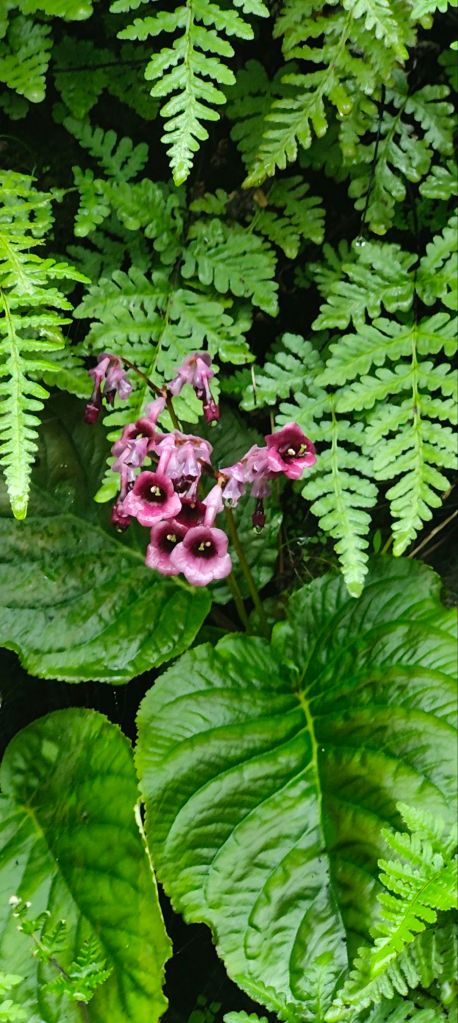
Observing and identifying plants and animals is a great way to introduce kids to the world of phenology. When kids observe nature, they begin to get a sense of the rhythms and patterns that exist in the natural world. They can start to notice when different types of flowers bloom, when birds begin to migrate, or when animals start to hibernate for the winter.
Encourage kids to keep a journal of their observations. As they record what they see, they will start to notice more and more details about the plants and animals they encounter. They can use field guides or online resources to help with identification, and even create their own field guide for their local area.
In addition to observing and identifying plants and animals, kids can also learn about the relationships between different species. For example, they can observe which insects are pollinating certain plants or which birds are eating certain types of berries. This can help them understand the interconnectedness of different species and the importance of biodiversity.
Overall, observing and identifying plants and animals is a fun and engaging way to introduce kids to the world of phenology and foster a love of nature-based learning.
7. Using technology for phenology projects
Technology has revolutionized the way we interact with nature. With the help of technology, we can explore and study nature in ways that were previously impossible. When it comes to phenology, technology can be a great tool to enhance learning opportunities for kids.
One way to use technology for phenology projects is to use apps that help identify plants and animals. Apps like iNaturalist and Seek allow kids to take pictures of plants and animals and get instant feedback on what they are looking at. This can be a fun and interactive way for kids to learn about the natural world around them.
Another way technology can be used for phenology projects is to use citizen science apps. Citizen science apps like Project BudBurst and Nature’s Notebook allow kids to contribute data to real scientific research projects. This can be a great way for kids to feel like they are making a difference and contributing to real-world science.
Finally, technology can be used to keep track of phenology observations. With tools like Google Sheets or Excel, kids can record their observations over time and create graphs and charts to help them see patterns in nature. This can be a great way to teach kids about data analysis and visualization.
Overall, technology can be a great tool for phenology projects and can help enhance learning opportunities for kids. By using apps, citizen science projects, and data tracking tools, kids can explore nature and learn about phenology in a fun and interactive way.
8. Phenology-based activities for kids
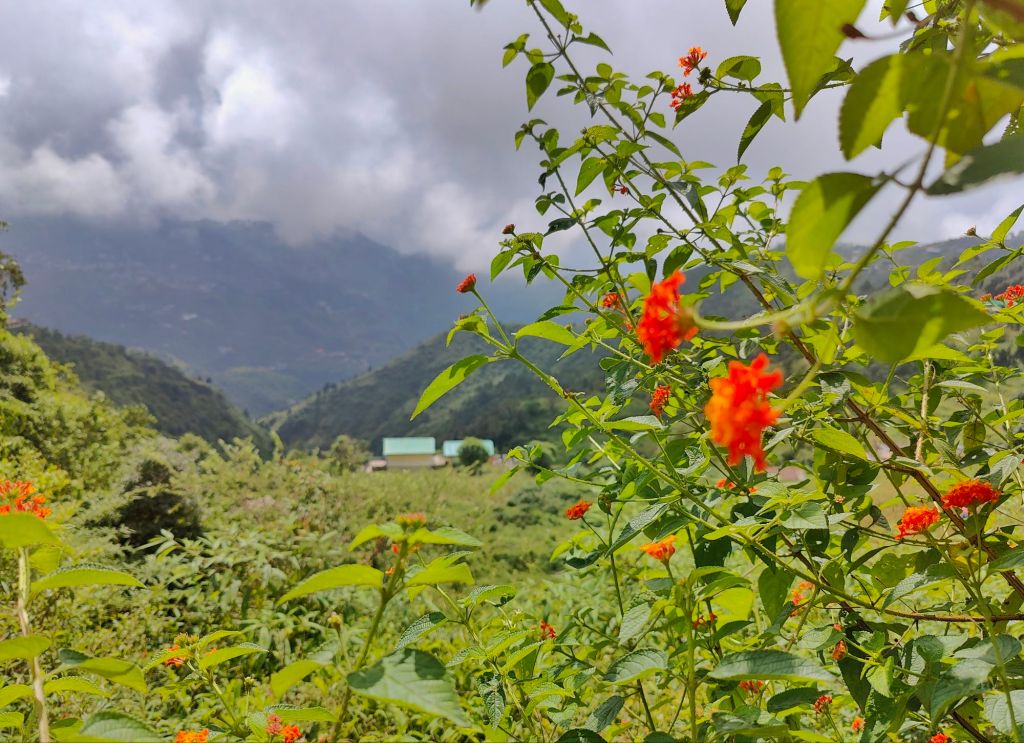
Phenology is the study of the seasonal changes in plants, animals, and the environment. It’s a great way to teach kids about the natural world around them. Here are some fun phenology-based activities for kids:
1. Nature Scavenger Hunt – Create a list of seasonal items for kids to find such as acorns, leaves, and flowers. This will help them learn about the different plants and animals that are present during different seasons.
2. Plant a Garden – Planting a garden is a great way for kids to learn about phenology. They can watch as the seeds grow into plants and observe the changes in their growth throughout the different seasons.
3. Bird Watching – Kids can learn about bird migration patterns and how different birds come and go during different seasons. This can be a fun activity to do with binoculars and a bird guidebook.
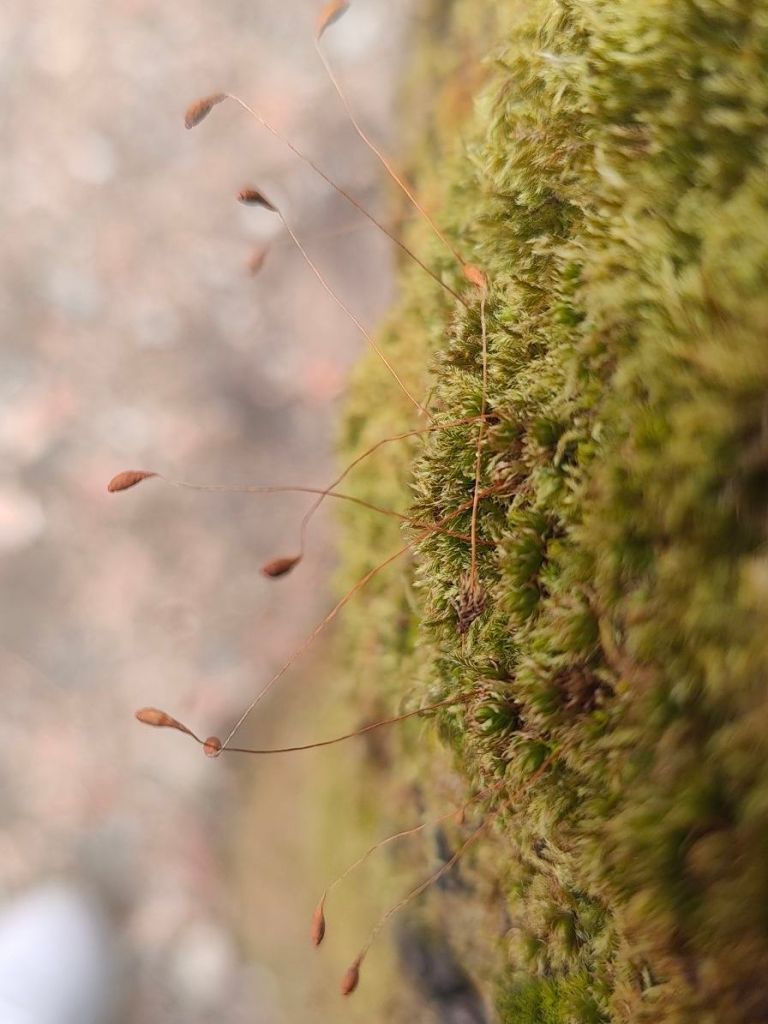
4. Nature Journaling – Encourage kids to keep a nature journal where they can draw pictures and write down their observations about the natural world around them. This will help them develop their observation skills and learn about phenology.
5. Weather Tracking – Kids can track the weather each day and observe how it changes throughout the different seasons. This can be a great way to teach them about the different weather patterns that occur during different times of the year.
By engaging in these phenology-based activities, kids can learn about the natural world around them and develop a greater appreciation for the environment. It’s a fun and educational way to explore nature-based learning opportunities and encourage kids to get outside and explore.
9. Research opportunities with phenology
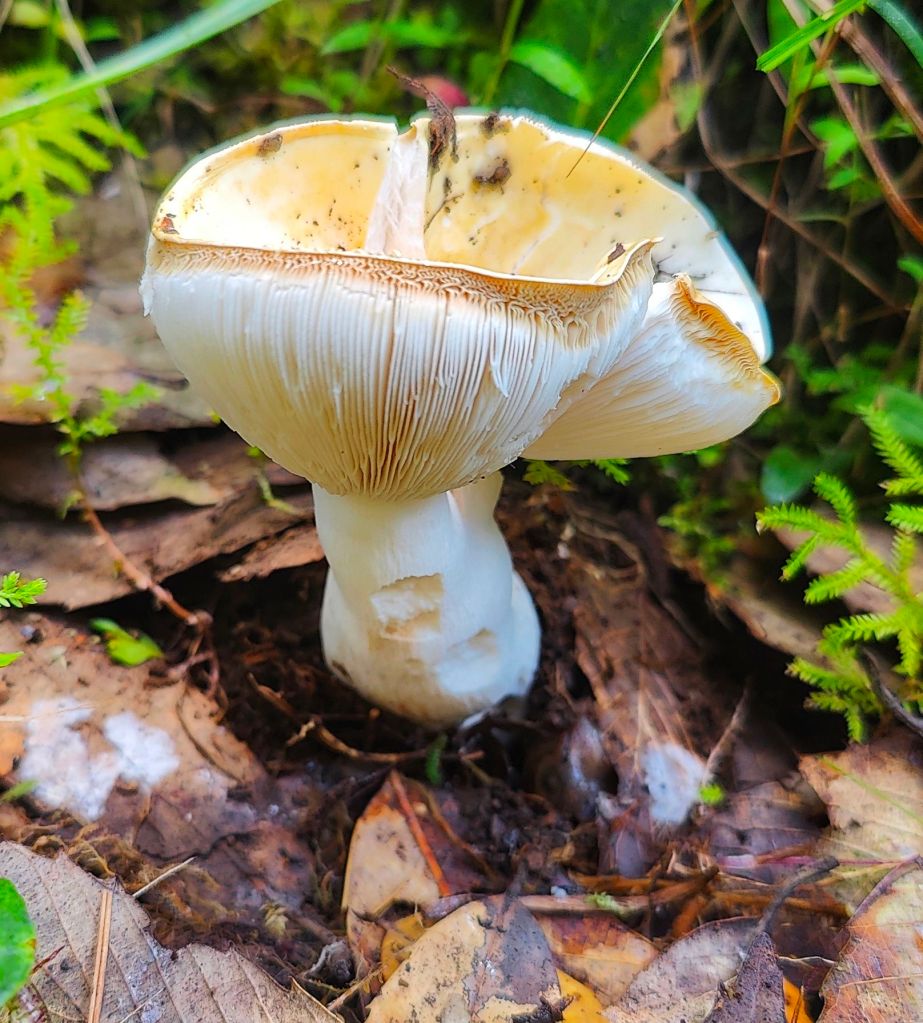
Phenology is a fascinating science that studies the relationships between plants and animals and the changing seasons. It’s a great way to teach kids about nature and the environment while also providing them with opportunities for hands-on learning and exploration.
If you’re interested in incorporating phenology into your child’s education or homeschooling curriculum, there are many resources available to help you get started. One great place to start is by researching local phenology groups or organizations in your area. These groups often organize events and activities that are perfect for kids and families, such as nature walks, bird watching, and species identification.
You can also look for books, websites, and other resources that focus on phenology for kids. These resources can help you and your child learn about the different stages of plant and animal life cycles, as well as how climate change and other environmental factors can impact these cycles.
By exploring the world of phenology with your child, you can help them develop a deeper appreciation for the natural world and the importance of conservation and environmental stewardship. Plus, it’s a fun and engaging way to spend time together and learn about the world around us.
10. Resources for phenology-based learning for kids
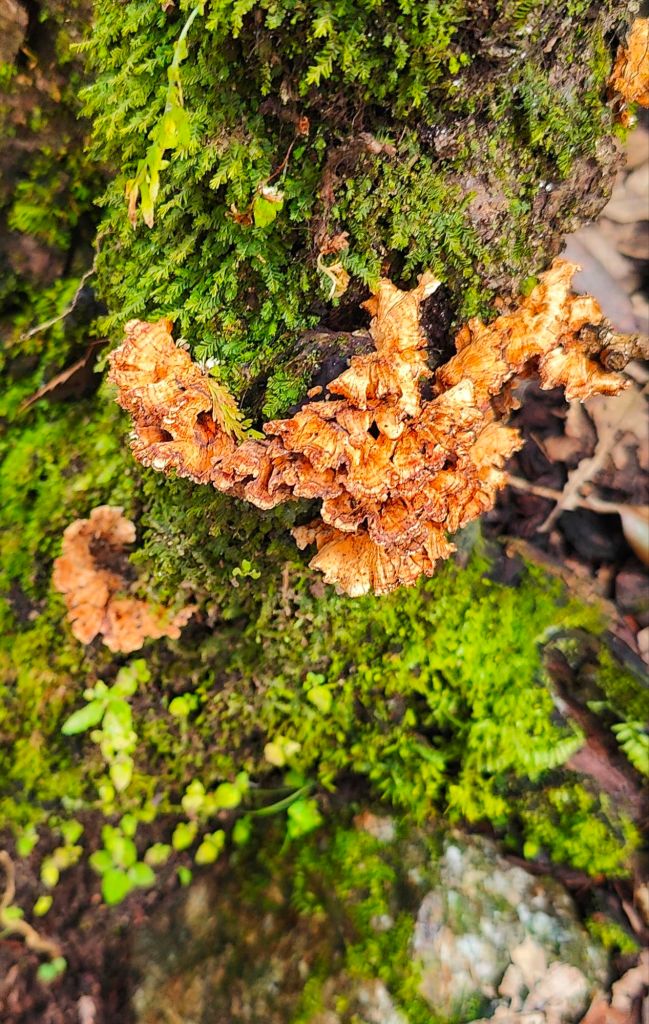
Phenology-based learning can be a great way to introduce kids to the wonders of nature and the changing seasons. There are many resources available to help parents and educators incorporate phenology into their lessons and activities.
One great resource is the National Phenology Network’s Education Program, which provides lesson plans, activities, and resources for educators and parents to use with kids. The program offers a range of tools and resources for exploring phenology, including citizen science projects, classroom activities, and field studies.
Another great resource is the Phenology Wheel, a visual tool that helps kids track seasonal changes and learn about the natural world. The wheel can be used to document changes in plants, animals, and the weather, and can be customized to fit any region or climate.
In addition to these resources, there are many books, websites, and other materials available to help kids learn about phenology and the natural world. By incorporating phenology into their learning, kids can develop a deeper appreciation for nature and the environment, while also building important skills in observation and critical thinking.
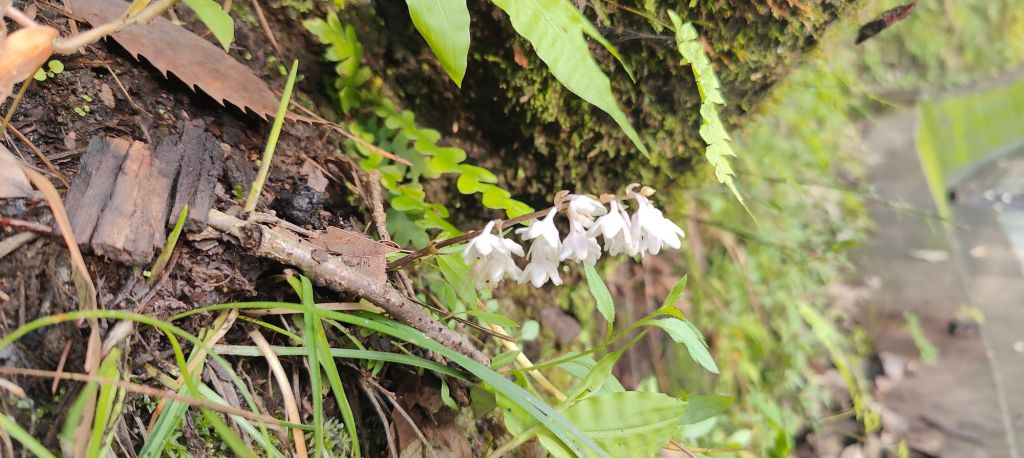
We hope you enjoyed our article about phenology for kids. It is important for children to explore and learn about the natural world around them. Phenology is a great way to introduce your child to this concept and encourage them to observe and record changes in nature. By incorporating this practice into your child’s routine, you can help promote a deeper understanding and appreciation of the environment. We encourage you to go outside and explore with your child today!

Thank you!
 Dr. Chandrima Debi's Blog