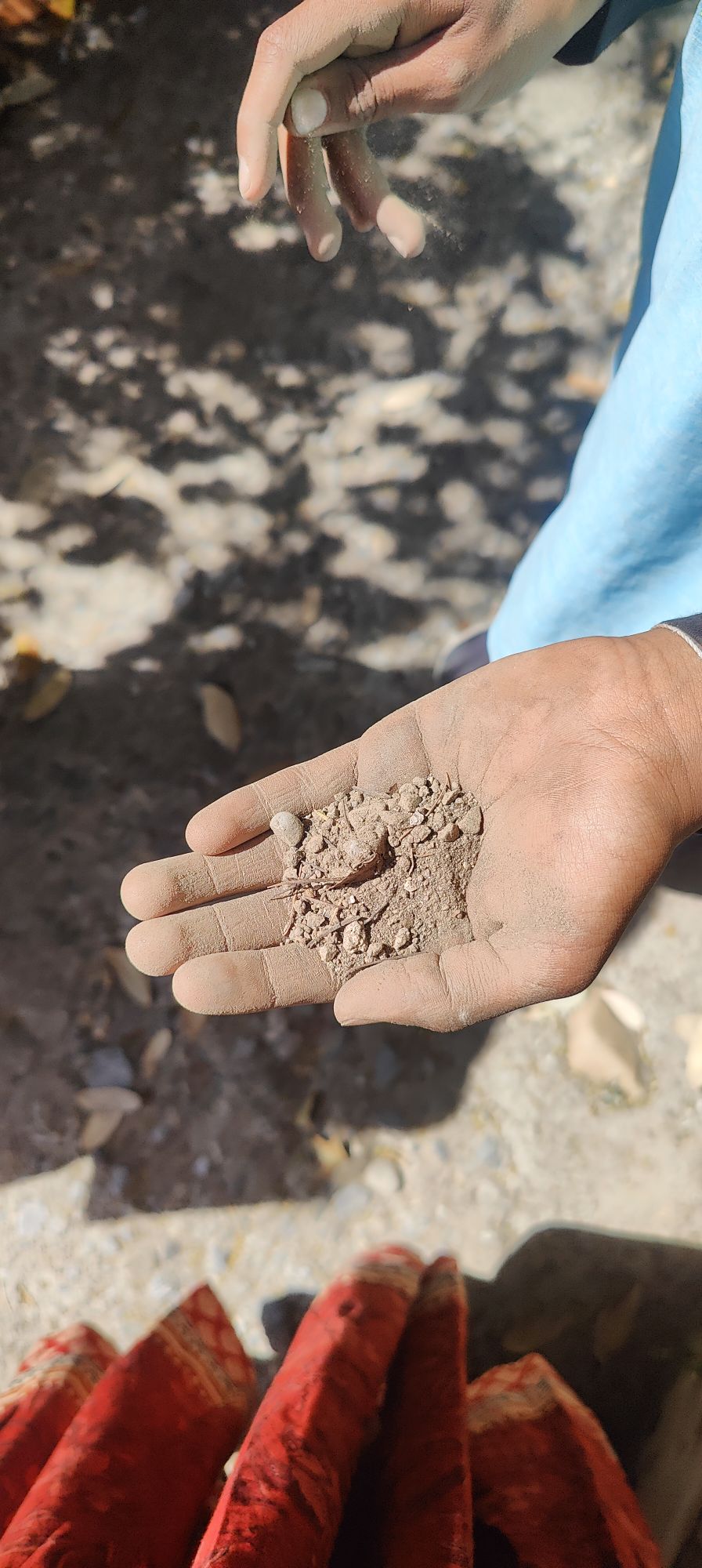
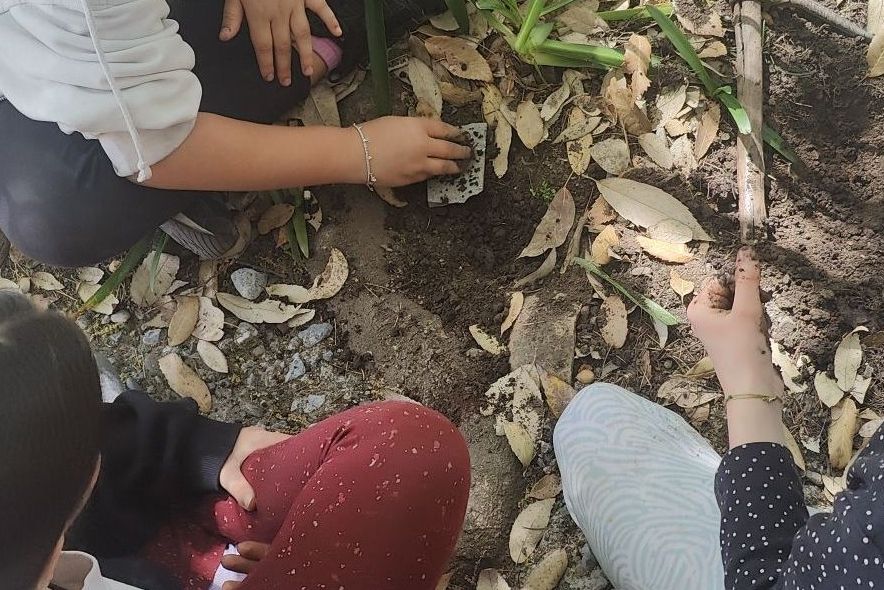
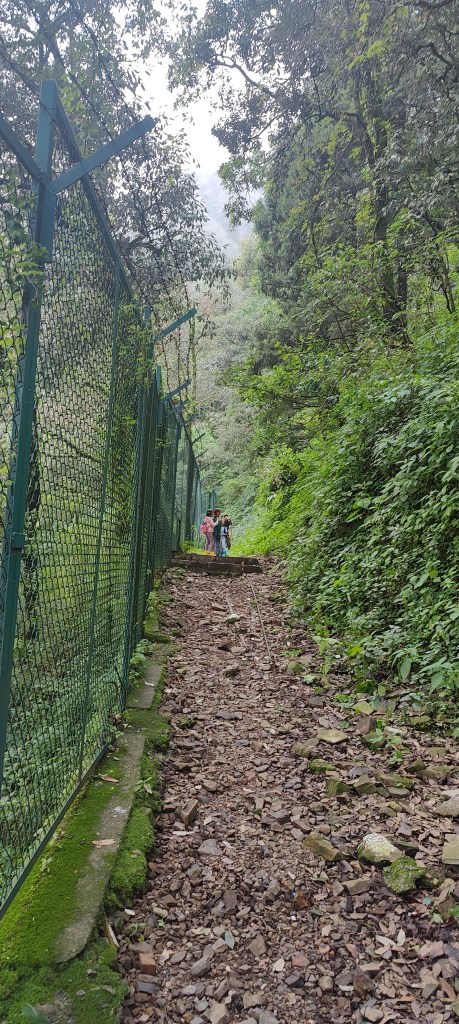
Engaging young students in hands-on STEM activities is a powerful way to spark curiosity and deepen understanding of the natural world. I often conduct Outdoor education science lessons where students get real world experience of what they learn in the classroom. This helps them to analyse the fundamentals of science learning which happens in the classroom and connects to the real world. Students get the feeling of things in the natural outcrops by using the five senses. In one instance, while we were learning about States of matter, we engaged in one exciting and educational outdoor experiment in Grade 4 and 5 classrooms exploring soil texture using the Food and Agriculture Organization’s (FAO) Ribbon Test. This simple yet effective method allows students to get their hands dirty while learning about the vital role soil plays in our environment. By feeling and observing soil samples firsthand, children develop critical thinking skills and a scientific mindset as they classify soil types and understand their impact on plant growth and ecosystems. In this blog post, we’ll dive into how the FAO Ribbon Test can transform outdoor learning experiences and inspire a new generation of young scientists.
1. Introduction to Soil Texture and Its Importance
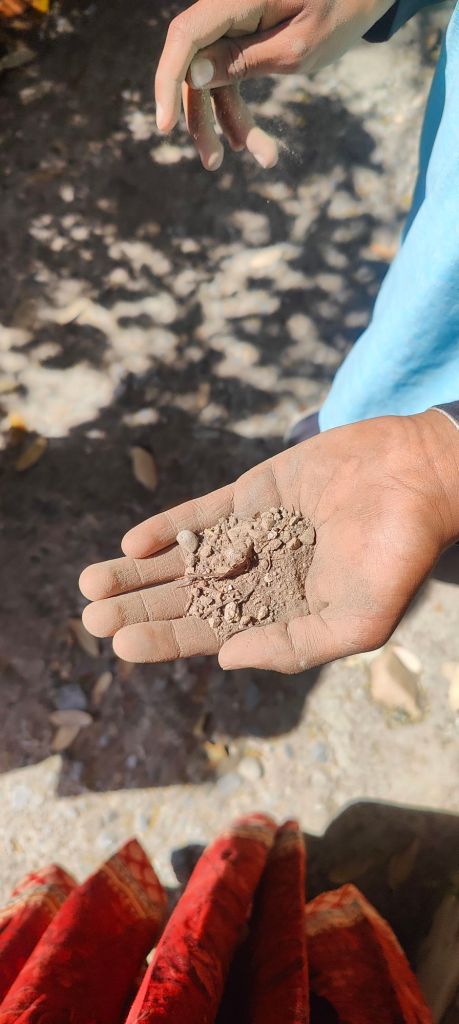
Understanding soil texture is a fundamental step in exploring the natural world, especially for young learners. Soil texture refers to the relative proportions of sand, silt, and clay particles in the soil. These tiny particles determine how soil feels, how well it holds water and nutrients, and ultimately how plants grow. By learning about soil texture, students gain insight into the critical role soil plays in agriculture, gardening, and environmental health. This knowledge not only connects them to the earth beneath their feet but also introduces key scientific concepts related to earth science, chemistry, and biology. Through hands-on activities like the FAO Ribbon Test, students can visually and tactilely experience soil properties, making STEM learning engaging and memorable. This introduction sets the stage for an exciting outdoor exploration where curiosity meets scientific inquiry.
2. What is the FAO Ribbon Test?
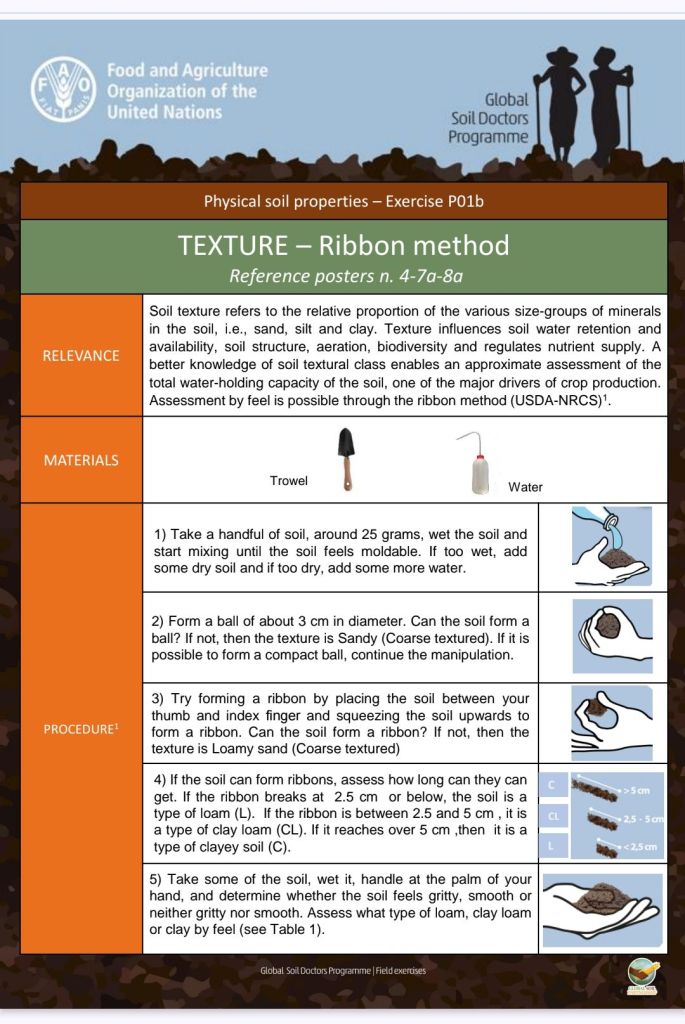
The FAO Ribbon Test is a simple, hands-on method used to determine the texture of soil by feeling and manipulating it with your hands. Developed by the Food and Agriculture Organization (FAO), this test helps students and scientists classify soil based on the proportions of sand, silt, and clay it contains. By moistening a small amount of soil and pressing it between the thumb and forefinger, students try to form a ribbon — a thin strip of soil that extends from their fingers without breaking. The length and feel of this ribbon provide clues about the soil’s texture: a longer, smooth ribbon indicates higher clay content, while a short or crumbly ribbon suggests sandy soil. This tactile approach allows students to engage directly with their environment, making STEM learning interactive and fun while gaining a deeper understanding of soil science.
3. Preparing for the Outdoor Soil Exploration
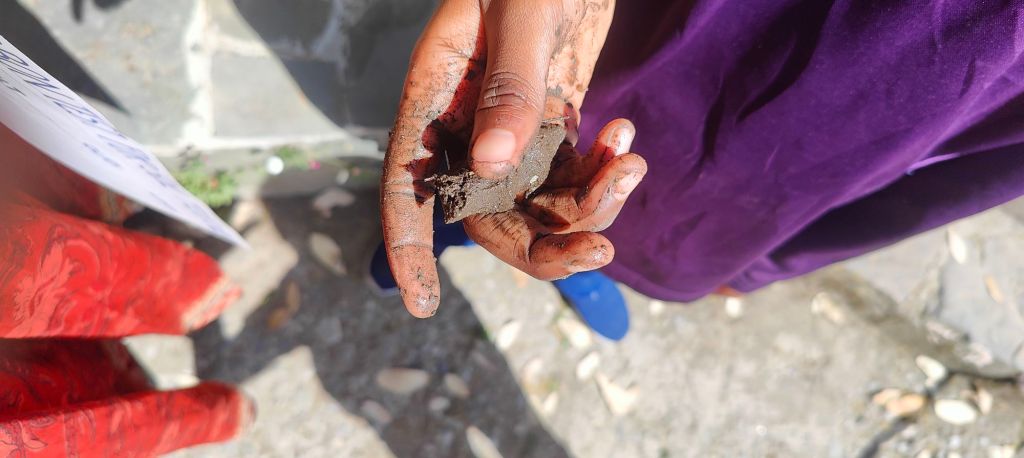
Before heading outdoors for the soil exploration activity, it’s essential to prepare both the students and the materials to ensure a smooth and engaging learning experience. Start by reviewing the objectives of the FAO Ribbon Test with the students, explaining how soil texture affects plant growth, water retention, and land use. Provide each student with a simple soil testing kit that includes tools like a soil scoop, plastic sample containers, water, and a clean surface for kneading the soil.
Make sure the students are dressed appropriately for outdoor activities—comfortable clothes, sturdy shoes, and hats for sun protection. It’s also helpful to assign small groups to encourage teamwork and make the hands-on experience more manageable and interactive.
Before collecting soil samples, remind students about safety measures, such as washing hands after handling soil and avoiding areas that may be contaminated. Prepare a worksheet or observation log where students can record their findings, including descriptions of soil texture, the length of the soil ribbon formed during the test, and any other notable characteristics.
By carefully preparing the students and materials ahead of time, you set the stage for a fun, educational outdoor activity that brings STEM concepts to life through direct interaction with the environment.
4. Materials Needed for the FAO Ribbon Test
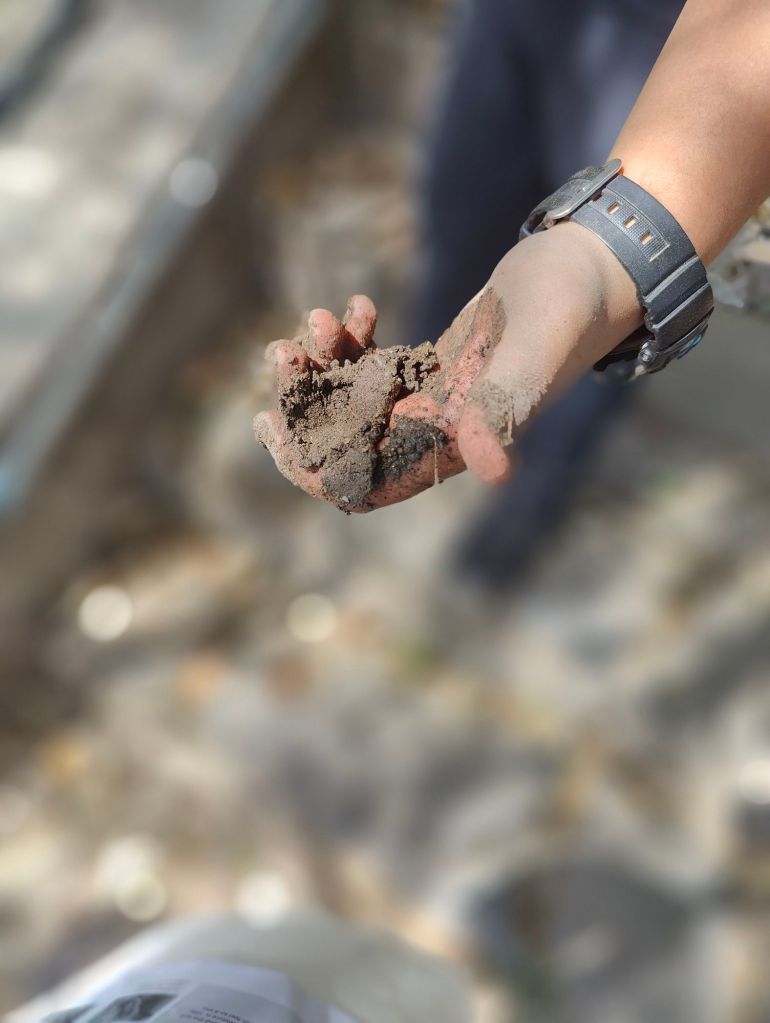
To successfully conduct the FAO Ribbon Test and explore soil texture outdoors, students will need a few simple materials that are easy to gather and use. First and foremost, each student or group will need a small sample of soil collected from the outdoor area where the exploration is taking place. This soil should be free of large debris like sticks, stones, or leaves to ensure accurate testing.
In addition to the soil samples, students will need clean water to moisten the soil, making it easier to form ribbons during the test. A small container or cup can be helpful for mixing the soil and water together. Additionally, having a plastic spoon or a small trowel will make it easier to handle and mix the soil samples.
Finally, to record observations and results, students should have a notebook or worksheet and a pencil. This allows them to note the length of the soil ribbon and classify the soil texture based on the FAO Ribbon Test criteria. Optional materials such as gloves can be used for cleanliness, but they are not essential.
By preparing these basic materials, students will be ready to engage hands-on with STEM learning as they investigate soil textures in their natural environment.
5. Step-by-Step Guide: Performing the Ribbon Test
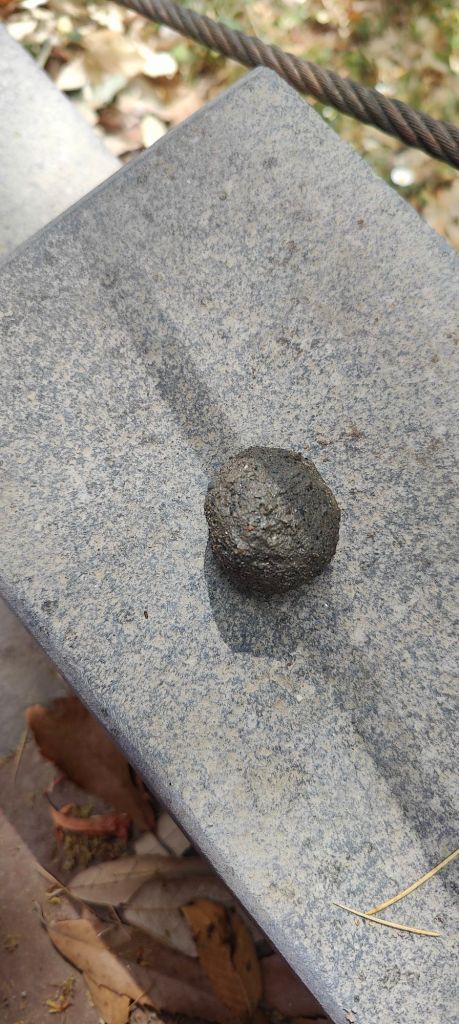
Performing the ribbon test is a simple yet effective way for students to explore soil texture firsthand and deepen their understanding of STEM concepts in an engaging outdoor activity. Here’s a step-by-step guide to help educators and students carry out the FAO ribbon test safely and accurately:
Step 1: Collect a Soil Sample
Begin by gathering a small amount of soil from the outdoor area, ideally from the topsoil layer where roots are active. Use a clean hand trowel or scoop to collect approximately a handful of soil. Make sure the soil is free from large debris like stones, roots, or leaves.
Step 2: Moisten the Soil
Place the soil sample in your hand and gradually add water, a little at a time, until the soil feels like soft clay but not too sticky or wet. The goal is to have a workable consistency that can be molded easily.
Step 3: Form a Ball
Roll the moistened soil between your palms to form a smooth ball about the size of a walnut. This helps to create a uniform texture for the test.
Step 4: Create a Ribbon
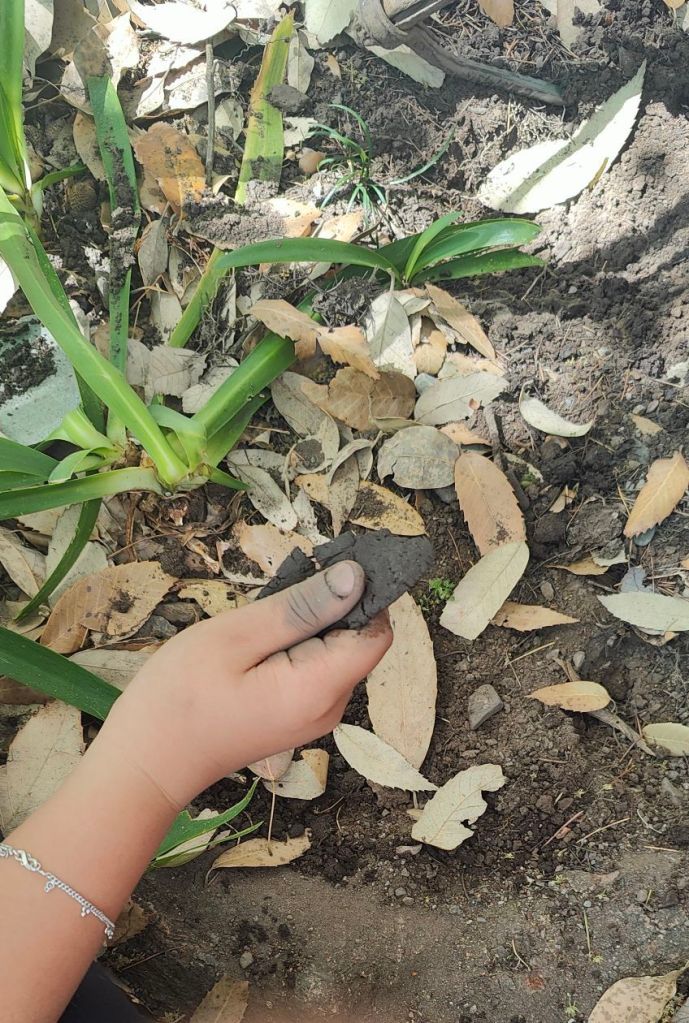
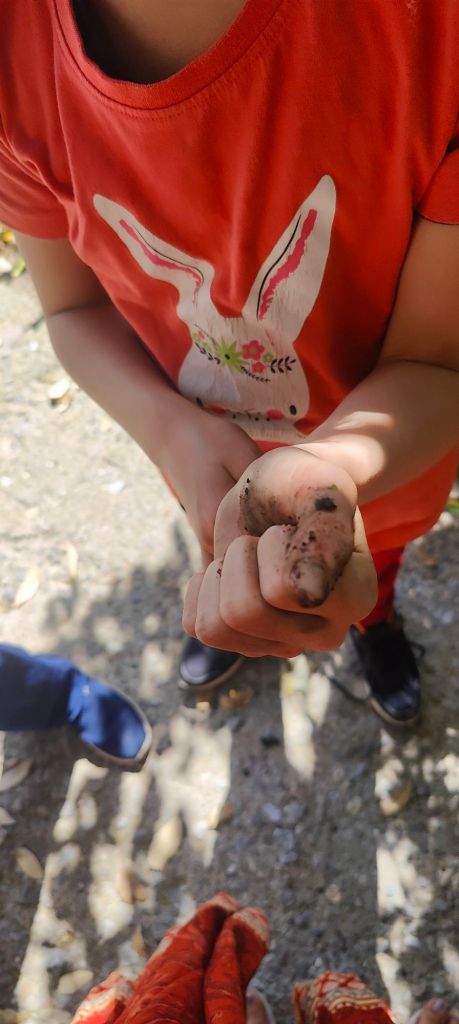
Press the ball of soil between your thumb and forefinger and gently squeeze to form a thin “ribbon” or strip of soil. Try to make the ribbon as long as possible without breaking it. The length and feel of this ribbon will give clues about the soil texture.
Step 5: Measure the Ribbon Length
Note how far the ribbon extends before it breaks. For example, a long, flexible ribbon (over 5 centimeters) typically indicates a high clay content, while a short or crumbly ribbon suggests sandy soil. Silty soils will feel smooth and may form moderate ribbons.
Step 6: Record Observations
Encourage students to write down their observations, including the ribbon length, soil feel (gritty, smooth, sticky), and any other notable characteristics. This data can help them classify the soil texture and understand how it affects plant growth and water retention.
By following these steps, students not only learn about soil properties but also practice scientific observation, measurement, and critical thinking—key components of STEM education. The ribbon test turns an everyday material—soil—into a fascinating gateway for inquiry and discovery right in the schoolyard.
6. Observing and Identifying Different Soil Textures
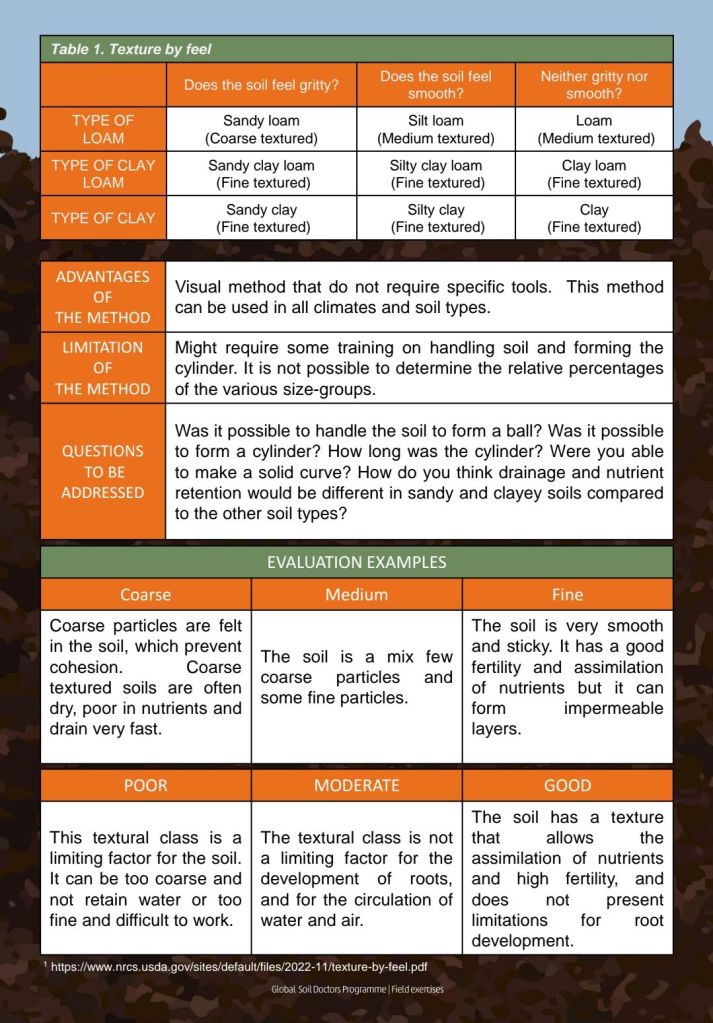
One of the most exciting parts of exploring soil texture outdoors is getting hands-on experience with real soil samples. In this activity, students use the FAO Ribbon Test, a simple yet effective method developed by the Food and Agriculture Organization, to observe and identify different soil textures. By moistening a small amount of soil and rolling it between their fingers to form a ribbon, students can feel the soil’s consistency and determine if it’s sandy, loamy, or clayey.
This tactile approach not only makes learning fun but also helps students understand important concepts about soil properties. For example, sandy soils feel gritty and don’t hold together well, while clay soils are sticky and can be molded into longer ribbons. Loamy soils, which are a balanced mixture, feel smooth and pliable. Through this hands-on investigation, students sharpen their observation skills, practice scientific inquiry, and connect classroom STEM concepts with the natural world around them. This process fosters curiosity and encourages young learners to appreciate the vital role soil plays in supporting plant growth and ecosystems.
7. How Soil Texture Affects Plant Growth and the Environment
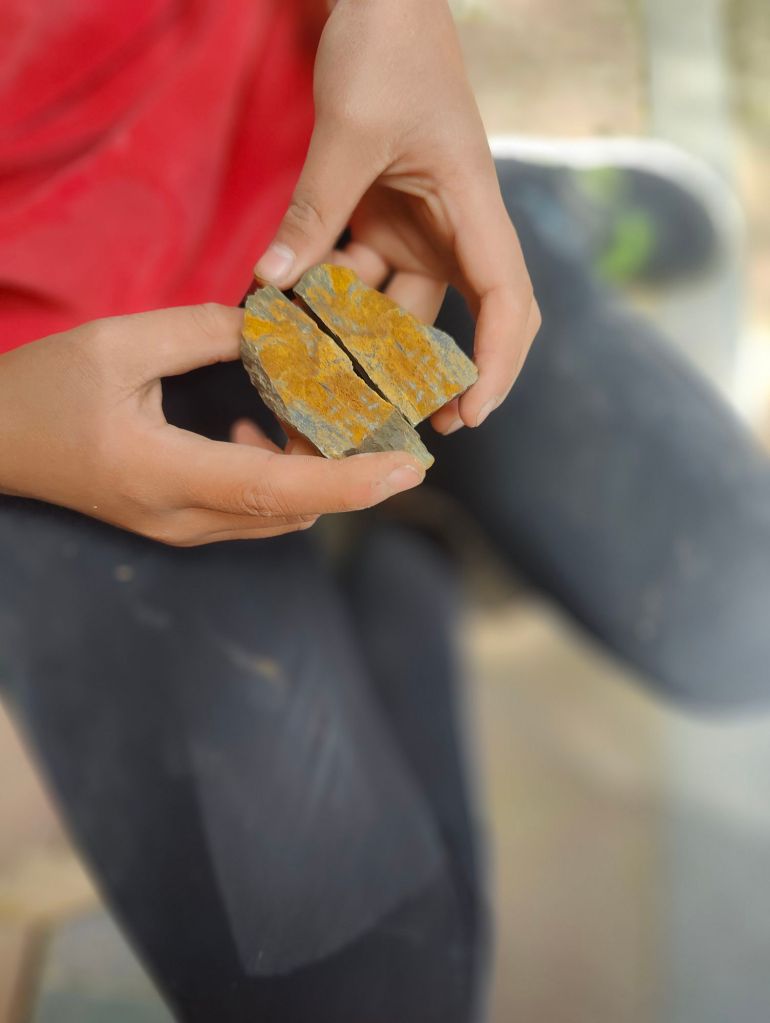
Understanding soil texture is essential for grasping how plants grow and how ecosystems function. Soil texture—the proportion of sand, silt, and clay particles—directly influences water retention, nutrient availability, and air circulation within the soil. For instance, sandy soils drain water quickly but don’t hold nutrients well, making it challenging for some plants to thrive. On the other hand, clay soils retain water and nutrients but can become compacted, limiting root growth and oxygen supply. Loamy soils, which are balanced mixtures of sand, silt, and clay, often provide the most favorable conditions for plant health.
In outdoor STEM activities like the FAO Ribbon Test, Grade 4 and 5 students get hands-on experience observing these differences firsthand. As they manipulate various soil samples, they see how texture affects water movement and root penetration, helping them connect scientific concepts to real-world environmental impacts. By learning about soil texture, students gain a deeper appreciation for how healthy soil supports plant growth, affects local ecosystems, and plays a vital role in agriculture and gardening. This foundational knowledge encourages young learners to think critically about soil conservation and sustainable environmental practices.
8. Integrating STEM Concepts: Science, Technology, Engineering, and Math
Integrating STEM concepts into outdoor learning activities not only engages students but also helps them see the real-world applications of what they learn in the classroom. The FAO Ribbon Test is an excellent hands-on experiment that brings together science, technology, engineering, and math in a fun and interactive way.
Through this activity, students explore soil texture by feeling and manipulating soil samples, which deepens their understanding of soil composition and classification—a core science concept. They use observational skills and critical thinking to differentiate between sand, silt, and clay, connecting these observations to broader environmental and agricultural topics.
Technology and engineering come into play as students learn how soil texture affects water retention and drainage, which are critical factors in designing effective irrigation systems and sustainable land management practices. They may even experiment with simple tools or models to simulate how soil type influences plant growth and construction.
Mathematics is woven throughout the process as students measure soil moisture, calculate percentages of different soil particles, and record data systematically. These quantitative skills enhance their ability to analyze results and draw conclusions based on evidence.
By integrating STEM disciplines through the FAO Ribbon Test, students gain a holistic understanding of soil science while developing problem-solving abilities, teamwork, and a curiosity-driven mindset—key traits that prepare them for future academic and career success. This multidisciplinary approach makes learning meaningful and encourages young learners to appreciate the interconnectedness of the world around them.
9. Engaging Grade 4 and 5 Students in Hands-On Learning
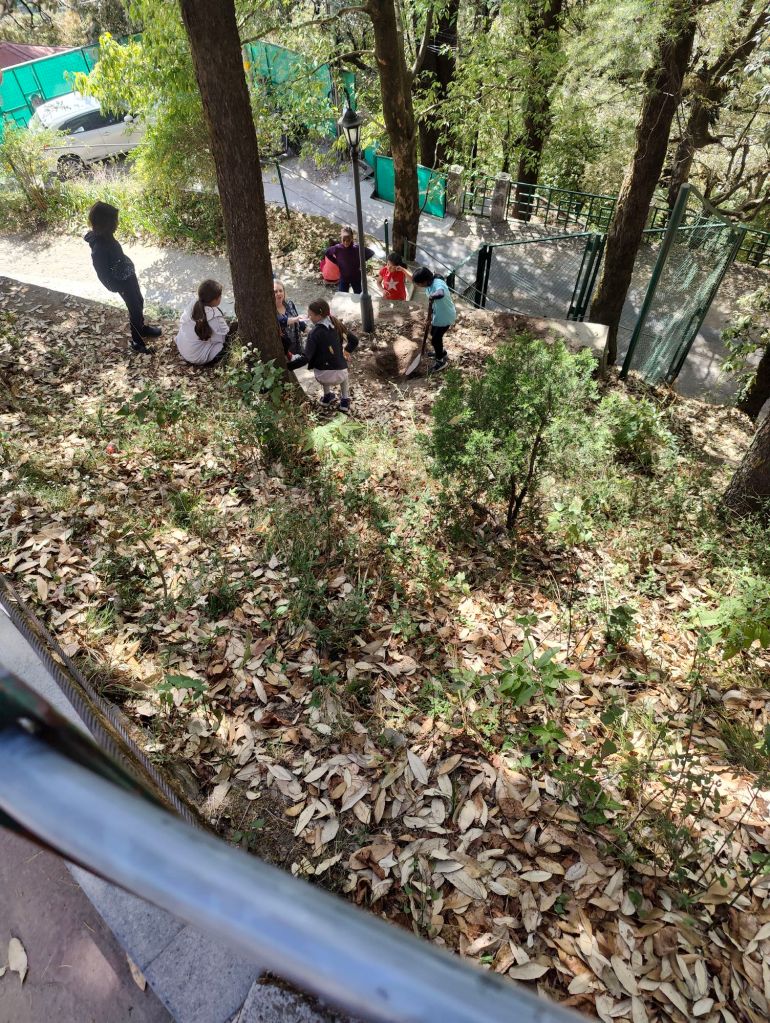
One of the most effective ways to spark curiosity and deepen understanding in young learners is through hands-on activities that connect classroom lessons with real-world experiences. In our exploration of soil texture, Grade 4 and 5 students enthusiastically participated in the FAO Ribbon Test—a simple, tactile method used by scientists around the world to classify soil types based on their composition and feel. By kneading small samples of soil and attempting to form ribbons of varying lengths, students could directly observe the differences between sandy, silty, and clayey soils. This interactive approach not only made abstract scientific concepts tangible but also encouraged critical thinking and observational skills. As students compared their results and discussed how soil texture affects plant growth and water retention, they developed a deeper appreciation for the natural environment and the role of soil in sustaining ecosystems. Engaging young minds with hands-on STEM activities like the FAO Ribbon Test fosters enthusiasm for science and lays a strong foundation for future learning.
10. Real-World Applications of Soil Texture Knowledge
Understanding soil texture is more than just a classroom activity—it has meaningful, real-world applications that impact agriculture, environmental science, and even everyday gardening. By learning how to perform the FAO Ribbon Test, Grade 4 and 5 students gain hands-on experience that connects their STEM lessons to practical situations they might encounter in their communities. For instance, knowing whether soil is sandy, loamy, or clayey helps farmers decide which crops will thrive best and how to manage irrigation efficiently. It also informs environmental scientists about water retention and soil erosion risks in different areas. Even in urban settings, this knowledge aids in creating healthy green spaces by selecting the right soil for plants and trees. By exploring soil texture outdoors, students not only develop scientific skills but also appreciate how these concepts directly influence food production, environmental health, and sustainability efforts in the world around them.
11. Challenges and Tips for Conducting Outdoor Soil Tests
Conducting outdoor soil tests like the FAO Ribbon Test offers a hands-on learning experience for Grade 4 and 5 students, but it does come with its own set of challenges. One common hurdle is the variability of soil samples. Outdoor environments can have diverse soil textures even within a small area, which may confuse students when comparing their results. Weather conditions also play a significant role; wet or overly dry soil can affect the accuracy of the ribbon test, making it difficult for students to form consistent ribbons and draw reliable conclusions.
To overcome these challenges, preparation is key. Teachers should collect multiple soil samples from different spots ahead of time to demonstrate a range of textures. Encouraging students to observe and record environmental factors such as moisture level and location helps them understand how these variables affect soil properties. It’s also helpful to provide step-by-step guidance during the test, reinforcing the importance of kneading and moistening soil properly. Lastly, fostering a collaborative environment where students share their findings and troubleshoot together can turn challenges into valuable STEM learning opportunities. With these tips, conducting outdoor soil tests becomes an engaging and educational activity that deepens students’ connection to the natural world.
12. Student Reflections and Feedback on the Activity
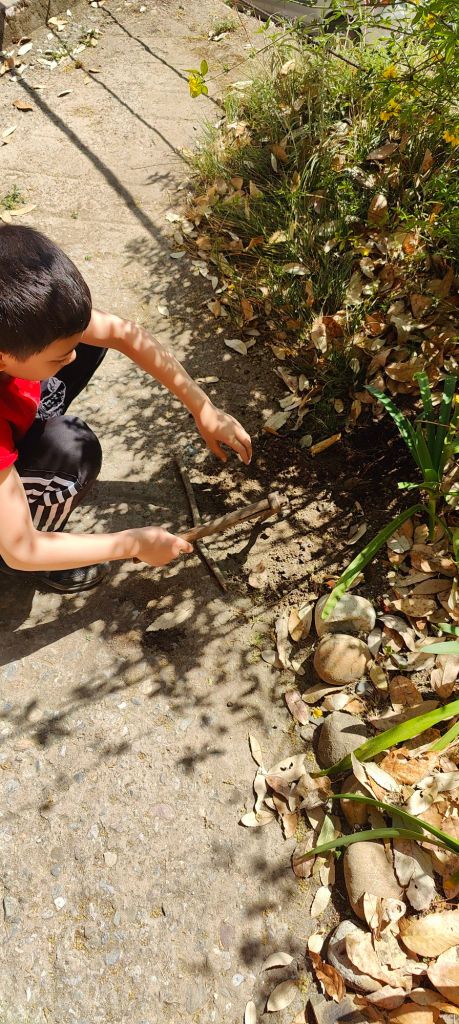
After completing the hands-on soil texture activity using the FAO Ribbon Test, students eagerly shared their reflections and feedback, revealing both their enthusiasm and newfound understanding of soil science. Many expressed excitement about getting outside the classroom and engaging directly with nature, noting that physically feeling and manipulating the soil samples made the learning experience much more tangible and memorable. Several students mentioned how surprising it was to discover the different textures—some soils were smooth and sticky, while others were gritty or crumbly—highlighting how diverse soil composition can be even within a small area.
In their feedback, students appreciated how the activity connected science concepts with real-world applications, such as understanding how soil texture affects plant growth and water retention. Many found the FAO Ribbon Test simple yet effective, and they enjoyed working in small groups to compare results and discuss their findings. This collaborative aspect not only fostered teamwork but also encouraged critical thinking as they hypothesized why certain soils behaved differently.
Overall, the reflections underscored the value of experiential STEM learning. Students expressed increased interest in environmental science and a stronger awareness of the importance of soil in ecosystems. Teachers noted that this activity boosted engagement and helped solidify abstract scientific concepts through a fun, interactive approach. The positive feedback encourages the continued use of such hands-on methods to inspire curiosity and deeper understanding among young learners.
13. Extending Learning: Related STEM Projects and Experiments
To deepen students’ understanding of soil properties and their impact on the environment, extending learning beyond the FAO Ribbon Test can be both engaging and educational. Here are several related STEM projects and experiments that Grade 4 and 5 students can explore to build on their newfound knowledge:
1. Soil Permeability Experiment:
Students can investigate how different soil textures affect water drainage. By pouring equal amounts of water through samples of sandy, silty, and clayey soils, they observe which soils allow water to pass through quickly and which retain it longer. This experiment helps illustrate concepts of permeability and water retention in soils.
2. Plant Growth Observation:
Using soils with varied textures, students can plant fast-growing seeds such as beans or radishes to see how soil type influences plant health and growth rate. This hands-on activity connects soil science with biology and emphasizes the importance of soil quality in agriculture.
3. Soil Erosion Demonstration:
Create a simple model using trays filled with different soil types placed on a slope. By gently pouring water over the soil, students can observe how soil texture affects erosion. This experiment introduces them to environmental science topics like land degradation and conservation.
4. Magnifying Soil Particles:
Provide students with magnifying glasses or microscopes to examine soil samples closely. They can identify the size, shape, and composition of soil particles, linking back to the tactile experience of the ribbon test and deepening their observational skills.
By engaging in these related STEM activities, students not only reinforce the principles learned through the FAO Ribbon Test but also develop critical thinking, observation, and scientific inquiry skills. These projects encourage curiosity about the natural world and inspire young learners to appreciate the vital role soil plays in our ecosystem.
14. Resources and References for Teachers and Students
To support teachers and students in exploring soil texture through hands-on learning, a variety of resources and references are available to enhance the STEM experience. The FAO Ribbon Test, a simple yet effective method developed by the Food and Agriculture Organization, is at the heart of this educational activity, allowing students to feel, manipulate, and classify soil samples based on texture.
15. Conclusion: The Impact of Experiential Learning in STEM Education
Experiential learning, such as the hands-on FAO Ribbon Test for exploring soil texture, has a profound impact on STEM education for grade 4 and 5 students. By engaging directly with the natural environment, students move beyond textbook theories and actively discover scientific concepts through sensory experience and observation. This immersive approach not only deepens their understanding of soil properties and ecology but also sparks curiosity and enthusiasm for science. Moreover, experiential learning cultivates critical thinking, problem-solving skills, and teamwork, as students collaborate to analyze and interpret their findings. Ultimately, incorporating activities like the FAO Ribbon Test empowers young learners to connect classroom knowledge with real-world applications, laying a strong foundation for future STEM learning and fostering a lifelong appreciation for the environment.
By engaging in the FAO Ribbon Test, Grade 4 and 5 students not only deepen their understanding of soil texture but also experience firsthand the excitement of hands-on STEM learning outdoors. This simple yet effective activity sparks curiosity, encourages critical thinking, and connects young learners to the natural world around them. As students explore, observe, and analyze, they develop valuable scientific skills that will serve as a foundation for future learning. We hope this approach inspires educators and parents alike to bring more interactive, real-world STEM experiences into the classroom and beyond, nurturing the next generation of inquisitive minds and environmental stewards
 Dr. Chandrima Debi's Blog