Exploring Soil Texture Outdoors: Learning STEM Through the FAO Ribbon Test

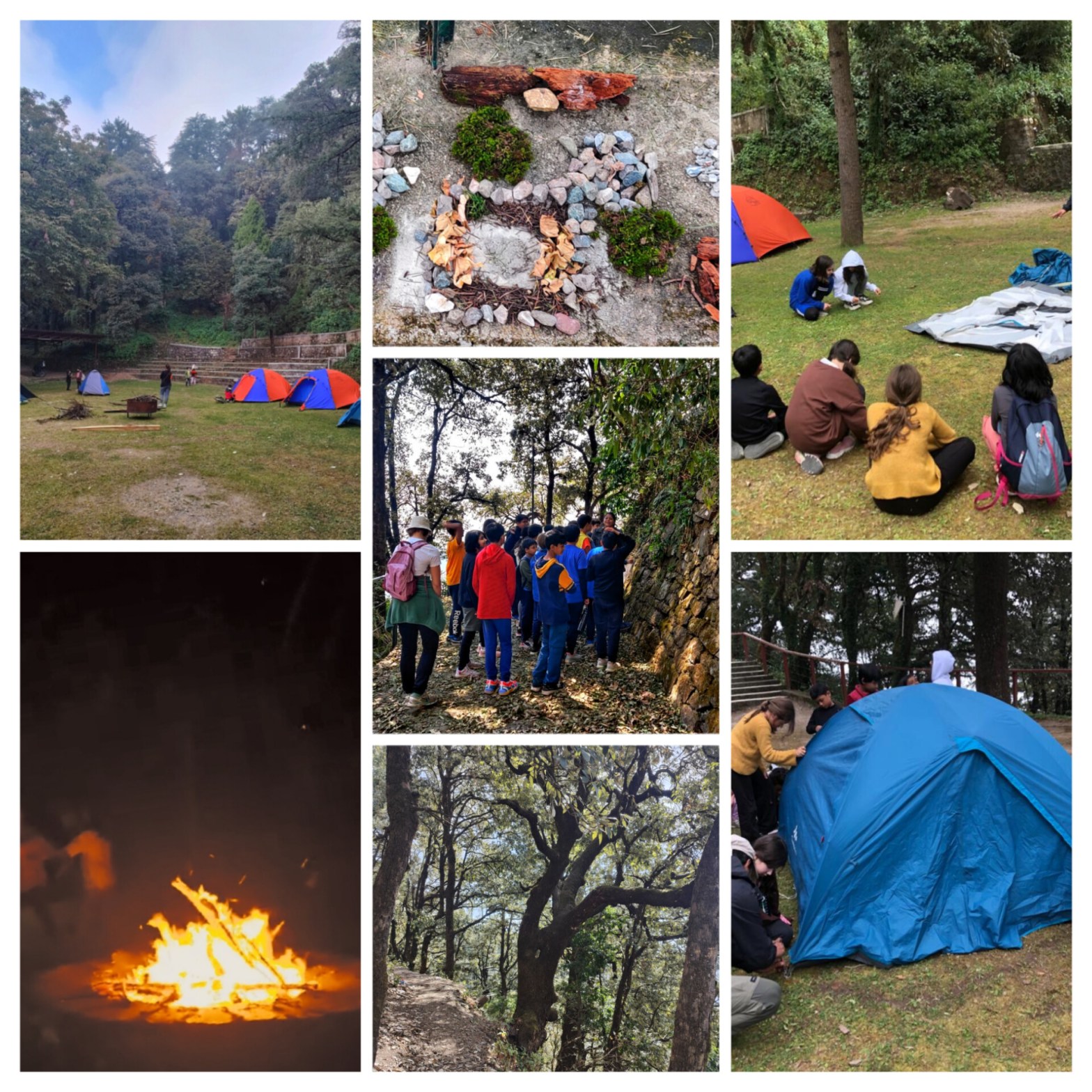
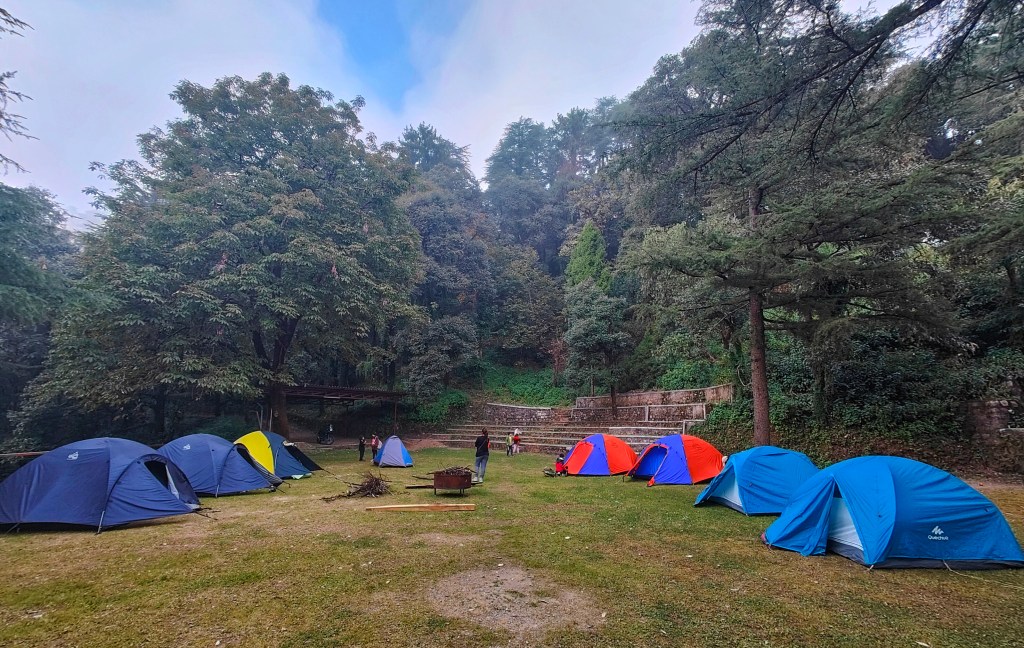
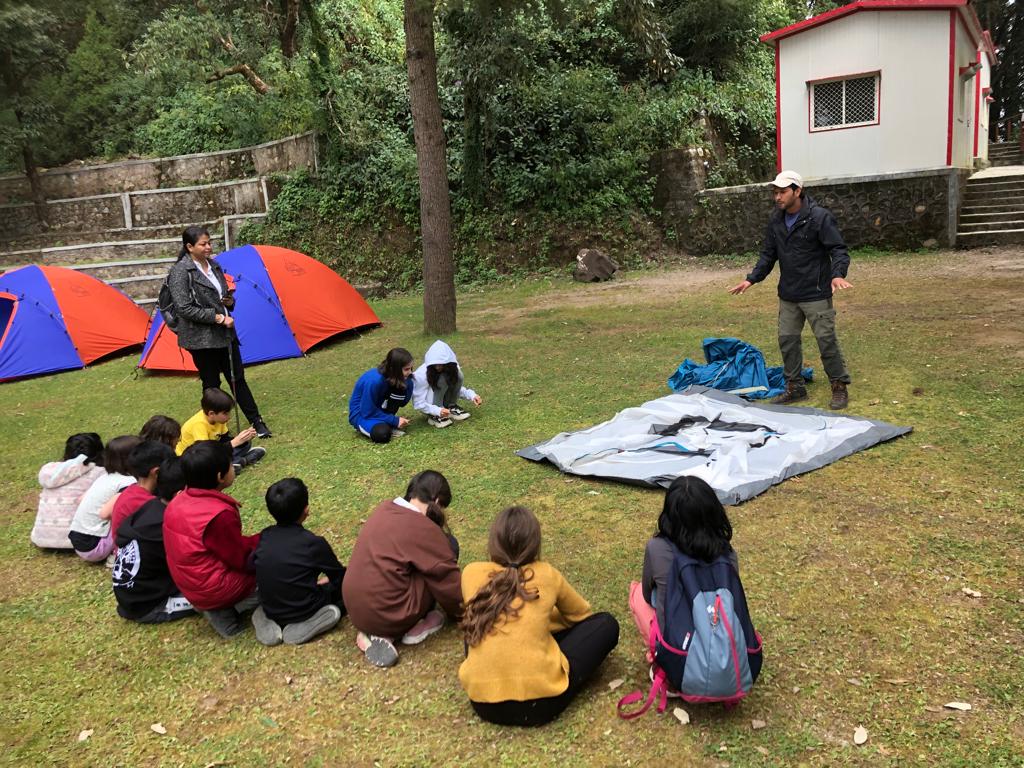
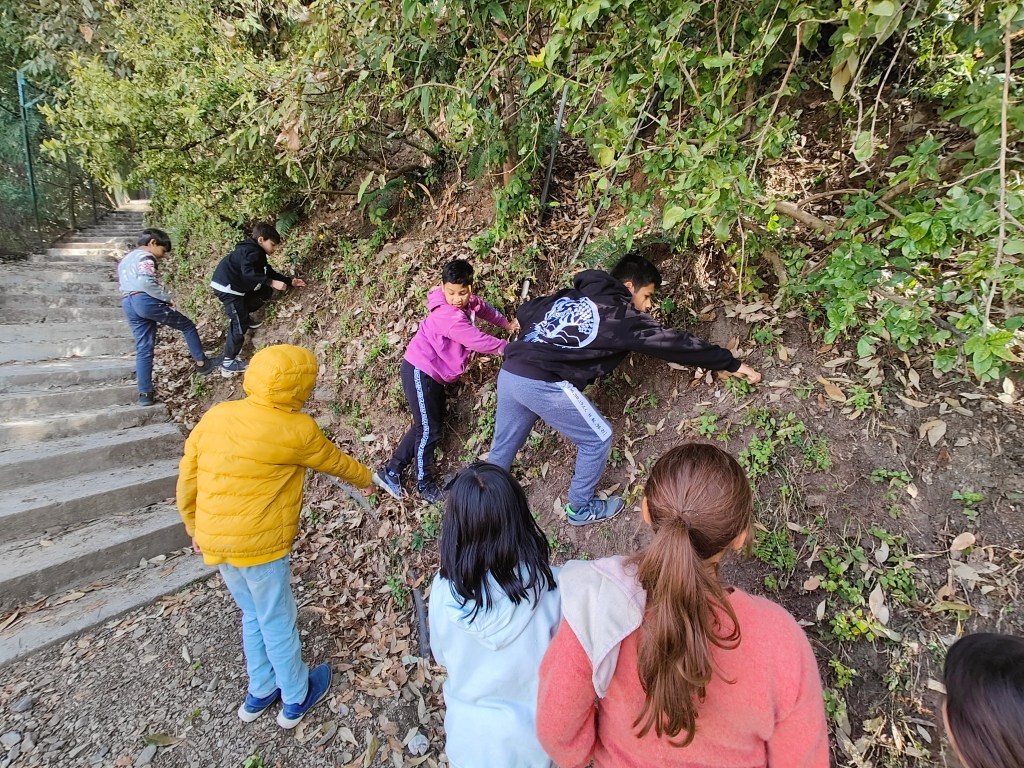
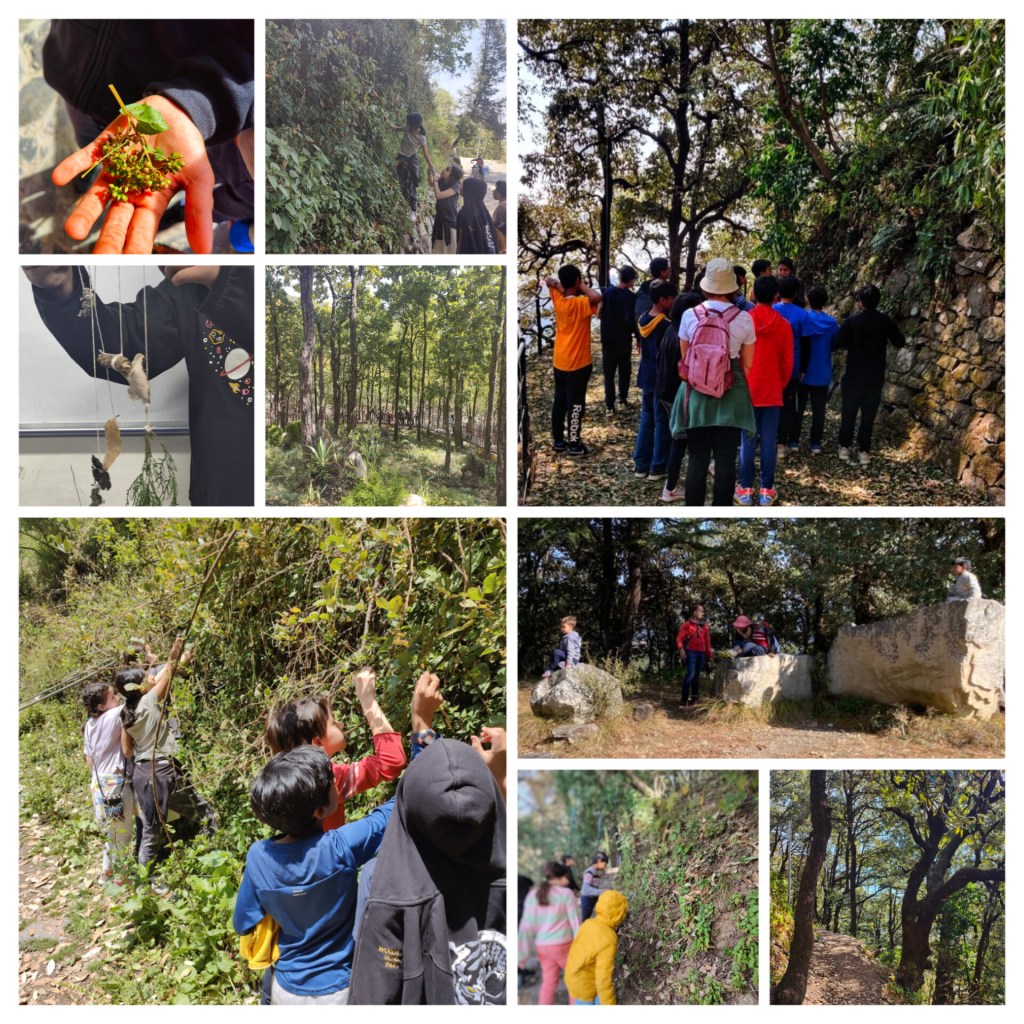
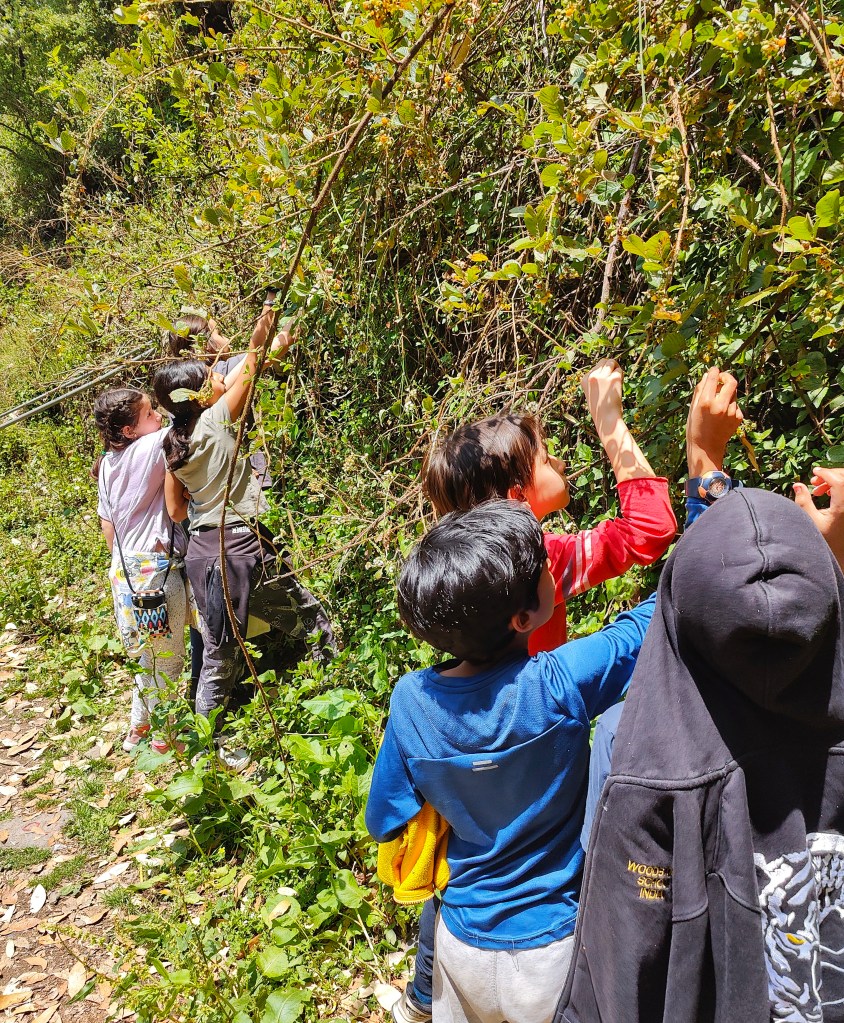
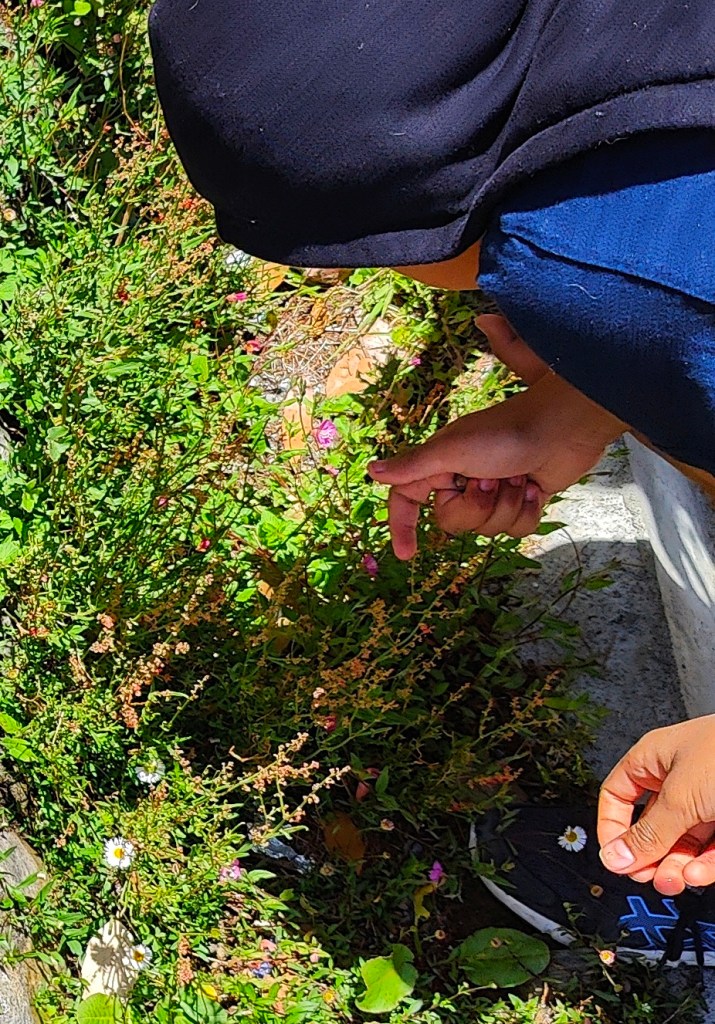
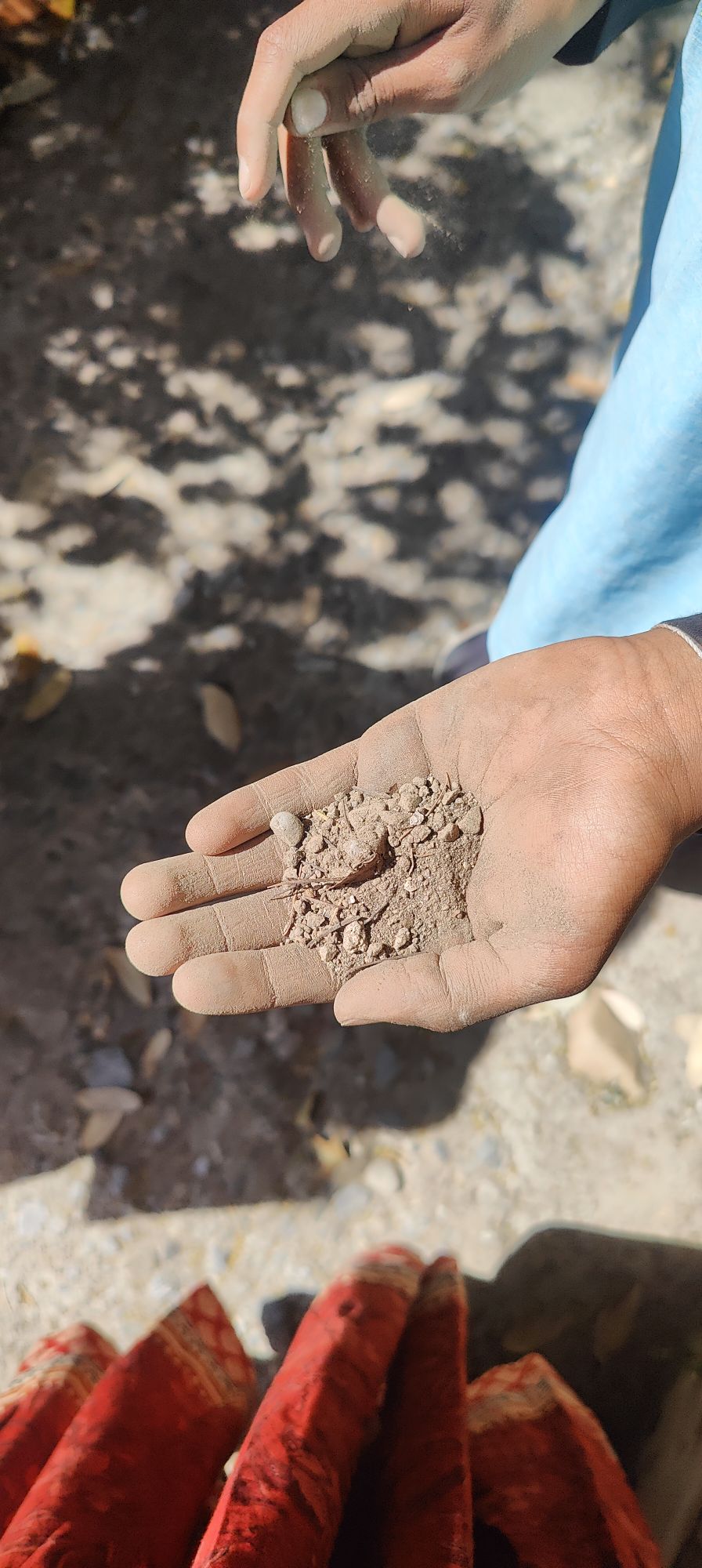
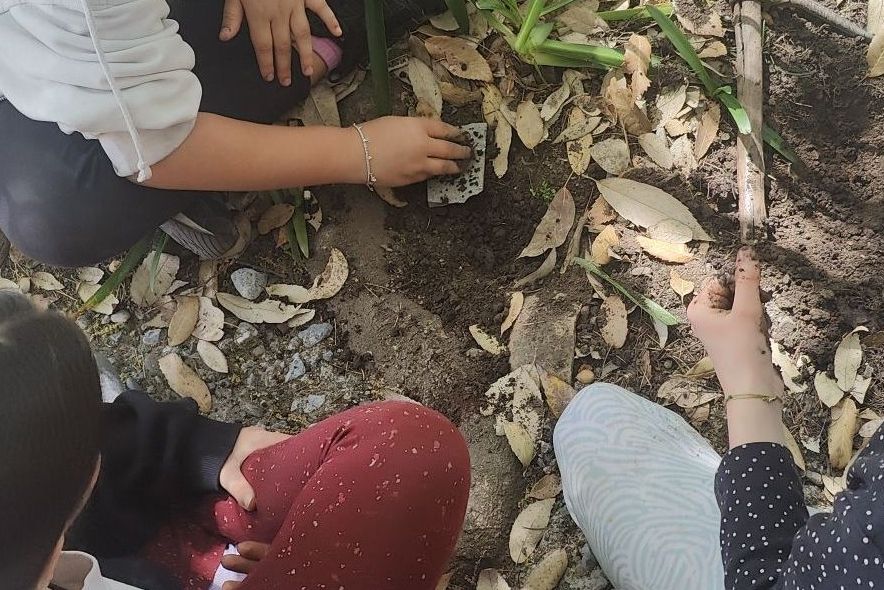
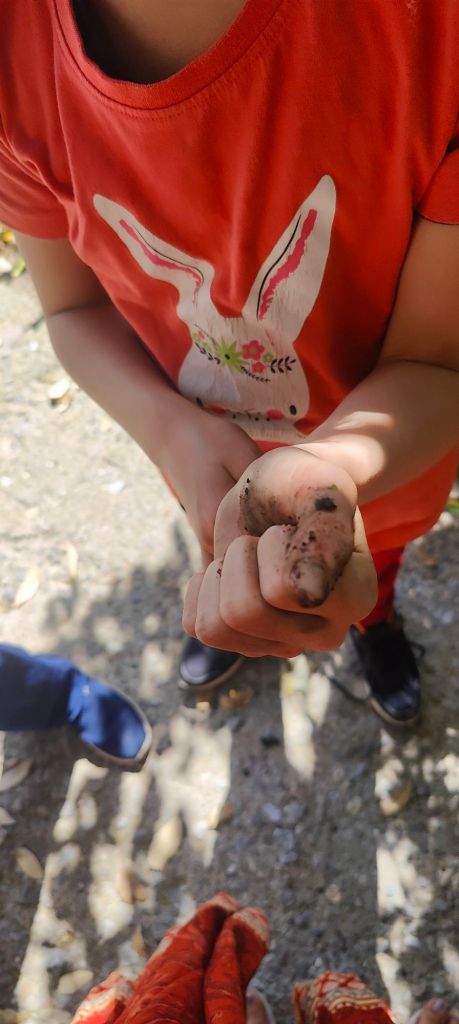
Engaging young students in hands-on STEM activities is a powerful way to spark curiosity and deepen understanding of the natural world. I often conduct Outdoor education science lessons where students get real world experience of what they learn in the classroom. This helps them to analyse the fundamentals of science learning which happens in the classroom and connects to the real world. Students get the feeling of things in the natural outcrops by using the five senses. In one instance, while we were learning about States of matter, we engaged in one exciting and educational outdoor experiment in Grade 4 and 5 classrooms exploring soil texture using the Food and Agriculture Organization’s (FAO) Ribbon Test. This simple yet effective method allows students to get their hands dirty while learning about the vital role soil plays in our environment. By feeling and observing soil samples firsthand, children develop critical thinking skills and a scientific mindset as they classify soil types and understand their impact on plant growth and ecosystems. In this blog post, we’ll dive into how the FAO Ribbon Test can transform outdoor learning experiences and inspire a new generation of young scientists.

1. Introduction to Soil Texture and Its Importance
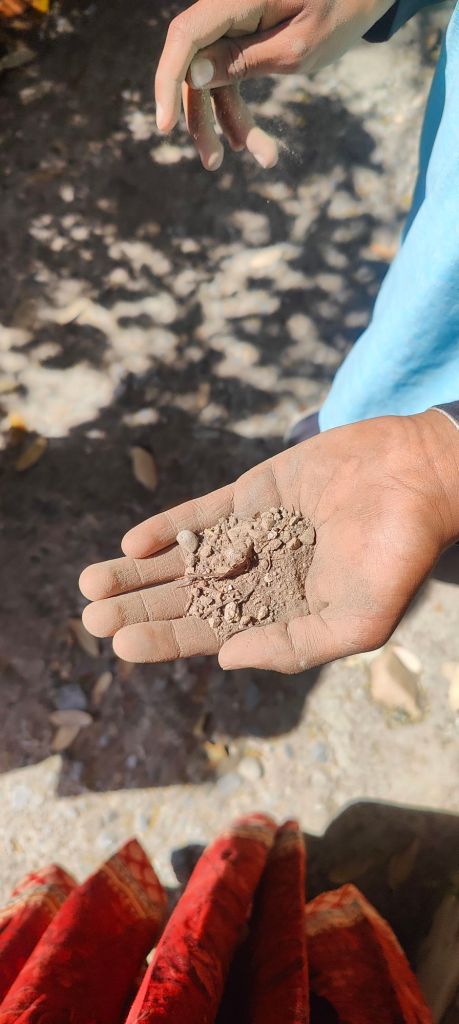
Understanding soil texture is a fundamental step in exploring the natural world, especially for young learners. Soil texture refers to the relative proportions of sand, silt, and clay particles in the soil. These tiny particles determine how soil feels, how well it holds water and nutrients, and ultimately how plants grow. By learning about soil texture, students gain insight into the critical role soil plays in agriculture, gardening, and environmental health. This knowledge not only connects them to the earth beneath their feet but also introduces key scientific concepts related to earth science, chemistry, and biology. Through hands-on activities like the FAO Ribbon Test, students can visually and tactilely experience soil properties, making STEM learning engaging and memorable. This introduction sets the stage for an exciting outdoor exploration where curiosity meets scientific inquiry.

2. What is the FAO Ribbon Test?

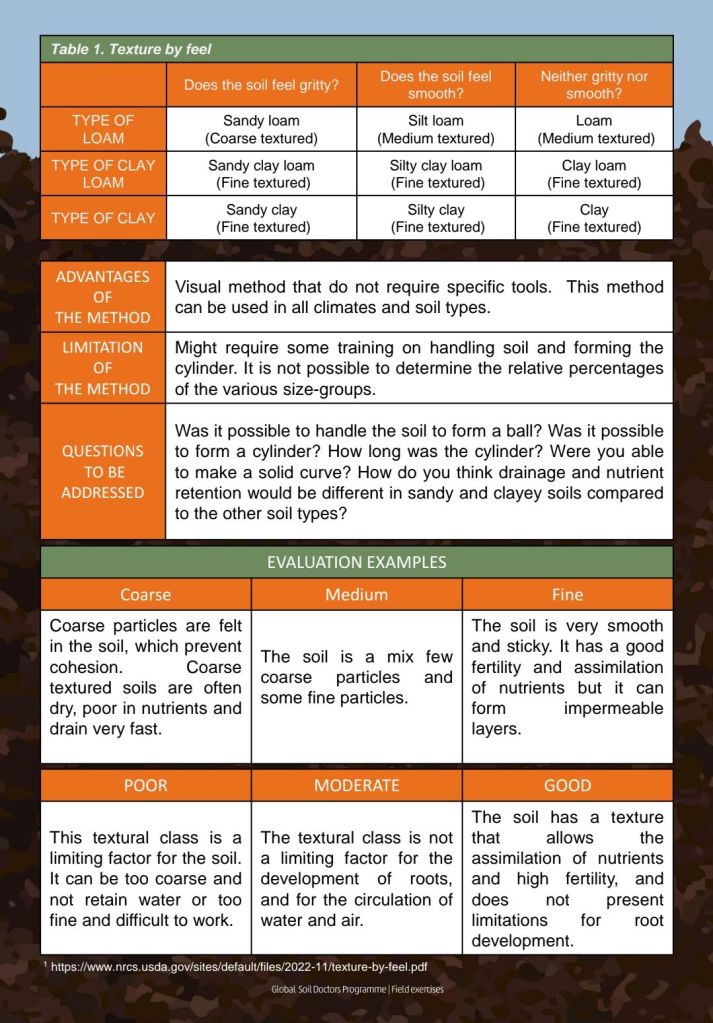
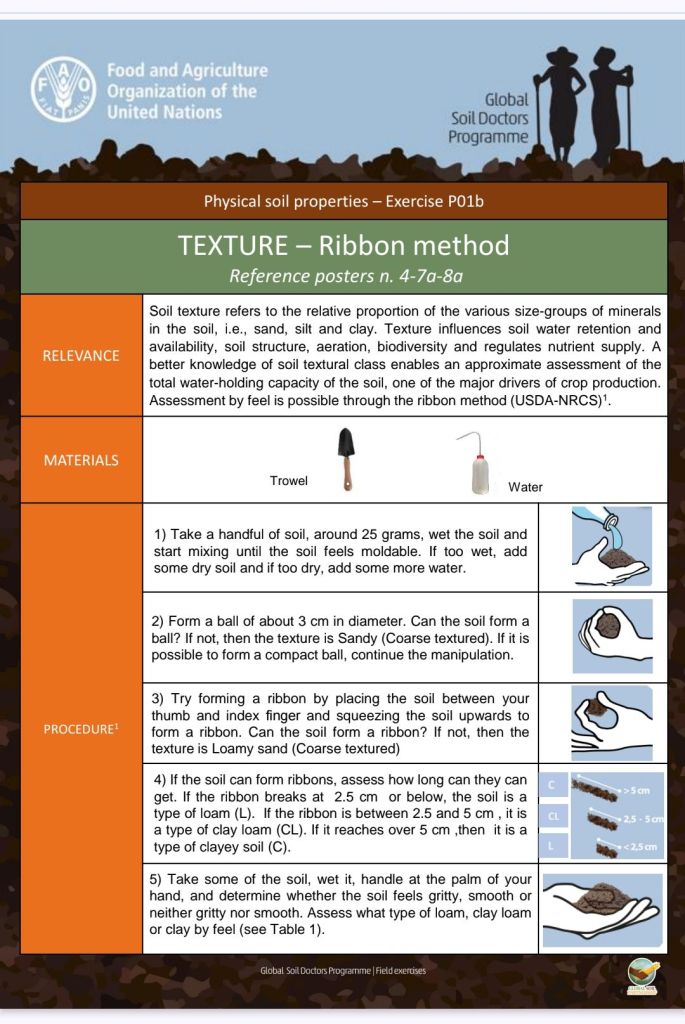
The FAO Ribbon Test is a simple, hands-on method used to determine the texture of soil by feeling and manipulating it with your hands. Developed by the Food and Agriculture Organization (FAO), this test helps students and scientists classify soil based on the proportions of sand, silt, and clay it contains. By moistening a small amount of soil and pressing it between the thumb and forefinger, students try to form a ribbon — a thin strip of soil that extends from their fingers without breaking. The length and feel of this ribbon provide clues about the soil’s texture: a longer, smooth ribbon indicates higher clay content, while a short or crumbly ribbon suggests sandy soil. This tactile approach allows students to engage directly with their environment, making STEM learning interactive and fun while gaining a deeper understanding of soil science.

3. Preparing for the Outdoor Soil Exploration
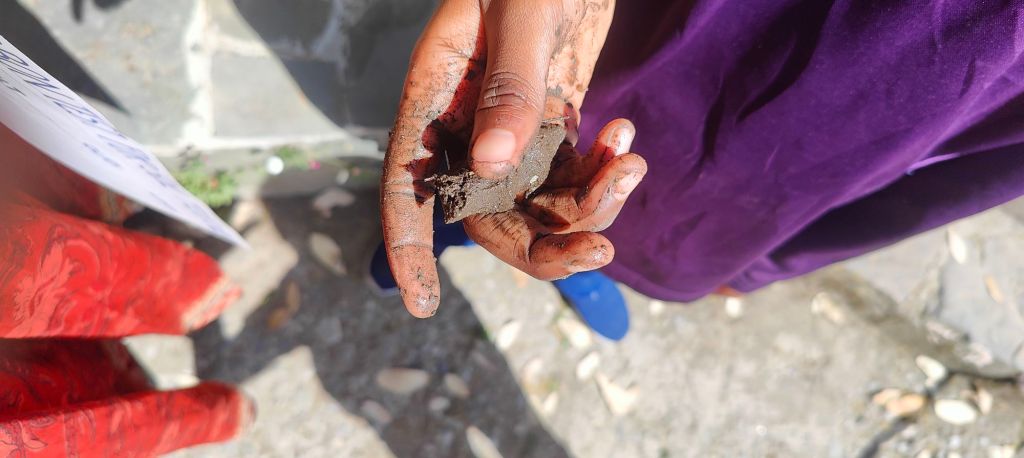
Before heading outdoors for the soil exploration activity, it’s essential to prepare both the students and the materials to ensure a smooth and engaging learning experience. Start by reviewing the objectives of the FAO Ribbon Test with the students, explaining how soil texture affects plant growth, water retention, and land use. Provide each student with a simple soil testing kit that includes tools like a soil scoop, plastic sample containers, water, and a clean surface for kneading the soil.

Make sure the students are dressed appropriately for outdoor activities—comfortable clothes, sturdy shoes, and hats for sun protection. It’s also helpful to assign small groups to encourage teamwork and make the hands-on experience more manageable and interactive.

Before collecting soil samples, remind students about safety measures, such as washing hands after handling soil and avoiding areas that may be contaminated. Prepare a worksheet or observation log where students can record their findings, including descriptions of soil texture, the length of the soil ribbon formed during the test, and any other notable characteristics.

By carefully preparing the students and materials ahead of time, you set the stage for a fun, educational outdoor activity that brings STEM concepts to life through direct interaction with the environment.

4. Materials Needed for the FAO Ribbon Test
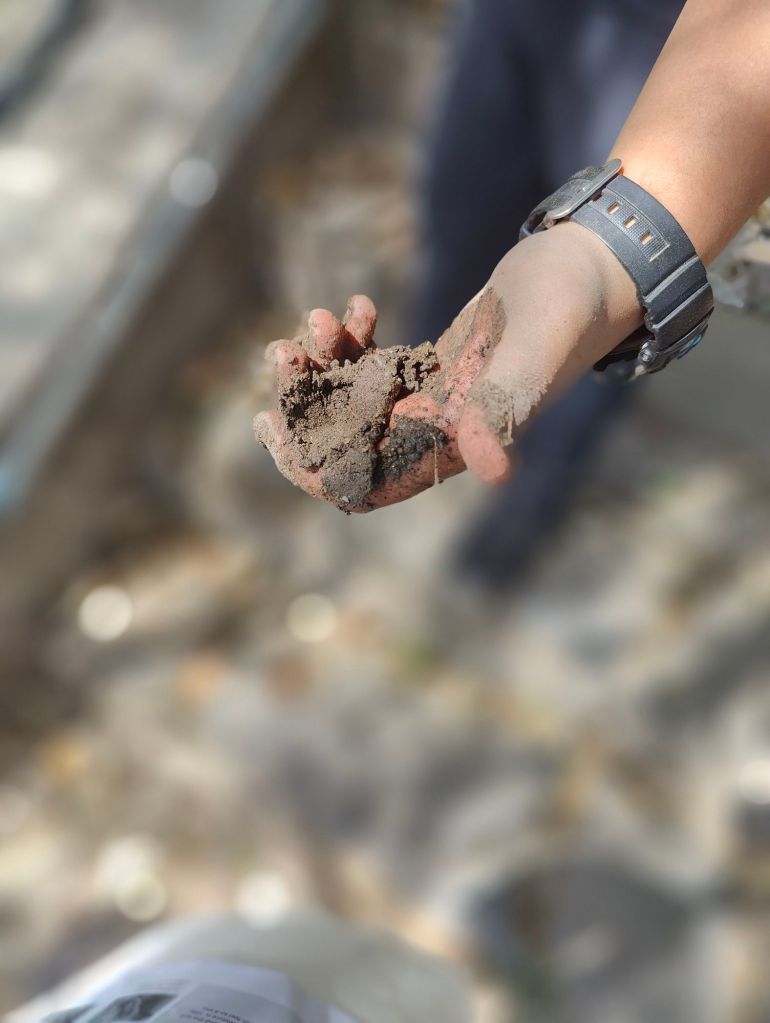
To successfully conduct the FAO Ribbon Test and explore soil texture outdoors, students will need a few simple materials that are easy to gather and use. First and foremost, each student or group will need a small sample of soil collected from the outdoor area where the exploration is taking place. This soil should be free of large debris like sticks, stones, or leaves to ensure accurate testing.

In addition to the soil samples, students will need clean water to moisten the soil, making it easier to form ribbons during the test. A small container or cup can be helpful for mixing the soil and water together. Additionally, having a plastic spoon or a small trowel will make it easier to handle and mix the soil samples.

Finally, to record observations and results, students should have a notebook or worksheet and a pencil. This allows them to note the length of the soil ribbon and classify the soil texture based on the FAO Ribbon Test criteria. Optional materials such as gloves can be used for cleanliness, but they are not essential.

By preparing these basic materials, students will be ready to engage hands-on with STEM learning as they investigate soil textures in their natural environment.

5. Step-by-Step Guide: Performing the Ribbon Test
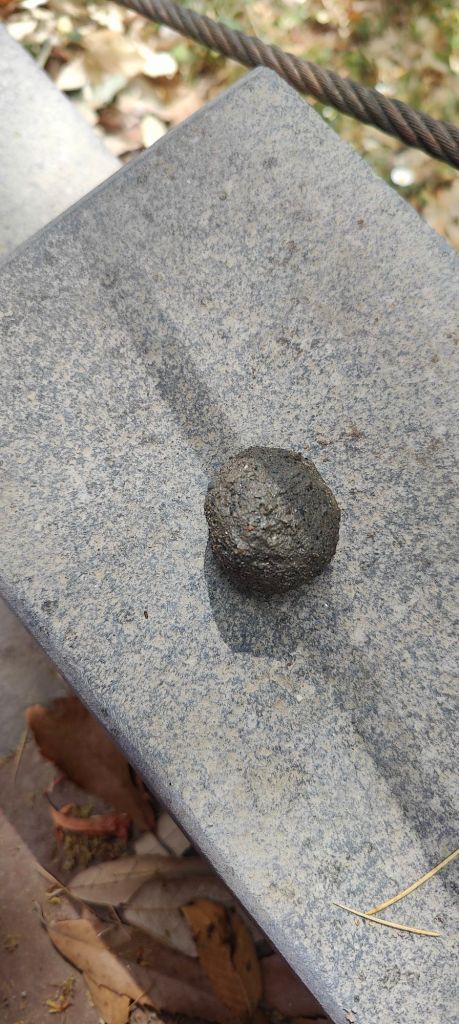
Performing the ribbon test is a simple yet effective way for students to explore soil texture firsthand and deepen their understanding of STEM concepts in an engaging outdoor activity. Here’s a step-by-step guide to help educators and students carry out the FAO ribbon test safely and accurately:

Step 1: Collect a Soil Sample
Begin by gathering a small amount of soil from the outdoor area, ideally from the topsoil layer where roots are active. Use a clean hand trowel or scoop to collect approximately a handful of soil. Make sure the soil is free from large debris like stones, roots, or leaves.
Step 2: Moisten the Soil
Place the soil sample in your hand and gradually add water, a little at a time, until the soil feels like soft clay but not too sticky or wet. The goal is to have a workable consistency that can be molded easily.

Step 3: Form a Ball
Roll the moistened soil between your palms to form a smooth ball about the size of a walnut. This helps to create a uniform texture for the test.

Step 4: Create a Ribbon
Press the ball of soil between your thumb and forefinger and gently squeeze to form a thin “ribbon” or strip of soil. Try to make the ribbon as long as possible without breaking it. The length and feel of this ribbon will give clues about the soil texture.

Step 5: Measure the Ribbon Length
Note how far the ribbon extends before it breaks. For example, a long, flexible ribbon (over 5 centimeters) typically indicates a high clay content, while a short or crumbly ribbon suggests sandy soil. Silty soils will feel smooth and may form moderate ribbons.

Step 6: Record Observations
Encourage students to write down their observations, including the ribbon length, soil feel (gritty, smooth, sticky), and any other notable characteristics. This data can help them classify the soil texture and understand how it affects plant growth and water retention.

By following these steps, students not only learn about soil properties but also practice scientific observation, measurement, and critical thinking—key components of STEM education. The ribbon test turns an everyday material—soil—into a fascinating gateway for inquiry and discovery right in the schoolyard.

6. Observing and Identifying Different Soil Textures

One of the most exciting parts of exploring soil texture outdoors is getting hands-on experience with real soil samples. In this activity, students use the FAO Ribbon Test, a simple yet effective method developed by the Food and Agriculture Organization, to observe and identify different soil textures. By moistening a small amount of soil and rolling it between their fingers to form a ribbon, students can feel the soil’s consistency and determine if it’s sandy, loamy, or clayey.

This tactile approach not only makes learning fun but also helps students understand important concepts about soil properties. For example, sandy soils feel gritty and don’t hold together well, while clay soils are sticky and can be molded into longer ribbons. Loamy soils, which are a balanced mixture, feel smooth and pliable. Through this hands-on investigation, students sharpen their observation skills, practice scientific inquiry, and connect classroom STEM concepts with the natural world around them. This process fosters curiosity and encourages young learners to appreciate the vital role soil plays in supporting plant growth and ecosystems.

7. How Soil Texture Affects Plant Growth and the Environment
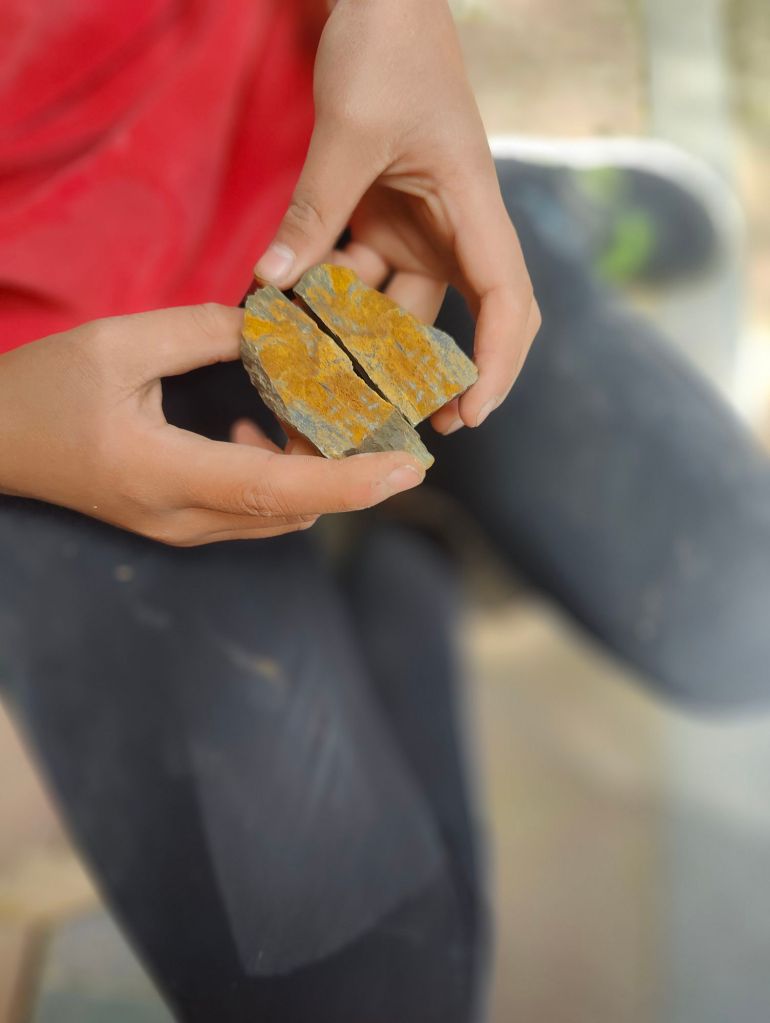
Understanding soil texture is essential for grasping how plants grow and how ecosystems function. Soil texture—the proportion of sand, silt, and clay particles—directly influences water retention, nutrient availability, and air circulation within the soil. For instance, sandy soils drain water quickly but don’t hold nutrients well, making it challenging for some plants to thrive. On the other hand, clay soils retain water and nutrients but can become compacted, limiting root growth and oxygen supply. Loamy soils, which are balanced mixtures of sand, silt, and clay, often provide the most favorable conditions for plant health.

In outdoor STEM activities like the FAO Ribbon Test, Grade 4 and 5 students get hands-on experience observing these differences firsthand. As they manipulate various soil samples, they see how texture affects water movement and root penetration, helping them connect scientific concepts to real-world environmental impacts. By learning about soil texture, students gain a deeper appreciation for how healthy soil supports plant growth, affects local ecosystems, and plays a vital role in agriculture and gardening. This foundational knowledge encourages young learners to think critically about soil conservation and sustainable environmental practices.

8. Integrating STEM Concepts: Science, Technology, Engineering, and Math
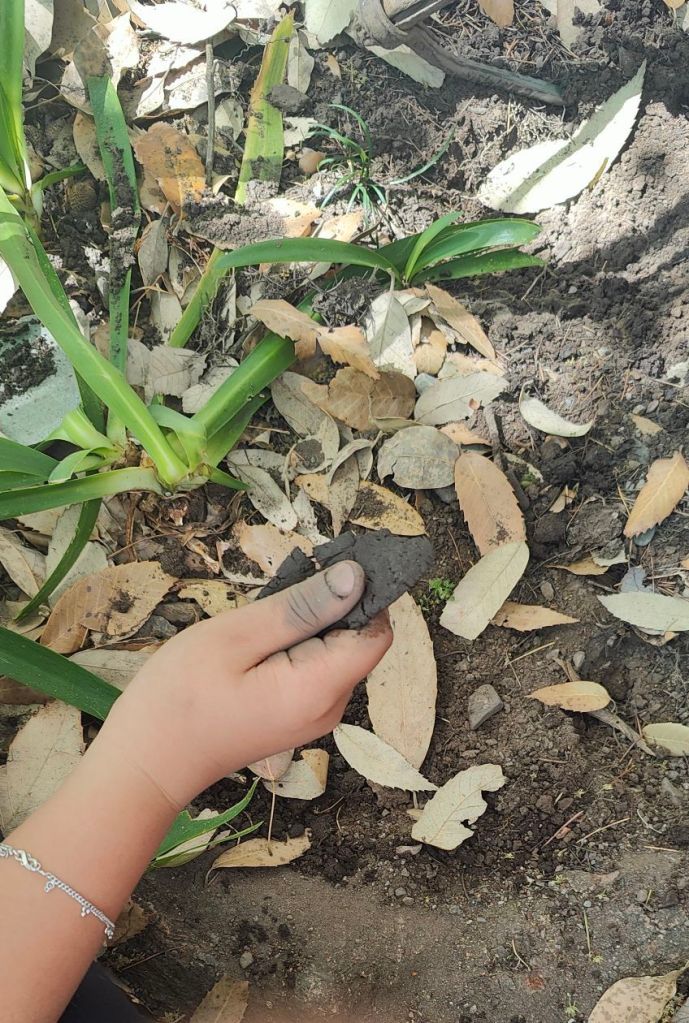
Integrating STEM concepts into outdoor learning activities not only engages students but also helps them see the real-world applications of what they learn in the classroom. The FAO Ribbon Test is an excellent hands-on experiment that brings together science, technology, engineering, and math in a fun and interactive way.

Through this activity, students explore soil texture by feeling and manipulating soil samples, which deepens their understanding of soil composition and classification—a core science concept. They use observational skills and critical thinking to differentiate between sand, silt, and clay, connecting these observations to broader environmental and agricultural topics.

Technology and engineering come into play as students learn how soil texture affects water retention and drainage, which are critical factors in designing effective irrigation systems and sustainable land management practices. They may even experiment with simple tools or models to simulate how soil type influences plant growth and construction.

Mathematics is woven throughout the process as students measure soil moisture, calculate percentages of different soil particles, and record data systematically. These quantitative skills enhance their ability to analyze results and draw conclusions based on evidence.

By integrating STEM disciplines through the FAO Ribbon Test, students gain a holistic understanding of soil science while developing problem-solving abilities, teamwork, and a curiosity-driven mindset—key traits that prepare them for future academic and career success. This multidisciplinary approach makes learning meaningful and encourages young learners to appreciate the interconnectedness of the world around them.

9. Engaging Grade 4 and 5 Students in Hands-On Learning
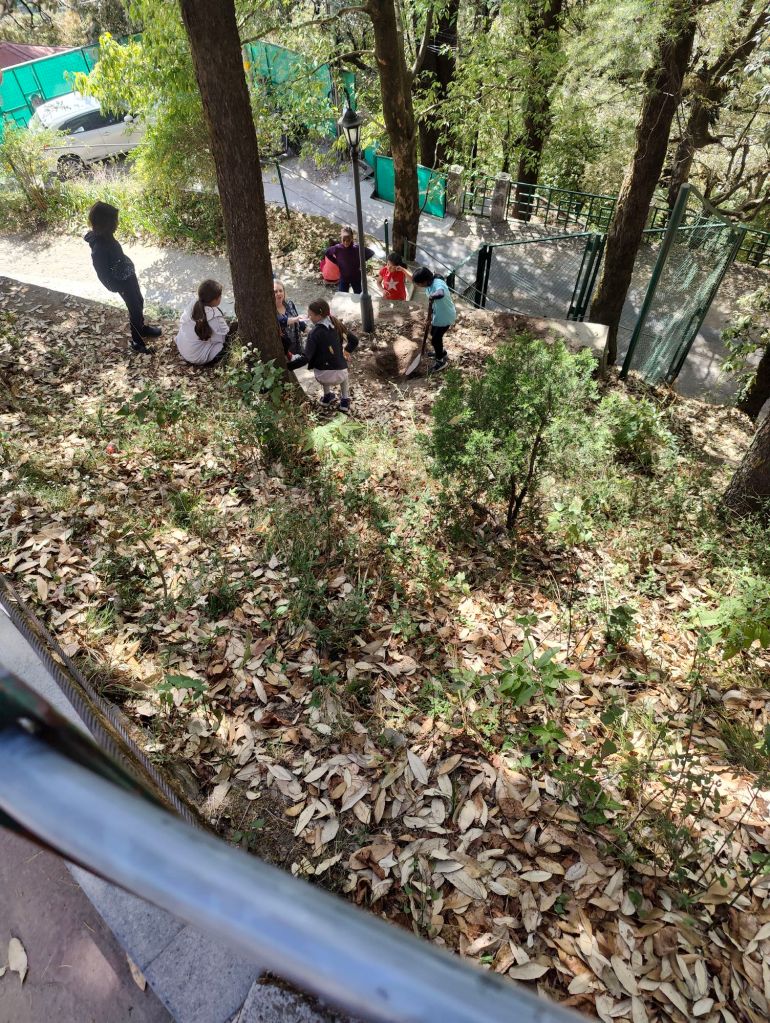
One of the most effective ways to spark curiosity and deepen understanding in young learners is through hands-on activities that connect classroom lessons with real-world experiences. In our exploration of soil texture, Grade 4 and 5 students enthusiastically participated in the FAO Ribbon Test—a simple, tactile method used by scientists around the world to classify soil types based on their composition and feel. By kneading small samples of soil and attempting to form ribbons of varying lengths, students could directly observe the differences between sandy, silty, and clayey soils. This interactive approach not only made abstract scientific concepts tangible but also encouraged critical thinking and observational skills. As students compared their results and discussed how soil texture affects plant growth and water retention, they developed a deeper appreciation for the natural environment and the role of soil in sustaining ecosystems. Engaging young minds with hands-on STEM activities like the FAO Ribbon Test fosters enthusiasm for science and lays a strong foundation for future learning.

10. Real-World Applications of Soil Texture Knowledge
Understanding soil texture is more than just a classroom activity—it has meaningful, real-world applications that impact agriculture, environmental science, and even everyday gardening. By learning how to perform the FAO Ribbon Test, Grade 4 and 5 students gain hands-on experience that connects their STEM lessons to practical situations they might encounter in their communities. For instance, knowing whether soil is sandy, loamy, or clayey helps farmers decide which crops will thrive best and how to manage irrigation efficiently. It also informs environmental scientists about water retention and soil erosion risks in different areas. Even in urban settings, this knowledge aids in creating healthy green spaces by selecting the right soil for plants and trees. By exploring soil texture outdoors, students not only develop scientific skills but also appreciate how these concepts directly influence food production, environmental health, and sustainability efforts in the world around them.

11. Challenges and Tips for Conducting Outdoor Soil Tests

Conducting outdoor soil tests like the FAO Ribbon Test offers a hands-on learning experience for Grade 4 and 5 students, but it does come with its own set of challenges. One common hurdle is the variability of soil samples. Outdoor environments can have diverse soil textures even within a small area, which may confuse students when comparing their results. Weather conditions also play a significant role; wet or overly dry soil can affect the accuracy of the ribbon test, making it difficult for students to form consistent ribbons and draw reliable conclusions.

To overcome these challenges, preparation is key. Teachers should collect multiple soil samples from different spots ahead of time to demonstrate a range of textures. Encouraging students to observe and record environmental factors such as moisture level and location helps them understand how these variables affect soil properties. It’s also helpful to provide step-by-step guidance during the test, reinforcing the importance of kneading and moistening soil properly. Lastly, fostering a collaborative environment where students share their findings and troubleshoot together can turn challenges into valuable STEM learning opportunities. With these tips, conducting outdoor soil tests becomes an engaging and educational activity that deepens students’ connection to the natural world.
12. Student Reflections and Feedback on the Activity

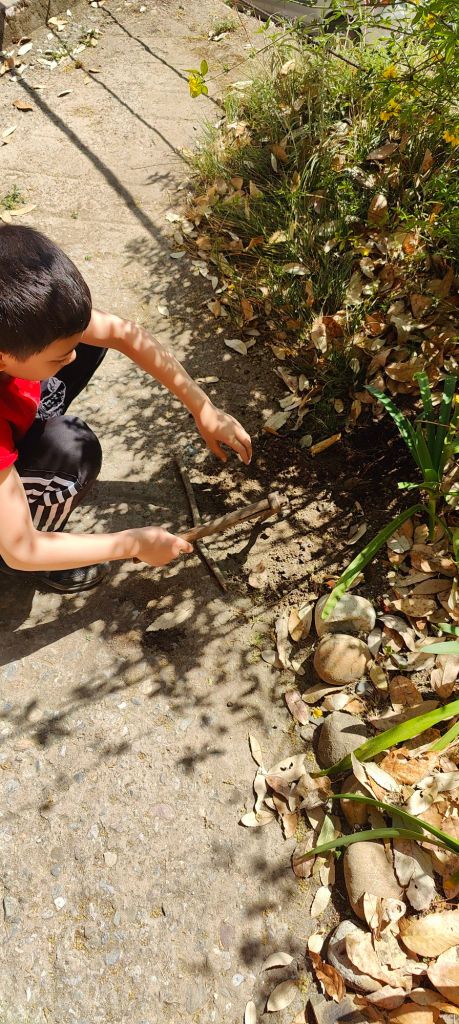
After completing the hands-on soil texture activity using the FAO Ribbon Test, students eagerly shared their reflections and feedback, revealing both their enthusiasm and newfound understanding of soil science. Many expressed excitement about getting outside the classroom and engaging directly with nature, noting that physically feeling and manipulating the soil samples made the learning experience much more tangible and memorable. Several students mentioned how surprising it was to discover the different textures—some soils were smooth and sticky, while others were gritty or crumbly—highlighting how diverse soil composition can be even within a small area.

In their feedback, students appreciated how the activity connected science concepts with real-world applications, such as understanding how soil texture affects plant growth and water retention. Many found the FAO Ribbon Test simple yet effective, and they enjoyed working in small groups to compare results and discuss their findings. This collaborative aspect not only fostered teamwork but also encouraged critical thinking as they hypothesized why certain soils behaved differently.

Overall, the reflections underscored the value of experiential STEM learning. Students expressed increased interest in environmental science and a stronger awareness of the importance of soil in ecosystems. Teachers noted that this activity boosted engagement and helped solidify abstract scientific concepts through a fun, interactive approach. The positive feedback encourages the continued use of such hands-on methods to inspire curiosity and deeper understanding among young learners.

13. Extending Learning: Related STEM Projects and Experiments
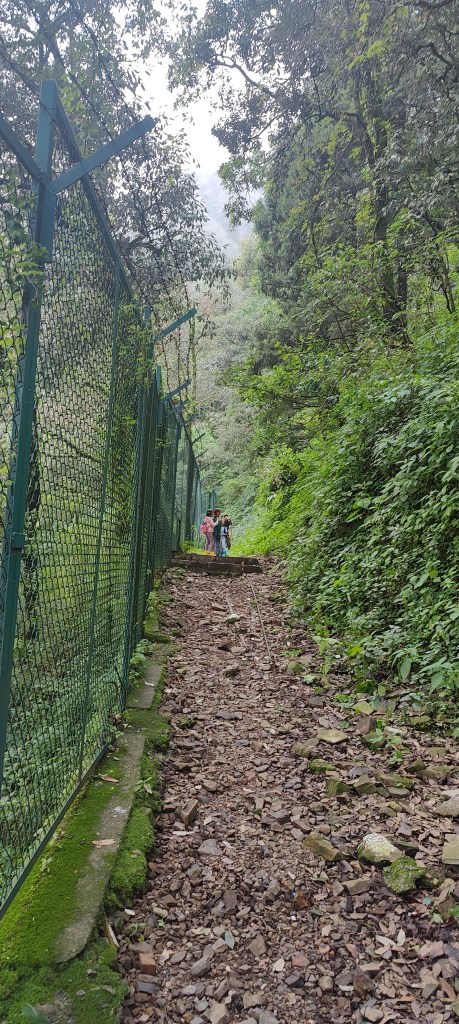
To deepen students’ understanding of soil properties and their impact on the environment, extending learning beyond the FAO Ribbon Test can be both engaging and educational. Here are several related STEM projects and experiments that Grade 4 and 5 students can explore to build on their newfound knowledge:

1. Soil Permeability Experiment:
Students can investigate how different soil textures affect water drainage. By pouring equal amounts of water through samples of sandy, silty, and clayey soils, they observe which soils allow water to pass through quickly and which retain it longer. This experiment helps illustrate concepts of permeability and water retention in soils.

2. Plant Growth Observation:
Using soils with varied textures, students can plant fast-growing seeds such as beans or radishes to see how soil type influences plant health and growth rate. This hands-on activity connects soil science with biology and emphasizes the importance of soil quality in agriculture.

3. Soil Erosion Demonstration:
Create a simple model using trays filled with different soil types placed on a slope. By gently pouring water over the soil, students can observe how soil texture affects erosion. This experiment introduces them to environmental science topics like land degradation and conservation.

4. Magnifying Soil Particles:
Provide students with magnifying glasses or microscopes to examine soil samples closely. They can identify the size, shape, and composition of soil particles, linking back to the tactile experience of the ribbon test and deepening their observational skills.

By engaging in these related STEM activities, students not only reinforce the principles learned through the FAO Ribbon Test but also develop critical thinking, observation, and scientific inquiry skills. These projects encourage curiosity about the natural world and inspire young learners to appreciate the vital role soil plays in our ecosystem.

14. Resources and References for Teachers and Students
oplus_1048610

To support teachers and students in exploring soil texture through hands-on learning, a variety of resources and references are available to enhance the STEM experience. The FAO Ribbon Test, a simple yet effective method developed by the Food and Agriculture Organization, is at the heart of this educational activity, allowing students to feel, manipulate, and classify soil samples based on texture.

15. Conclusion: The Impact of Experiential Learning in STEM Education

Experiential learning, such as the hands-on FAO Ribbon Test for exploring soil texture, has a profound impact on STEM education for grade 4 and 5 students. By engaging directly with the natural environment, students move beyond textbook theories and actively discover scientific concepts through sensory experience and observation. This immersive approach not only deepens their understanding of soil properties and ecology but also sparks curiosity and enthusiasm for science. Moreover, experiential learning cultivates critical thinking, problem-solving skills, and teamwork, as students collaborate to analyze and interpret their findings. Ultimately, incorporating activities like the FAO Ribbon Test empowers young learners to connect classroom knowledge with real-world applications, laying a strong foundation for future STEM learning and fostering a lifelong appreciation for the environment.

By engaging in the FAO Ribbon Test, Grade 4 and 5 students not only deepen their understanding of soil texture but also experience firsthand the excitement of hands-on STEM learning outdoors. This simple yet effective activity sparks curiosity, encourages critical thinking, and connects young learners to the natural world around them. As students explore, observe, and analyze, they develop valuable scientific skills that will serve as a foundation for future learning. We hope this approach inspires educators and parents alike to bring more interactive, real-world STEM experiences into the classroom and beyond, nurturing the next generation of inquisitive minds and environmental stewards

Phenology for Kids: Exploring Nature-Based Learning Opportunities

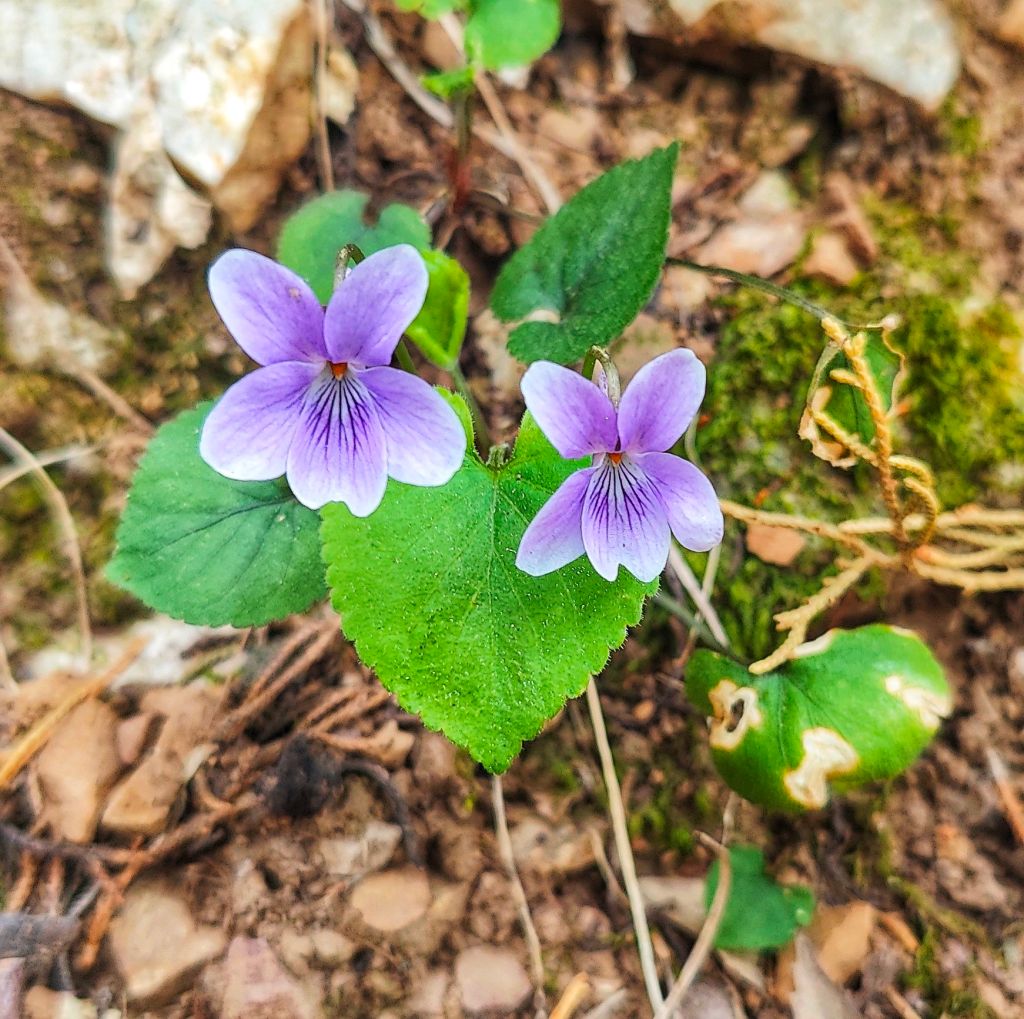
Phenology is the study of the seasonal changes in plants and animals. It is a fascinating area of science that can help children better understand the world around them. By observing nature and tracking changes over time, kids can develop a deeper appreciation for the natural world and learn important scientific skills. Phenology is a great way to introduce children to the wonders of science and nature, and it’s also an excellent opportunity for outdoor exploration and learning. In this blog post, we will explore the basics of phenology and how to get started with this fun and educational activity. We will also provide tips and resources for parents and educators who want to incorporate phenology into their teaching and learning activities. So, join us as we embark on a journey through the fascinating world of phenology!


1. What is phenology?

Phenology is the study of the timing of natural events and how they relate to seasonal and climatic changes. Simply put, it’s the observation of changes in nature over time. This includes things like the arrival of migratory birds, the blooming of flowers, and the timing of leaf fall in trees. Phenology is a great way to teach kids about the natural world around them and the impact that climate change can have on it. By observing and recording these changes, kids can learn about the interconnectedness of living things, as well as the importance of protecting our environment. Phenology can be practiced in any outdoor environment, whether it’s a backyard garden, a nearby park, or a nature trail. It’s a great way to get kids outside and engaged with the natural world while also fostering a sense of curiosity and exploration. By introducing phenology to kids, parents and teachers can open up a whole new world of nature-based learning opportunities.

2. The benefits of teaching kids about phenology


Phenology, the study of seasonal changes in plants and animals, can be a great way to introduce kids to the world around them. Not only does it encourage them to get outside and explore, but it also teaches them about the interconnectedness of nature and how everything is affected by changes in the environment.
When kids are taught about phenology, they develop a deeper understanding of the natural world and the importance of taking care of it. They learn to appreciate the beauty of nature and the role that it plays in our lives. By observing the changes that occur in plants and animals throughout the year, kids can gain a sense of continuity and develop a connection to the natural world that can last a lifetime.
Phenology also provides opportunities for kids to practice important skills such as observation, data collection, and analysis. By keeping track of the changes they see in their environment, kids can develop their scientific thinking skills and learn to make connections between cause and effect.
In addition to the educational benefits, teaching kids about phenology can also encourage them to become more environmentally conscious. As they learn about the impact that human activities can have on the natural world, they may be more motivated to make positive changes in their own lives to reduce their impact on the environment.
Overall, teaching kids about phenology can be a great way to engage them in nature-based learning and help them develop a deeper appreciation for the natural world around them.


3. How to get started with phenology for kids

Phenology is a great way to get kids interested in nature and science. It’s all about observing and recording changes in plants and animals throughout the year. This can include things like when leaves start to change color, when birds migrate, and when flowers bloom.
To get started with phenology for kids, you will need to find a place to observe. This could be your backyard, a local park, or a nature reserve. Once you have your location, you can start to make observations. You can use a notebook to record your observations, or you can use an app like iNaturalist to record them digitally.
It’s important to make regular observations throughout the year so that you can see how things change over time. You can also encourage your kids to take photos of what they see, which can be a great way to document changes and share them with others.
In addition to making observations, you can also use phenology as a starting point for other activities. For example, you could create art projects inspired by the changing seasons, or you could use your observations to create graphs and charts to show how things change over time. The possibilities are endless, and the best part is that phenology is a fun and engaging way to get kids interested in nature and science.

4. Explore the changing seasons with phenology


Phenology is a great way to explore the changing seasons with kids. Phenology is the study of the seasonal changes in plants and animals, including when they flower, migrate, or hibernate. It’s a great way to explore the natural world around us and get kids excited about science and nature.
You can start by taking regular walks in your local park or nature reserve, noting down what you see and when you see it. You can also keep a nature journal or take photos to document the changes. For example, you could note when the first flowers appear in spring, when the leaves change color in autumn, or when the first snow falls in winter.
Phenology can also be a great way to introduce kids to other scientific concepts, such as climate change. By monitoring changes in the natural world over time, kids can learn about the impacts of climate change on ecosystems and the importance of protecting our planet.
Overall, phenology is a fun and educational way to explore the natural world with kids. It encourages them to be curious, observant, and engaged with the world around them.

5. Mapping and charting seasonal changes

Mapping and charting seasonal changes is a great way to get kids excited about phenology. It helps them to visually see the changes that are happening in their local environment over time.
One way to do this is to create a seasonal chart that tracks the changes in weather, plant growth, and animal behavior throughout the year. You can use a large piece of paper or a whiteboard and divide it into four sections, one for each season.
In each season section, have the kids draw or glue pictures of the plants and animals they observe during that time of year. They can also include weather patterns, such as sunny days, rainy days, snowfall, and temperature changes.

Another way to get kids involved in mapping seasonal changes is to create a nature journal. They can use this journal to record their observations of nature throughout the year. Encourage them to draw pictures, take photos, and write descriptions of what they see. This can help kids develop a deeper appreciation for the natural world and a better understanding of the interconnectedness of all living things.
Overall, mapping and charting seasonal changes is a fun and interactive way to engage kids in phenology and help them develop a lifelong love of nature-based learning.

6. Observing and identifying plants and animals


Observing and identifying plants and animals is a great way to introduce kids to the world of phenology. When kids observe nature, they begin to get a sense of the rhythms and patterns that exist in the natural world. They can start to notice when different types of flowers bloom, when birds begin to migrate, or when animals start to hibernate for the winter.
Encourage kids to keep a journal of their observations. As they record what they see, they will start to notice more and more details about the plants and animals they encounter. They can use field guides or online resources to help with identification, and even create their own field guide for their local area.
In addition to observing and identifying plants and animals, kids can also learn about the relationships between different species. For example, they can observe which insects are pollinating certain plants or which birds are eating certain types of berries. This can help them understand the interconnectedness of different species and the importance of biodiversity.
Overall, observing and identifying plants and animals is a fun and engaging way to introduce kids to the world of phenology and foster a love of nature-based learning.

7. Using technology for phenology projects

Technology has revolutionized the way we interact with nature. With the help of technology, we can explore and study nature in ways that were previously impossible. When it comes to phenology, technology can be a great tool to enhance learning opportunities for kids.
One way to use technology for phenology projects is to use apps that help identify plants and animals. Apps like iNaturalist and Seek allow kids to take pictures of plants and animals and get instant feedback on what they are looking at. This can be a fun and interactive way for kids to learn about the natural world around them.
Another way technology can be used for phenology projects is to use citizen science apps. Citizen science apps like Project BudBurst and Nature’s Notebook allow kids to contribute data to real scientific research projects. This can be a great way for kids to feel like they are making a difference and contributing to real-world science.
Finally, technology can be used to keep track of phenology observations. With tools like Google Sheets or Excel, kids can record their observations over time and create graphs and charts to help them see patterns in nature. This can be a great way to teach kids about data analysis and visualization.
Overall, technology can be a great tool for phenology projects and can help enhance learning opportunities for kids. By using apps, citizen science projects, and data tracking tools, kids can explore nature and learn about phenology in a fun and interactive way.

8. Phenology-based activities for kids

Phenology is the study of the seasonal changes in plants, animals, and the environment. It’s a great way to teach kids about the natural world around them. Here are some fun phenology-based activities for kids:
1. Nature Scavenger Hunt – Create a list of seasonal items for kids to find such as acorns, leaves, and flowers. This will help them learn about the different plants and animals that are present during different seasons.
2. Plant a Garden – Planting a garden is a great way for kids to learn about phenology. They can watch as the seeds grow into plants and observe the changes in their growth throughout the different seasons.
3. Bird Watching – Kids can learn about bird migration patterns and how different birds come and go during different seasons. This can be a fun activity to do with binoculars and a bird guidebook.

4. Nature Journaling – Encourage kids to keep a nature journal where they can draw pictures and write down their observations about the natural world around them. This will help them develop their observation skills and learn about phenology.
5. Weather Tracking – Kids can track the weather each day and observe how it changes throughout the different seasons. This can be a great way to teach them about the different weather patterns that occur during different times of the year.
By engaging in these phenology-based activities, kids can learn about the natural world around them and develop a greater appreciation for the environment. It’s a fun and educational way to explore nature-based learning opportunities and encourage kids to get outside and explore.

9. Research opportunities with phenology

Phenology is a fascinating science that studies the relationships between plants and animals and the changing seasons. It’s a great way to teach kids about nature and the environment while also providing them with opportunities for hands-on learning and exploration.
If you’re interested in incorporating phenology into your child’s education or homeschooling curriculum, there are many resources available to help you get started. One great place to start is by researching local phenology groups or organizations in your area. These groups often organize events and activities that are perfect for kids and families, such as nature walks, bird watching, and species identification.
You can also look for books, websites, and other resources that focus on phenology for kids. These resources can help you and your child learn about the different stages of plant and animal life cycles, as well as how climate change and other environmental factors can impact these cycles.
By exploring the world of phenology with your child, you can help them develop a deeper appreciation for the natural world and the importance of conservation and environmental stewardship. Plus, it’s a fun and engaging way to spend time together and learn about the world around us.

10. Resources for phenology-based learning for kids

Phenology-based learning can be a great way to introduce kids to the wonders of nature and the changing seasons. There are many resources available to help parents and educators incorporate phenology into their lessons and activities.
One great resource is the National Phenology Network’s Education Program, which provides lesson plans, activities, and resources for educators and parents to use with kids. The program offers a range of tools and resources for exploring phenology, including citizen science projects, classroom activities, and field studies.
Another great resource is the Phenology Wheel, a visual tool that helps kids track seasonal changes and learn about the natural world. The wheel can be used to document changes in plants, animals, and the weather, and can be customized to fit any region or climate.
In addition to these resources, there are many books, websites, and other materials available to help kids learn about phenology and the natural world. By incorporating phenology into their learning, kids can develop a deeper appreciation for nature and the environment, while also building important skills in observation and critical thinking.

We hope you enjoyed our article about phenology for kids. It is important for children to explore and learn about the natural world around them. Phenology is a great way to introduce your child to this concept and encourage them to observe and record changes in nature. By incorporating this practice into your child’s routine, you can help promote a deeper understanding and appreciation of the environment. We encourage you to go outside and explore with your child today!

Thank you!

From Nature to Plate: A Student’s Guide to Foraging

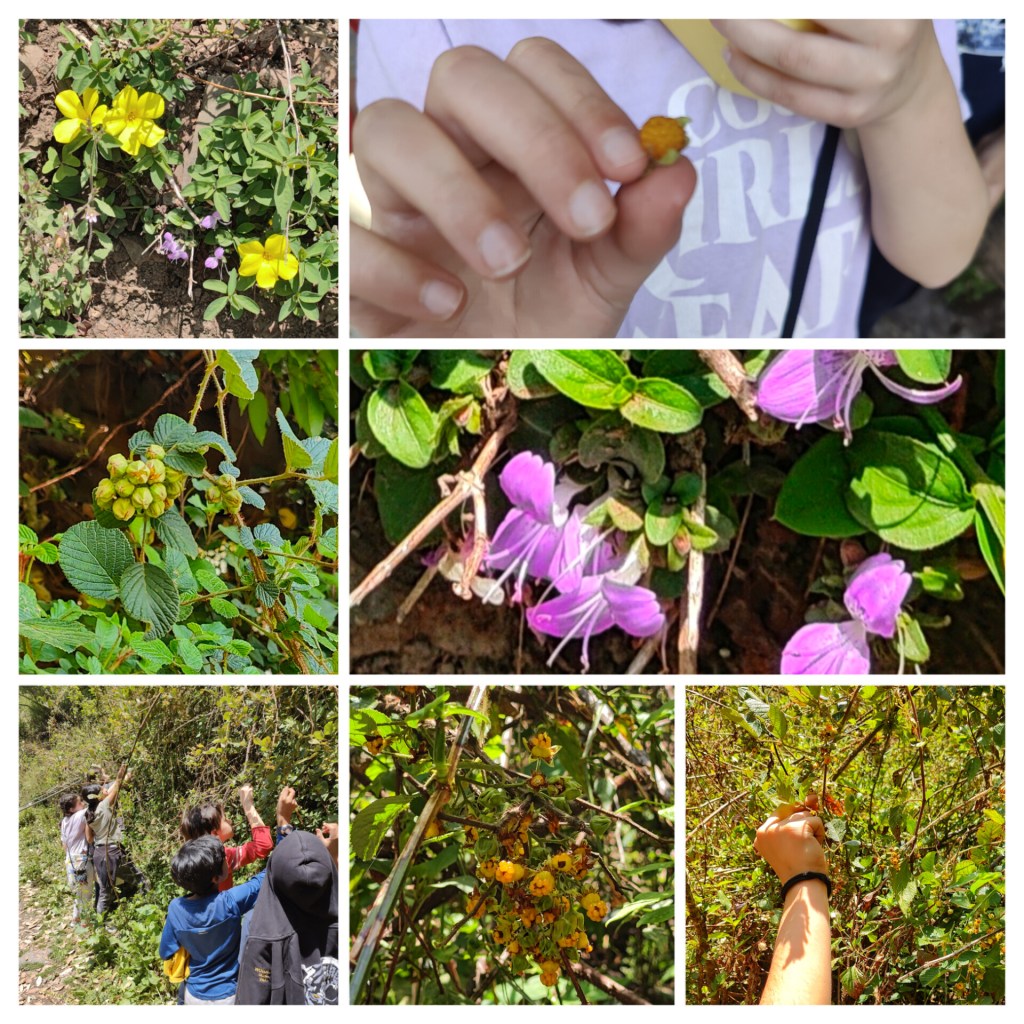
There’s something magical about finding food in the wild. It connects us to nature and reminds us of our primitive roots. Foraging for food can be an exciting way to explore the outdoors and a great way to add some unique flavors to your meals. The Himalayan region is a treasure trove of wild edible plants, including Himalayan raspberry, sorrels, wild strawberries, and many more. In this post, we’ll guide you through the process of foraging for these delicious and nutritious plants. From identifying the plants to preparing them for the plate, we’ll cover everything you need to know to make the most of your foraging experience. So grab your basket and join us on a journey from nature to plate!

1. The basics of foraging for wild edibles

Foraging for wild edibles can be an exciting and fulfilling experience. However, it’s important to know the basics before you start. The first step is to identify the plants you want to forage. Make sure to do your research and learn everything you can about the plants you’re interested in. This can include their physical characteristics, preferred growing conditions, and whether or not they’re safe to eat.
Next, you need to find the right location. Look for areas that are free from pollution, pesticides, and other harmful chemicals. National parks, nature reserves, and other protected areas are great places to start. However, before you go foraging, make sure you obtain any necessary permits and follow any regulations in place. You don’t want to damage the environment or get in trouble with the law.
When foraging, it’s important to be aware of your surroundings and respect the environment. Don’t take more than you need and avoid damaging the plants or their habitats. It’s also a good idea to bring a field guide or foraging app with you to help identify plants and avoid any potentially harmful species.
Lastly, always be cautious when trying new plants. Start by consuming a small amount and wait to see if you have any adverse reactions before consuming more. With these basics in mind, you can safely and responsibly enjoy the benefits of foraging for wild edibles.

2. Safety First: Precautions to Take When Foraging

Foraging can be a fun and rewarding experience, but it’s important to take precautions and ensure your safety before venturing out into the wild. Here are some things to keep in mind:
1. Know what you’re looking for: Before heading out to forage, do your research and make sure you can identify the plants you’re looking for. Bring a field guide or foraging app with you to help you identify plants. It’s important to be able to distinguish between edible and poisonous plants.
2. Get permission: If you’re foraging on private property, make sure you have permission from the landowner. Some areas may also have specific regulations or permits required for foraging, so it’s important to check beforehand.
3. Dress appropriately: Wear long sleeves and pants to protect against ticks and other insects. Bring gloves and avoid wearing open-toed shoes. It’s also a good idea to bring a hat and sunscreen for protection against the sun.
4. Bring the right tools: Depending on what you’re foraging for, you may need a knife, scissors, or pruning shears. Make sure to pack your tools safely and securely.
5. Watch out for wildlife: Be aware of your surroundings and keep an eye out for wildlife. Depending on where you’re foraging, you may encounter snakes, bears, or other potentially dangerous animals.
6. Avoid picking near roads: Plants growing near roads may be contaminated with pollutants or chemicals from car exhaust. It’s best to stick to areas away from roads.
By taking these precautions, you can ensure a safe and enjoyable foraging experience.

3. The benefits of foraging for wild edibles


Foraging for wild edibles is a great way to connect with nature and reap the benefits of fresh, organic produce. When you forage, you’re harvesting plants from their natural environment, which means they haven’t been treated with any pesticides or chemicals. This makes foraging a great way to get fresh and healthy food for free.
Another benefit of foraging is that it’s a sustainable way of sourcing food. Instead of relying on industrial agriculture, which can be harmful to the environment, foraging allows you to source food in a way that is in harmony with nature. It also reduces the carbon footprint associated with producing, transporting, and packaging food.
Foraging can also be a fun and educational activity. When you forage, you get to learn about the different plants in your area and how they can be used for food and medicine. It’s a great way to connect with nature and learn about the local ecosystem.
Finally, foraging can be a great way to save money on your grocery bill. Instead of buying expensive organic produce at the grocery store, you can source fresh, organic food for free in your own backyard. So, if you’re looking for a way to eat healthy, sustainably, and on a budget, foraging for wild edibles might be just what you need.

4. The tools you need to get started with foraging

Before you start with foraging, it’s important to have the right tools with you. Some of the essential tools that you might need include a field guide or handbook to help you identify different plants, berries, and nuts. You could also carry a small knife, scissors, or pruning shears to help you collect the plants and berries without damaging them.
It’s also important to dress appropriately for the task. Wear comfortable and sturdy shoes, preferably hiking boots, as you might be walking on uneven terrain. Long pants and long-sleeved shirts are recommended to protect your skin from insect bites, cuts, and scratches. A hat and sunscreen are also necessary, especially if you’re foraging in the summer months.
It’s important to note that you should never consume any plant or berry without being 100% sure of its identity and safety. Some plants may be poisonous and can cause serious harm if ingested. So, it’s always best to cross-reference your foraged plants with a reliable guidebook or consult an expert before consuming them.
Lastly, it’s important to respect the environment and the plants you’re foraging. Never take more than you need, and avoid damaging the environment or the plants. By following these guidelines, you can safely and responsibly forage for delicious and nutritious wild edibles to enjoy on your plate.

5. Introduction to Himalayan Raspberry, Sorrels, Wild Strawberry and other wild edibles

Foraging wild edibles is a great way to connect with nature and to learn about the foods that grow naturally around us. The Himalayan Raspberry, also known as Rubus ellipticus, is a common plant found in the Himalayan region. The fruit of the Himalayan Raspberry is similar to that of the common raspberry, but it has a slightly tangier taste. The leaves of the plant can be used to make a refreshing tea that is high in antioxidants and has been known to help with digestion.
Another wild edible commonly found in the Himalayan region is sorrels. Sorrels are a type of herb that have a tangy, lemony flavour. They can be used in salads, soups, stews, and even as a garnish for cocktails and other drinks. Sorrels are high in vitamin C and have been used for centuries for their medicinal properties.
Wild strawberries are another popular wild edible found in the Himalayan region. These small, sweet berries can be eaten raw or used in desserts, jams, and other sweet dishes. They are a good source of vitamin C and antioxidants and have been used in traditional medicine to treat various ailments.
It is important to note that when foraging for wild edibles, you should always be sure to properly identify the plant before consuming it. Some plants may look similar to edible plants but can be toxic or harmful. It is also important to only forage in areas that have not been sprayed with pesticides or other chemicals. By taking the time to learn about wild edibles and practicing safe foraging techniques, you can enjoy the delicious and nutritious foods that grow naturally in the world around us.

6. How to identify and locate Himalayan Raspberry, Sorrels, Wild Strawberry and more in the wild

Foraging can be a fun and rewarding activity, but it’s important to know what you’re looking for and where to find it. Some popular wild edibles in the Himalayan region include Himalayan Raspberry, Sorrels, Wild Strawberry, and more.
To identify Himalayan Raspberry, look for a shrub with thorny stems and a red or purple fruit that looks like a raspberry. Sorrels have a distinct lemony flavor and can be identified by their arrow-shaped leaves and small green or reddish-brown flowers. Wild strawberries have a sweet and juicy taste and can be identified by their white flowers and small, red berries.
When foraging, it’s important to know where to look. Himalayan Raspberry, for example, can be found in sunny clearings, along roadsides, and in forest edges. Sorrels prefer damp areas such as meadows, stream banks, and forest edges. Wild strawberries can be found in a variety of habitats, including meadows, woodlands, and even in urban areas.
It’s important to note that foraging should always be done responsibly and sustainably. Never take more than you need and avoid harvesting in areas that may have been contaminated by pollutants or pesticides. Always do your research and consult with local experts to ensure that you’re harvesting safely and legally.

7. Tips for harvesting wild edibles sustainably

When it comes to foraging wild edibles, it’s important to remember that we’re not the only ones who rely on these resources. Harvesting too much or at the wrong time can have a negative impact on the ecosystem and other animals who depend on these plants for survival. Here are some tips for harvesting wild edibles sustainably:
1. Learn about the plant before harvesting: It’s important to know the plant’s life cycle, growth patterns, and habitat before harvesting it. This will help you determine the best time and method for harvesting without damaging the plant.
2. Only take what you need: Harvesting too much can deplete the plant population and negatively impact the ecosystem. Take only what you need and leave the rest for other animals and future generations.
3. Harvest ethically: When harvesting, be sure to do so ethically. Avoid damaging the plant or its surrounding environment, and never harvest on private property without permission.
4. Avoid harvesting endangered species: Some wild edibles are endangered or protected, so it’s important to do your research and avoid harvesting these species.
5. Leave no trace: When foraging, always leave the area as you found it. Avoid littering, trampling, or damaging the environment in any way.
By following these tips, you can enjoy the benefits of foraging wild edibles while also ensuring that these resources are available for future generations.

8. How to clean and store wild edibles

After a successful foraging trip, the next step is to clean and store your wild edibles properly. Cleaning is a crucial step as it removes any dirt, insects, or other debris that may have come into contact with the plants. First, give them a gentle rinse under cold running water, but do not soak them for too long as this can cause them to lose their flavor and texture. If you’re worried about any remaining insects, you can add a small amount of salt or vinegar to the water.
Once your wild edibles are cleaned, it’s time to store them correctly. Different plants have different storage requirements, but as a general rule, it’s best to store them in airtight containers or bags in the refrigerator. This will help to preserve their freshness and flavor for as long as possible. Some edibles, such as berries, can be frozen for longer-term storage.
It’s important to note that wild edibles should be consumed or cooked as soon as possible after foraging, as they can deteriorate quickly. Always check for any signs of spoilage before consuming, and discard any that appear to be past their prime.
By following these simple cleaning and storage tips, you can ensure that your wild edibles remain fresh and delicious for as long as possible. Enjoy the fruits of your labor, and be sure to share your newfound knowledge with others!

9. How to prepare and cook Himalayan Raspberry, Sorrels, Wild Strawberry and more

After foraging for Himalayan Raspberry, Sorrels, Wild Strawberry, or any other edible wild plant, it’s important to know how to prepare and cook them properly. These plants can be used in a variety of ways to enhance the flavour of your dishes and provide a unique twist to your meals.
To prepare Himalayan Raspberry, you should wash them thoroughly and remove any debris. The fruit can be used fresh or cooked to make jams and jellies. It also pairs well with cream, yogurt, and ice cream.
Sorrels have a tangy, lemony taste and are great in salads or used as a garnish. You can also use them to make a refreshing sorrel drink by blending the leaves with water, sugar, and lemon juice.
Wild Strawberry can be eaten fresh or used in a variety of recipes such as jams, cakes, and smoothies. They are also great as a topping for yogurt or ice cream.
When cooking with wild plants, it’s important to use them in moderation and to always be certain of their safety. Some plants can be poisonous, so it’s essential to do your research and know which plants are safe to consume.
In conclusion, foraging for wild plants can be a great way to add a unique twist to your meals. However, it’s important to know how to properly prepare and cook them to ensure their safety and taste. With a little research and experimentation, you can create delicious dishes using these wild plants.


10. Delicious recipes to try with foraged wild edibles

Foraging wild edibles is not only an exciting and adventurous activity, but it also allows you to create unique and delicious dishes with ingredients that are not commonly found in supermarkets. Here are some recipe ideas to try with foraged wild edibles:
1. Himalayan Raspberry Jam: Wild Himalayan raspberries are perfect for making jams and syrups. Add some sugar, pectin, and lemon juice to the raspberries and cook them down until they thicken into a delicious jam.
2. Sorrel Soup: Sorrel is a wild green that has a tangy and slightly sour flavour. It’s perfect for making soups and sauces. Add some chicken or vegetable broth, potatoes, and onions to the sorrel and cook it until it’s tender. Blend it with an immersion blender and add some cream to make a creamy and delicious soup.
3. Wild Strawberry Salad: Wild strawberries are smaller than cultivated strawberries and have a more intense flavour. Mix them with some arugula, goat cheese, and balsamic vinegar for a refreshing summer salad.
4. Elderflower Cordial: Elderflowers are small white flowers that grow in the spring. They have a sweet and floral flavor that’s perfect for making cordials. Mix them with sugar and lemon juice and let them steep for a few days. Strain the mixture and mix it with sparkling water for a refreshing summer drink.
5. Wild Garlic Pesto: Wild garlic is a pungent and flavorful herb that’s perfect for making pesto. Mix it with some nuts, olive oil, and parmesan cheese to make a delicious spread for bread or pasta.
Foraging wild edibles is a fun and rewarding activity that allows you to connect with nature and create delicious and unique dishes. Just make sure to do your research and only pick edibles that are safe to eat.


We hope you enjoyed our student’s guide to foraging Himalayan raspberry, sorrels, wild strawberry, and more. This is a great way to learn about the local flora and fauna, and it’s also a fantastic way to connect with nature. We hope that this guide will inspire you to get out and explore your local environment and discover the treasures that it has to offer. Remember to always forage safely and sustainably and enjoy the fruits of your labor. Happy foraging!

Nature’s Rhapsody of Season Change: Landour, Mussoorie

As the monsoon season gradually bids adieu, the idyllic hill station of Landour in Mussoorie undergoes a mesmerizing transformation, signaling the arrival of winter. Nature, in all its glory, reveals subtle yet distinct signs of this transition, setting the stage for a breathtaking spectacle.

©One Sunny day on the hillside of Landour, Mussoorie

One of the first signs that catch your attention is the changing hues of the foliage. The vibrant greens of the monsoon give way to a medley of warm tones – fiery reds, burnt oranges, and golden yellows.

©Afternoon hues on the hills in Landour, Mussoorie

The trees seem to embrace the impending winter with open arms, adorning the landscape with their resplendent colors. The gentle rustle of leaves underfoot adds a melodic touch to the crisp mountain air.

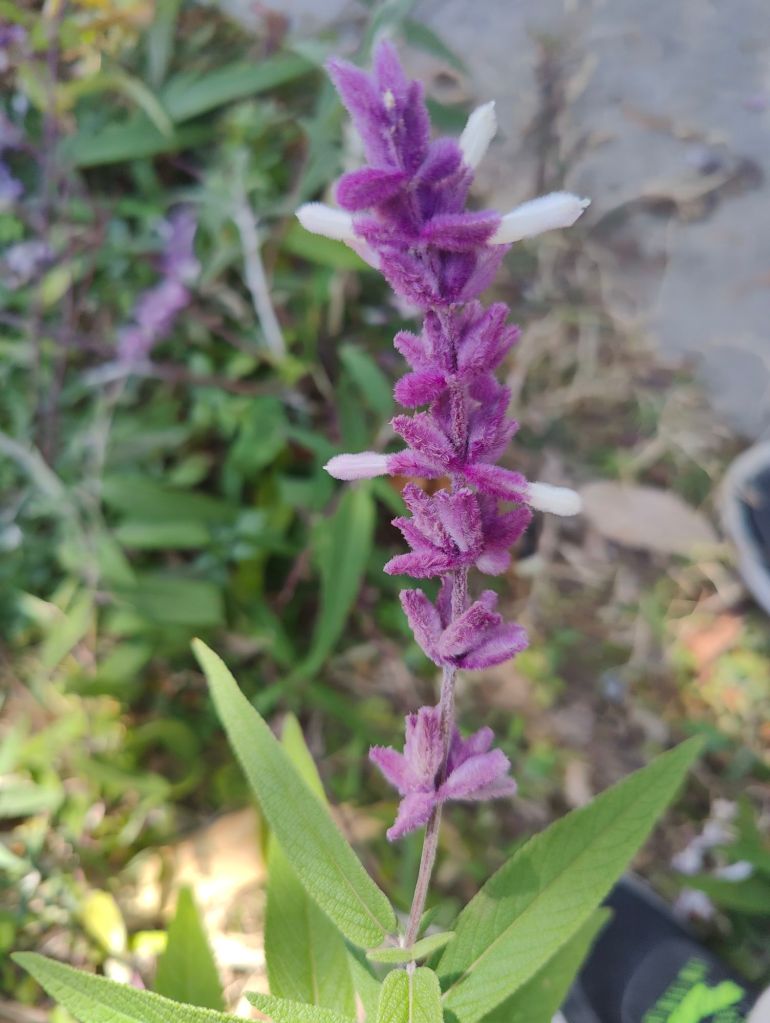
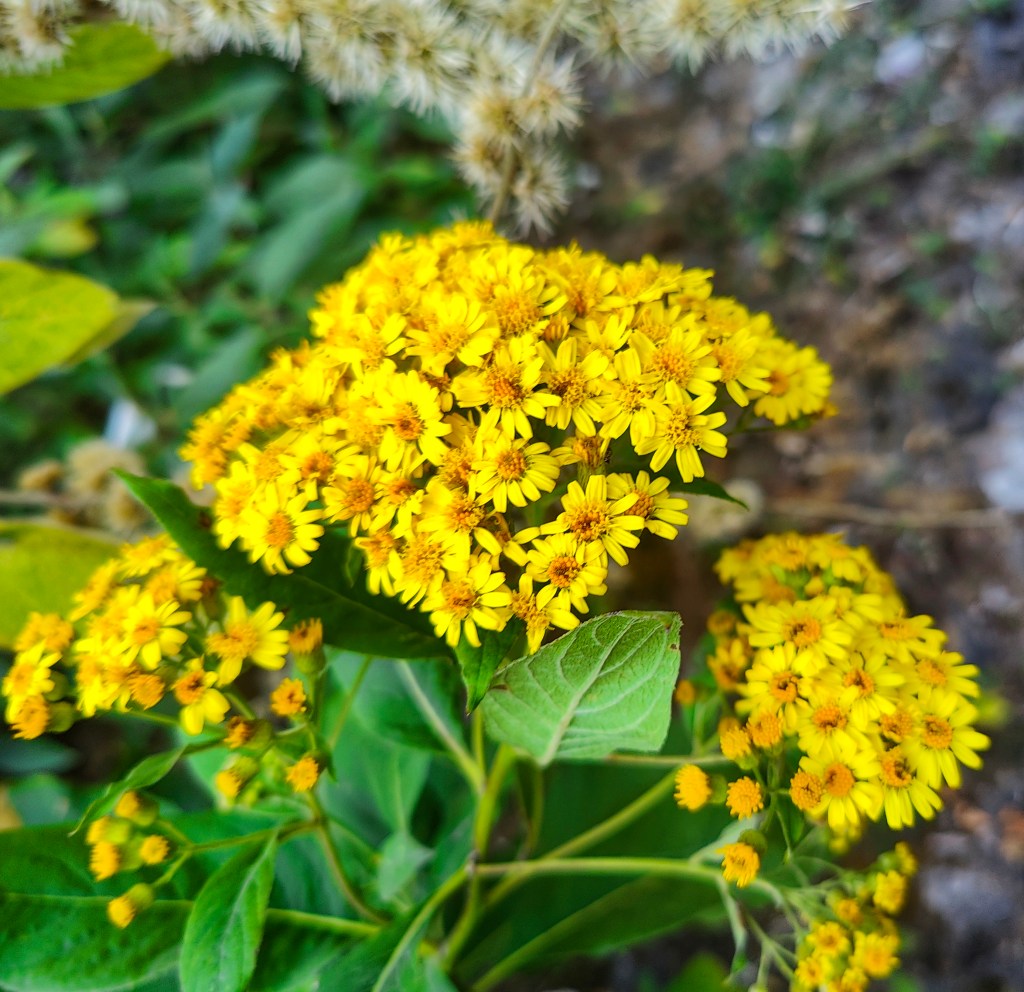
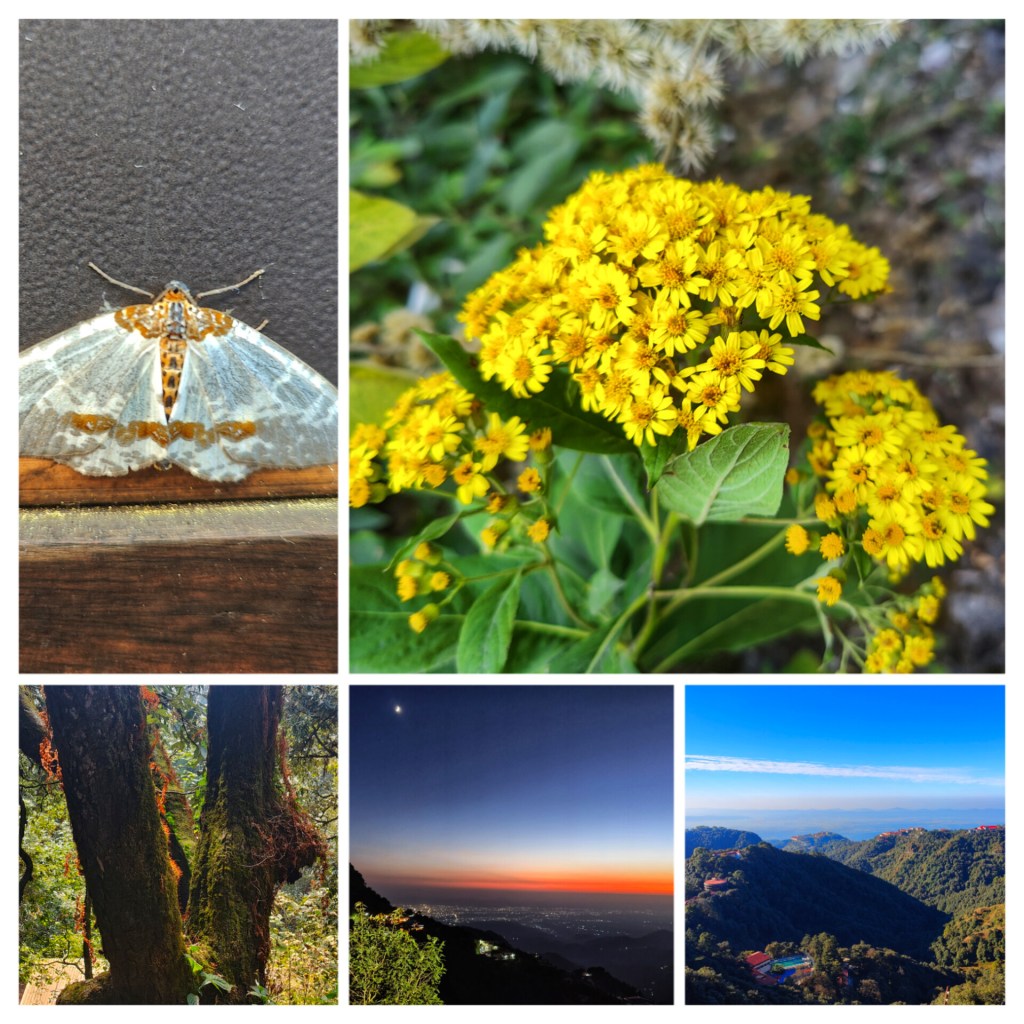
© Lovely flowers of Asteraceae family

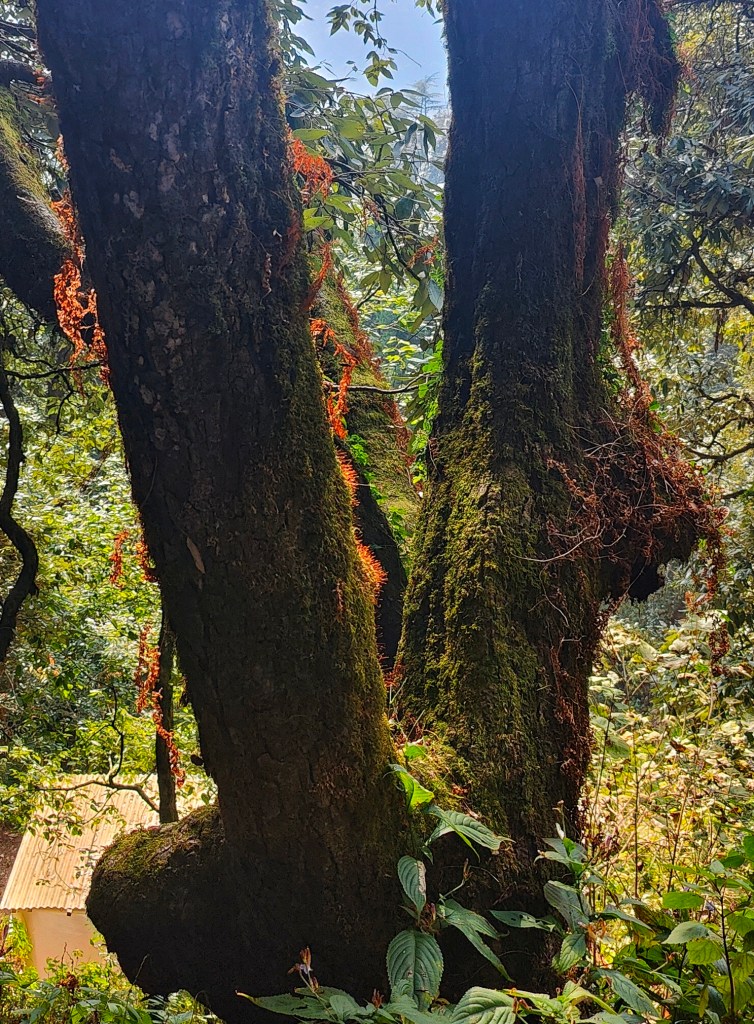
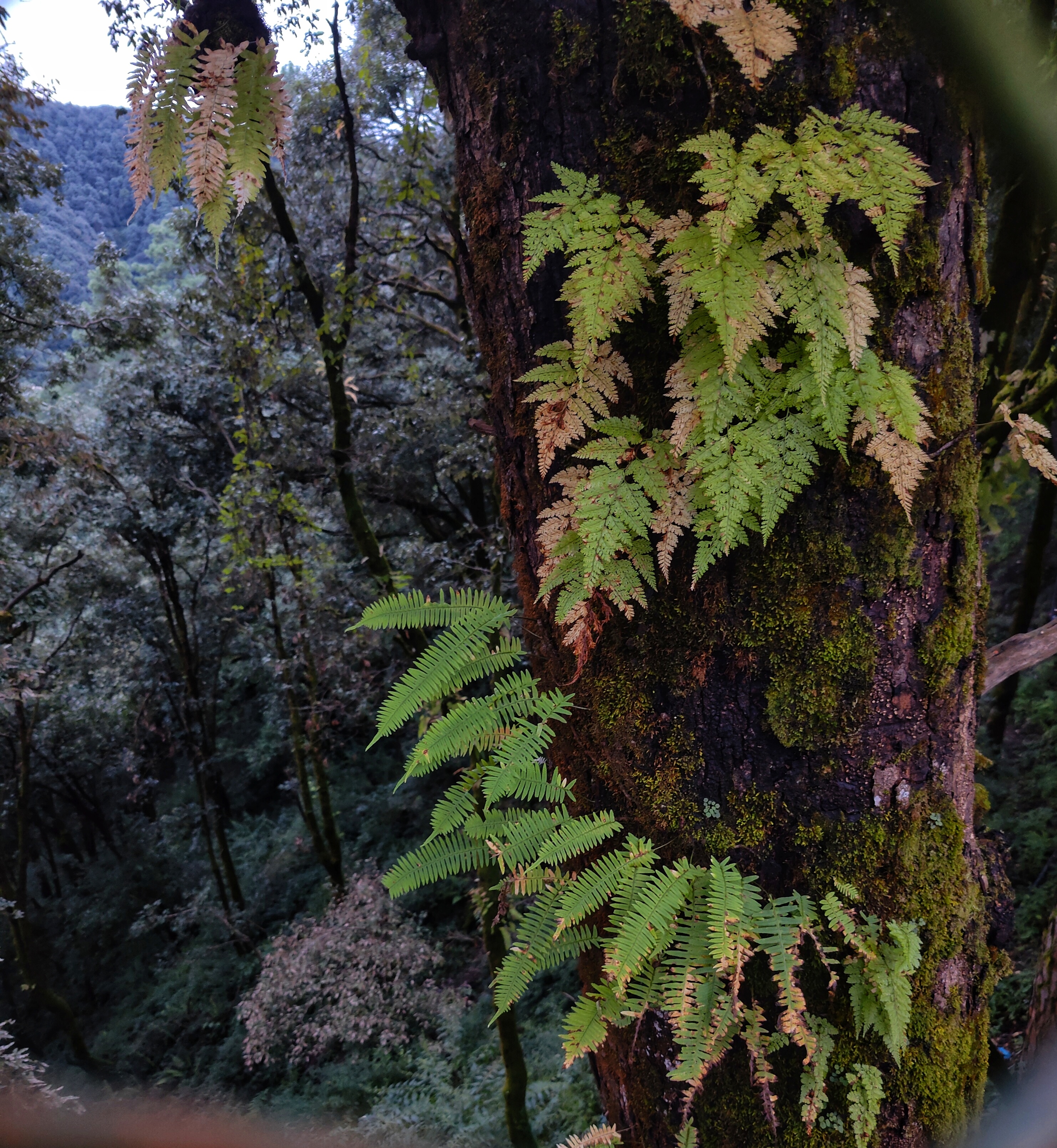
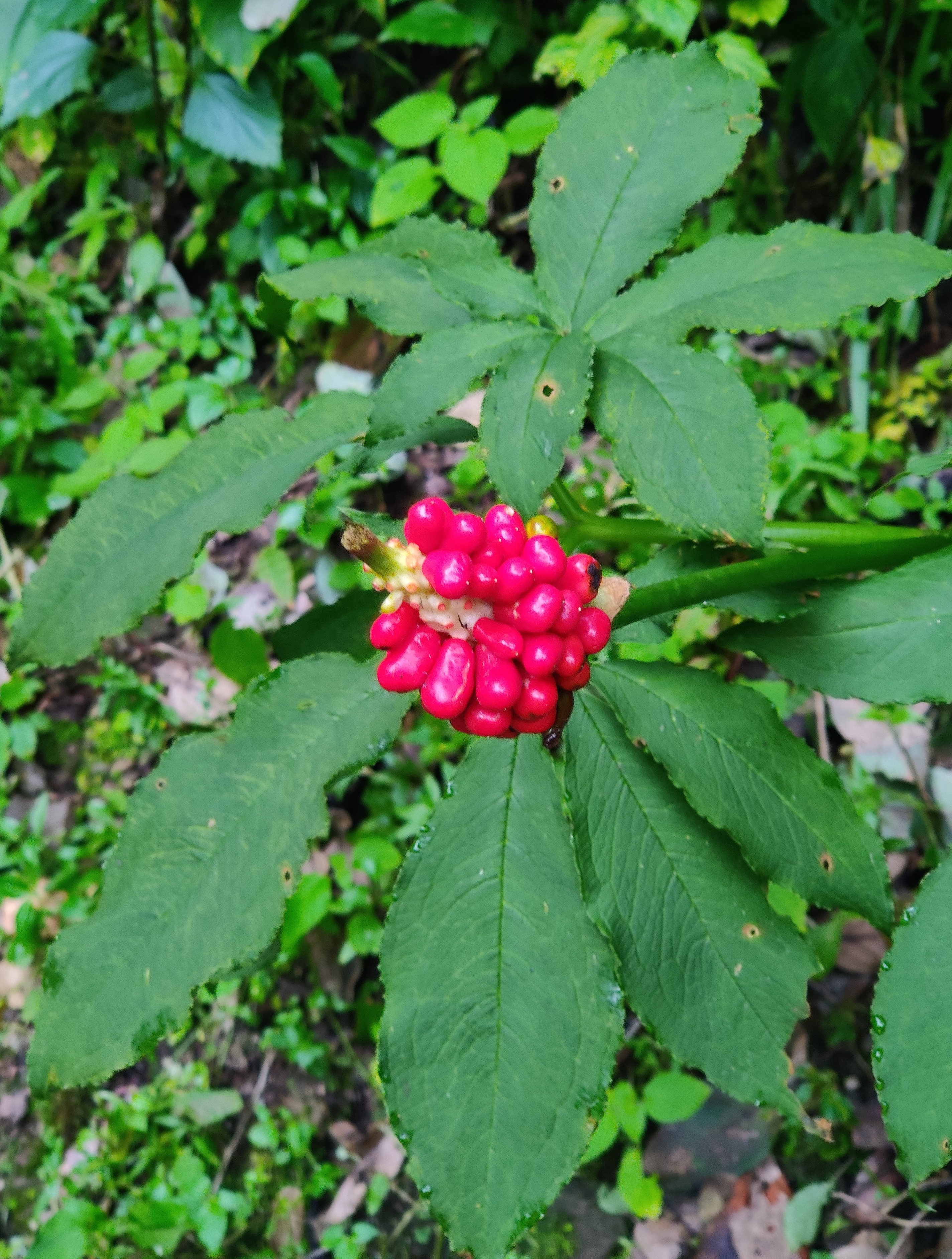
The ferns turn brown, the fruiting body of cobra lilies turn red, the Dogwood tree leaves wither, the Lantanas turn red, the deodars get ready to embrace the winters by spreading pollens in the air, the Red Admiral butterflies and various species of moths and butterfly flutter around displaying vibrant hues of colours.

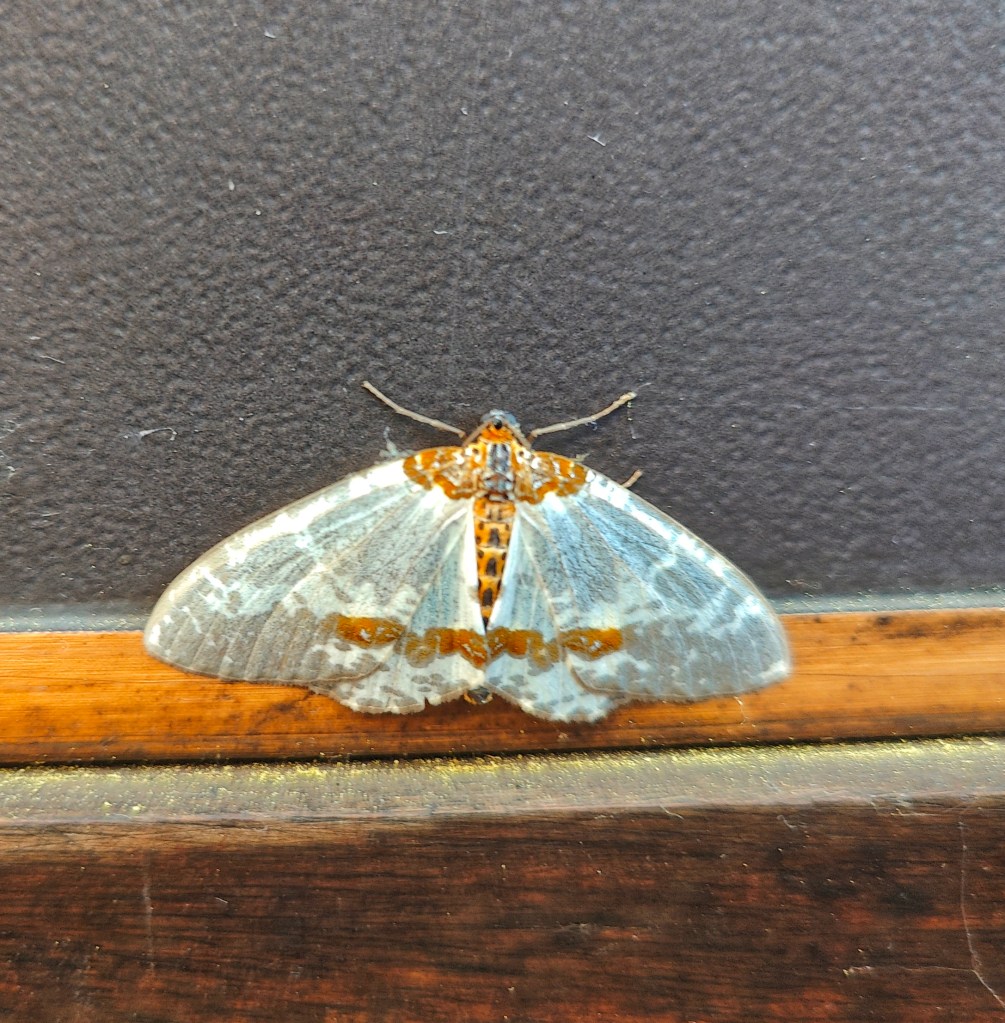
© Magpie moth Landour, Mussoorie
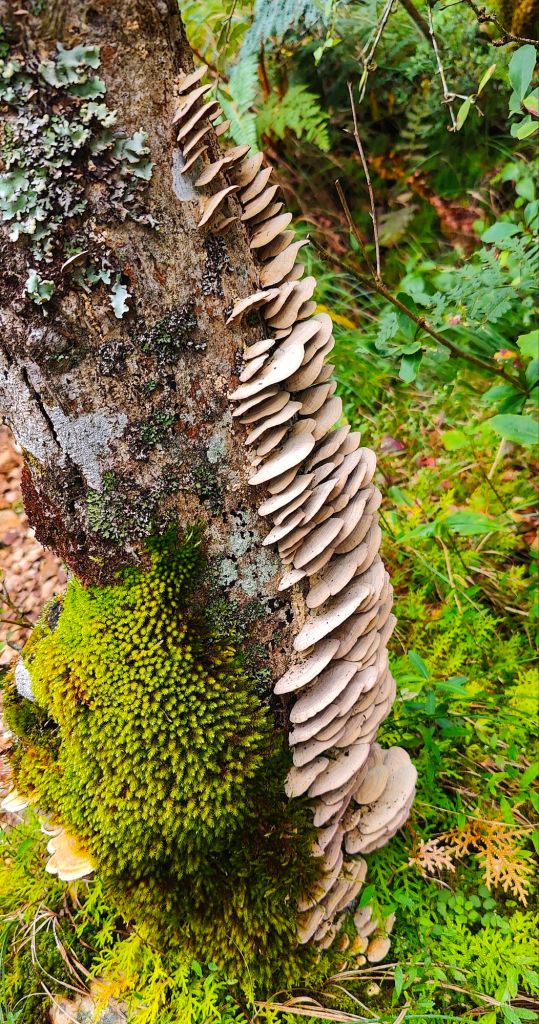
©Ferns turned brown on the tree barks

As the days grow shorter, the sun takes on a different character. Its rays, once fierce and intense, now impart a gentle warmth. The golden sunlight filters through the dissipating monsoon clouds, casting a soft glow on the surroundings. This ethereal interplay of light and shadow creates a captivating ambiance, evoking a sense of tranquility and anticipation. The winter line becomes more distinct during sunsets displaying melodramatic scenery in the sky.

© Winterline, Mussoorie

The cool, mist-laden mornings are another telltale sign of the changing seasons. The air feels crisp and invigorating, carrying with it the earthy fragrance of damp soil and fallen leaves. The fog dances through the hills, lending an air of enchantment to the landscape. As the day progresses, the mist gradually disperses, revealing glimpses of distant valleys and snow-capped peaks, adding a touch of magic to the scenery.

© Sunset amidst clouds, Landour, Mussoorie

The avian inhabitants of Landour also make their presence felt during this transition. The melodious calls of migratory birds fill the air, as they make their way to warmer lands in preparation for the approaching winter. One can hear the distant but distinct call of Mountain Scops Owl. Their vibrant plumage adds splashes of color against the backdrop of the changing landscape, creating a delightful sight for nature enthusiasts and birdwatchers alike.

©Blue whistling thrush

As the temperature gradually drops, the locals begin to prepare for the upcoming winter months. Woolen garments and cozy blankets make their appearance in the markets, while the aroma of hot beverages and comforting winter delicacies wafts through the streets.

© Dehradun at night

The town comes alive with a palpable sense of anticipation, as residents and visitors alike eagerly await the arrival of winter. The clear evening sight of the twinkling city of Dehradun over the hills is captivating.

© Nature’s Rhapsody of Season Change.. Landour, Mussoorie

Thank you for reading !!

Like, share and follow. 🙂

https://www.facebook.com/Dr.ChandrimaDebi/

https://www.instagram.com/debichandrima/

https://www.sumanmitra.com/

https://linktr.ee/chandrimadebi

©All images and content are subjected to copyright

© 2023 http://www.chandrimadebi.com

http://www.chandrimadebi.com

A Tale of Two Lantana Flowers: Landour, Mussoorie

Nestled in the beautiful landscape of Landour, Mussoorie lies the abode of different species of flowering as well as non flowering plants. Among them, that blooms with vibrant colors is the Lantana flower. This picturesque hill station is home to not one, but two varieties of Lantana flowers, each with its own unique charm and allure. In this blog post, I will take you on a journey through the captivating world of Lantana flowers, exploring their characteristics, symbolism, and the captivating tales associated with these beautiful blooms.

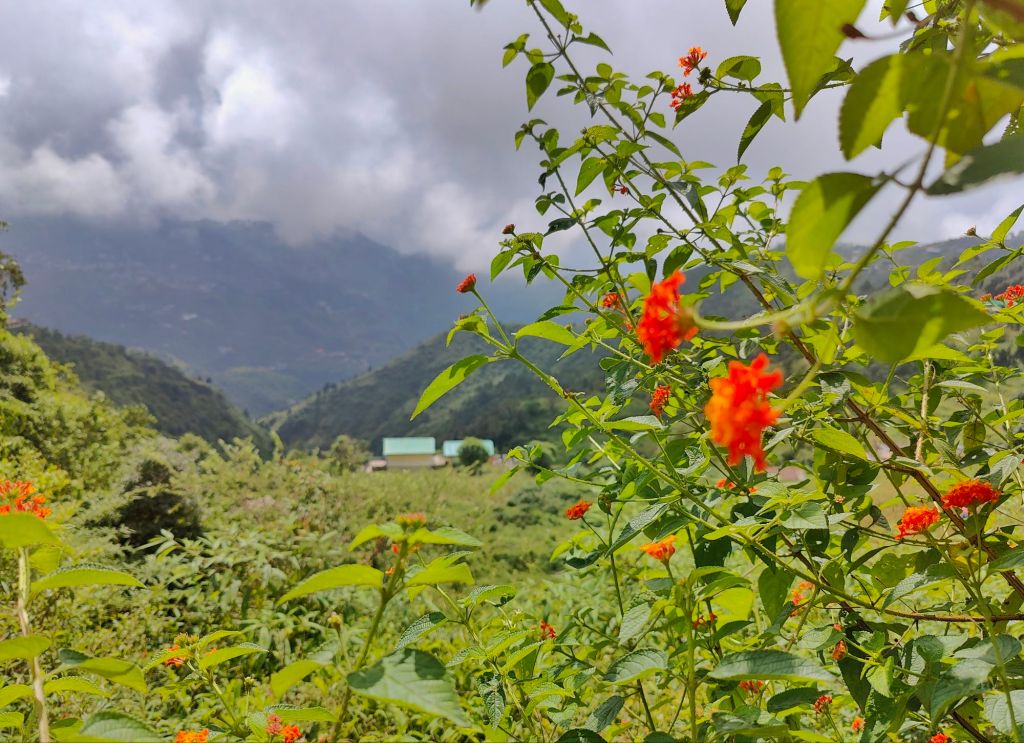
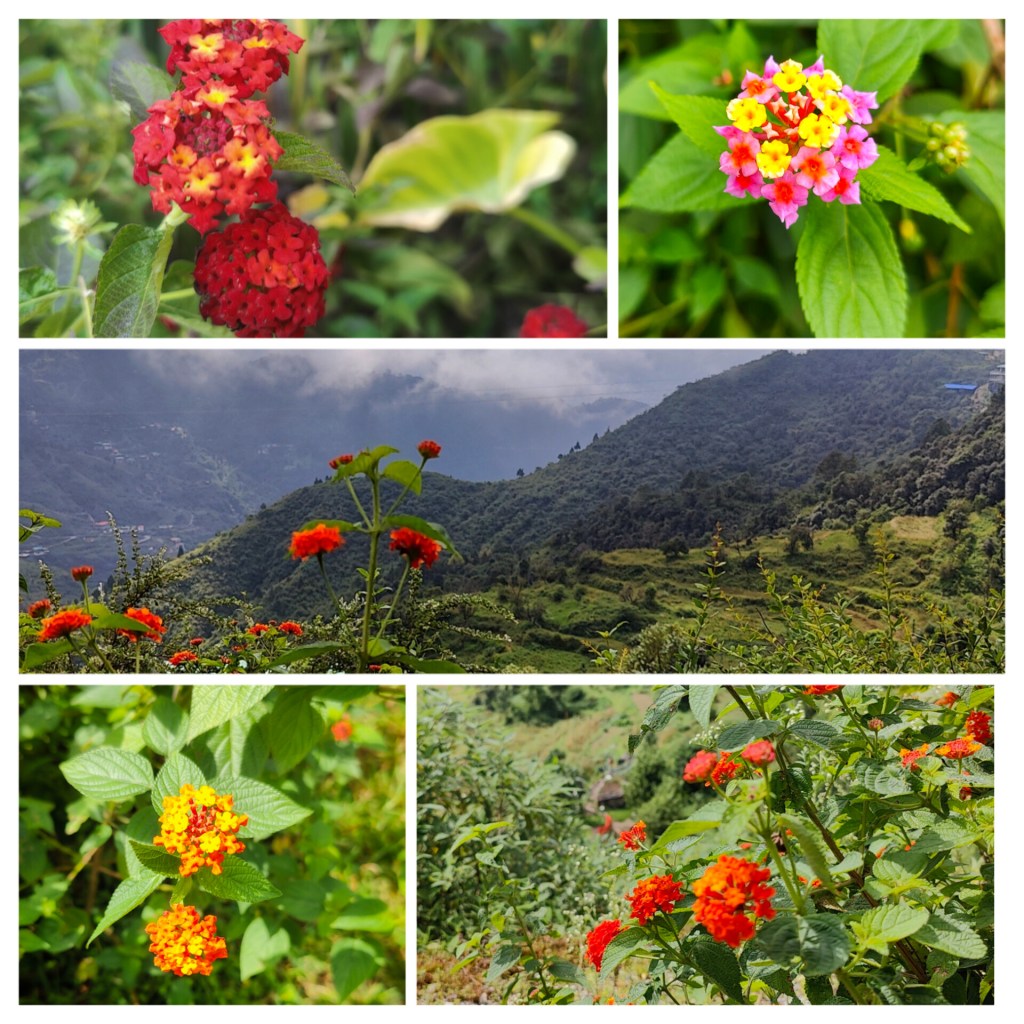
©Lantanas overlooking the valley

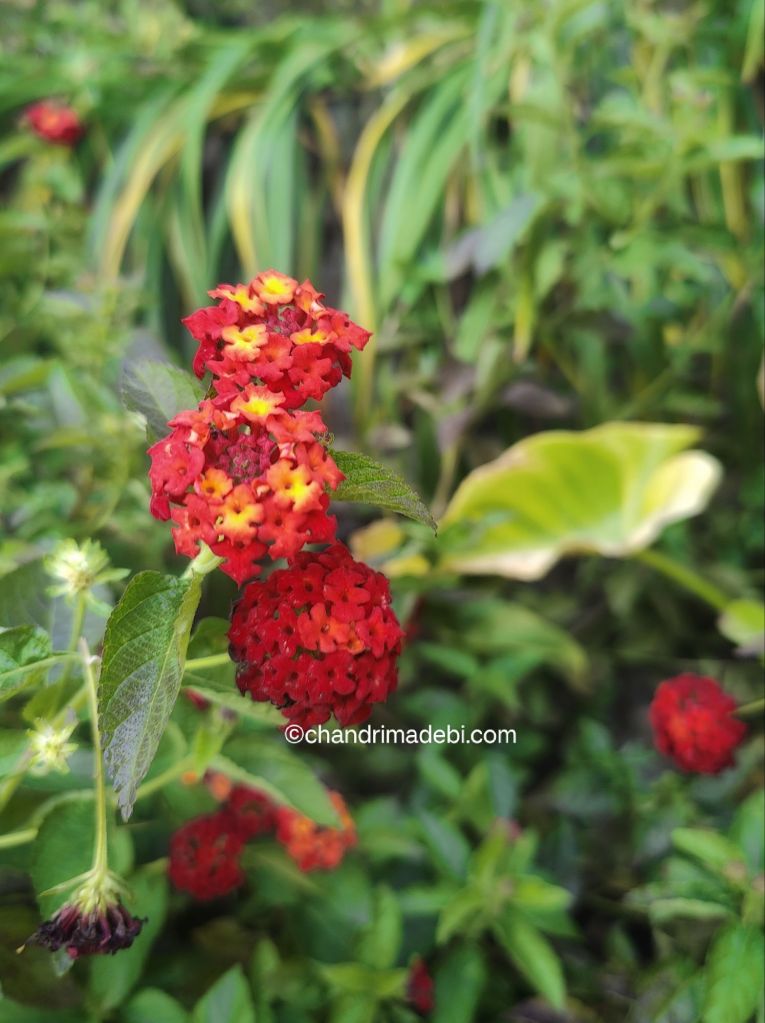
As I wandered through the enchanting town of Landour, Mussoorie, I couldn’t help but be captivated by the vibrant bursts of color that adorned the pathways. Amongst the many flowers that graced this picturesque landscape, was the reddish – yellow lantana flower that truly stole my heart. The red lantana flower, with its fiery hue, seemed to exude a sense of passion and vitality. Its velvety petals opened up to reveal a cluster of tiny tubular blooms, each one a testament to the intricate beauty found in nature. What fascinated me most about the reddish yellow lantana flower was its ability to withstand the harsh mountain climate of Landour. Despite the chilly temperatures and occasional snowfall, these resilient flowers thrived, blanketing the hillsides with their vibrant presence. It was as if they were a symbol of strength and resilience, reminding me of the indomitable spirit that can be found in even the harshest of environments. In the past, it was believed that the flower brought good luck and prosperity, and many households adorned their balconies and gardens with these magnificent blooms. It would have been heartwarming to see how a simple flower could hold such meaning and play a role in the lives of the people who called this place home. The red lantana was a symbol of the beauty and resilience that can be found in unexpected places.

There is also another variety of Lantana which is pinkish yellow in colour. Among the various shades, it is the pinkish-yellow lantana that steals the show, radiating warmth and joy. Its sunny hue stands out against the lush green foliage, creating a picturesque sight that is hard to resist. But the pinkish yellow lantana is more than just a pretty face. It is a symbol of endurance, adapting effortlessly to the changing seasons of Mussoorie. From the scorching heat of summer to the chilly winters, this resilient flower continues to bloom, bringing a ray of sunshine to the town.

Beneath its cheerful exterior lies a tale of resilience and survival. The pinkish-yellow lantana thrives in the hilly terrain, withstanding the challenges posed by the steep slopes and erratic weather. Its hardy nature and ability to grow in even the most adverse conditions make it a favorite among gardeners and nature enthusiasts alike. Beyond its physical attributes, the pinkish-yellow lantana holds a special place in the hearts of the locals. It is a symbol of hope and positivity, reminding them to embrace life’s challenges with grace and determination. The sight of these vibrant blooms lining the trails and pathways is a constant reminder of the beauty that can be found in even the most unexpected places. As I continued my exploration of Landour, the tale of the lantana flower stayed with me, reminding me of the resilience and beauty that can be found in the unlikeliest of circumstances.

Lantana camara is a summer to fall blooming flower belonging to the family Verbenaceae. The flowers are arranged in the form of clusters. The blossoms on every cluster unfurl in a specific arrangement, starting from the core and extending outwards. Lantana bud blooms typically possess a single hue while closed, only to unfurl into a different shade upon opening. Subsequently, these blossoms transform in color as they mature. Like a bouquet of blooms containing blossoms of varied stages, it frequently exhibits varying hues at its core and periphery.

The evolution of lantana’s colors can easily be witnessed in your own garden, as the seasons progress. The vibrant colours of Lantana attract ideal pollinators like bees and various insects. The flowers exhibit lighter shades of yellow in the beginning to attract maximum pollinators and gradually turns purple to reddish when pollination time is almost over. There are various secondary metabolites in plants like anthocyanin, carotenoids etc. which are responsible for the vibrant colours of Lantana flowers.

If you come across any other variety of Lantana flowers in and around Landour, Mussoorie, please share it, I would love to see them.

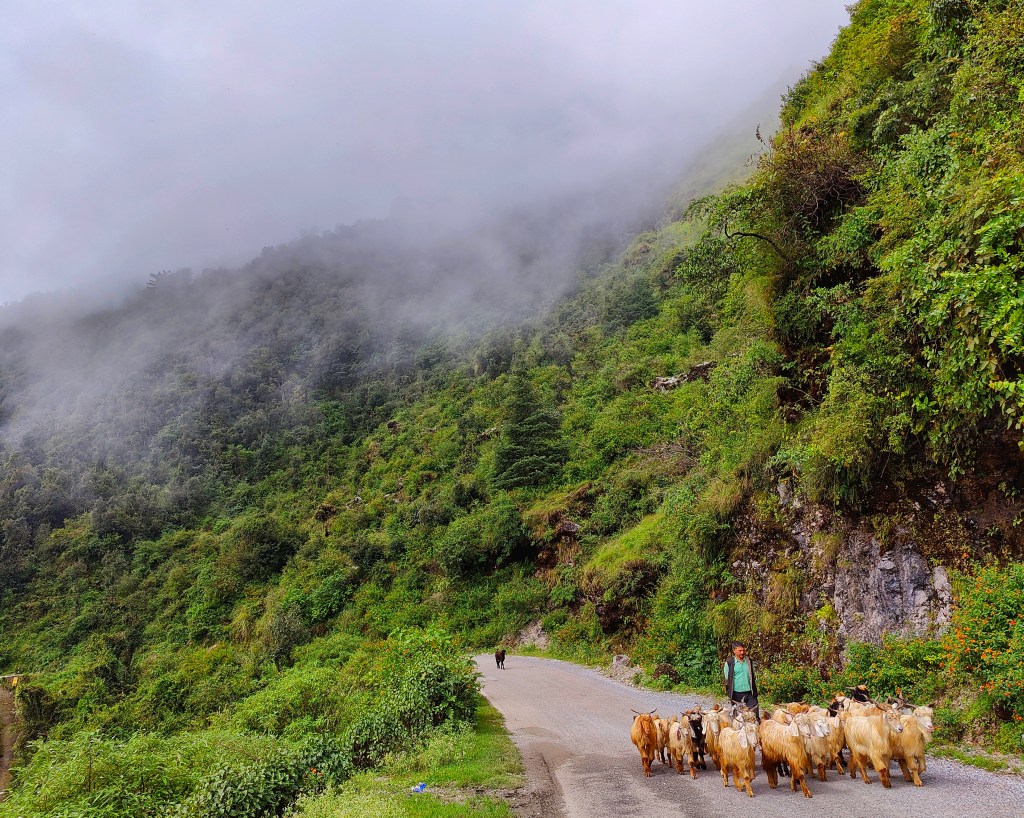
©A shepherd with his lambs near the hillside of Landour, Mussoorie

PS: This plant was introduced in India long back as an ornamental plant, but later on it gradually overspread all over the subcontinent. Nowadays, alongwith Mexican Devil, it’s a threat to the local biodiversity.


Thank you for reading !!

Like, share and follow. 🙂

https://www.facebook.com/Dr.ChandrimaDebi/

https://www.instagram.com/debichandrima/

https://www.sumanmitra.com/

https://linktr.ee/chandrimadebi

©All images and content are subjected to copyright

© 2023 chandrimadebi http://www.chandrimadebi.com

Fun Outdoor Camping Activities for Enthusiastic Young Explorers

Outdoor camping offers an incredible opportunity for children to explore nature, disconnect from screens, and engage in thrilling activities. Apart from the traditional campfire stories and toasting marshmallows, camping games play a vital role in keeping the little ones entertained and energized throughout their outdoor adventure. In this blog post, we have compiled a list of diverse camping games and activities that will ensure a memorable and exciting time for your children in the great outdoors.

1. Scavenger Hunt:
Who doesn’t love a scavenger hunt? This classic game is perfect for camping. Create a list of natural items or objects that can be found around your campground. Divide the children into teams, provide them with the list, and watch as they eagerly search for the items. The first team to find all the items or complete the list wins.

2. Nature Bingo:
Nature Bingo is a fun way to explore and learn about the environment while camping. Create bingo cards with various nature-related items such as leaves, rocks, birds, or insects. Encourage children to find these items around the campground and mark them off their cards. The first one to complete a line or get a full bingo wins.

3. Capture the Flag:
Capture the Flag is a classic outdoor game that can be adapted for camping. Divide the children into teams, creating a boundary area they cannot cross. Place two flags at opposing ends of the camping area. The objective is for each team to try and capture the other team’s flag without getting caught. This game involves stealth, teamwork, and a whole lot of running!

4. Flashlight Tag:
As dusk falls and the stars emerge, flashlight tag becomes a thrilling activity to play. Designate a playing area and choose one child to be “it.” The rest of the kids must navigate the dark in an attempt to avoid being tagged by the light beam from the flashlight. Once touched by the light, the person who was “it” changes, allowing for multiple rounds of excitement.

5. Outdoor Olympics:
Channel your inner Olympian and organize an outdoor camping Olympics. Create stations where children can compete in different sporting challenges such as sack races, three-legged races, tug of war, or even balancing competitions. Award medals or certificates to the winners, igniting a sense of accomplishment and friendly competition amongst the little campers.

6. Nature Art:
Unleash the little artists within the children by incorporating nature art into your camping activities. Encourage them to express their creativity by making leaf rubbings, creating pinecone sculptures, painting rocks, or building fairy houses using natural materials. This activity connects them with nature while sparking imagination and artistic expression.

7. Stargazing and astronomy activities:
Stargazing and astronomy activities are a perfect way to ignite the curiosity and imagination of your little adventurers during a camping trip. The dark, clear night sky offers a canvas of endless possibilities, and with a little guidance, your kids can embark on a cosmic journey right from their campsite. To start, it’s essential to find a location away from city lights, ensuring a clearer view of the stars. Once you have found the perfect spot, set up cozy blankets or camping chairs, creating a comfortable seating area for your little ones to lie back and enjoy the spectacle above. To make stargazing even more engaging, consider introducing your kids to basic constellations. You can create your own star chart by printing out a map of the night sky or using a stargazing app on your smartphone. Point out distinct shapes and patterns, such as the Big Dipper or Orion’s Belt, and encourage your children to find them among the vast twinkling stars. Another exciting astronomy activity is to identify different celestial objects, such as planets or even the International Space Station (ISS).

Camping games and activities offer a valuable blend of adventure, fun, and learning for children during their outdoor escapes. By incorporating scavenger hunts, nature bingo, capture the flag, flashlight tag, outdoor Olympics, and nature art into your camping itinerary, you can ensure a fantastic and engaging experience for your little adventurers. Remember, the key is to foster creativity, teamwork, and appreciation for the natural world around them, making camping an unforgettable journey for the whole family. 

We hope you found our blog post on different types of camping games and activities for children staying in outdoor camps informative and helpful. Camping is a wonderful opportunity for kids to engage with nature, learn new skills, and have fun. By incorporating some of these suggested games and activities, you can ensure that your camping trip is filled with laughter, adventure, and unforgettable memories. Whether it’s scavenger hunts, campfire storytelling, or outdoor sports, there are endless possibilities to keep children entertained and engaged in the great outdoors. So, pack your bags, gather your little campers, and get ready for an amazing camping experience.


Thank you for reading !!

Like, share and follow. 🙂

https://www.facebook.com/Dr.ChandrimaDebi/

https://www.instagram.com/debichandrima/

https://www.sumanmitra.com/

https://linktr.ee/chandrimadebi

©All images and content are subjected to copyright

© 2023 chandrimadebi http://www.chandrimadebi.com

“Nature’s story: Discovering the seasons through Phenology Walks with Children”

Nature is an ever-changing landscape, and observing these changes can be a magical experience for children as well as for adults. The forests and wilderness are perfect examples which reflect unity in diversity. The tall trees, herbs, shrubs, birds, insects, animals and microorganisms despite being different from one another, passively engage with one another to create perfect balance in the ecosystem. There is so much to learn from the nature, especially how to coexist inspite of differences. I feel nature has solution for everything, it’s just that we have to devote more time close with her, listen her, observe her and learn new ways, better ways to evolve and survive.

In this regard, the study of phenology can be a wonderful way to explore the natural world with kids. Phenology is the study of the cyclic and seasonal natural phenomena,  especially in relation to climate and plant and animal life. These walks can help children learn about the seasons, the cycles of life, and the interconnectedness of all living things. As you walk with your children, you can observe and identify different plants and animals, and track their changes throughout the year. In this post, we will explore the benefits of phenology walks with children and provide some tips on how to make the most of these seasonal nature walks. So, put on your hiking boots, grab your kids, and let’s explore the wonders of nature together!

1. What is phenology?Phenology is the study of the seasonal changes in plants and animals in response to climate and environmental changes. This study can include a wide range of observations, from the timing of the first flowers in spring to the migration patterns of birds in winter. By observing these changes, we can gain a better understanding of how ecosystems function and how they are impacted by changes in climate and weather patterns.
Phenology walks with children can be a fun and educational way to explore the natural world and learn about the changes that occur throughout the year. By observing the plants and animals in their local environment, children can learn about the different stages of growth and development and how these are influenced by the changing seasons. These walks can also help children to develop a deeper appreciation and understanding of the natural world and the important role that it plays in our lives.

Phenology is the study of the seasonal changes in plants and animals in response to climate and environmental changes. This study can include a wide range of observations, from the timing of the first flowers in spring to the migration patterns of birds in winter. By observing these changes, we can gain a better understanding of how ecosystems function and how they are impacted by changes in climate and weather patterns.

Phenology walks with children can be a fun and educational way to explore the natural world and learn about the changes that occur throughout the year. By observing the plants and animals in their local environment, children can learn about the different stages of growth and development and how these are influenced by the changing seasons. These walks can also help children to develop a deeper appreciation and understanding of the natural world and the important role that it plays in our lives.

2. The benefits of experiencing nature through phenology walks

Phenology walks are a fantastic way to experience nature and all its beauty throughout the seasons and they come with numerous benefits. For starters, these walks are a great way to teach children the importance of observing and documenting changes in nature across different seasons. By carefully observing and recording these changes, children can learn about the various cycles in nature such as plant growth, animal behaviour, and more. It’s a fun and engaging way to learn about the world around us and develop an appreciation for the environment.
Moreover, phenology walks offer a chance for children to get some fresh air and exercise while immersing themselves in the natural world. Studies have shown that spending time in nature can have a positive impact on both mental and physical health. It can help reduce stress, increase creativity and focus, and improve overall well-being. Phenology walks can also be a great way for families to bond and connect with one another as they explore and discover the wonders of nature together.


Additionally, participating in phenology walks can help instill a sense of responsibility and care for the environment in children. By understanding the importance of preserving nature, children can learn to be more environmentally conscious and develop habits that support a more sustainable future. Overall, the benefits of experiencing nature through phenology walks are numerous and can inspire a lifelong love and appreciation for the natural world in children.

3. How to plan and prepare for a phenology walk with children

Planning and preparing for a phenology walk with children involves a number of important steps. First, you should choose a location that is safe and appropriate for children of all ages. This could be a nearby park, nature reserve, or even your own backyard. Make sure to research the area beforehand and choose a route that is suitable for your group.
Next, it’s important to educate yourself and your children about the plants and animals you might encounter on your walk. This could involve reading books, watching videos, or even taking a field trip to a local nature centre. You want to make sure that everyone is prepared to observe and identify the different species you may come across.

Before the walk, it’s also important to pack the right supplies. This could include snacks and water, sunscreen and bug spray, comfortable walking shoes, and weather-appropriate clothing. You may also want to bring along a notebook or journal, binoculars, and a camera to help with observations.
During the walk, it’s important to encourage children to use all their senses to observe and document the changes they see. You can ask questions, prompt them to take notes or drawings, and engage them in discussions about what they are seeing and learning.
Finally, after the walk, you can use the data collected to create a phenology calendar that shows the changes in the natural world throughout the year. This is a great way to continue the learning and to encourage children to keep observing and exploring nature on their own.

4. Equipment and materials needed for a successful walk

When planning a phenology walk with children, it’s important to make sure that you have the right equipment and materials to ensure a safe and successful experience. Here are some essential items to consider:
1. Comfortable clothing: Make sure that children wear comfortable clothes appropriate for the weather and terrain. Layers are a great idea, as temperatures can change quickly in nature.
2. Sturdy footwear: Closed-toe shoes with good traction are a must. Hiking boots or sneakers with good ankle support are recommended.
3. Sun protection: Sunscreen, hats, and sunglasses are important to protect children from harmful UV rays.


4. Insect repellant: Depending on where you live and the time of year, insects can be a problem. Make sure to bring insect repellant to keep the bugs at bay.
5. Water and snacks: Children will likely get thirsty and hungry during the walk, so bring plenty of water and healthy snacks to keep energy levels up.
6. Field guides: Field guides are great resources for identifying plants, animals, and insects. Consider bringing a few field guides that are appropriate for the area you’ll be exploring.
7. Binoculars and magnifying glasses: These tools can help children get a closer look at plants, birds, and insects.
By making sure that you have the right equipment and materials, you’ll be able to provide children with an engaging and safe phenology walk that they’ll remember for years to come.

5. Exploring the changing seasons through phenology walks

During phenology walks, children can observe the different stages of plant growth and the behaviour of animals in their natural habitat. They can look for signs of spring, such as the first buds on trees and the emergence of new leaves, or signs of fall, such as changing leaf colours and the migration of birds, appearance and disappearance of ferns.

Phenology walks can be done in any natural setting, whether it be a local park, a nature reserve, or even in your own backyard. It is a great way to get children outside and engaged with the natural world, and it can also help them develop important observational skills.
By taking children on phenology walks throughout the year, they can gain a deeper understanding and appreciation for the natural world and the changing seasons. It’s a great way to spark curiosity and inspire a lifelong love of nature.

6. Activities for children during a phenology walkPhenology walks can be an amazing experience for children as they get to explore nature and learn about the changes that happen in the environment throughout the year. Here are some great activities for children during a phenology walk:
1. Nature Scavenger Hunt: Create a list of different items that can be found in nature such as leaves, flowers, insects, or animal tracks. Encourage the children to find as many items as they can during the walk.
2. Nature Journaling: Bring along a notebook or journal for each child and encourage them to draw or write about the things they see on the walk. This is a great way for them to document their observations and memories of the experience.

Phenology walks can be an amazing experience for children as they get to explore nature and learn about the changes that happen in the environment throughout the year. Here are some great activities for children during a phenology walk:
1. Nature Scavenger Hunt: Create a list of different items that can be found in nature such as leaves, flowers, insects, or animal tracks. Encourage the children to find as many items as they can during the walk.
2. Nature Journaling: Bring along a notebook or journal for each child and encourage them to draw or write about the things they see on the walk. This is a great way for them to document their observations and memories of the experience.

3. Leaf Rubbings: Bring along paper and crayons for the children to make leaf rubbings. This is a fun activity that allows them to explore the different shapes and textures of leaves.
4. Nature Photography: If you have a camera or a smartphone with a camera, encourage the children to take pictures of the things they see on the walk. This is a great way for them to capture their observations and to share their experiences with others.
5. Storytelling: Encourage the children to tell stories about the things they see on the walk. This is a great way for them to use their imaginations and to practice their storytelling skills.
By incorporating these activities into a phenology walk, children can have a fun and educational experience that helps them connect with nature and learn about the changes that happen throughout the seasons.

7. Engaging children in the scientific process through phenology walks

Phenology walks are a great way to engage children in the scientific process while also immersing them in nature. Phenology is the study of seasonal changes in plants and animals, such as the timing of leaf growth, bird migration, and insect emergence. By observing and recording these changes in their local environment, children can learn about the natural world and how it changes throughout the year.
Phenology walks can be done in any outdoor space, from a local park to a school yard. Children can use simple tools such as a notebook, pencil, and camera to document what they observe. They can take notes on the weather, temperature, and which plants and animals they see. They can also take pictures of the plants and animals they observe to help identify them later.

Engaging children in phenology walks not only helps them learn about the natural world, but it also teaches them important scientific skills. They learn to make observations, record data, ask questions, and analyze results. These skills are transferable to other subjects and will serve them well throughout their education.
Phenology walks are a great way to get children outside and exploring nature. They provide opportunities for learning, curiosity, and discovery. By engaging children in the scientific process through phenology walks, we can help them develop a deeper understanding and appreciation of the natural world around them.

8. The connection between phenology and conservation efforts

Phenology is not only fascinating but also an important tool for conservation efforts. It helps us to understand the changes taking place in the natural world and how these changes impact ecosystems and wildlife. By studying the timing of natural events such as the blooming of flowers or the migration of birds, we can identify patterns and changes that can be used to guide conservation efforts.
For example, if we notice that certain bird species are migrating earlier each year, this could indicate a change in their food source or habitat. By monitoring these changes, we can take action to protect the habitats and food sources of these species before it’s too late.

Involving children in phenology walks can help to instill a sense of responsibility and appreciation for the natural world. By understanding the connection between phenology and conservation efforts, children can begin to see how their actions impact the environment and how they can make a positive difference. Phenology walks can also be a great opportunity to discuss environmental issues and brainstorm ways to address these challenges.

9. Incorporating phenology walks into educational programs

Phenology walks can be a great addition to educational programs, especially those focused on science and environmental studies. By observing the changes in the natural world over time, children can learn about the cycles of life and how different organisms adapt to the changing seasons.
Phenology walks can be scheduled as a regular part of the school curriculum or as a special activity during field trips or outdoor learning sessions. During these walks, students can take notes or draw pictures of what they see, which can be used to create a visual record of the changes they observe over time. This can be a great way to engage students who may not be interested in traditional classroom learning.

Phenology walks can also be used to teach important scientific concepts, such as the difference between weather and climate, the impact of seasonal changes on animal behaviour, and the importance of biodiversity in maintaining healthy ecosystems. By incorporating phenology walks into educational programs, teachers can provide a hands-on learning experience that is both fun and informative for students.

10. The long-term impact of phenology experiences on children’s attitudes toward nature.

Phenology walks can have a significant and long-term impact on children’s attitudes toward nature. By regularly observing and documenting the changes in nature over time, children develop a deeper understanding and appreciation for the natural world around them. This can lead to a greater sense of environmental responsibility and a desire to protect and conserve the natural environment.

In addition, phenology experiences can also help to foster a sense of curiosity and wonder in children, encouraging them to explore and learn more about the world around them. This can lead to greater engagement with science and the natural world, and may even inspire some children to pursue careers in environmental science or related fields.

Overall, phenology walks are a valuable tool for connecting children with nature and helping them to develop a deeper understanding and appreciation for the natural world. By engaging children in regular phenology experiences, we can help to cultivate a new generation of environmental stewards who are committed to protecting and conserving our planet for future generations.

In conclusion, we hope that this article has inspired you to take a phenology walk with your children and explore nature’s seasons together. Not only is it a wonderful way to spend time together, but it also provides a great opportunity for children to learn about the natural world around them. By observing and recording the changes in nature, children can gain a deeper appreciation and understanding of the natural world. So, grab your walking shoes, pack a snack, and hit the trail with your little ones for an adventure in the woods.


Thank you for reading !!

Like, share and follow. 🙂

https://www.facebook.com/Dr.ChandrimaDebi/

https://www.instagram.com/debichandrima/

https://www.sumanmitra.com/

https://linktr.ee/chandrimadebi

©All images and content are subjected to copyright

© 2023 chandrimadebi http://www.chandrimadebi.com

From Nature to Plate: A Student’s Guide to Foraging

There’s something magical about finding food in the wild. It connects us to nature and reminds us of our primitive roots. Foraging for food can be an exciting way to explore the outdoors and a great way to add some unique flavors to your meals. The Himalayan region is a treasure trove of wild edible plants like Himalayan raspberry (Rubus ellipticus), sorrels, kafal, kingor etc. In this post, we’ll guide you through the process of foraging for these delicious and nutritious plants. From identifying the plants to preparing them for the plate, we’ll cover everything you need to know to make the most of your foraging experience. So grab your basket and join us on a journey from nature to plate!

1. The basics of foraging for wild edibles

Foraging for wild edibles can be an exciting and fulfilling experience. However, it’s important to know the basics before you start. The first step is to identify the plants you want to forage. Make sure to do your research and learn everything you can about the plants you’re interested in. This can include their physical characteristics, preferred growing conditions, and whether or not they’re safe to eat.
Next, you need to find the right location. Look for areas that are free from pollution, pesticides, and other harmful chemicals. National parks, nature reserves, and other protected areas are great places to start. However, before you go foraging, make sure you obtain any necessary permits and follow any regulations in place. You don’t want to damage the environment or get in trouble with the law.
When foraging, it’s important to be aware of your surroundings and respect the environment. Don’t take more than you need and avoid damaging the plants or their habitats. It’s also a good idea to bring a field guide or foraging app with you to help identify plants and avoid any potentially harmful species.
Lastly, always be cautious when trying new plants. Start by consuming a small amount and wait to see if you have any adverse reactions before consuming more. With these basics in mind, you can safely and responsibly enjoy the benefits of foraging for wild edibles.

© Collecting Himalayan Raspberry

2. Safety First: Precautions to Take When Foraging

Foraging can be a fun and rewarding experience, but it’s important to take precautions and ensure your safety before venturing out into the wild. Here are some things to keep in mind:
1. Know what you’re looking for: Before heading out to forage, do your research and make sure you can identify the plants you’re looking for. Bring a field guide or foraging app with you to help you identify plants. It’s important to be able to distinguish between edible and poisonous plants.
2. Get permission: If you’re foraging on private property, make sure you have permission from the landowner. Some areas may also have specific regulations or permits required for foraging, so it’s important to check beforehand.
3. Dress appropriately: Wear long sleeves and pants to protect against ticks and other insects. Bring gloves and avoid wearing open-toed shoes. It’s also a good idea to bring a hat and sunscreen for protection against the sun.
4. Bring the right tools: Depending on what you’re foraging for, you may need a knife, scissors, or pruning shears. Make sure to pack your tools safely and securely.
5. Watch out for wildlife: Be aware of your surroundings and keep an eye out for wildlife. Depending on where you’re foraging, you may encounter snakes, scorpions, insects, bears, or other potentially dangerous animals.
6. Avoid picking near roads: Plants growing near roads may be contaminated with pollutants or chemicals from car exhaust. It’s best to stick to areas away from roads.
By taking these precautions, you can ensure a safe and enjoyable foraging experience.

3. The benefits of foraging for wild edibles

Foraging for wild edibles is a great way to connect with nature and reap the benefits of fresh, organic produce. When you forage, you’re harvesting plants from their natural environment, which means they haven’t been treated with any pesticides or chemicals. This makes foraging a great way to get fresh and healthy food for free.
Another benefit of foraging is that it’s a sustainable way of sourcing food. Instead of relying on industrial agriculture, which can be harmful to the environment, foraging allows you to source food in a way that is in harmony with nature. It also reduces the carbon footprint associated with producing, transporting, and packaging food.
Foraging can also be a fun and educational activity. When you forage, you get to learn about the different plants in your area and how they can be used for food and medicine. It’s a great way to connect with nature and learn about the local ecosystem.
Finally, foraging can be a great way to save money on your grocery bill. Instead of buying expensive organic produce at the grocery store, you can source fresh, organic food for free in your own backyard. So, if you’re looking for a way to eat healthy, sustainably, and on a budget, foraging for wild edibles might be just what you need.

4. The tools you need to get started with foraging

Before you start with foraging, it’s important to have the right tools with you. Some of the essential tools that you might need include a field guide or handbook to help you identify different plants, berries, and nuts. You could also carry a small knife, scissors, or pruning shears to help you collect the plants and berries without damaging them.
It’s also important to dress appropriately for the task. Wear comfortable and sturdy shoes, preferably hiking boots, as you might be walking on uneven terrain. Long pants and long-sleeved shirts are recommended to protect your skin from insect bites, cuts, and scratches. A hat and sunscreen are also necessary, especially if you’re foraging in the summer months.
It’s important to note that you should never consume any plant or berry without being 100% sure of its identity and safety. Some plants may be poisonous and can cause serious harm if ingested. So, it’s always best to cross-reference your foraged plants with a reliable guidebook or consult an expert before consuming them.
Lastly, it’s important to respect the environment and the plants you’re foraging. Never take more than you need, and avoid damaging the environment or the plants. By following these guidelines, you can safely and responsibly forage for delicious and nutritious wild edibles to enjoy on your plate.

© Collecting Sorrels

5. Introduction to Himalayan Raspberry, Sorrels, and other wild edibles

Foraging wild edibles is a great way to connect with nature and to learn about the foods that grow naturally around us. The Himalayan Raspberry, also known as Hisalu in Uttarakhand, is a common plant found in the Himalayan region. The fruit of the Himalayan Raspberry is similar to that of the common raspberry, but it has a slightly tangier taste.
Another wild edible commonly found in the Himalayan region is sorrels. Sorrels are a type of herb that have a tangy, lemony flavour . They can be used in salads, soups, stews, and even as a garnish for cocktails and other drinks. Sorrels are high in vitamin C and have been used for centuries for their medicinal properties.

Dandelion is one of the most common plants you can find in the wild and is edible, making it an excellent choice for foragers.

It is important to note that when foraging for wild edibles, you should always be sure to properly identify the plant before consuming it. Some plants may look similar to edible plants but can be toxic or harmful. It is also important to only forage in areas that have not been sprayed with pesticides or other chemicals. By taking the time to learn about wild edibles and practicing safe foraging techniques, you can enjoy the delicious and nutritious foods that grow naturally in the world around us.

6. How to identify and locate Himalayan Raspberry, Sorrels etc. and more in the wild

Foraging can be a fun and rewarding activity, but it’s important to know what you’re looking for and where to find it. Some popular wild edibles in the Himalayan region include Himalayan Raspberry, Sorrels, Dandelion, wild berries and more.
To identify Himalayan Raspberry, look for a shrub with thorny stems and a yellow fruit that looks like a raspberry. Sorrels have a distinct lemony flavor and can be identified by their arrow-shaped leaves and small green or reddish-brown flowers. Purple Folding flowers have sweet nectar when we remove the sepal and taste the end.
When foraging, it’s important to know where to look. Himalayan Raspberry, for example, can be found in sunny clearings, along roadsides, and in forest edges. Sorrels prefer damp areas such as, rocky hillslopes, meadows, stream banks, and forest edges. Dandelions can be found in a variety of habitats, including meadows, woodlands, and woodlots.
It’s important to note that foraging should always be done responsibly and sustainably. Never take more than you need and avoid harvesting in areas that may have been contaminated by pollutants or pesticides. Always do your research and consult with local experts to ensure that you’re harvesting safely and legally.

7. Tips for harvesting wild edibles sustainably

When it comes to foraging wild edibles, it’s important to remember that we’re not the only ones who rely on these resources. Harvesting too much or at the wrong time can have a negative impact on the ecosystem and other animals who depend on these plants for survival. Here are some tips for harvesting wild edibles sustainably:
1. Learn about the plant before harvesting: It’s important to know the plant’s life cycle, growth patterns, and habitat before harvesting it. This will help you determine the best time and method for harvesting without damaging the plant.
2. Only take what you need: Harvesting too much can deplete the plant population and negatively impact the ecosystem. Take only what you need and leave the rest for other animals and future generations.
3. Harvest ethically: When harvesting, be sure to do so ethically. Avoid damaging the plant or its surrounding environment, and never harvest on private property without permission.
4. Avoid harvesting endangered species: Some wild edibles are endangered or protected, so it’s important to do your research and avoid harvesting these species.
5. Leave no trace: When foraging, always leave the area as you found it. Avoid littering, trampling, or damaging the environment in any way.
By following these tips, you can enjoy the benefits of foraging wild edibles while also ensuring that these resources are available for future generations.

8. How to clean and store wild edibles

After a successful foraging trip, the next step is to clean and store your wild edibles properly. Cleaning is a crucial step as it removes any dirt, insects, or other debris that may have come into contact with the plants. First, give them a gentle rinse under cold running water, but do not soak them for too long as this can cause them to lose their flavor and texture. If you’re worried about any remaining insects, you can add a small amount of salt or vinegar to the water.
Once your wild edibles are cleaned, it’s time to store them correctly. Different plants have different storage requirements, but as a general rule, it’s best to store them in airtight containers or bags in the refrigerator. This will help to preserve their freshness and flavor for as long as possible. Some edibles, such as berries, can be frozen for longer-term storage.
It’s important to note that wild edibles should be consumed or cooked as soon as possible after foraging, as they can deteriorate quickly. Always check for any signs of spoilage before consuming, and discard any that appear to be past their prime.
By following these simple cleaning and storage tips, you can ensure that your wild edibles remain fresh and delicious for as long as possible. Enjoy the fruits of your labor, and be sure to share your newfound knowledge with others!

9. How to prepare and cook Himalayan Raspberry, Sorrels, Wild Strawberry and more

After foraging for edible wild plant, it’s important to know how to prepare and cook them properly. These plants can be used in a variety of ways to enhance the flavour of your dishes and provide a unique twist to your meals.
To prepare Himalayan Raspberry, you should wash them thoroughly and remove any debris. The fruit can be used fresh or cooked to make jams and jellies. It also pairs well with cream, yogurt, and ice cream.
Sorrels have a tangy, lemony taste and are great in salads or used as a garnish. You can also use them to make a refreshing sorrel drink by blending the leaves with water, sugar, and lemon juice.
When cooking with wild plants, it’s important to use them in moderation and to always be certain of their safety. Some plants can be poisonous, so it’s essential to do your research and know which plants are safe to consume.
In conclusion, foraging for wild plants can be a great way to add a unique twist to your meals. However, it’s important to know how to properly prepare and cook them to ensure their safety and taste. With a little research and experimentation, you can create delicious dishes using these wild plants.

10. Delicious recipes to try with foraged wild edibles

Foraging wild edibles is not only an exciting and adventurous activity, but it also allows you to create unique and delicious dishes with ingredients that are not commonly found in supermarkets. Here are some recipe ideas to try with foraged wild edibles:
1. Himalayan Raspberry Jam: Wild Himalayan raspberries are perfect for making jams and syrups. Add some sugar, pectin, and lemon juice to the raspberries and cook them down until they thicken into a delicious jam.
2. Sorrel Soup/chutney: Sorrel is a wild green that has a tangy and slightly sour flavour. It’s perfect for making soups and sauces. Add some chicken or vegetable broth, potatoes, and onions to the sorrel and cook it until it’s tender. Blend it with an immersion blender and add some cream to make a creamy and delicious soup.
5. Wild Garlic Pesto: Wild garlic is a pungent and flavorful herb that’s perfect for making pesto. Mix it with some nuts, olive oil, and parmesan cheese to make a delicious spread for bread or pasta.
Foraging wild edibles is a fun and rewarding activity that allows you to connect with nature and create delicious and unique dishes. Just make sure to do your research and only pick edibles that are safe to eat.

We hope you enjoyed our student’s guide to foraging. This is a great way to learn about the local flora and fauna, and it’s also a fantastic way to connect with nature. We hope that this guide will inspire you to get out and explore your local environment and discover the treasures that it has to offer. Remember to always forage safely and sustainably and enjoy the fruits of your labor. Happy foraging!


Thank you for reading !!

Like, share and follow. 🙂

https://www.facebook.com/Dr.ChandrimaDebi/

https://www.instagram.com/debichandrima/

https://www.sumanmitra.com/

https://linktr.ee/chandrimadebi

©All images and content are subjected to copyright

© 2023 chandrimadebi http://www.chandrimadebi.com

Rescuing Red Giant Flying Squirrel: wildlife conservation

A few days back, while I was traveling from Dehradun to Mussoorie via the busy highway, I noticed a flash of reddish-brown fur dart out from underneath a parked truck. Upon closer inspection, I saw that it was a Red Giant Flying Squirrel. I knew I had to rescue this little creature before it was hurt by passing cars or other predators. I slowly approached the vehicle and bent down to get a better look. The squirrel looked back at me with big, frightened eyes, but it didn’t move. On one side there was heavy traffic on the road and on the other hand few curious passers by also started to gather around the vehicle. I could sense that the animal was frightened and unable to figure out which way it should go. I tried to indicate people not to gather around it and slowly I too moved away from the truck. After waiting for around twenty minutes, the squirrel slowly came out of its hideout and quickly scampered off into the branches of a nearby tree. It was a thrilling experience to see and help a rare species up close, and I felt a sense of gratitude.

The surrounding forests alongside the highway were home to diverse wildlife. Now, to suffice our selfish needs, the wildlife had to sacrifice their shelter and natural habitat. Due to the cutting down of forests to pave the way for human settlements and economic development, these speechless creatures of nature have no place to go.

Every day, countless species of animals are threatened by habitat loss, pollution, and hunting. It is our responsibility to protect and preserve these creatures that share our planet. Wildlife preservation not only benefits animals but also has a positive impact on our environment as a whole. Every species plays a crucial role in maintaining the delicate balance of our ecosystem. By rescuing and rehabilitating injured or sick animals, we can help to restore their populations and promote biodiversity. It is essential to create wildlife sanctuaries and protected areas where animals can thrive without human interference. Education and awareness programs are also crucial in raising public awareness about the importance of preserving wildlife and the impact our actions have on the environment. The recovery of the red giant flying squirrel is a testament to the positive impact we can have on wildlife preservation. As we work towards protecting and conserving endangered species, we contribute to a healthier planet and a brighter future for all.

Red Giant Flying Squirrels are fascinating creatures that inhabit the forests of Uttarakhand, India. They are known for their striking appearance with their soft, thick fur, and large, dark eyes. These squirrels have a distinctive flying membrane, or patagium, that stretches from their wrists to their ankles, enabling them to glide through the forest canopy effortlessly. They are generally nocturnal creatures, and they prefer to stay in the treetops, where they feed on a variety of fruits, seeds, and insects. Despite their name, Red Giant Flying Squirrels are not actually red. These beautiful creatures are an important part of the ecosystem, and their conservation is crucial for the health of the forests they inhabit.

Wildlife conservation is an ongoing effort to protect our planet’s natural resources and the animals that call it home. Without proper conservation, many species of animals would be at risk of extinction. There are many ways to support wildlife conservation efforts, and you don’t have to be an expert to make a difference. There are many reputable organizations that work to conserve wildlife and educate people about the importance of preserving natural resources. You could also volunteer your time and skills to these organizations. You could help with research, advocacy, and fundraising efforts. Another way to support wildlife conservation is to promote eco-friendly practices in your daily life. You can reduce your carbon footprint by using energy-efficient appliances, recycling, and reducing your use of single-use plastics. These small changes can go a long way in reducing the negative impact of humans on the environment. Finally, you can support wildlife conservation by spreading awareness. Educate your friends and family about the importance of conservation efforts and encourage them to make a difference too. Together, we can make a difference in the lives of animals like the red giant flying squirrel and protect our planet for generations to come.


Thank you for reading !!

Like, share and follow. 🙂

https://www.facebook.com/Dr.ChandrimaDebi/

https://www.instagram.com/debichandrima/

https://youtube.com/shorts/ekqxeZMcveA?feature=share

https://www.sumanmitra.com/

https://linktr.ee/chandrimadebi

©All images and content are subjected to copyright

© 2023 chandrimadebi http://www.chandrimadebi.com

Oriental Pied Hornbill Nesting Season: A Conservation Story

The Oriental Pied Hornbill is a majestic bird species that can be found in the tropical forests of Southeast Asia as well as the Indian sub-continent. These birds are known for their unique nesting habits, where they seal themselves inside tree cavities to protect their eggs and young from predators. Unfortunately, their habitat has been threatened by deforestation and other human activities. But there is hope. In recent years, conservation efforts have been helping to protect the Oriental Pied Hornbill and its nesting season. In this blog post, we will take a closer look at the conservation story of the Oriental Pied Hornbill and how dedicated individuals and organizations are working to protect this magnificent bird species. From the challenges they face to the innovative solutions being implemented, read on to learn more about this important conservation effort.

1. Introduction to the Oriental Pied Hornbill

The Oriental Pied Hornbill is an exotic, tropical bird species. It is a large bird, measuring up to 70 cm in length and weighing up to 1.5 kg. The Oriental Pied Hornbill is known for its distinctive appearance, with a black and white plumage and a large, curved bill that is brightly colored in red and yellow. It is also known for its impressive vocalizations, which range from loud honks and squawks to soft, melodious calls.
The Oriental Pied Hornbill is a highly revered bird in many cultures throughout Southeast Asia. In Thailand, it is considered a symbol of happiness and good luck, and its image is often featured in traditional artwork and architecture. In Indonesia, the bird is believed to bring rain and fertility, and is often depicted in carvings and paintings. In North east India, there is a festival dedicated to the name of the bird i.e. the ‘Hornbill Festival’.
Despite its cultural significance, the Oriental Pied Hornbill is facing a number of threats to its survival. Habitat loss, hunting, and the illegal pet trade have all contributed to a decline in the bird’s population. In recent years, conservation efforts have been underway to protect the species and its habitat, and to raise awareness about the importance of preserving this iconic bird for future generations.

2. What is nesting season?

Nesting season is a crucial time for birds as they build their nests, lay their eggs, and rear their young. For the Oriental Pied Hornbill, nesting season typically occurs between February and July, with the peak of nesting activity occurring in April and May. During this time, male hornbills are responsible for finding and preparing a suitable nesting location, which is typically a natural tree cavity or a hole in a man-made structure such as a building or utility pole. Once a nesting location has been found, the male hornbill will begin to seal the cavity’s entrance with a mixture of mud, fruit pulp, and other materials, leaving only a small opening for the female to enter and exit. The female hornbill will then lay her eggs inside the cavity and remain inside to incubate them while the male brings her food. After the chicks hatch, both parents will work together to feed and care for them until they are ready to leave the nest. Understanding the nesting behavior of the Oriental Pied Hornbill is critical to conservation efforts as it allows conservationists to identify and protect nesting sites, which are essential to the survival of this species.

3. The conservation status of the Oriental Pied Hornbill

The Oriental Pied Hornbill is currently facing threats to its survival. The International Union for Conservation of Nature (IUCN) has listed the Oriental Pied Hornbill as a species of “least concern,” which means that it is not currently at risk of extinction. However, this does not mean that the species is not facing any threats. Habitat loss, deforestation, and hunting are all major threats to the survival of the Oriental Pied Hornbill. As urbanization and human activities continue to encroach upon the hornbill’s natural habitat, their numbers are declining rapidly. This is why conservation efforts are crucial in preserving the Oriental Pied Hornbill and its habitat. By raising awareness about the importance of conservation and implementing measures to protect their natural habitats, we can ensure the survival of this unique and beautiful bird species.

4. The importance of conserving the species

The Oriental Pied Hornbill plays an important role in maintaining the ecological balance and are known to disperse seeds of various plants, which in turn support the local flora and fauna. However, due to habitat loss and poaching, the species has seen a significant decline in numbers in recent years. This is where conservation efforts come into play. By conserving the Oriental Pied Hornbill, we not only help preserve a beautiful bird species but also ensure the survival of the many plants and animals that depend on them. Conservation efforts can include habitat protection, creating awareness about the importance of these birds, and supporting initiatives that help reduce poaching. With the right conservation measures, we can help protect this species and ensure that it continues to thrive for generations to come.

5. The story of the hornbill nesting season in Dehradun, India

The hornbill nesting season in Dehradun, India is a fascinating story of conservation and the resilience of nature. Every year, between the months of February and June, the Oriental Pied Hornbill, a majestic bird with a large curved beak and striking black and white plumage, comes to this region to breed and raise their young.
Despite the challenges posed by habitat loss and poaching, efforts to protect and conserve the hornbill nesting sites have been successful. The local community, along with conservation organizations and government agencies, have worked together to create awareness about the importance of conserving the hornbill and its habitat.
During the nesting season, visitors can witness the hornbills engaged in various activities, including courtship displays, building nests, and feeding their chicks. The nests are built in tree cavities, and the male bird seals the entrance to protect the eggs and chicks from predators. Visitors can observe the hornbills from a safe distance, and many eco-tourism initiatives have been launched to promote responsible tourism in the region.
The hornbill nesting season is not only a testament to the beauty and diversity of nature but also a reminder of the importance of conservation efforts in protecting endangered species. It is a story that inspires hope and encourages us to continue our efforts in preserving the natural world for future generations.

6. The challenges faced during the nesting season

The Oriental Pied Hornbill nesting season is a crucial time for conservation efforts. However, it is not without its challenges. One of the biggest challenges faced during the nesting season is the loss of habitat due to deforestation and urbanization. With fewer trees to nest in, the hornbills are forced to find alternative nesting sites, which can be dangerous and risky, and can lead to a decline in their population.
Another challenge faced during the nesting season is the threat of predators. The eggs and chicks are vulnerable to attacks from predators such as snakes, monkeys, and birds of prey. Conservationists work tirelessly to protect the nests from these threats by setting up barriers and monitoring the nests closely.
Climate change is also a significant challenge during the nesting season. Extreme weather conditions, such as heavy rain or drought, can have a devastating impact on the hornbills and their nesting sites. The changing climate can alter the timing of nesting, which can affect the survival rate of chicks.
Finally, human activities such as hunting, trapping, and poaching pose a significant threat to the hornbills during the nesting season. Conservation efforts involve educating local communities about the importance of conservation and the role they can play in protecting the hornbills and their nesting sites.
Overall, the challenges faced during the nesting season are significant, but with conservation efforts and community involvement, we can help protect the Oriental Pied Hornbill and ensure the survival of this magnificent species.

7. The efforts made to protect the hornbills and their nests

The nesting season of the Oriental Pied Hornbill is an incredibly important time for conservationists. Efforts to protect these birds and their nests are crucial in ensuring their survival.
One such effort is the creation of artificial nesting cavities. As the natural nesting cavities of the hornbills are often destroyed or unavailable, artificial nests are constructed to provide a safe and secure environment for the birds to breed and raise their young.
Conservationists also work tirelessly to monitor and protect the nests from predators and other threats. This involves setting up cameras to monitor the nests 24/7, as well as employing guards to keep watch over the nests.
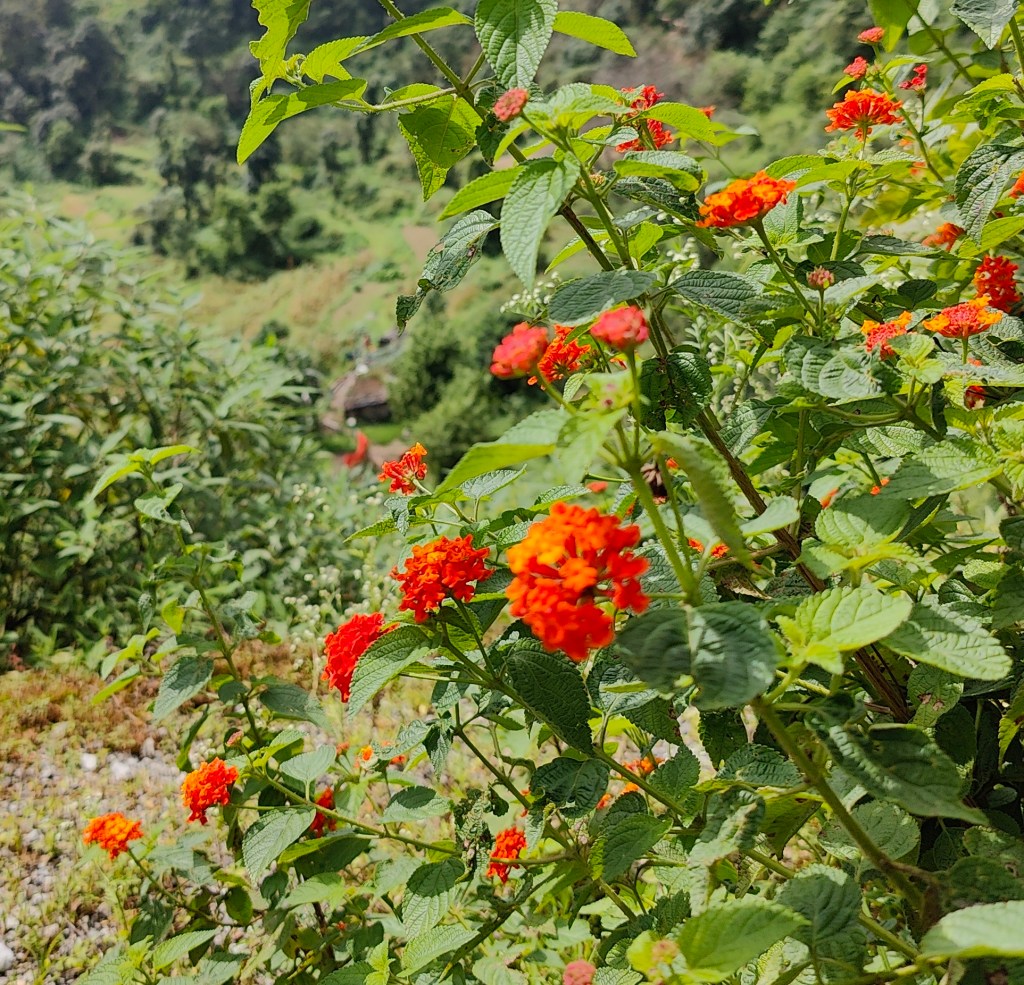
In addition to protecting the nests, conservationists also work to educate the local community about the importance of the hornbills and their role in the ecosystem. This helps to raise awareness and promote a sense of responsibility among the locals, encouraging them to take an active role in protecting these birds and their habitats.
Overall, the efforts made to protect the Oriental Pied Hornbill and their nests are crucial in ensuring the survival of these beautiful and important birds. Through ongoing conservation efforts and education, we can all play a role in protecting these amazing creatures and the environment they inhabit.

8. The importance of community involvement in conservation efforts

Conservation of wildlife and their habitats is a task that cannot be achieved by individuals or organizations alone. The community plays an integral role in ensuring the success of conservation efforts.
In the case of the Oriental Pied Hornbill nesting season, community involvement has been instrumental in the conservation of this species. The local residents have been educated and encouraged to participate in the conservation efforts by providing information to the authorities about the location of nests, monitoring the birds’ activities, and even providing suitable nesting sites.

The success of the conservation efforts is evident as there has been a steady increase in the population of Oriental Pied Hornbills in the region. This would not have been possible without the support and cooperation of the community.
Moreover, community involvement also helps to raise awareness about the importance of conserving wildlife and their habitats. This, in turn, can lead to more people getting involved in conservation efforts and taking steps to protect the environment.
It is essential that we recognize and appreciate the role of the community in conservation efforts and continue to work together towards a sustainable future. By working together, we can ensure that endangered species like the Oriental Pied Hornbill thrive and continue to exist for generations to come.
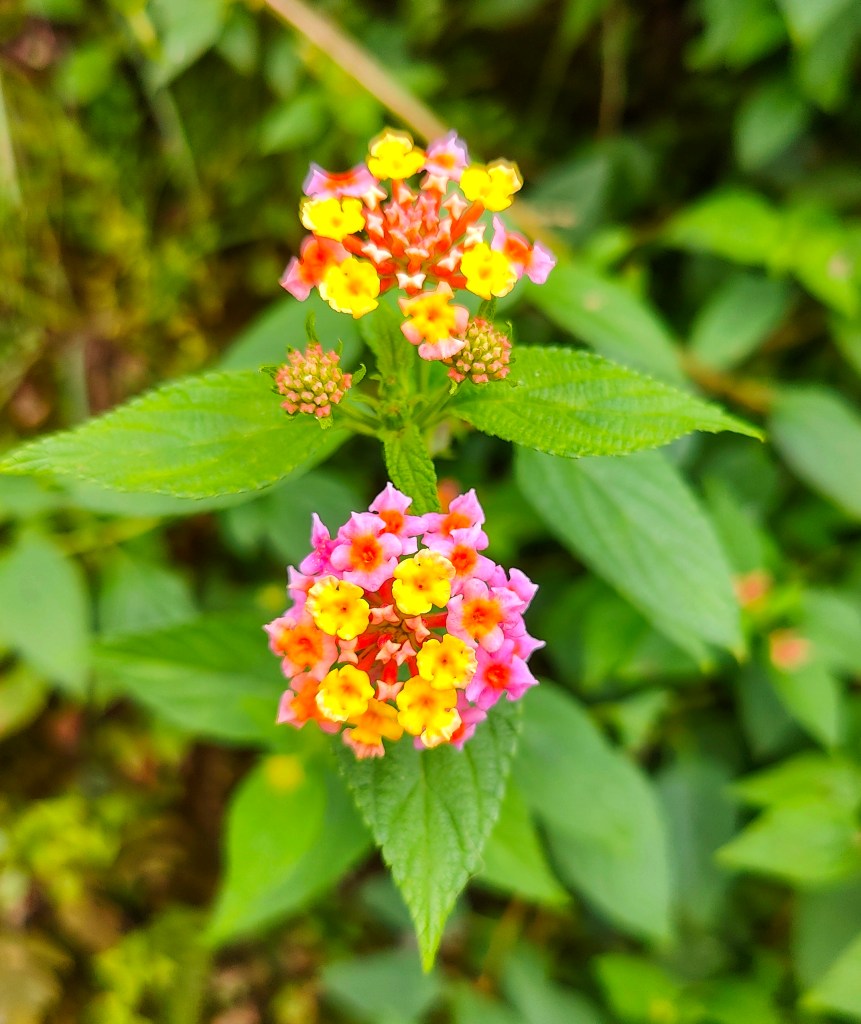
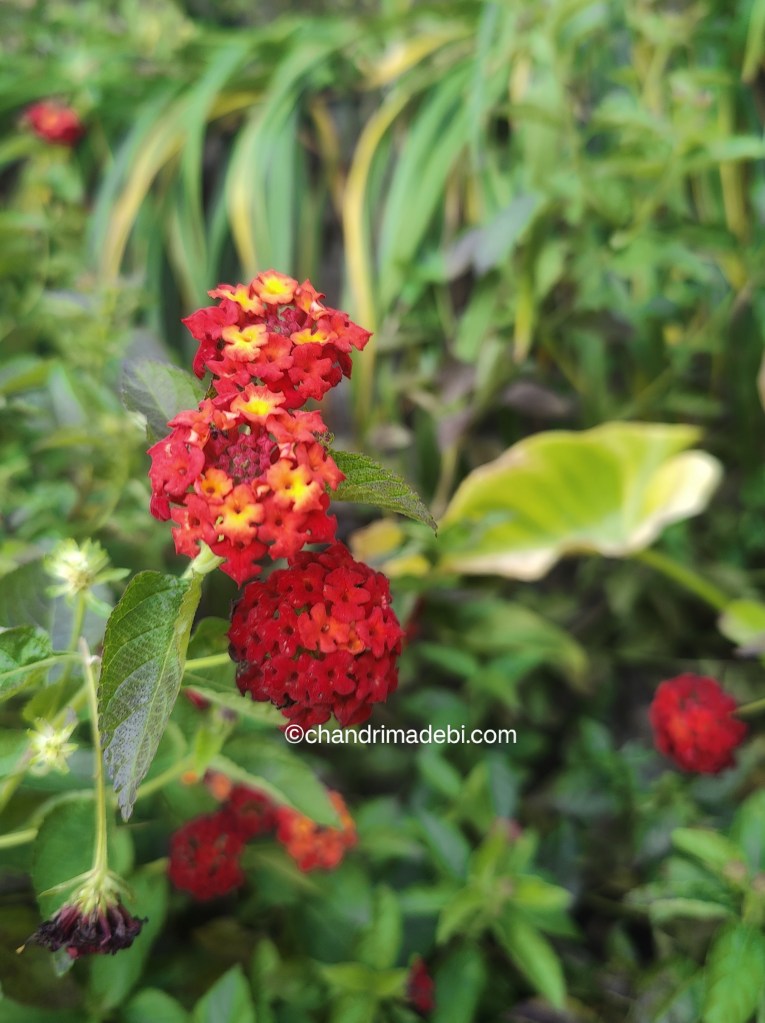
9. The impact of conservation efforts on the Oriental Pied Hornbill population

Conservation efforts have been vital to the Oriental Pied Hornbill population. These birds have faced numerous threats in the wild, including habitat destruction, hunting, and poaching. However, thanks to conservation efforts, the population has seen a steady increase in recent years.
One of the most significant conservation efforts for the Oriental Pied Hornbill has been the creation of artificial nesting boxes. These boxes mimic the natural nesting cavities that the birds rely on, but which have become increasingly rare due to habitat loss. The boxes provide a safe and secure place for the birds to breed and raise their young, which has helped to boost the population.
In addition to this, there have been education and awareness campaigns aimed at local communities to highlight the importance of protecting these birds and their habitat. This has helped to reduce hunting and poaching, as well as to promote sustainable land use practices that benefit the birds.
Overall, the impact of conservation efforts on the Oriental Pied Hornbill population has been positive, and it is hoped that these efforts will continue to be successful in the future. By working together to protect these birds and their habitat, we can help to ensure that they thrive for generations to come.

10. Conclusion and call to action for ongoing conservation efforts

As we conclude this article on the Oriental Pied Hornbill nesting season, it is important to recognize the significance of conservation efforts for these magnificent birds. The protection of their habitats, reducing human intervention, and minimizing disturbance during the nesting season are crucial steps towards ensuring the survival of the species.
However, conservation efforts should not be limited to the nesting season alone. As a community, we must commit to continuous efforts towards preserving and protecting the natural habitats and ecosystems of our planet. This involves educating ourselves and those around us about the importance of conservation and the impact of our actions on the environment.
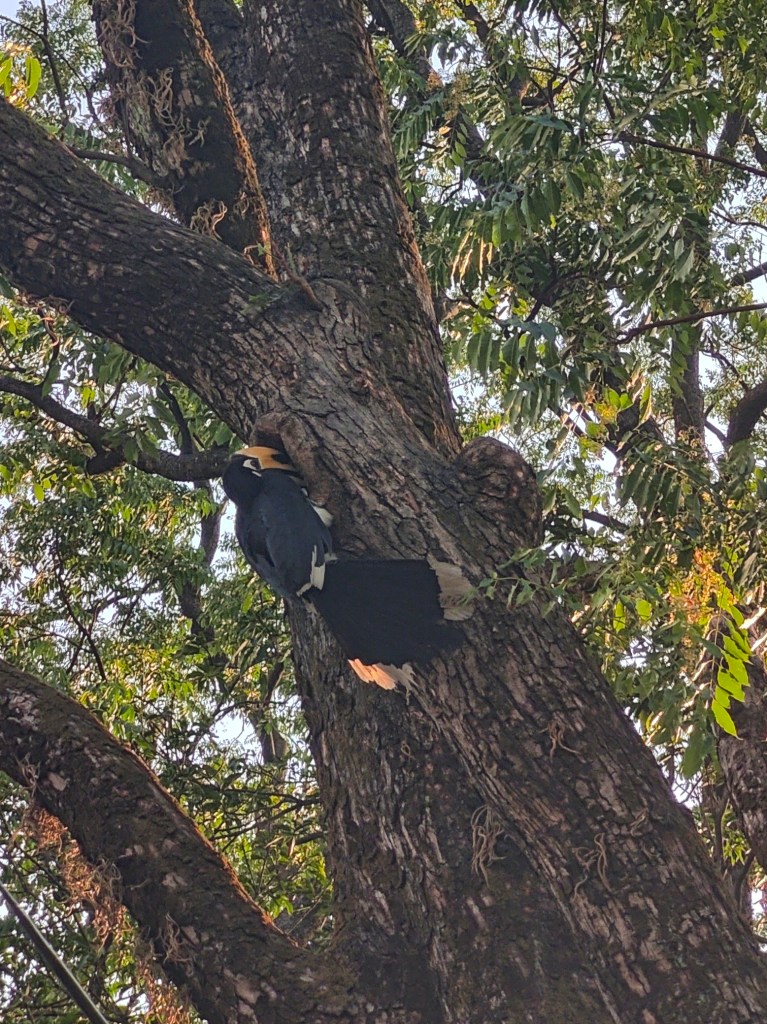
We can all take small but meaningful steps towards conservation efforts, such as reducing our carbon footprint, supporting conservation organizations, and advocating for policies that prioritize environmental protection.
Let us work together to ensure that future generations can also witness the beauty and wonder of the Oriental Pied Hornbill and other incredible species that share our planet.

We hope that you enjoyed learning about the Oriental Pied Hornbill and their nesting season in this blog post. These majestic birds have become an important conservation story in recent years as they have faced habitat loss and other threats. Through the efforts of conservationists, however, their populations are slowly recovering. By sharing this story, we hope to raise awareness about the importance of preserving the habitats of endangered species, and inspire you to take action to protect them. Thank you for reading this post and for your interest in conservation efforts.
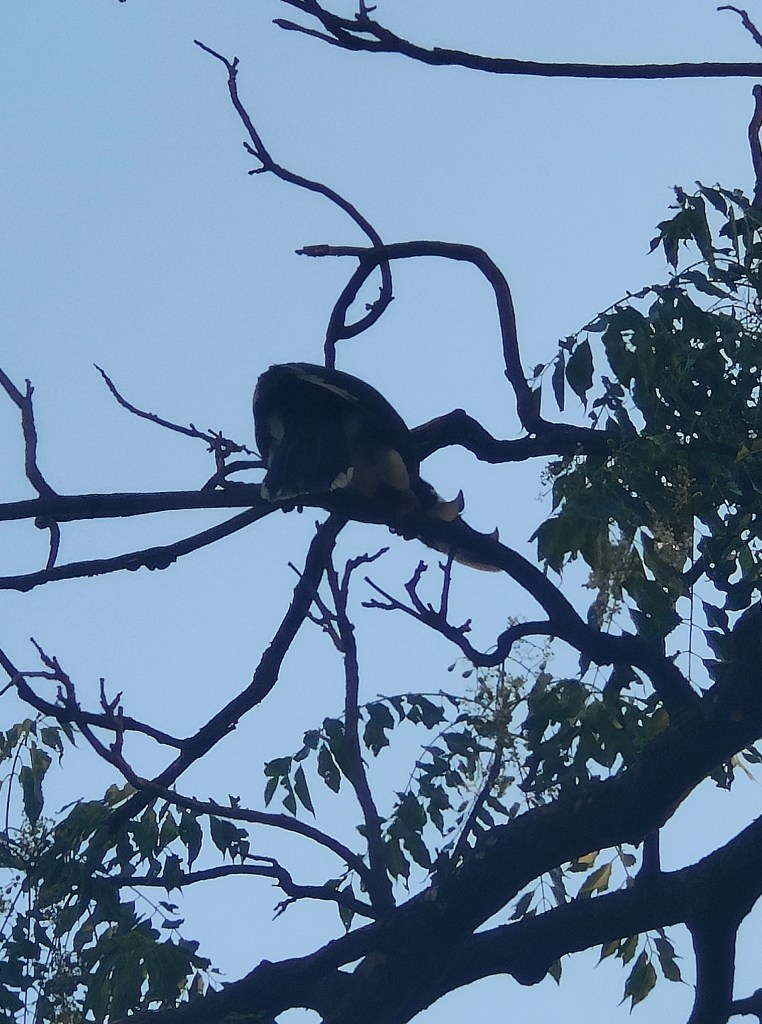
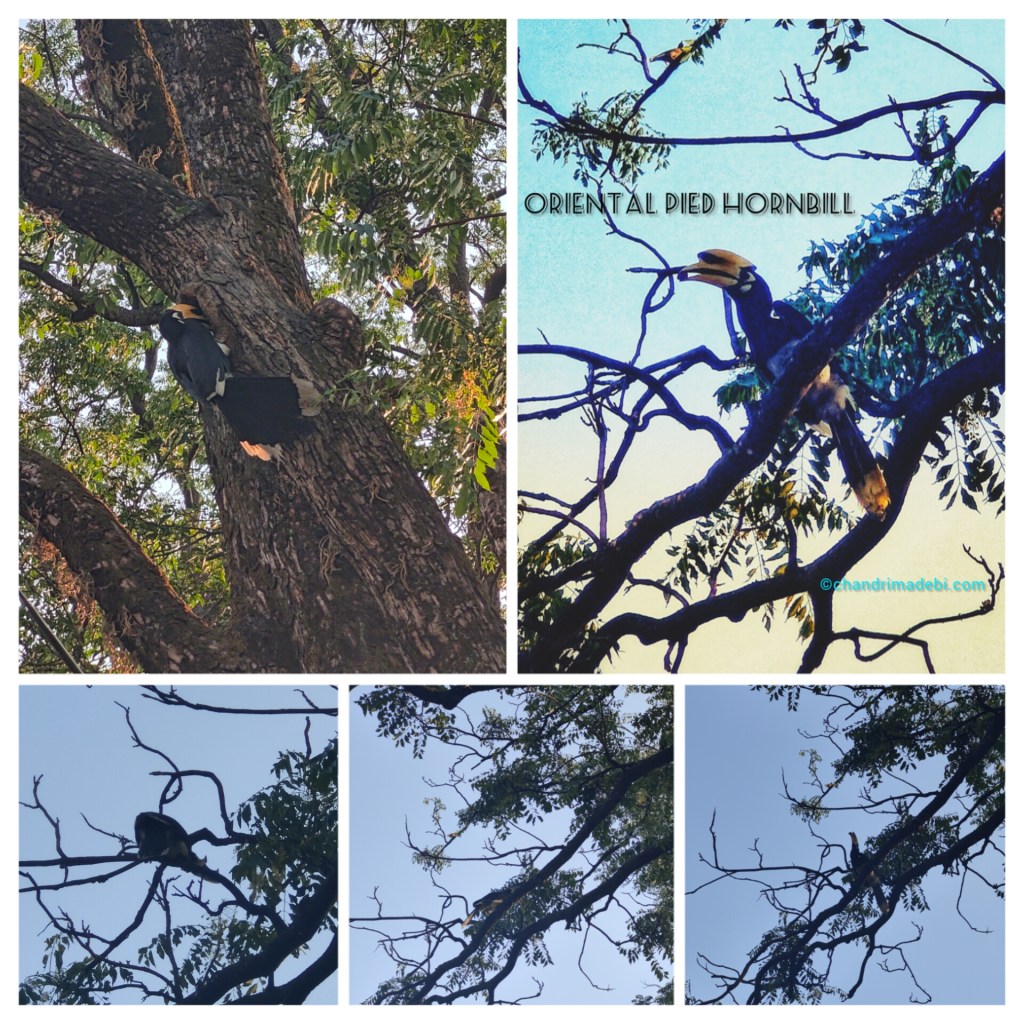

Thank you for reading !!

Like, share and follow. 🙂

https://www.facebook.com/Dr.ChandrimaDebi/

https://www.instagram.com/debichandrima/

https://www.sumanmitra.com/

https://linktr.ee/chandrimadebi

©All images and content are subjected to copyright

© 2023 chandrimadebi http://www.chandrimadebi.com