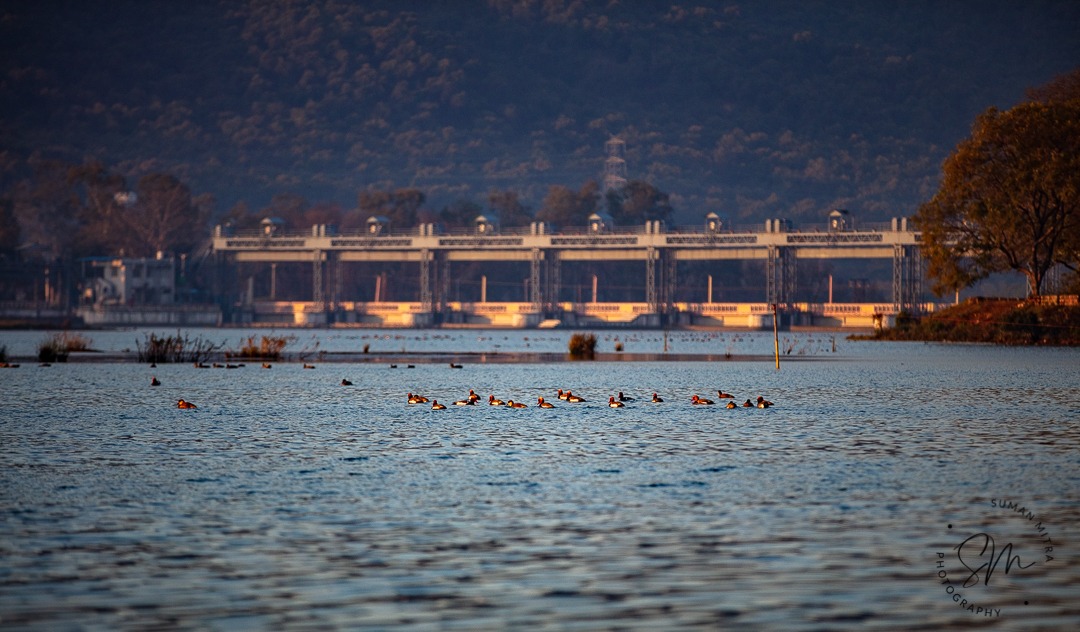
Asan Conservation Reserve/Asan Barrage, Uttarakhand: A man-made lake or nature’s delight

Situated at the confluence of the Asan river and Eastern Yamuna Canal alongside bordering states of Uttarakhand-Himachal lies the Asan Conservation Reserve/ Asan Barrage or Assan Barrage. This barrage created the Asan Reservoir which is also called Dhalipur Lake, and was developed in 1967 when the Dhalipur power house was under construction.
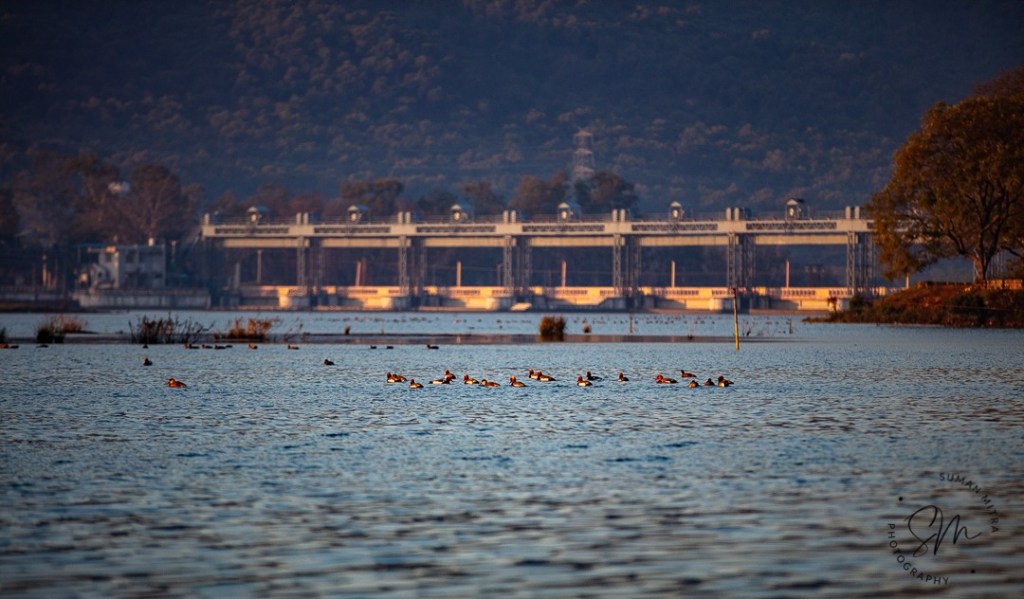
The Asan Barrage, Uttarakhand
©sumanmitraphotography

The scenic geographical location and the azure blue waters has long drawn the the interests of the conservationists,  bird watchers, photographers and tourists too. Asan wetland is home to around 330 species of birds (including some rare species).
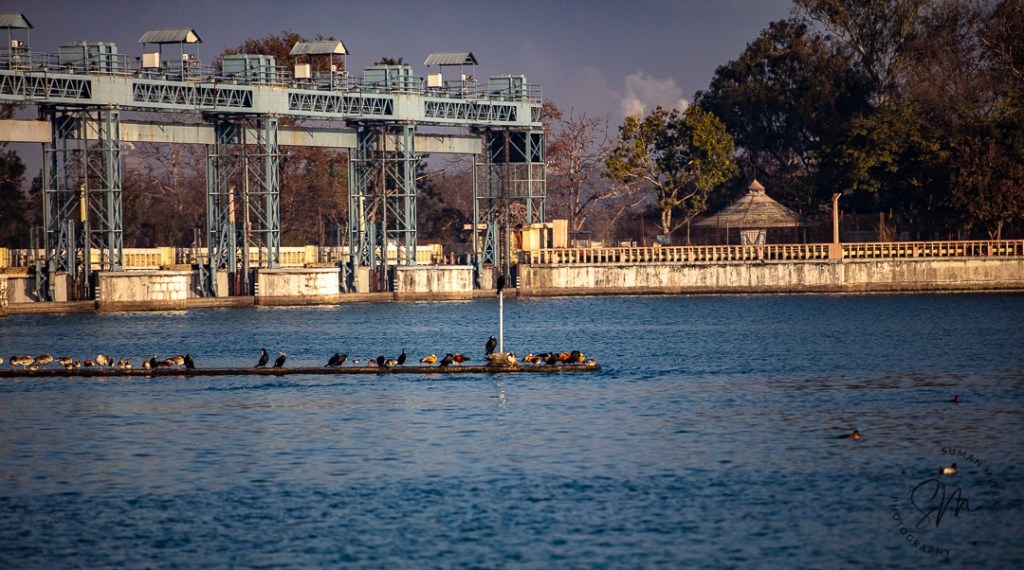
Avifauna diversity in Asan Barrage, Uttarakhand
©sumanmitraphotography

Critically endangered species like white-rumped vulture (Gyps bengalensis), red-headed vulture (Sarcogyps calvus), and Baer’s pochard (Aythya baeri) are found here. The migratory birds listed as globally endangered species in the IUCN’s Red Data Book like- Brahminy Duck, Pintail, Red Crested Pochard, Gadwall, Common Pochard, Mallard, Coot, Wigeon, Common Teal, Tufted Duck, Shoveller- travelling from Central Asia also take shelter for about four – months in the lake. It is also home to about 49 fish species, including endangered Putitor mahseer (Tor putitora). Asan wetland is rich in biological diversity. 
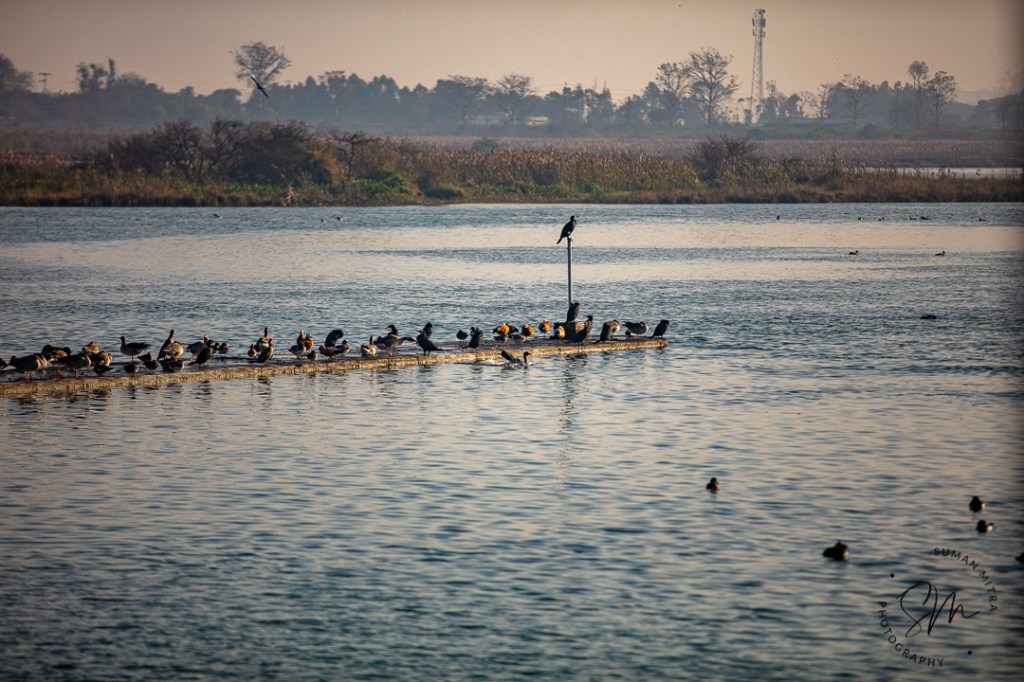
Asan Conservation Reserve (Ramsar site), Uttarakhand
©sumanmitraphotography

In the year 2020, Asan barrage also known as Asan Conservation Reserve was declared to be the first Ramsar site from Uttarakhand state, India. Ramsar is a city in Iran where the first World Convention on Wetlands was held on 2 February 1971.The Ramsar Convention defines wetlands  as ‘Wetlands are area of marsh, fen, peatland or water, whether natural or artificial, permanent or temporary, with water that is static or flowing, fresh, brackish or salt, including areas of marine water, the depth of which at low tide does not exceed six metres.’
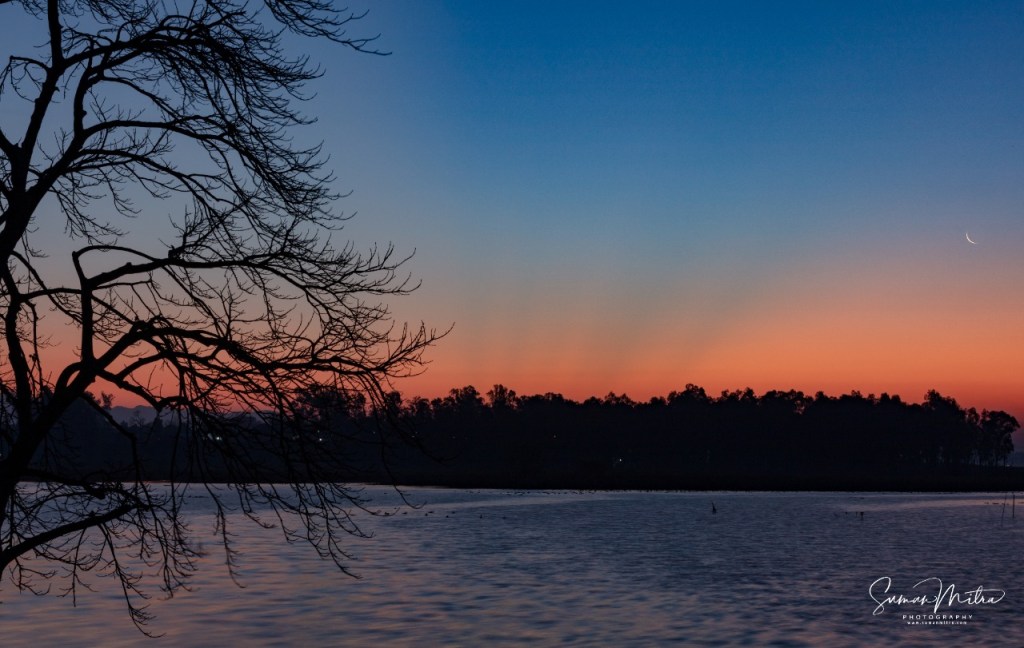
Early morning sunrise at Asan Barrage, Uttarakhand
©sumanmitraphotography

Wetlands support many different types of plant and animal species.They naturally filter our water. Wetlands are areas where the water meets the land. They are a transition between dry land areas and deeper water areas. As a result, some wetlands hold water year-round while others may only hold water for one or two months each spring. But wetlands are facing many threats owing to biotic and abiotic factors such as:

• Uncontrolled siltation and weed infestation.
• Uncontrolled discharge of waste water, industrial effluents, surface run-off, etc. resulting in proliferation of aquatic weeds, which adversely affect the flora and fauna.
• Tree felling for fuel wood and wood products causes soil loss affecting rainfall pattern, loss of various aquatic species due to water-level fluctuation. Uncontrolled siltation and weed infestation
• Habitat destruction leading to loss of fish and decrease in number of migratory birds.
• Encroachment resulting in shrinkage of area.
• Anthropogenic pressures resulting in habitat destruction and loss of biodiversity.
• Uncontrolled dredging resulting in successional changes.
• Hydrological intervention resulting in loss of aquifers.
• Pollution from point and non-point sources resulting in deterioration of water quality. Ill-effects of fertilizers and insecticides used in adjoining agricultural fields.
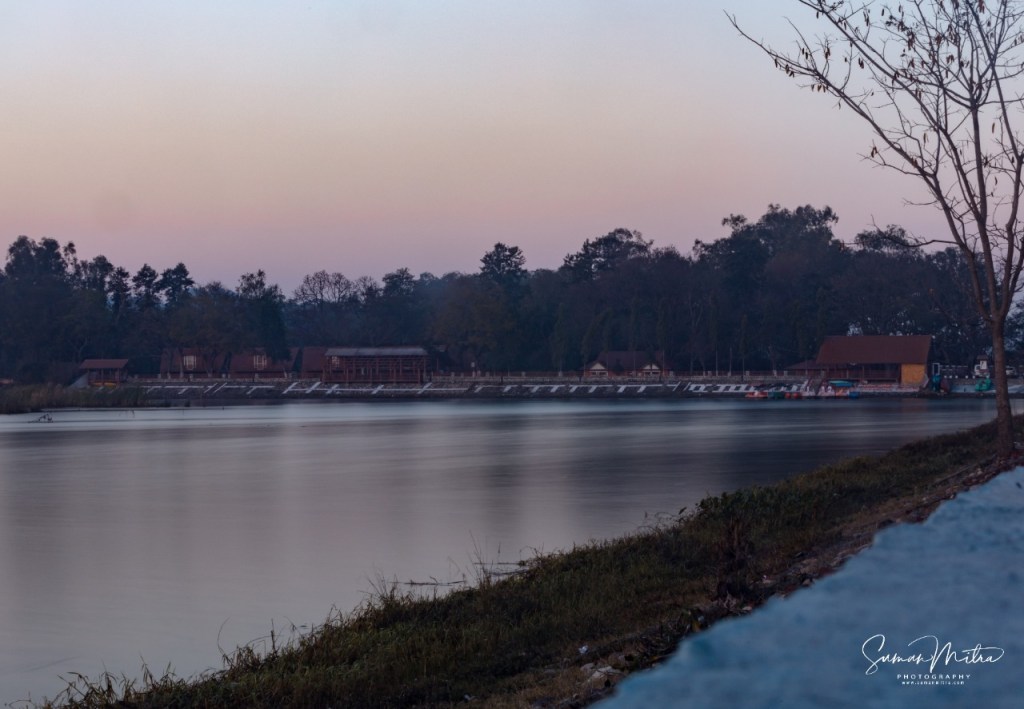
One Evening at Asan Barrage, Uttarakhand
©sumanmitraphotography

India being a mega-diversity country, so far managed to delineate only few sites till date. According to one report of WWF nearly 70 percent of wetlands in the state have degraded due to negligence. Excessive tourism pressure with trekkers camping at the site, spreading of filth and pollutants in the water body and extreme grazing pressure by shepherds have contributed to the destruction of these wetlands. There is obviously much ground to be covered in our conservation efforts of wetlands. Responsible tourism can aid in upkeeping the serenity. In addition, a paradigm shift in conservation ethic is also a strong need of the hour. This shift is necessary and perhaps mandatory due to the very nature of resource being conserved and protected.
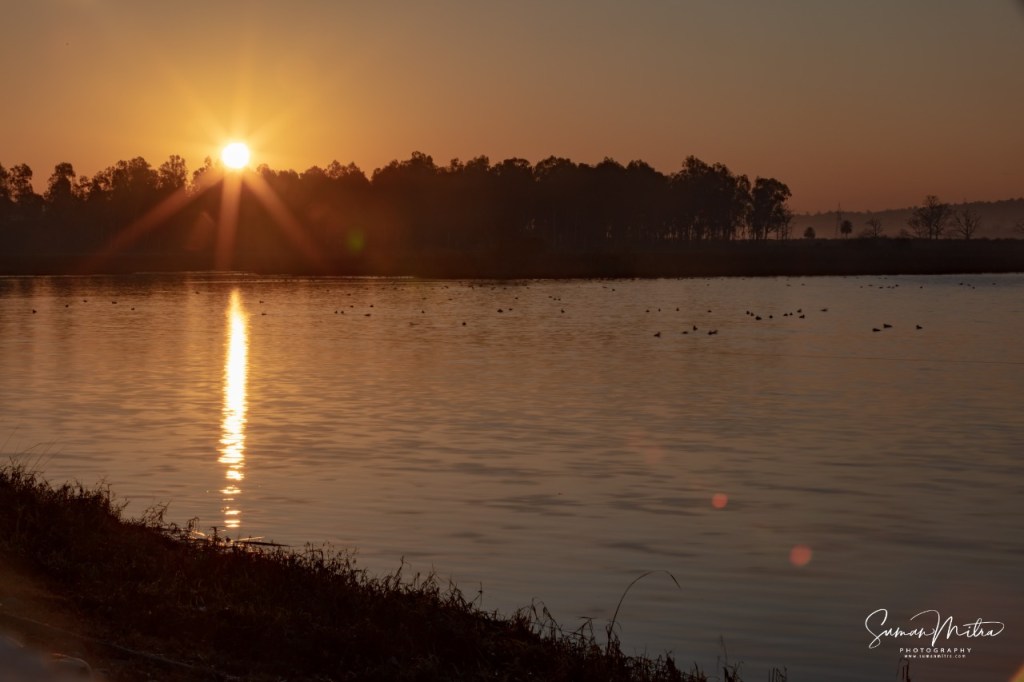
Dawn at Asan Barrage, Uttarakhand
©sumanmitraphotography

Thank you!!

@chandrimadebi

Picture courtesy

https://www.facebook.com/SumanMitraPhotography

https://www.sumanmitra.com/
copyright @sumanmitraphotography

©All images and content are subjected to copyright
Life during Corona pandemic!!!

Got up in late in morning staring at ceiling,
Turned TV on but the news is also concealing;
Same corona and adulteration everywhere, earth needs some healing.

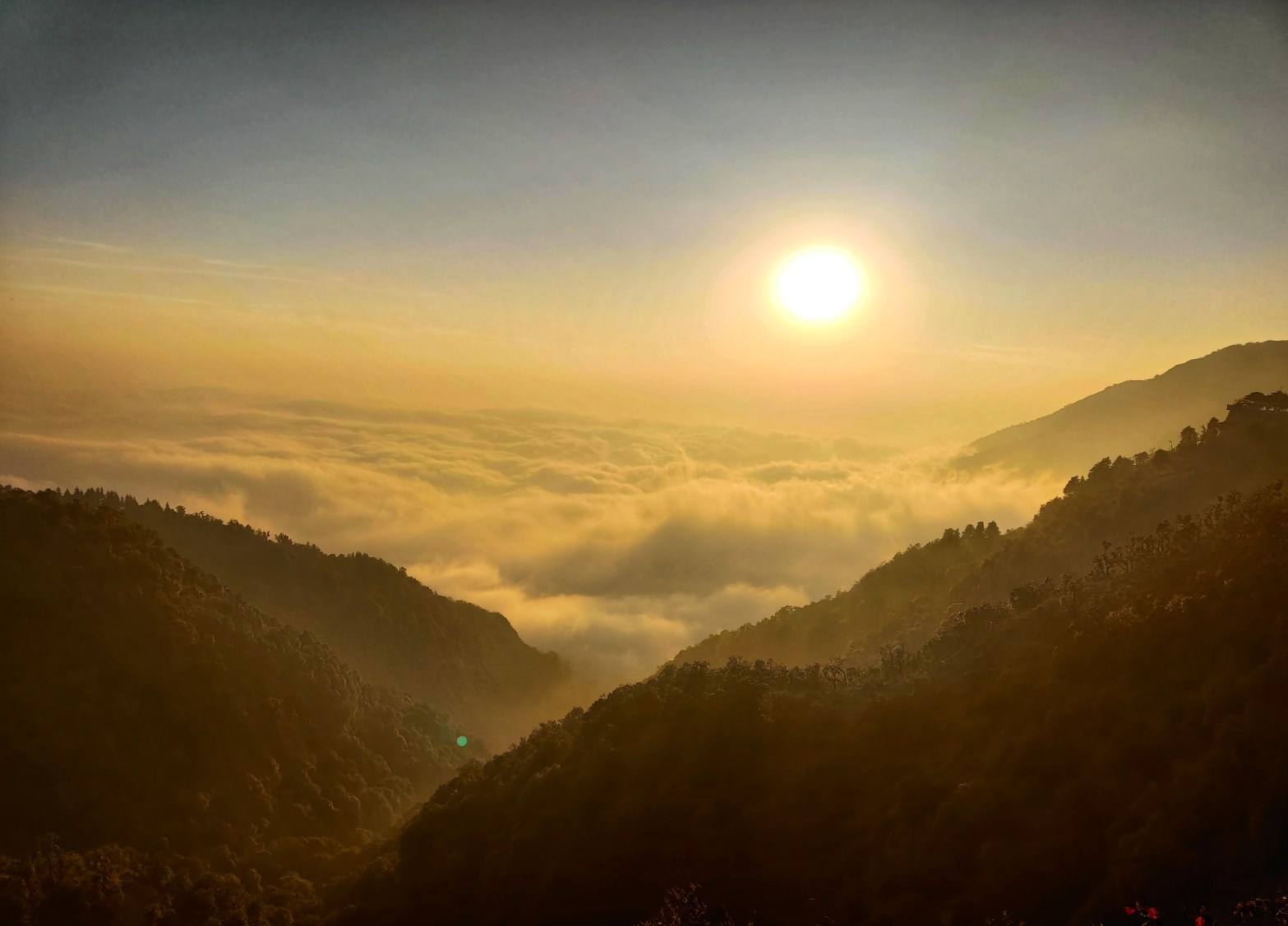
Sunset in the mountains, near Landour, Mussoorie
©sumanmitraphotography

Entertainment, politics, business, environment news keep brewing,
Leaving curious eager minds with thoughts worth pursuing;
Amidst agony, despair and restrictions life keeps on going.

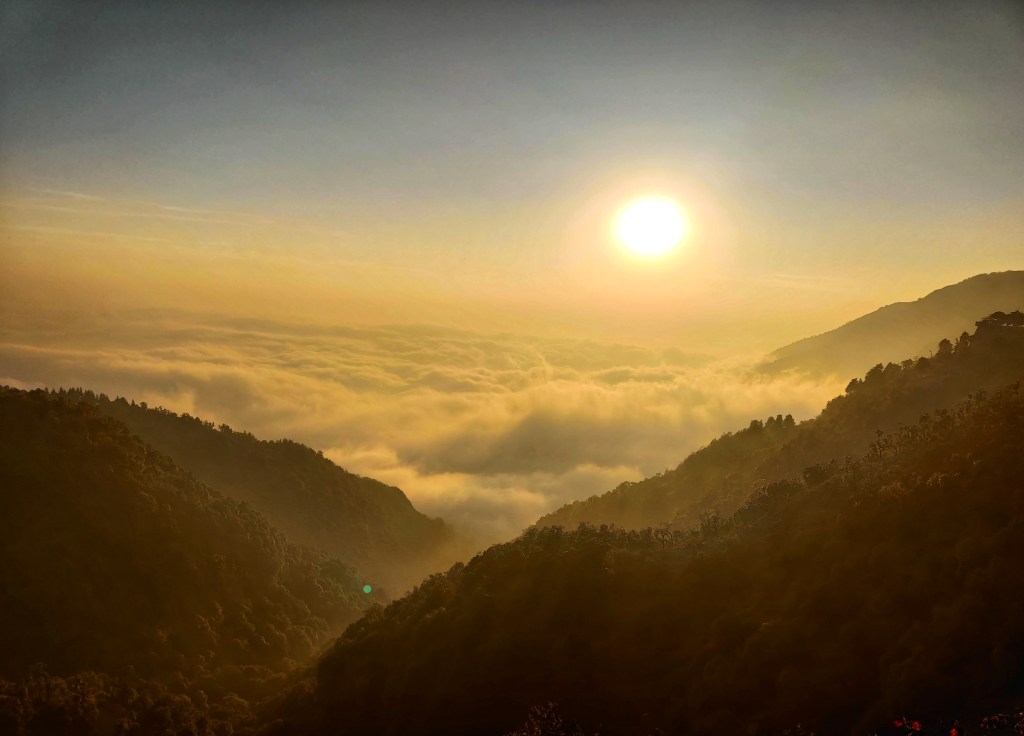
Sun setting in winterline, near Hathipaav, Mussoorie
©sumanmitraphotography

The day goes on, the house needs cleaning, Oh!!! Baby got up and is craving;
Took a peek in the mirror, bmi is rampant
Searching my phone beneath the pillow, phone is ringing
Can’t afford house help, corona is streaming.

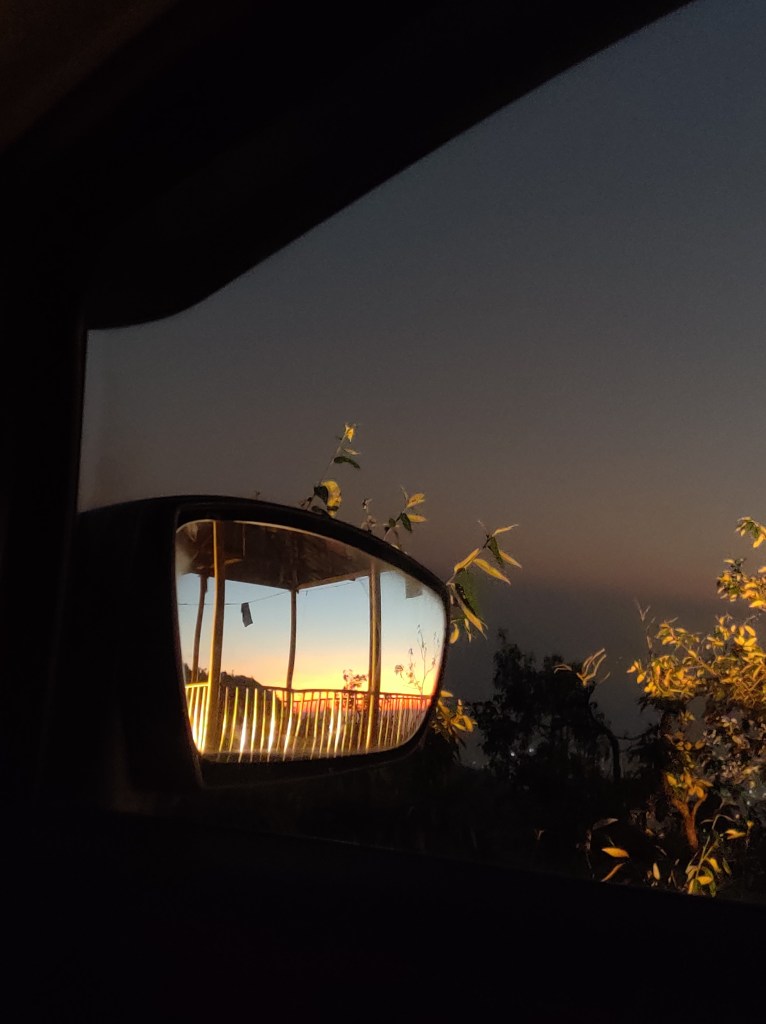
Reflection of winterline, Mussoorie
©sumanmitraphotography

Who is to blame and whom to not for the catastrophe blooming,
Afterall easiest way to shred responsibility is ignoring and blaming;
And I again go to bed snoring!!!!
Got up again and started scrawling!!

©sumanmitraphotography

Thank you!!

@chandrimadebi

Picture courtesy

https://www.facebook.com/SumanMitraPhotography

https://www.sumanmitra.com/
copyright @sumanmitraphotography

©All images and content are subjected to copyright
Oak tree beside my window!!

I got married few years back and shifted to Landour, Mussoorie. The apartment where me and my husband used to live had a big Oak tree just outside the window.

Oak tree at my window
©sumanmitraphotography

Everyday, sunshine used to peep through my window through the Oak tree. Different Himalayan birds, owls, langoors, monkeys, insects, fireflies, butterflies could be observed just by sitting alongside my window. I used to sip a cup of coffee and write and the Oak tree always motivated me. Now, I play with my one year old baby who also loves and admires nature and trees alongwith me.

©sumanmitraphotography

Oak tree beside my window,
Oak tree under the spree;
Oak tree beside my window,
Tree of life are you thee?

The first ray of sunshine glistens through,
morning dew drops on serrated leaves ;
The dew drops trickling from serrated, edges, a signature spider leaps.

Morning breeze whirls through your, branches making morning wish;
Sunshine plays hide and seek through your, beautiful silvery leaves.

Soft breeze whirls through the branches,
Oh! look a Himalayan tit;
Verditter fly catcher, sunbirds and Jays
hop and tweet.

Langoors spend leisure time,
Rhesus monkeys too;
They visit you everyday,
Ofcourse your acorns lure them too.

As sun is going down, it’s time to rest for me,
I put on my window curtains and switch on my night lampshade;
But Cicadas and fireflies will continue mystifying you,
alongwith Barn owl, Scops Owl,  pine marten.

Your roots are grounded in forest soil,
A hermit or home to lives;
Tree of life are you or a hermit hospice,
Oak tree beside my window,
Oak tree under the spree!!

Oak trees outside my window
©sumanmitraphotography
Monkeys at the window
©sumanmitraphotography
Snow laden Oak tree
©sumanmitraphotography

Thank you!!

@chandrimadebi

Picture courtesy

https://www.facebook.com/SumanMitraPhotography

https://www.sumanmitra.com/
copyright @sumanmitraphotography

©All images and content are subjected to copyright
Geology and religious faith: Tapkeshwar temple in Dehradun, Uttarakhand

Tapkeshwar Mahadev Temple is a famous temple of Lord Shiva lying alongside river Tons, in the valley of Dehradun. The mythological importance of this place draws back to the ancient period of Mahabharata, when Guru Dronacharya who was the royal teacher of Pandavas and Kauravas was believed to reside in the caves. Hence, the caves are now known as named Drona Cave. As the name suggests Tapkeshwar is combination of different words ‘Tapak’ which means ‘dripping’ and ‘Ishwar’ means God.The water droplets drip down on the ‘Shivalinga’ creating a mystical environment filled with divine serenity.

Tapkeshwar Mahadev Temple, Dehradun

In geological terms, a cave is any cavity in the ground that is large enough that some portion of it will not receive direct sunlight while a cavern is a specific type of cave, naturally formed in soluble rock with the ability to grow speleothems. So, a cavern can be called a cave but all caves cannot be called caverns.Tapkeshwar Mahadev temple lies inside one such cavern. According to scientists, caves and their ecosystems are the most fragile ecosystems on the planet.

Shiva Lingam in Tapkeshwar

The river Tons gushes through the valley bringing high volume of water and debris alongside temple premises. The rock type in the temple area has high calcium and mineral content composed mainly of sedimentary and metamorphic rocks. As the water table is very low, water seeps through rock cleavages and fractures and dissolves with the mineral and carbonate rich water, which slowly drips from the ceiling. Stalactites are formed within the caves when calcium carbonate rich water starts to drip from cave ceiling. Stalagmites grow upwards from the drips that fall to the floor. They spread outwards more, so they have a wider, flatter shape than stalactites. Landforms formed due to the chemical weathering of Limestone or carbonates are known as Karst topography. Under the dripping stalactites, stump-shaped stalagmites composed of calcium carbonate gradually develop resembling ‘Shiva Lingam’.

The temple surrounding is home to many different species of plants, birds and butterflies. Besides having touristic importance, the temple provides livelihood opportunities to many. It is also a favorite picnic spot and draws tourists from the areas in vicinity. Much has changed in Tapkeshwar temple area since I last visited in the year 2011. Dehradun is becoming smart city with rapid urbanisation and waste management problems. The microclimate of the site has been affected as there used to be dense forest around few years back. Devotees or tourists consume food at the space available outside the temple near parking area and dispose plastic bags, used plates, paper cups, empty plastic water bottles, and other waste materials in the open. The rational human consciousness sleeps while littering almighty’s premises. Proper measures should be adopted to check littering garbage in the temple surroundings. Devotees must abstain from making the temple premises into a garbage dumping yard.

River Tons near Tapkeshwar, Dehradun

Geology operates from a methodological naturalism, regardless of religious beliefs. Observation, collection and experiment have taught us to trust these methods. But I feel there is something beyond science which is faith and believe which can do wonders. It depends on one’s belief whether ‘Tapkeshwar’ is a geological feature or a form of Lord Shiva.

Thank you!!

@chandrimadebi

Picture courtesy internet

©content subjected to copyright

Influence of microbial bioinoculants on the accumulation of new phytocompoundsin Oroxylum indicum (L.) Benth. ex Kurz

The seedlings of Oroxylum indicum were inoculated with plant growth promoting microbes (PGPMs) mainly, Glomus mosseaeTrichoderma harzianum and Pseudomonas putida both alone and consortium. The GCMS analysis of the methanolic root extract of inoculated seedlings of O. indicum showed that seedlings treated with mixed consortium of mycorrhizal fungi, bacteria and fungus showed the presence of maximum number of phytocompounds. The GC-MS analysis of control seedlings showed presence of 55 compounds where three new compounds were found i.e.  2-Cyclobutene-1-Carboxamide; Tetradecanoic Acid, 10, 13-dimethyl-, methyl ester; 1-methylene-2b-hydroxymethyl-3, 3-dimethyl-4b-(3-methylbut-2-enyl)-cy. 53 compounds were found in seedlings treated with mycorrhizae i.e., Glomus mosseae, and three new compounds were found i.e., 1-Ethyl-2-Hydroxymethylimidazole; Octadecanoic Acid, 11-Methyl-, methyl ester; 4-Methyl-1, 4-Heptadiene. The seedlings treated with bacteria i.e.  Pseudomonas putida showed the presence of 52 compounds and three new compounds were found i.e. Meso-4, 5-octanediol; 1-ethyl-2-hydroxymethylimidazole; 2, 5-cyclohexadiene-1, 4-dione, 2, 5-dihydroxy-3-methyl-6-(1-methylethyl) – . A total of 56 compounds were present in seedlings treated with fungus i.e. Trichoderma harzianum and five new compounds were found i.e. 2-CyclohexeN-1-one, 2-Butyl-3-Methoxy; Methyl 12, 13-Tetradecadienoate; Methyl 6, 9, 12-hexadecatrienoate; 1, 9-Decadiyne; 1, 4-Naphthalenedione. The seedlings treated with dual consortium of mycorrhizae and bacteria showed the presence of 88 compounds and five new compounds were found i.e., N-(1-Methoxycarbonyl-1-methylethyl)-4-methyl-2-aza-1,3-dioxane;1-ethyl-2 hydroxy methylimidazole; Methyl 8-methyl-nonanoate; Naphthalene, 1,2,3,4,4a,5,6,8a-octahydro-4a,8-dimethyl; Methyl 12,13-tetradecadienoate. 152 compounds were present in seedlings treated with dual consortium of mycorrhizal fungi and fungus and ten new compounds were found to be present i.e. 1,9-Decadiyne;  3,7,11-Trimethyl-3-hydroxy-6,10-dodecadien-1-yl acetate; 3-Heptyne, 7-chloro; 3-Methyl-4-(methoxycarbonyl) hexa-2,4-dienoic acid; Benzo[c]cinnolin-2-amine  ; Tetradecanoic acid, 10,13-dimethyl-,Methyl ester; Cis,cis-4,6-octadienol; 2-Cyclohexen-1-one, 2-butyl-3-methoxy; Methyl 12,13-tetradecadienoate; 2-Aminopyridazino(6,1-b) quinazolin-10-one. A total of 36 compounds were present in seedlings treated with dual consortium of bacteria and fungi and two new compounds were found i.e. [1,4] Dioxino [2,3-b]-1,4-dioxin, hexahydro-2,3,6,7  ; 1-Ethyl-2-hydroxymethylimidazole. The seedlings inoculated with mixed consortium of mycorrhizae, bacteria and fungus showed the presence of 213 compounds and fourteen new compounds were found i.e. 3,7,11-Tridecatrienenitrile, 4,8,12-Trimethyl; 1,9-Decadiyne; 2,6,10,14,18,22-Tetracosahexaene, 2,6,10,15,19,23-Hexamethyl-, (ALL-E)  ; 1-Methylene-2b-hydroxymethyl-3,3-dimethyl-4b-(3-methylbut-2-enyl)-cy; 1,9-Decadiyne, Cyclobutane, 1,2-bis(1-methylethenyl)-, trans-, 3,7,11-Trimethyl-3-hydroxy-6,10-dodecadien-1-yl acetate, 5-Hydroxy-4-hydroxymethyl-1-(1-hydroxy-1-isopropyl)cyclohex-3-ene, 5,8,11,14-Eicosatetraenoic acid, methyl ester, (all-z)-, 1-Cyclohexyl-2-buten-1-ol (c,t) , 1-Oxetan-2-one, 4,4-diethyl-3-methylene-, Tetradecanoic acid, 10,13-dimethyl-, methyl ester, 2-Cyclohexen-1-one, 2-butyl-3-methoxy-, Methyl 12,13-tetradecadienoate, Heptacosanoic acid, 25-methyl-, methyl ester Hexadecanoic Acid, Methyl Ester; 2-Chloroethyl Linoleate; 9,12-Octadecadienoic Acid, Methyl Ester, (E,E); Butanoic acid, methyl ester; 4A,5,6,7,8,8A(4H) HexahydroBenzopyran-3-Carboxamide, 8A-Methoxy-4A-M,; Octadecanoic acid; Farnesene; Squalene; Myrcene; Naphthalene; Tetradecanoic Acid, Methyl Ester; Octadecanoic Acid, Methyl Ester; 1H-Cycloprop[E] Azulene, Decahydro-1,1,4,7-Tetramethyl-, [1AR-(1A].Alph ; Cyclohexane, 1-methyl-4-(1-methylethenyl)-, trans (Elemene); Cyclohexene, 1-methyl-4-(1-methylethenyl)-, (s)- (Limonene);  were found to be present in this treatment.

Keywords: Oroxylum indicum; Glomus mosseae; Trichoderma harzianum; Pseudomonas putida; phytochemicals; GCMS

https://www.researchgate.net/publication/348159345_Influence_of_microbial_bioinoculants_on_the_accumulation_of_new_phytocompounds_in_Oroxylum_indicum_L_Benth_ex_Kurz

Oroxylum indicum: A medicinal forest tree species for the symptom management of Covid 19

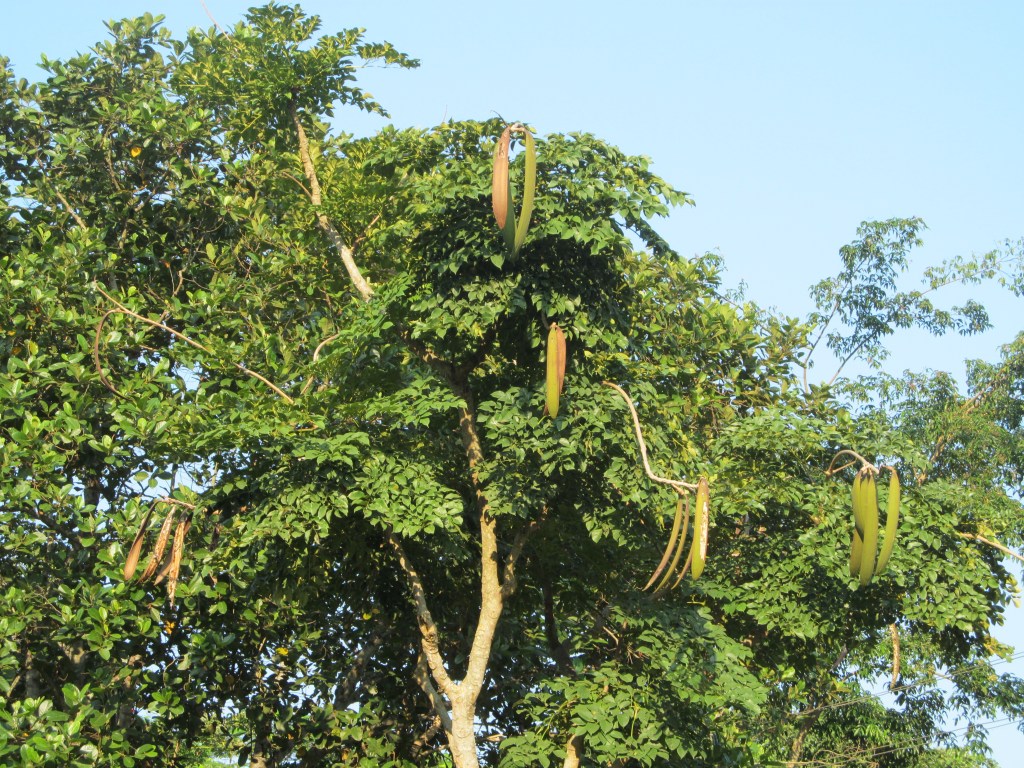
Oroxylum indicum

Humanity is coping with the aftermath of  Corona virus pandemic. The outbreak of virus resulted in devastation and is still causing millions of fatalities everyday. The first outbreak of this pandemic with severe pneumonia was reported in the city of Wuhan, Hubei Province, China, on December, 2019. World Health Organization (WHO) designated Severe acute respiratory syndrome coronavirus-2 (SARS-CoV-2), as novel coronavirus (2019-nCoV), a global pandemic.

Even if we are gearing up for mass vaccination there is dubiousness about the effectiveness of the vaccine in different parts of the world. There is no scientifically validated medication also for the treatment of this disease. Considering this situation complementary and alternative medicine (CAM) delivers a wide range prospects to mitigate the harmful effects of Covid 19. Common symptoms due to infection cause lower and upper respiratory tract infection, common cold, pneumonia, bronchiolitis, rhinitis, pharyngitis, sinusitis COVID-19 (genera: β-coronavirus) may share symptoms with the severe acute respiratory syndrome related corona viruses which offers a global risk of tasks and trials both in primary and secondary prevention to treat the infected patients. Ayurveda has broad spectrum of biological activities and provides a commendable source for antiviral applications. Since time immemorial, complementary and alternative medications have been commonly to treat many viral infections. Studies show that herbal extracts have been proven effective for preventing and treating respiratory viral infections . In this context, the AYUSH ministry, government of India, has recently recommended the use of Kadha (decoction), from herbs which help to boosts the immune system and reduces inflammation and disease severity in the infected individuals during COVID-19 crisis.

A decocotion made with Aegle marmelos, Oroxylum indicum, Stereospermum suaveolens, Gmelina arborea, Solanum indicum, Solanum xanthocarpum, Desmodium gangeticum, Uraria picta, Tribulus terrestris, Mucuna pruriens, Hedychium spicatum, Sida cordifolia, Scindapsus of icinalis, Achyranthes aspera, Piper longum, Plumbago zeylanica, Clerodendrum serratum, Inula racemosa, Hordeum vulgare, Terminalia chebula. This is an aromatic ayurvedic drug for pneumonia, predominant uncomplicated illness and for immunocompromised conditions. The decoction can be taken 5 grams with warm water twice a day.

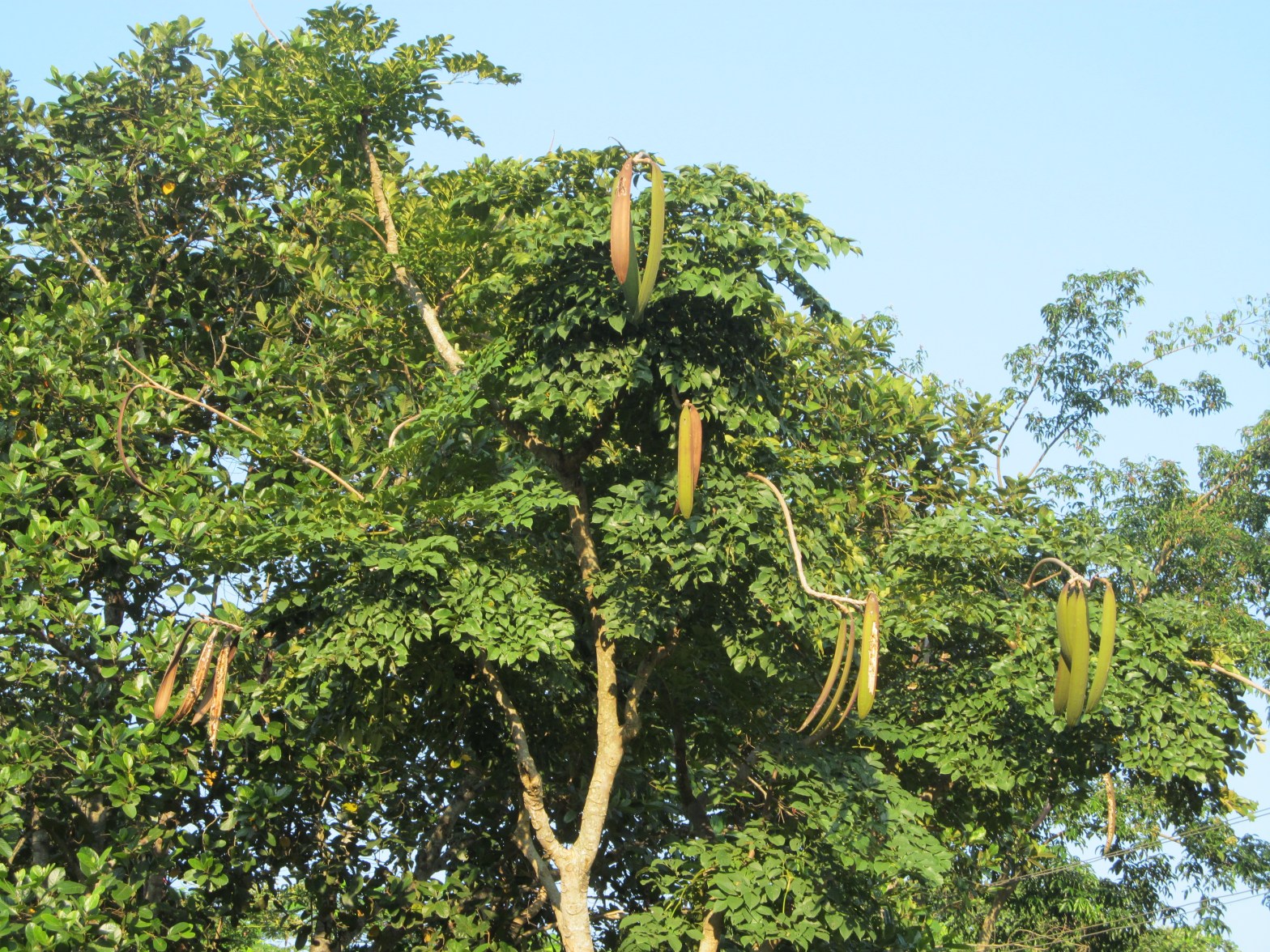
Oroxylum tree in the forest

Oroxylum indicum is of high significance in Buddhist and Hindu mythology and its mention can be traced from ancient manuscripts. In different parts of North east India, especially in the rural areas of Assam, the long hanging pods of O.indicum are kept in kitchen and dining room, it is believed that the pods prevent hiccups in people of old age while consuming food. Various parts of the plant are used in a variety of oriental dishes. Young shoots, unripe fruits and flowers of this tree are eaten as vegetable. In Thailand, the fruits and flowers of the plant are consumed as a vegetable.The tree is also lopped for fodder. Seeds yield non-drying oil which is used in perfumery industry. Wood of tree is used to make match boxes. Stem bark and fruits of the tree are employed as mordant and the stem bark yield a Khaki colour dye. It is in high demand now-a-days for its bark which is used for tanning and as medicine for fever and many other ailments and as tonic. The tree is often grown as an ornamental tree for its strange appearance. The sword like fruit is used by the farmers to kill crabs in wet paddy fields. A paste made of the bark is applied to wounds of animals to kill maggots.

Oroxylum indicum is being used as medicinal herb for thousands of years without any known adverse effects. In Indian system of medicine it has been used as a single drug or as a component of certain poly-herbal drug preparations. It is an active ingredient of well-known Ayurvedic formulations like Amartarista, Awalwha, Brahma rasayana, Bruhatpancha, Chyawanaprasha, Dantyadarishta, Dasamoola, Dhanawantara ghrita, Mulayadikwath, Narayana taila and Shyonaka patpak. Different parts of the plant are found to have anti-allergic, anti-anorexic, anti-arthritic, antibacterial, anti-bronchitic, anti-cancer, antcarcinogenic, anti-diabetic, anti-fungal, antihelminthic, anti- hepatotoxic, anti-inflammatory, anti-leucodermatic, anti-microbial, anti- oxidant, anti-proliferative, anti-rheumatic, anti-tumor etc. This plant is used as an astringent, carminative, diuretic, stomachic, and aphrodisiac and is valued for stimulating digestion, curing fevers, coughs and other respiratory disorders.

Thank you!!

@chandrimadebi

Picture courtesy

https://www.facebook.com/SumanMitraPhotography

https://www.sumanmitra.com/
copyright @sumanmitraphotography

©All images and content are subjected to copyright
Kempty falls, Mussoorie: A geological prodigy

Kempty falls Mussoorie is a geological complex lying about 10 kilometres from Mussoorie, Uttarakhand towards Yamuna river. The fusion of various geological, ecological, climatic and geographical factors together contribute towards the portrayal of this geologic marvel.The name Kempty was actually derived from assemblage of two words ‘Camp and Tea’. Once used to be a preferred campsite for imperial rulers for formal picnics and campouts, this place is now famous as a picnic spot and a renowned tourist destination. The perennial water streams emerge from forests in the higher mountains at an altitude of about 4500 feet, further splits into 40 feet cascade finally culminating into a pond adding charm to the site.

Kempty falls, Mussoorie

Apart from having touristic importance Kempty fall area has long drawn geological and botanical interests also. The geology of an area helps in understanding the ecological status of forests. Geology and soil are the controlling factors in the local distribution of vegetation. The Kempty Range of Mussoorie Forest Division lies at  30027’29” to 31003’24” N latitude and 78005’08” E longitude at an altitude of about 800 to 1900 msl. The forests under Mussoorie Forest Division have mainly four distinct plant communities namely Oak, Pine, Shisham, miscellaneous plant communities and open barren land in the area. Quercus leucotrichophora (Oak); Pinus roxburghii (Pine); Dalbergia sissoo (Shisham); miscellaneous forests (Bauhinia variegata, Acacia catechu, Cassia fistula, Lannea coromandelica, Terminalia belerica, etc.)  as the dominant species.

The relationship between geology, soil and vegetation has been important for natural woodland ecosystem. Geological processes that interact with climatic elements and living organisms produce the soil in which plants grow. The difference in the structure of plant communities seems to be primarily due to altitudinal variation and varying climatic changes. Limestone is the parent material which supports all the plant communities. Quartzite is the second most common parent material, Dolomite and Slate are the only parent material which occurred only in higher altitudes that supports Oak and Pine communities.The plants supported by porous rocks charged with nutrient gradually breaks up the parent rocks and organic matter soon accumulates. Due to high rate of erosion and solubility of carbonates, the softer rocks get eroded at high rates ultimately making the watercourse steeper resulting in the formation of waterfall.

Kempty falls, Mussoorie

The thick patches of forests around Kempty falls are home to many birds and animals. The white crested Kaleej Pheasant, partridge, Blue rock pigeon, Fire tailed sun bird, Whistling thrush, White Capped Water Redstart and Red Billed Blue Magpie are some of the birds found near Kempty falls area. Leopard sighting are also common in this area. Various species of butterflies also inhabit in the forests around.

But recently this area observed many landslide hazards and flash floods. Geologists have found that dominant part of the area falls under very high and high landslide susceptible in the settlement area. As the region is covered by highly fractured Krol limestone with slope more than 60 degrees, the region is highly susceptible for landslides. The climate change is slowly impacting the rainfall pattern in the area. With erratic and high rainfalls the weathering and erosional forces cause mass wasting and surface runoff which slowly intercalates with the underneath carbonates resulting in massive landslides and flash floods. The year 2018 had massive impact on the tourists as well as the local inhabitants around Kempty falls area and many lives had to face the wrath of nature.

Much has changed around Kempty fall since I last visited in the fall of 2012. During my recent visit to the site I observed clusters of new shops, tea stalls, lodges in full bloom to cater the ever-increasing influx of tourists.  Alongwith that elevated solid  waste  generation, littering and ubiquitous dumping of solid waste materials and improper waste management practices. Besides, traffic congestion the air pollution levels also get affected during peak tourist hours. The term ‘responsible tourism’ holds  significant   implications   in   the present context  of  increasing  environmental  concerns. The world is becoming smaller with meagre wilderness. Responsible tourism is a way which can minimise the negative impact  of travel on resources, environment and local communities.

The present Covid situation has raised awareness of the importance of a healthy environment. A healthy environment is also directly connected tourism sector through tourism revenue. Nature-based solutions have potential to achieve sustainability by mitigating the environmental impacts of tourism activity for better management of natural resources such as water, both in urban and natural environments. Supporting such conservation efforts can enable a greener recovery.

Thank you!!

@chandrimadebi

Picture courtesy

https://www.facebook.com/SumanMitraPhotography

https://www.sumanmitra.com/
copyright @sumanmitraphotography

©All images and content are subjected to copyright
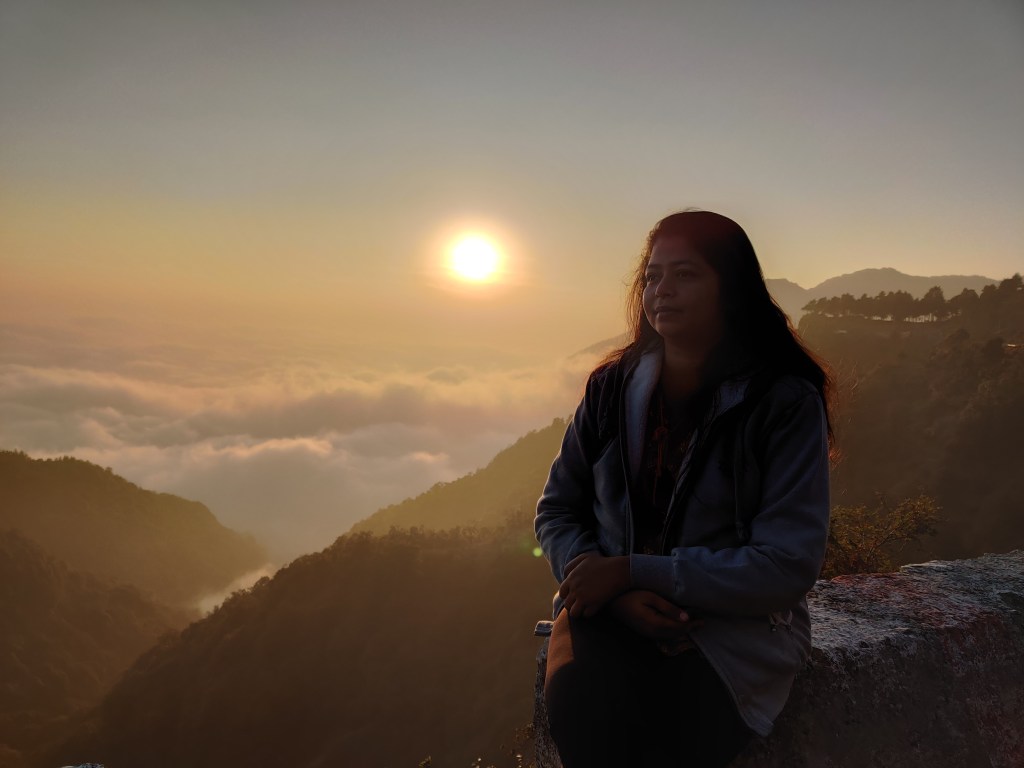
Foraging in the wild: celebrating Green Diwali!!!!

It’s been around two years that I am staying in Landour, Mussoorie. Every year we celebrate Diwali with enthusiasm and zeal. But, this year we celebrated our Diwali in the wilderness, foraging in the wild to collect 14 shaak/saag (leafy greens/foliage) to commemorate a traditional Bengali ritual.

Woodlots near Landour, Mussoorie

Diwali or festival of lights is one of the ancient traditional festival celebrated in India and different parts of the world. The essence of the festival is same throughout the country, but the culture, customs and traditional practices vary from state to state. In West Bengal and some parts in Northeast India, Bhoot Chaturdashi and Kali Puja are celebrated during this time of the year. Bengalis light 14 earthen lamps at the doorway of their house to guide the spirits of 14 forefathers to heaven and ward off evil spirits. They also eat a delicacy made of 14 types of green saags (foliage/leafy part of the plant).

Lighting earthen lamps (Diya)

Traditionally in Bengal these 14 shaak /saag are used for the preparation of the dish. They comprise of Olkopi shaak (Amarphophallus campanulatus); Kasunda shaak (Cassia sophera); Sorshe shaak (Brassica campestris); Neem (Azadirachta Indica); Jainti pata (Sesbania sesban); Salinch shaak (Alternanthera sessilis); Gulancha  (Tinospora cardifolia); Sheluka (Cordia Dichotoma); Hinche (Enhydra fluctuans); Ghetu (Clerodendrum infortunatum); Shushani (Marsilea qudrifolia); Beto (Chenopodium album); Potol pata/ leaf (Trichosanthes dioica); Kemuk/Keu Pata/leaf  (Cheilocostus speciosus).

With local changes in habitat, ecology and environment, the diversity of plant species also varies. This effects the availability of plant species in a particular area. I experienced impact of ecological change on plant diversity and food habit during my stay in Assam. I observed that the above mentioned traditional 14 saags got substituted with  the following saags (‘xaak’ in Assamese) in Assam, ie Ronga Laur xaak (Cucurbita pepo); Khutura xaak (Amaranthus viridis); Tita Mora xaak (Corchorus capsularis ); Pui xaak (Basella alba); Dhekia xaak (Diplazium esculentum); Kolmi xaak (Ipomoea aquatica); Bhedai lota (Paederia foetida);   Kochu xaak (Colocasia esculenta); Methi xaak (Trigonella foenum-graecum L.); Mula shaak (Raphanus sativus); Sojne paat (Moringa oleifera); Paleng xaak (Spinacia oleracea) Brahmi saak (Bacopa monnieri); Bor maanimuni (Centella asiatica) and many more.

In Landour, Mussoorie again I found locational ecological variance of phytodiversity due to altitudinal variation. Landour, Mussoorie is located in lesser Himalayas with altogether different geographical topography as compared to West Bengal and Assam. So, I was pretty sure that I wouldn’t find the traditional Bengali 14 shaak/foliage in this terrain. But where there is will there is a way, I made my mind to collect locally available edible green leaves/ herbs to prepare authentic 14 shaak recipe and traversed through various woodlots, thickets in and around Landour to explore wild edible leaves/foliage. During the course I came across Common nettle also locally known as Kandali (Urtica dioca L.); Black nightshade also locally known as  Khalarkoi (Solanum nigrum L.); Timru (Zanthoxylum alatum Roxb.); Bathua saag (Chenopodim album); Khatti-mithi (Oxalis corniculata L.); Bhangjeera (Perilla frutescens (L.) Britton); Almoda (Rumex hastatus D.Don);  Kanalya (Fagopyron esculentum Moench.);  Dandelions (Taraxacum officinale Weber) and many more. The edible leaves of these plants are used in the preparation of some local dishes and have immense medicinal value. I sufficed the ingredients with locally available Methi saag/Fenugreek (Trigonella foenum-graecum); Sarson saag (Brassica campestris); Palak saag (Spinacia oleracea); Muli bhaji (Raphanus sativus); and some locally available Coriander leaves (Coriandrum sativum). So, altogether I was able to collect 14 different leafy greens for the preparation of 14 shaak recipe and I was ready to cook the dish.

Forest thickets, Landour
Alongwith my husband in the woods near Landour, Mussoorie

Care must be taken while collecting and cooking nettles as they prickly in nature. I used very minor quantity of the leaves from the plants I foraged from the wild. I thoroughly cleaned, blanched, partially boil the leaves and drained excess moisture. Care should be taken not to over cook the leaves. Later, I sauteed the par boiled greens in mustard oil spluttering with Nigella seeds and salt to taste. Voila!!! and the dish was ready.

There are many aspects associated with the traditional practice of eating 14 saag delicacy on this particular day, be it religious, spiritual or scientific. According to Charaka Samhita, the ayurvedic compendium of second century BC, eating different leafy vegetables in the Kartika (October-November) month builds immunity for fighting infectious disease outbreaks which occur after monsoon and in winter season. The plant species used in chodhdho (14) shaak recipe have medicinal properties and are also used in medicine to cure allergic rhinitis, seasonal cough and cold, allergic bronchitis, asthma and fever, gastrointestinal problems, dermatological issues.These plants are have bioactive compounds which can cure malaria, chronic fever, pain and insect bites.

Bioactive compounds are present in the leafy part of the plant i.e. foliage has therapeutic potential with influence on energy intake, while reducing pro-inflammatory state, oxidative stress, and metabolic disorders. Studies indicate that high consumption of foods rich in bioactive compounds with antioxidant activity, including vitamins, phytochemicals, and mainly phenolic compounds, such as flavonoids and carotenoids, has a positive effect on human health and could diminish the risk of numerous diseases, such as cancer, heart disease, stroke, Alzheimer’s, diabetes, cataracts, and age-related functional decadence (Hassimotto, Genovese, & Lajolo, 2009; Siriwardhana et al., 2013).

Diwali celebrations near Landour, Mussoorie

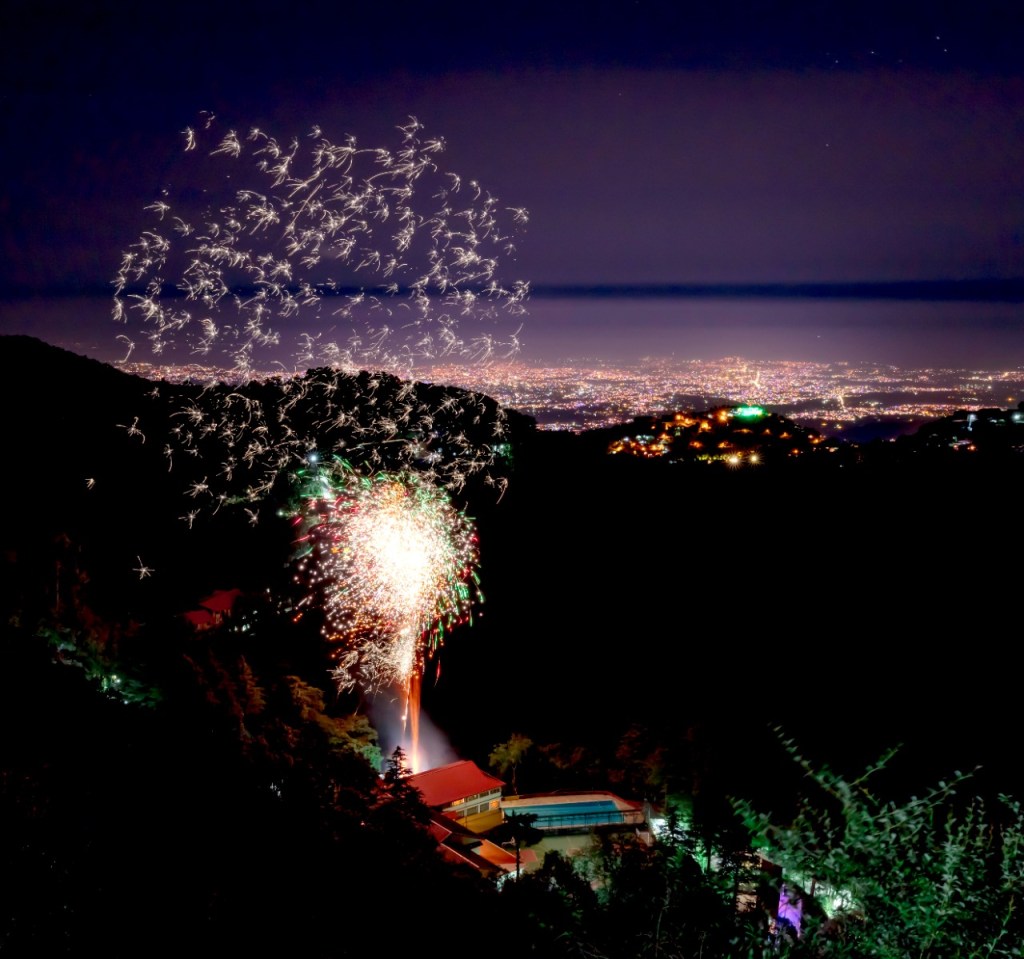
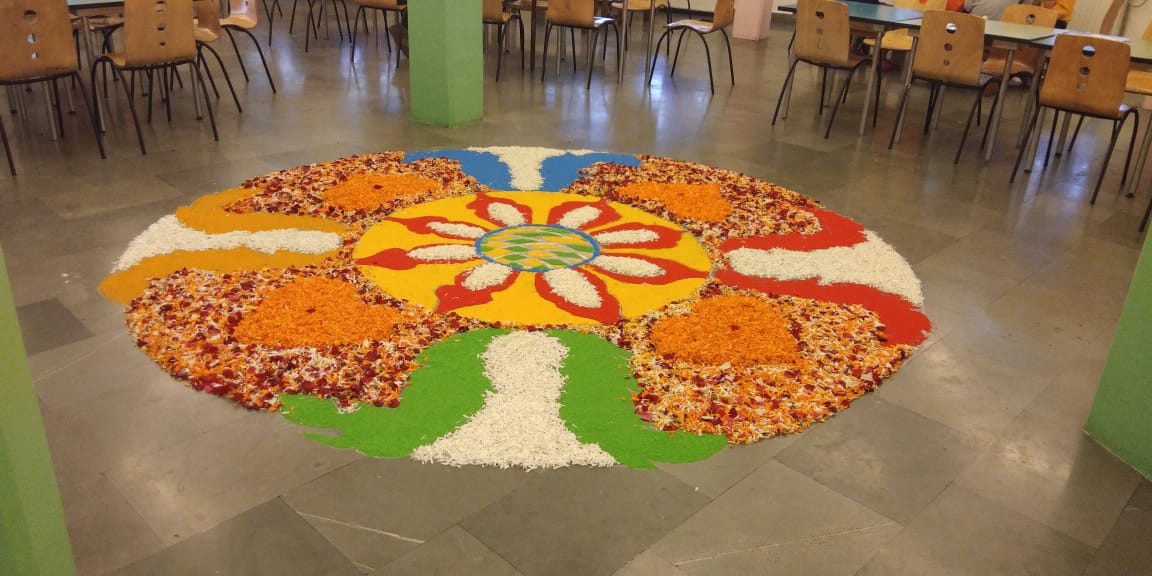
Historical research shows that Diwali celebration dates back over 2500 years. This festival is celebrated not only by Hindus but is also observed by Indians of many faiths, including Hindus, Jains, Buddhists, and Sikhs.These traditional rituals and customs not only connects souls but also creates a feeling of belongingness with families and friends, uplifts moral ethical values ,mutual respect and oneness with nature. With the passage of time traditional Diwali celebrations has slowly evolved with modern adaptation but lighting diyas, rangoli making and decoration with fresh flower are still intact. This year Diwali celebrations has suffered due to global Corona virus pandemic. Moreover, the high pollution levels due to burning of Parali/ stubble and overuse of crackers in some parts of India is badly affecting lives. This scenario has again questioned the basic responsibility of citizens towards environment and climate. An eco-friendly Diwali is the best practice to commemorate the same by lightning earthenware Diyas, using natural colors and dyes like rice flour, turmeric power, kumkum, lime, flower petals, coal and leaves for making Rangoli (Bengalis use rice powder to make beautiful Alpana). Its our basic responsibility and conscience to adopt climate resilient measures and recognise the essence of the traditional Diwali celebration.

Beautiful floral art made by students on Diwali
Colorful Rangoli with flower petals

Thank you!!

@chandrimadebi

Picture courtesy

https://www.facebook.com/SumanMitraPhotography

https://www.sumanmitra.com/
copyright @sumanmitraphotography

©All images and content are subjected to copyright

Prelude to Winterline, Mussoorie !!!

It was an usual evening bike ride with my husband in the outskirts of Mussoorie, when he first introduced me to the Winter line in Landour, Mussoorie. The scintillating canvas of sky was displaying multitude hues of yellow, orange, red, mauve blue and grey. This meteorological phenomena sparked up the artistic orchestration of vivid shades and colours in the playground of sky. The shimmering sunrays spread golden hues in the Himalayas.

Winterline in Mussoorie, India
An evening in Mussoorie featuring winterline
©sumanmitraphotography

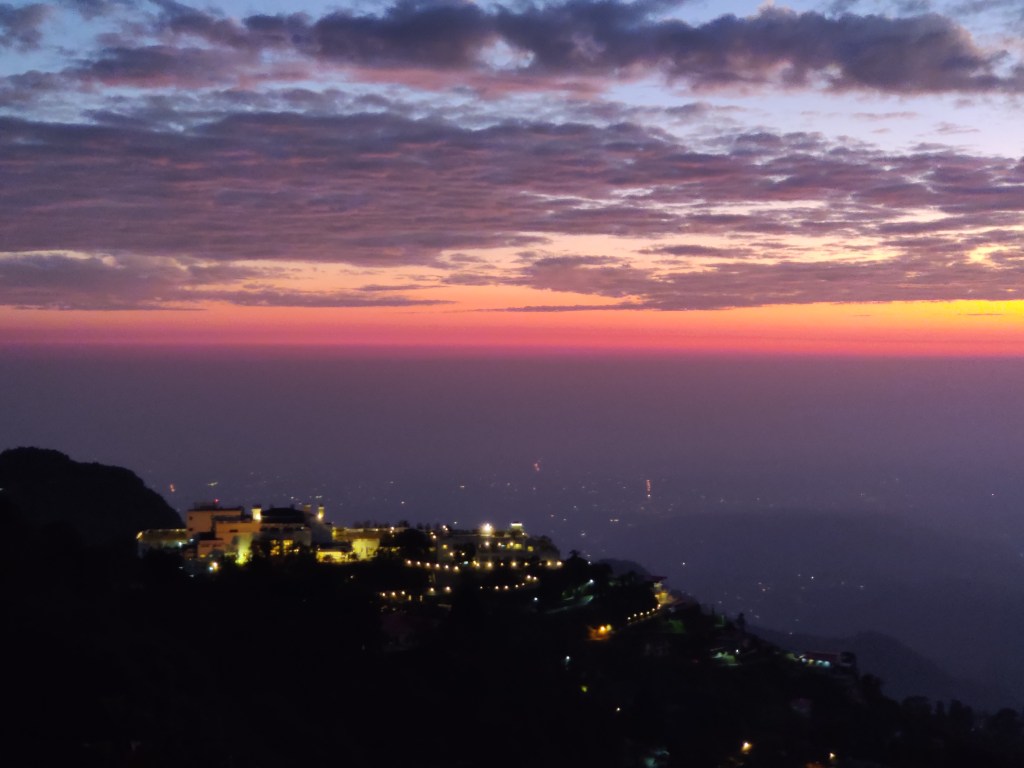
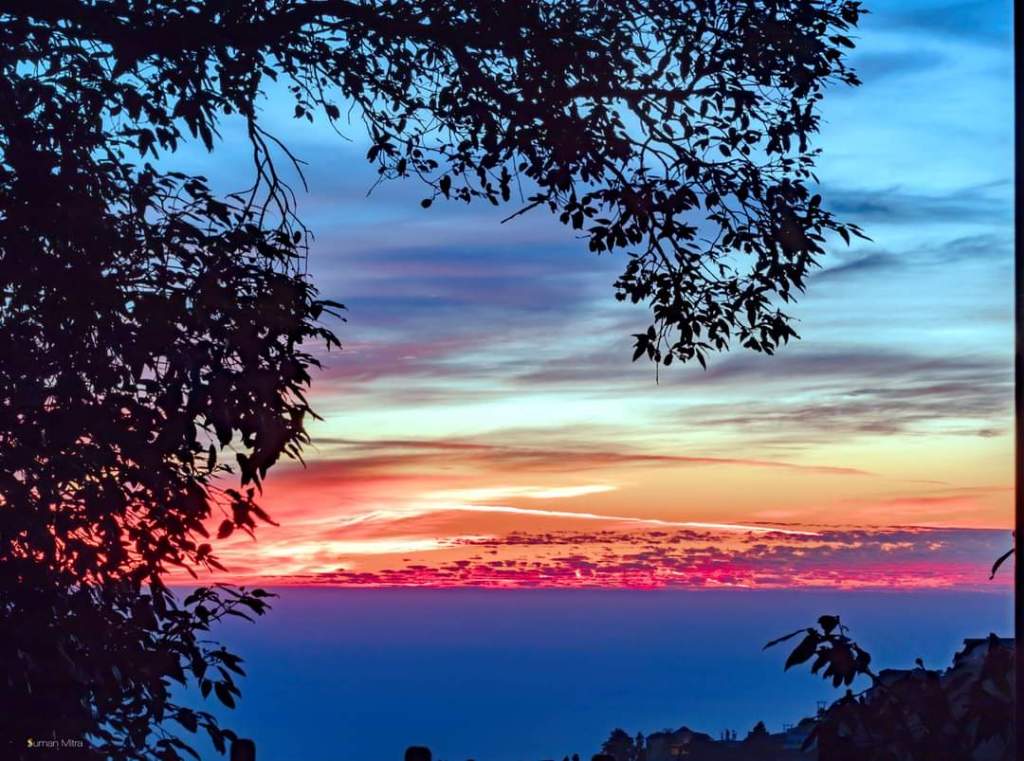
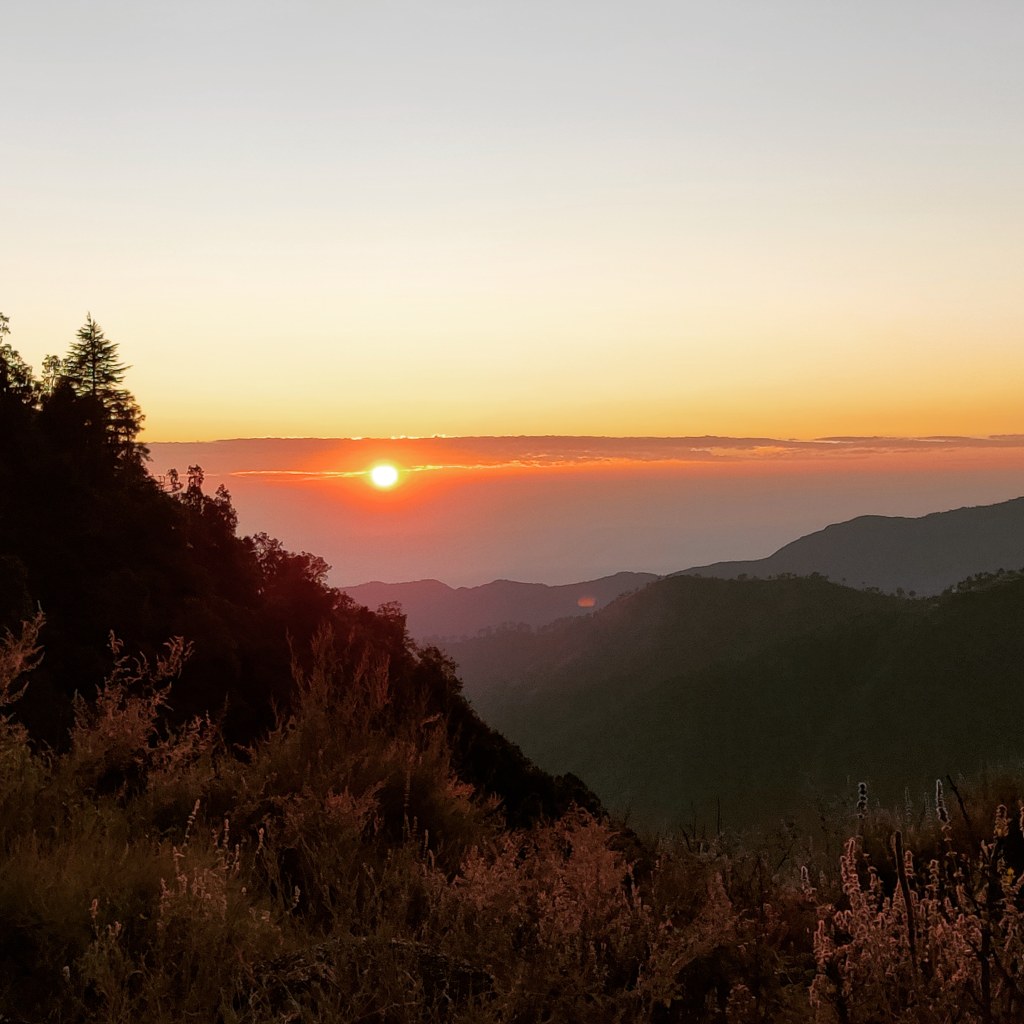
Winter line is a rare phenomena where a pseudo horizon is formed at dusk. A strikingly straight transition or buffer zone is created in the atmosphere due to intermixing of hot and cold air causing temperature inversion. During sunset the sunrays refract through the moisture, dust particles and other particulates in the atmosphere and create a mesmerizing meteorological phenomena known as Winterline. It is visible from Mussoorie in India between October and February. Besides Mussoorie, India this winterline also occurs in the Swiss Alps, Europe. However, during recent years, high air pollution levels have affected the prominence of Winterline.

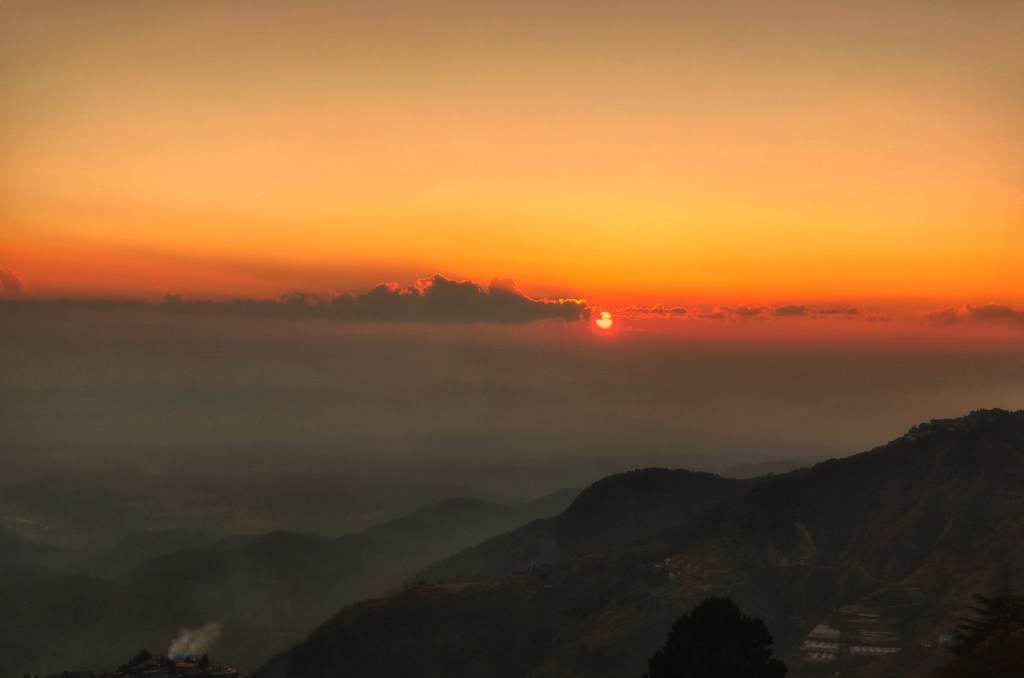
Sunset amidst winterline, Mussoorie
©sumanmitraphotography
Sunset in Mussoorie, India
©sumanmitraphotography
View of Winterline, near Chardukan, Landour, Mussoorie
©sumanmitraphotography

There are various locations in an around Mussoorie from where one can observe Winterline. While you are biking through the Himalayan highways, every bend, every curve around the mountain edges gives a thrilling experience. You will never know what awaits you beyond the steep curve, a heavy vehicle or a herd of cattle, landslide, boulder, might be a stream or a magnificent panoramic view of Winterline, waiting to sweep someone off their feet.

Winterline, Mussoorie
©sumanmitraphotography

The astounding view of sun set amidst the Winter line is still fresh in my everlasting memories. My husband is a mountaineer, photographer and a passionate bike rider and I cherish biking alongwith him to quench my wilderness fantasies in the lap of mighty Himalayas.

Majestic view of Himalayas
©sumanmitraphotography
Clouds in mountain pockets, near Dhanaulty
©sumanmitraphotography
Light trail along Dehradun- Mussoorie highway
©sumanmitraphotography

Thank you!!

@chandrimadebi

Picture courtesy

https://www.facebook.com/SumanMitraPhotography

https://www.sumanmitra.com/
copyright @sumanmitraphotography

©All images and content are subjected to copyright
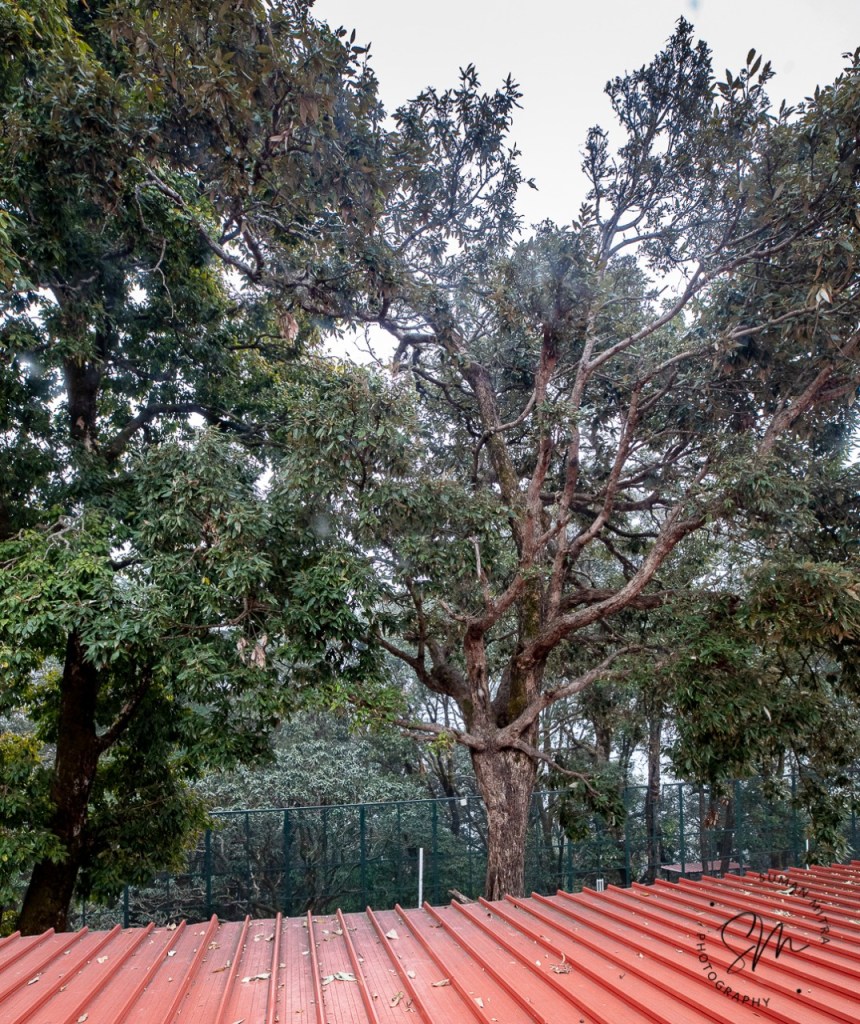
Nature’s Lanterns Are Dimming

KNOWN FOR THEIR BIOLUMINESCENCE, FIREFLY SPECIES ARE GLOWING
INDICATORS OF CHANGING SEASONS. TODAY, THEIR POPULATIONS ARE
DECLINING AS CLIMATE CHANGE HAS DESTROYED THEIR HABITATS

I am staying in Landour, Mussoorie since last two years , but I didnt observe any firefly species in the area. Local people also told me that they have also not seen fireflies in the area. This was in line with the global trend of disappearance, or migration, of these fascinating creatures. But, this year in the month of July-August, I witnessed a sudden appearance of these lighting insects in Landour. They were seen in Pine and Oak forest patches near Woodstock school in the evening. I found them hovering around moth maple trees around midnight. And this led me to probe these magical bugs.

Fireflies are unique because they produce their signature glow through light organs located under their abdomen. They take in oxygen within special cells and combine it with a compound called luciferin to produce light with almost no heat. This type of light production is called bioluminescence, and this unique species account for 40 per cent of all insect species in the world.

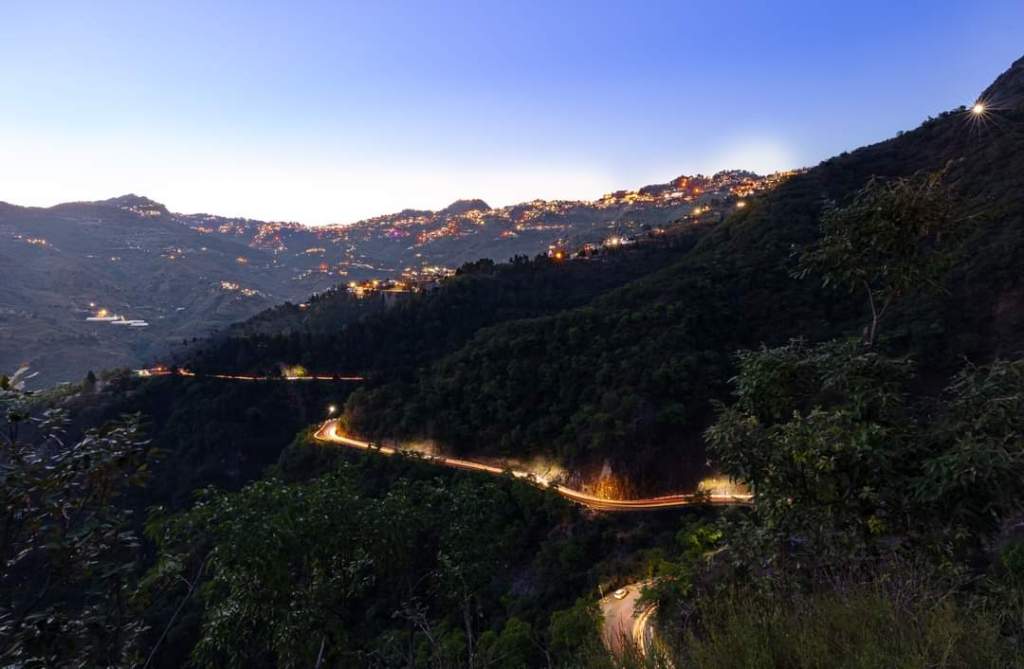
Fireflies are, in fact, beetles— belonging to the Coleoptera order of the Lampyridae family— that have existed in our planet since the dinosaur era, says Sarah Lower, an evolutionary geneticist at Bucknell University, Pennsylvania, USA. There are over 2,000 species of fireflies across the world and they mark their presence in all continents, except Antarctica. In India, fireflies are known as Jugnoo in Hindi, Jonaki Poka in Bengali and Jonaki Porua in Assamese. These nocturnal insects are winged, which distinguishes them from other luminescent insects of the same family.

Firefly behaviour reveals that each blinking pattern is an optical signal to find potential mates. But when predators such as lizards attack, they produce drops of blood that are filled with poisonous chemicals. Significantly, fireflies are indicators of a healthy environment. They are extremely sensitive to changing environmental conditions and thrive only in healthy habitats— where the water is free from toxic chemicals; where the land diverse enough to support different life stages of fireflies; and, where there is minimal light pollution. Fireflies—mainly feeding on pollen and nectar—also play a vital role in pollination and the propagation of many plants.

At the same time, their larvae consumes invertebrate pests like worms, snails and slugs. In fact, some scientists have gone to the extent of using the luminesce property of fireflies to detect cancer and other diseases. For instance, Swiss researchers took the protein that makes fireflies glow and added a chemical tag to it, so when it attaches to another molecule—like on a tumour cell—it will glow. The study was published in Nature Communications in 2015.

LIGHTS OUT
“Everyone is reporting declines in their populations,” says Eric Lee-Mäder, co director of the pollinator program, Xerces Society for Invertebrate Conservation, a US-based non-profit. “I have observed a drastic decline in firefly population in the campus of the Wildlife Institute of India (WII), Dehradun, since 1999,” says V P Uniyal, senior scientist, WII. Though the exact extent of the decline is not known, reports suggest that their numbers have either shrunk or disappeared in many places, or they are migrating to find new habitats—moist, humid, wet or damp regions. Population declines of fireflies are due to various factors, including loss of habitat due to rapid urbanization and deforestation and light pollution that prevent fireflies from seeing each other’s flashes, thus indirectly affecting their biological cycles as they are unable to find their mates. A study published in Ecology and Evolution in 2018 says light can make fireflies lose track of time or their position or even blind them. Besides, there is the threat of pesticides—a large part of a firefly’s life is spent as a larva, on or under the ground, or underwater where they are exposed to pesticides.

WARMER SPRINGS CAUSED BY CLIMATE CHANGE
WOULD LEAD TO EARLY FIREFLY PEAK. ON THE FLIP
SIDE, THE SEEMINGLY INCREASE IN THE NUMBER OF
FIREFLY MAY BE DUE TO WET SPRINGS

CLIMATE CHIMES
Fireflies are also signalling the impacts of a changing climate. A number of reports suggest with changes in the global climatic conditions, the ecological habitat and distribution of the fireflies are also changing. That could be the reason for the appearance in Landour, where fireflies have extended their duration of stay. Here, summers have become comparatively warmer along with extreme rainfall—from April to September. The changing climatic conditions may have driven fireflies to migrate and extend their distribution to this part of the lesser Himalayas.

A 12-year study published in Science in 2016 found that warmer springs caused by climate change would led to early firefly peak, but only if rainfall remains the same. On the flip side, the seemingly increase in the number of firefly in other regions may be due to wet springs—a trend occurring with climate change in the northeastern USA, says Michael Hoffman, professor emeritus, entomology, Cornell University.

I have come across many studies that have focused on the biology and luminescence of fireflies, but there is little research on the global effects of climate change on firefly ecology and habitat. The disappearance of fireflies comes amid a larger decline in insect populations globally. This will leave the world with more pests and fewer pollinators both of which will threaten food supplies—and less luminance and wonder.

*The article is published in Down to Earth magazine October (1-15) issue

*Picture courtesy internet

Thank you!!!!!