Clean Yamuna… ecological chimera!!!

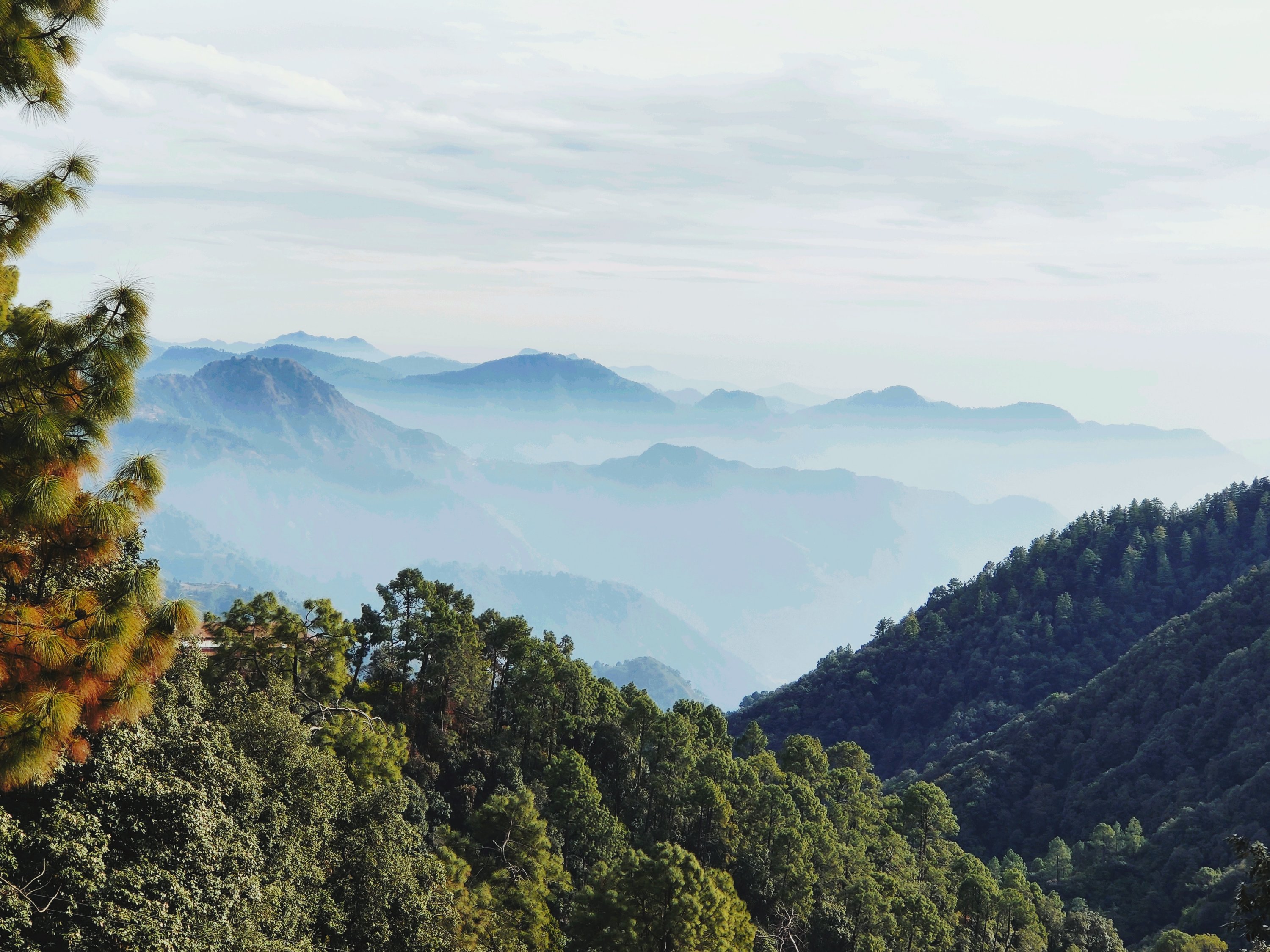
Yamuna….a river which is facing the wrath of the cruelty of mankind towards our rivers. The toxicity level of the polluted water of this religiously pious river is dangerous in and around Delhi. But, in the upper courses of Uttrakhand one can still experience clear water of river Yamuna. The river here flows through the mountainous terrains into the valley. The clear blue water gorges through the rocky terrain depicting as if almighty has laid a blue satin ribbon over a white linen. The landscape in the upper courses of Uttrakhand is still beautiful and serene. But with the rapid urbanisation, unsustained tourism, I wonder for how long mother nature will be able to hide this beauty and the biodiversity associated in her arms.

River Yamuna meandering, Uttarakhand
©sumanmitraphotography

Today I got the news that ahead of US president’s visit to Taj Mahal in Agra around 500 cusecs of water has been released from Upper Ganga Canal to meet water scarcity and improve the environmental condition of flowing along one of the seven wonders of the world. River Ganga according to Hindu mythology purifies the impure, I hope this effort might ease the purification process of River Yamuna even though Yamuna is the tributary of Ganga. Atleast for few days River Yamuna will be breathing. I am thankful to American President that amidst his visit to India, these clean up projects are actually realised and getting implemented. For few days we will witness that river Yamuna is flowing clean atleast around Taj Mahal.

Massive cleaning up projects are being taken up for the same and the government is also shelling ample funds. Afterall Mr. and Mrs. Trump are our guests and in India we believe in athiti devobhava. After the implementation of Swachch Bharat mission, this might be the first time one might experience the true vibes of Swachchata aka cleanliness that too along one strip in India ie Delhi -Agra- Ahmedabad.  Sometimes I feel India is getting limited only in this particular region. This cleaning process will again go back to the same pace because everytime this much quantity of water cant be released to Yamuna through canals, moreover we are used to the basic idea that Yamuna is polluted (status quo).

The global warming has already affected the melting of the massive glaciers in Yamunotri. The clear water flows through Uttarakhand down to the Indo-Gangetic plain where it gets polluted. The rate of pollution entering in Yamuna is higher than the cleaner water being added up in the mainstream. Why the Yamuna river can’t be cleaned permanently ? I wonder for how long we will live with this virtual happiness and put our future at stake.

Today it’s a river and tomorrow entire mankind….!!!!!
Nolen Gur’/ ‘Khejur Gur’/ Date Palm Jaggery…… a delicacy to be treasured !!!!!

Nolen Gud

Nolen Gur’, ‘Notun Gur’ or ‘Khejur Gur’ or Date Palm Jaggery is an authentic bengali delicacy and is unique to Bengal.  Each year me and my husband travel down to Kolkata during winters to visit our friends and relatives. Besides meeting friends and family we both exclusively make our own authentic bengali food wishlist to satisfy our palates where Nolen gud tops our list. So, one fine early morning we went to the local markets of Kolkata for the hunt of this sweet nectar. But to our dismay we couldn’t find authentic nolen gur anywhere in the market. Unlike every year this year we found that the true essence of the flavour of authentic Nolen gud was missing everywhere and most of it was adulterated with sugar syrup.

We tried to look into the matter and found that Shiulees (a group of people traditionally involved for the extraction of khejur ras) are reluctant these days to tap sap from Palm trees and deliver khejur ras for the preparation of khejur gud.

Palm trees along vicinity of the paddy fields

There are many factors which has together affected the production of Nolen gud as well as Patali gud. With the gradual rise in the atmospheric temperature the desired accumulation of the sap is not taking place. The Date Palm trees require optimum temperature of around 14 degree Celsius for the desired quantity of  sap to form. But the gradual increase in temperature has resulted in the lessened accumulation of sap.

Tapping of sap in earthen pots from Palm trees

Due to rapid urbanisation, deforestation and various landuse changes the environmental and soil fertility conditions has also been affected and thus due to the altered situation the quality of the sap has been affected. The trees are not able to produce sufficient quantity of sap. Jiran cut trees (trees that are given rest for one year to replenish) has also resulted in lessened production of khejur gud this year

The collection of sap from Palm trees before sunrise in cold winter mornings is a tedious task for the Shiulees. Moreover they are underpaid for their hectic job. With urbanization and globalisation they are also adapting to the emerging trends. They want better living conditions which has resulted in migration for job search. There is a major shift in livelihood situation which has otherwise affected the gross production and net benefits from Date Palm jaggery.

Another factor which has contributed towards the deteriorated flavour of Khejur gud is that, earlier fuelwood was used to make khejur gud but these days due to costlier fuelwood the khejur gud makers are shifting to coal which has otherwise affected the taste, flavour as well as quality of khejur gud.All these factors has together resulted in poor production of Nolen gud and Patali gud. Traditionally, Date Palm sap was collected in earthen clay pots, but these days, excessive use of plastic containers for collection of sap has affected the quality of Nolen Gud.

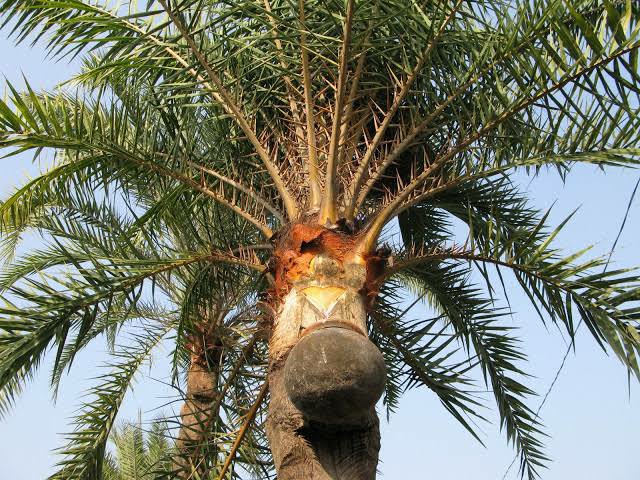
Date Palm or khejur tree also known as silver date palm, Indian date, sugar date palm or wild date palm scientifically known as Phoenix sylvestris is a species of palm family. It is found at an altitude of 1300 msl along plains in India, Bangladesh, Nepal, Sri Lanka and Pakistan. The height of the tree ranges from 4 to 15 m. In West Bengal and Bangladesh this fresh sap is tapped and is further boiled over traditional chulhas to make delicious palm jaggery or Khejur gud.

It the result of immense hard work, patience and dedication that result in the sweetness and rich aroma of the delicious khejur gud. If proper attention and care is not given towards this area it will be no longer that this traditional authentic bengali delicacy will be long lost in the pages of history!!!

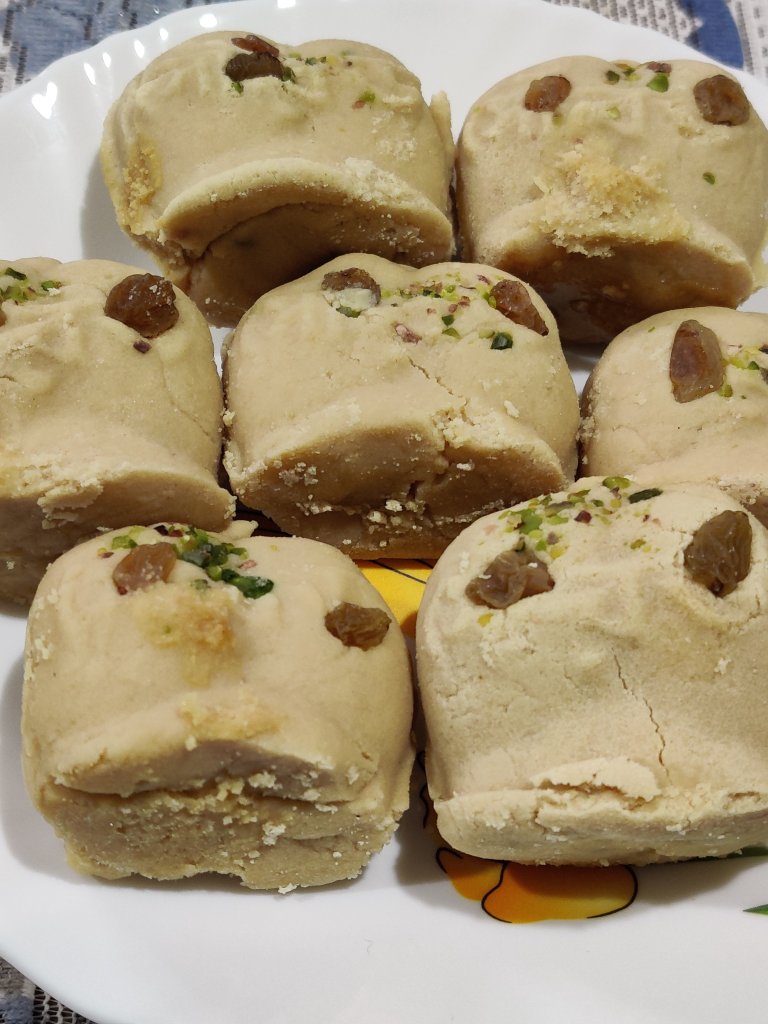
Nolen gud Sandesh…

Picture courtesy

https://www.sumanmitra.com/

https://www.facebook.com/SumanMitraPhotography

A delicacy to be treasured…Nolen Gur’, or ‘Khejur Gur’ or Date Palm Jaggery

Nolen Gur’, ‘Notun Gur’ or ‘Khejur Gur’ is Date Palm Jaggery is an authentic bengali delicacy and is unique to Bengal.  Each year me and my husband travel down to Kolkata during winters to visit our friends and relatives. Besides meeting friends and family we both exclusively make our food wishlist to satisfy our palates and Nolen gud tops our list. So, one fine early morning we went to the local markets of Kolkata for the hunt of this sweet nectar. But to our dismay we couldn’t find authentic nolen gur anywhere in the market.Unlike every year this year we found that the true essence of the flavour of authentic Nolen gud was missing everywhere. Most of it was adulterated with sugar syrup.

We tried to look into the matter and found that Shiulees (a group of people traditionally involved for the extraction of khejur ras) are reluctant these days to tap and deliver khejur ras for the preparation of khejur gud.

There are many factors which together affect the production of Nolen gud as well as Patali gud. With the gradual rise in the atmospheric temperature the desired accumulation of the sap is not taking place. The Date Palm trees require optimum temperature of around 14 degree Celsius for the desired quantity of  sap to form. But the gradual increase in temperature has resulted in lessened accumulation of sap.

Due to rapid urbanisation, deforestation and various landuse changes the environmental and soil fertility conditions has also been affected and thus due to the altered situation the quality of the sap has been affected. Jiran cut trees (trees that are given rest for one year to replenish) has also resulted in lessened production of khejur gud this year

The collection of sap from Palm trees before sunrise in cold winter mornings is a tedious task for the Shiulees. Moreover they are underpaid for their hectic job. With urbanization and globalisation they are also adapting to the emerging trends. They want better living conditions which has resulted in migration for job search. There is a major shift in livelihood situation.

Earlier fuelwood was used to make khejur gud but these days due to costlier fuelwood the khejur gud makers are shifting to coal which has otherwise affected the taste flavour as well as quality of khejur gud.

All these factors has together resulted in poor production of Nolen gud and Patali gud. 

Date Palm or khejur tree also known as silver date palm, Indian date, sugar date palm or wild date palm scientifically known as Phoenix sylvestris is a species of palm family native to India, Sri Lanka, Nepal, Bhutan, Burma and Bangladesh and South Pakistan. It is found at an altitude of 1300 msl along plains. The height of the tree ranges from 4 to 15 m. In West Bengal and Bangladesh this fresh sap is boiled to make palm jaggery or Khejur gud.

It the result of immense hard work, patience and dedication that result in the sweetness and rich aroma of the delicious khejur gud. If proper attention and care is not given towards this area it will be no longer that this traditional authentic bengali delicacy will be long lost in the pages of history.

Mussoorie Skies

Picturesque Mussoorie

The skies of Mussoorie, always astound one with the clouds changing forms and shapes along different seasons, as if almighty has set spectacular screensaver in the high skies.  Be it cumulus, cirrus, cirrocumulus or cirrostratus, these beautiful clouds over Mussoorie skies can arouse artistic aspirations in a creative corners of mind.

Different shapes of clouds in picturesque canvas

These clouds sometimes play hide and seek between manifold layers of mountains, they rise up go down swirling along the curves, edges in the valley as if they are dancing alongwith the  wind. These clouds often march into the valley like a troop and suddenly recede away, slowly fading into the clear evening breeze. 

Be it dawn or the dusk, these clouds in Mussoorie create picturesque panorama along every nook and corner of this famous hillstation.The famous winterline in Mussorie is striking clear in the evening these days, inspiring nature lovers and photographers all over.

Winterline in Mussorie
Evening in Mussoorie

The northern breeze sometimes carries these clouds through the pine and oak forests creating a mystic bluish haze which can sweep someone away off their feet. Sunlight entering through the mist in the Pine forest can make one spellbound as if almighty is pouring in rays of hope from the heavens.

These clouds sometimes create illusion while driving over high mountain roads and at times can disappoint nature lovers who love watching snow cladded high mountain peaks. The clouds can suddenly lift their veils and can make one wonderstruck with the majestic view of the snow-covered Himalayas.  Altogether the mountainous topography, natural landscape, altitude, meteorological phenomena contribute towards the incredible canvas of the beautiful Mussoorie skies.

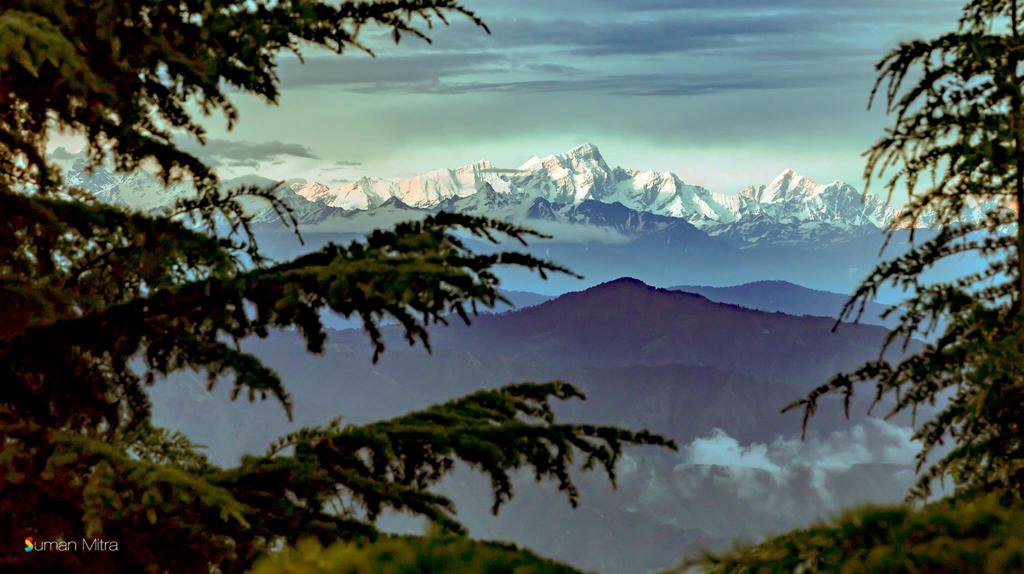
Mighty Himalayas

I will conclude with the lines of the poem ‘The Cloud’ by  Percy B. Shelly

I bear light shade for the leaves when laid
In their noonday dreams.
From my wings are shaken the dews that waken
The sweet buds every one,
When rocked to rest on their mother’s breast,
As she dances about the sun.
I wield the flail of the lashing hail,
And whiten the green plains under,
And then again I dissolve it in rain,
And laugh as I pass in thunder…….

Take care!!!

Picture courtesy https://www.facebook.com/SumanMitraPhotography

https://www.sumanmitra.com/

Passive death of the hill streams in Mussoorie, Uttarakhand

Stream enroute Dehradun to Mussoorie via Rajpur

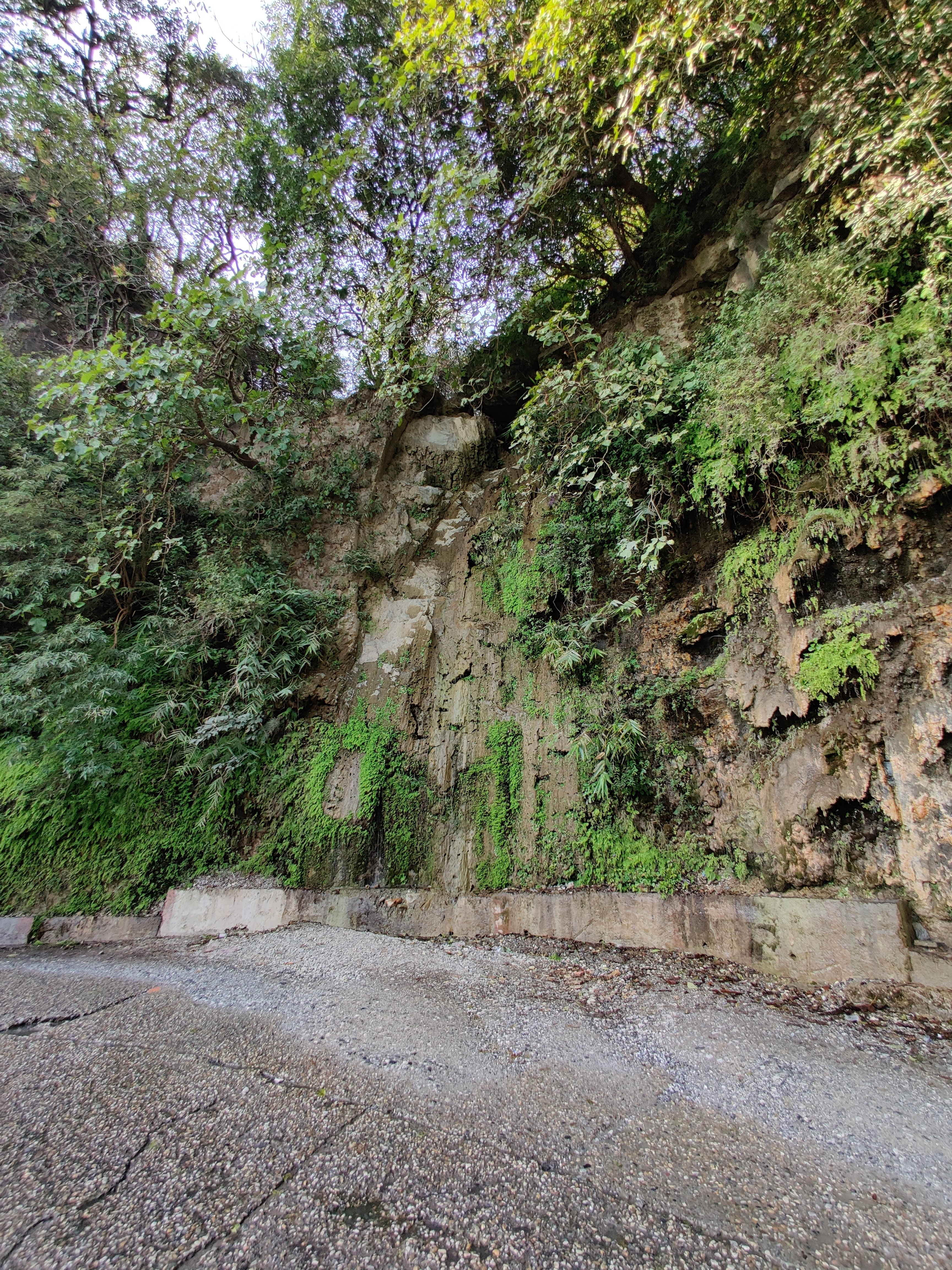
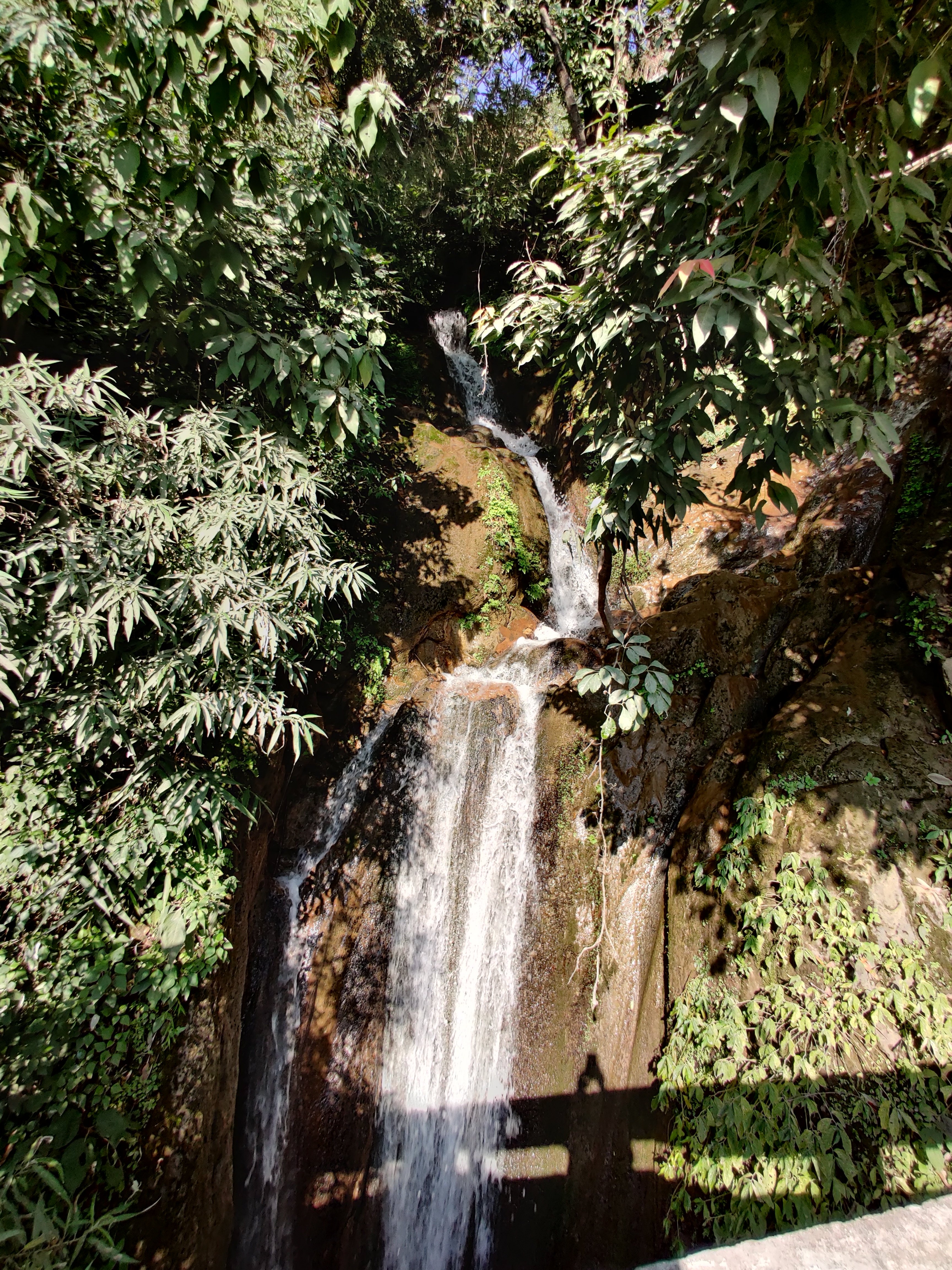
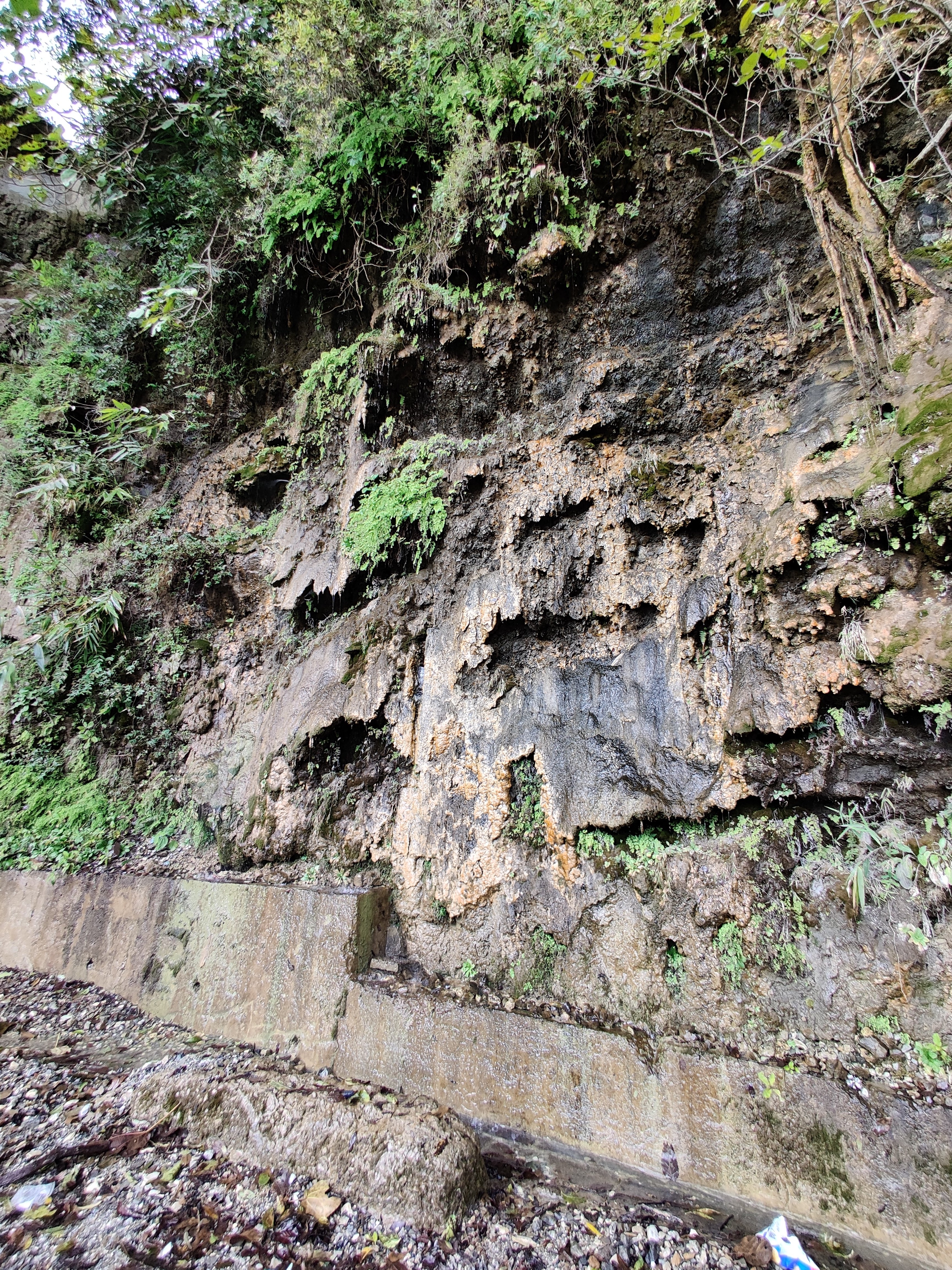
Enroute Dehradun to Mussoorie via Rajpur there are few streams/ streamlets/ creeks/brooks and falls both natural as well as artificial. Just after crossing the famous Shiv Mandir there was one small fall.This beautiful streamlet was fully charged with water last year but is almost dry this year. Till last year water from the stream used to rush over the road occasionally creating traffic congestion. One can now observe water trickling down through the weathered rocks covered with algae.

A small brook enroute Dehradun to Mussoorie via Rajpur

Apart from the above-mentioned fall there are many streams, creeks, Brooks along the course of Himalayas which are slowly dying away. Besides being source of freshwater these streamlets, creeks and brooks add to the natural beauty of this hilly metalled road.These streams are also microhabitats of many  organisms.The passersby also quench their thirst, clean their vehicles etc. The local roadside Maggi-points and other foodstalls are also dependant on these streams for their day to day requirements. Few of these streams have spiritual values attached along with them too. For the tourists, these streams are usual halts for taking selfies and photography.

Water trickling through weathered rocks

The Mussoorie hills were once covered with enormous forests. The flora as well as fauna was fully thriving. But with rapid urbanisation there was massive deterioration in the forest cover and landuse changes under forest cover. The numerous streams, creeks etc slowly started receding and eventually lost.These streams are charged when the water table and aquifers are saturated. Monsoon is very important for the charging of the water table. It has been scientifically proven that forests help in upholding moisture levels and inter alia help in restoring ground water level. The plant roots prevent surface run-off.

Irregular monsoon pattern, rapid urbanisation, pollution, overpopulation, insensitive approach of humans towards nature are few of the negative factors which paved way for environment degradation and biodiversity loss. With the aid of certain government initiatives, ban on ‘single use plastics’ has worked wonders with the removal of plastic waste (the traffic is very busy usually on weekends with tourists pouring in Mussoorie for vacations and polluting. Incedents of rash driving and overtaking is also high during these days). Similar is the situation of hundreds of forest streams which are dying due to, climate change, global warming, environmental degradation and insanity of human beings.

Save the forests for safe future!!!

Take care..

Necklace of the Queen of the hills, Mussoorie

Necklace of the Queen of hills, Mussoorie

Today while coming up from Dehradun to Mussoorie, I saw the picturesque view of the hills of Mussoorie. The lights on the hills were shimmering from distance and I was bedazzled. The lights were arranged in a specific pattern which appeared to me as if the Queen of hills is wearing a ‘diamond necklace‘ studded alongwith precious gemstones around her neck. I was wonderstruck and captured the moment. They say it correct that ‘Beauty lies in the eyes of beholder’.

Take care!!

Timeless architecture of Mussoorie, Uttarakhand – 1

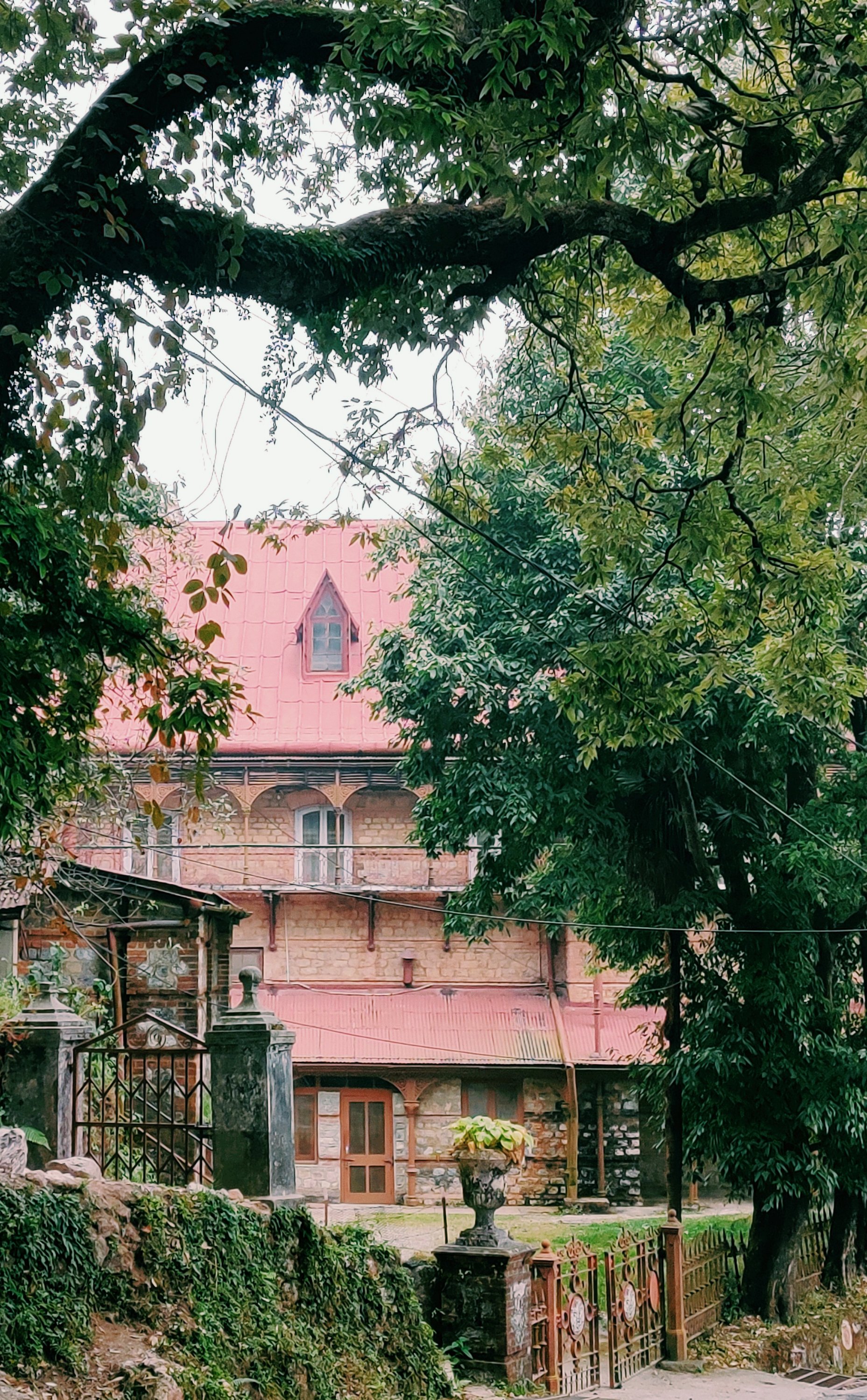
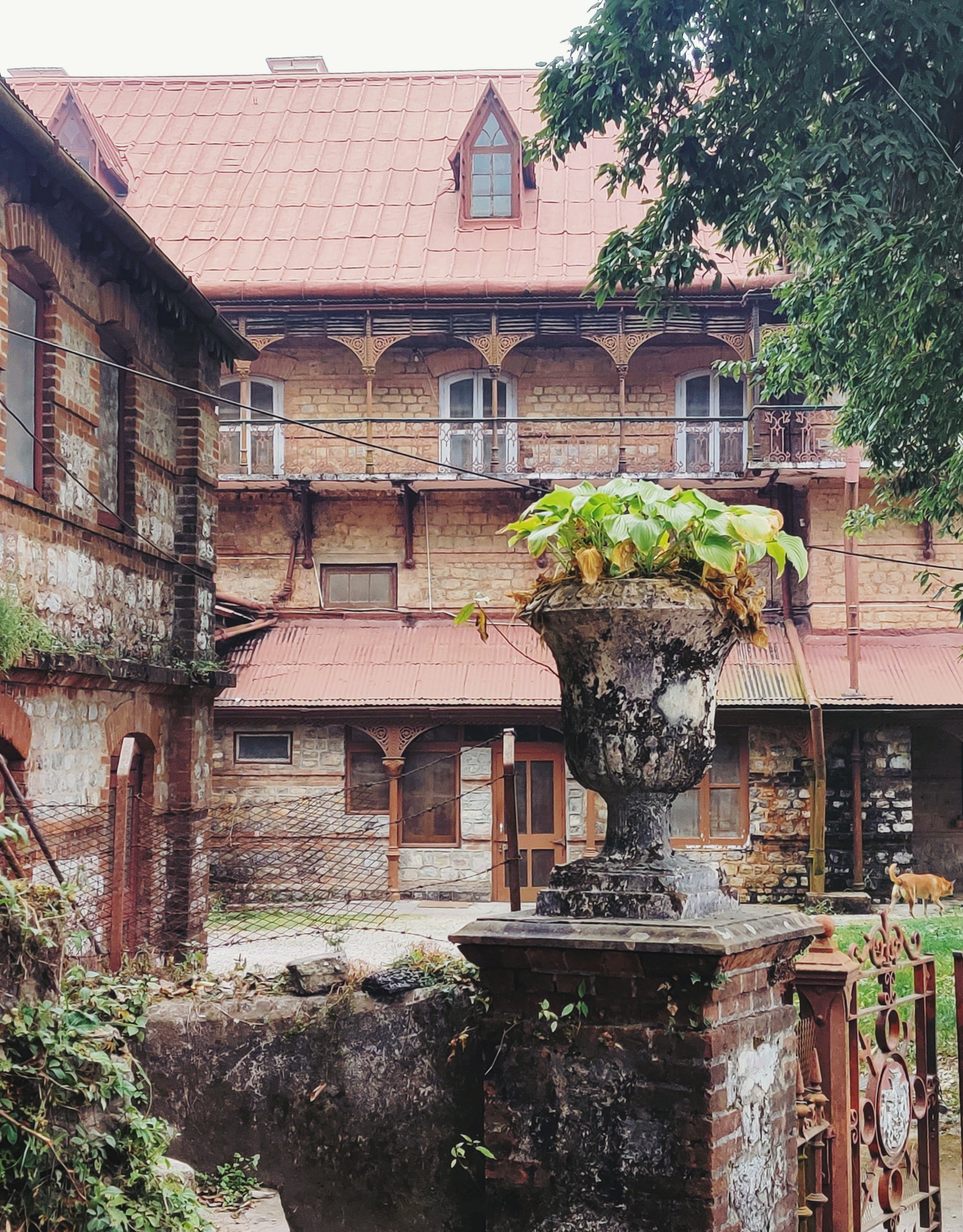
Palace of Maharaja of Kapurthala in Mussoorie, Uttarakhand

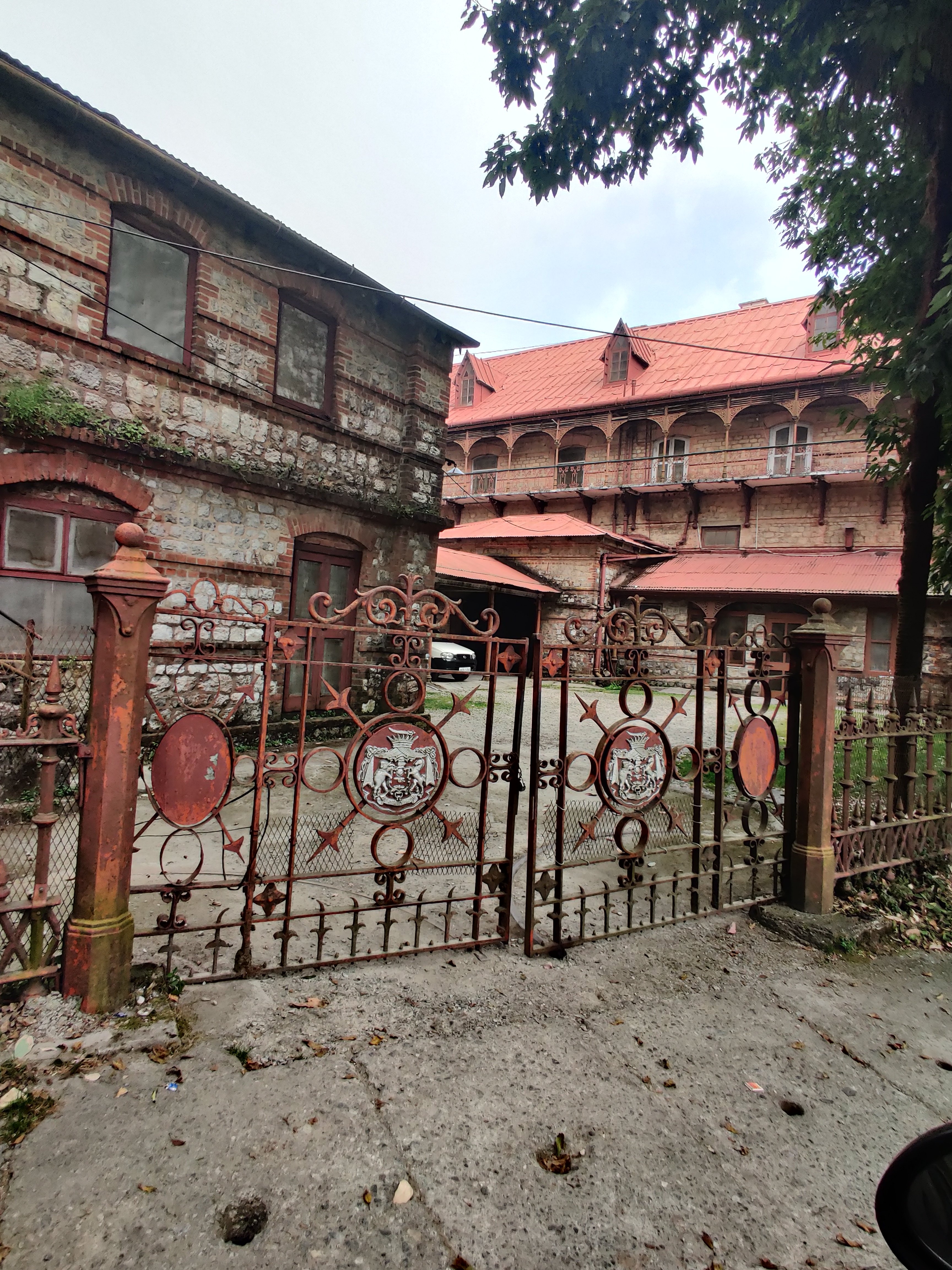
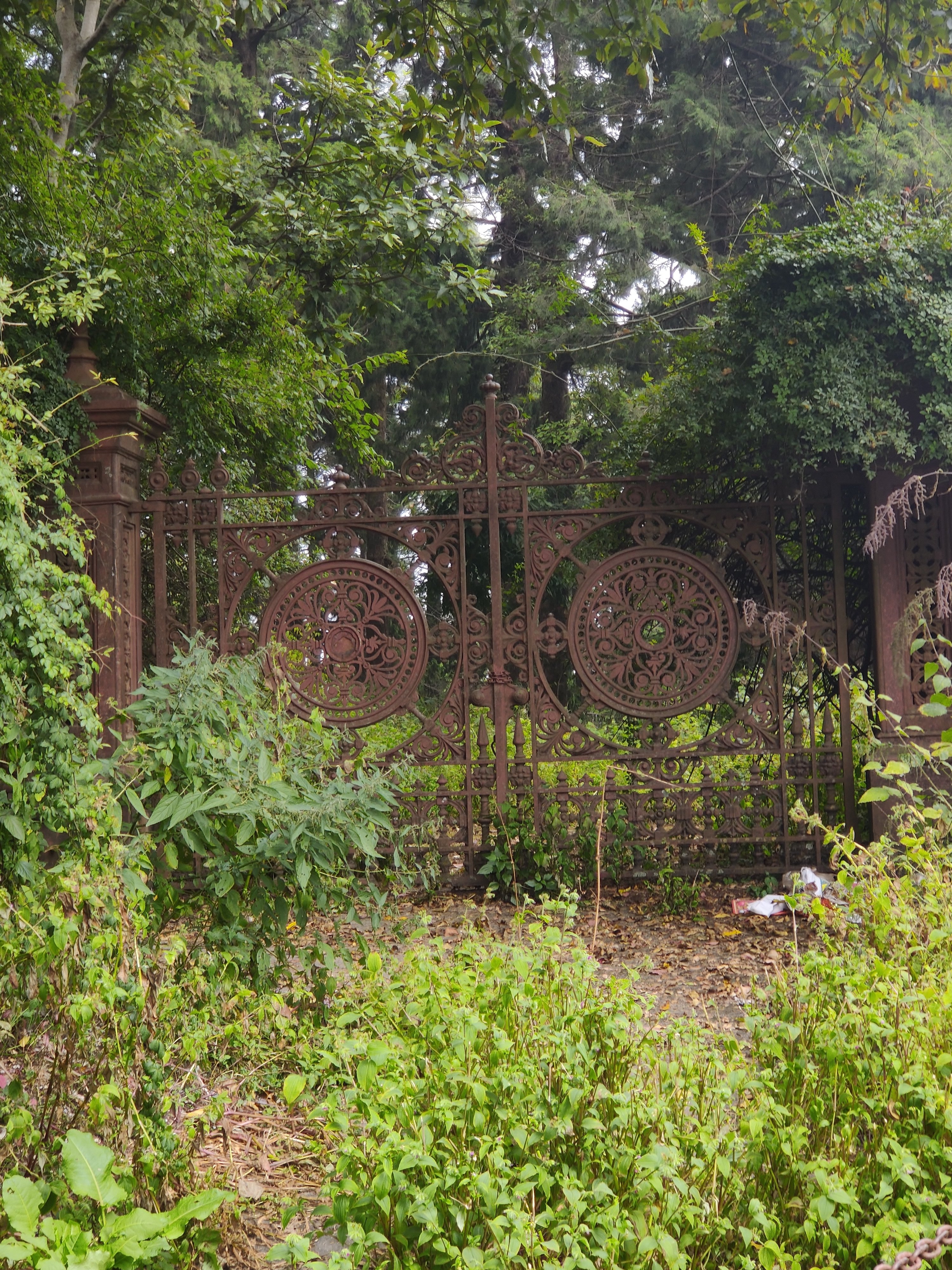
A palace which once stood in glory is now turning into ruins. They say it right that time and tide wait for none. History is the witness of the glorious period of Maharajas and Emperors. The monuments which once resembled the luxury and pride of kings and queens are turning into ruins. We are primarily aware of the famous historical sites where governmental as well as non governmental agencies has taken steps for restoration of these architectural masterpieces, but there are many monuments and buildings in nooks and corner across different states in India which are in their vanquished stage. Each and every structure/building has a different story to tell, many memories attached and values contained.

These old monuments despite being in worst situations are still standing upright as compared to the recent structures which wane off even if a slight earthquake or tremor hits. In the present scenario, new buildings with modern architecture are coming up on old sites. I sometimes wonder whether these past monuments will be able to gauge this architectural gap and standout. Shall these be conserved or we should let them go in the hands of time is a matter of discussion.

I believe what we are today is due to past experiences and we must work upon our present to make our future better. I hope in near future contemporary architecture finds new venues which is the fusion of past knowledge and modern technology.

Thank you

Take care!!!

Onset of winters in Mussoorie, Uttarakhand

Moonlight through Oak trees

Winters are very special in Mussoorie and have a unique charm which only a few would have experienced. People around North India usually come to this small hill station to detox when rest part of India is scorching in heat and above all ‘pollution’.  With the clearer skies, the majestic view of snow cladded Himalayas are breathtaking. The formation of thin streak of winter line in the dusky skies have begun. The clean air and the serene natural beauty around the place is astounding. The monsoon flora is receding and the dormant winter vegetation are in bloom. While I was hiking with my husband, I could locate Griffin vultures in the vicinity of one mountain. I miss the hoot of Scops Owl these days, hope they will revisit again next year. The mornings are mystical around the hillside and the evenings are pristine. One can take a local evening walk around the corner through the pine and oak  plantations. The misty bluish haze through the pine and forest will leave you spellbound. Mild streak of smoke coming out of the chimneys, the rusty smell of pine wood burning in bukharis set the perfect environment. The hillside has always motivated authors, philanthropists, thinkers and intellectuals and wise. The above picture was taken this evening while me and my husband were out for an evening walk. The picture reminds me of an old story plot from Ruskin Bond’s. 

After a long walk, all I wanted was a cup of  honey ginger lemon tea.. The local chaiwalas, maggi point and small eateries are getting ready to do some good business. As it was getting darker and there is news of a stranded leopard roaming around we took our steps towards home.
With the increase in the tourists visiting the hillstation there is a problem of waste management in the area. Please protect and conserve the area so that we contain the nostalgia of the beautiful souls around.

Take care!!

Oroxylum Indicum

Oroxylum indicum is a medicinal plant of immense medicinal importance. It is a small to medium size deciduous tree with large, It flat, sword shape capsular fruits of many flat and papery seeds with broad silver wings . The plant is used in many Ayurvedic preparations like, Shyonakapatpak and Bruhatpanchamulayadi kwath, Dashmula and Chyawanprash, Rasayana, Amratarista, Dantyarista, Dhanwantara, Ghrita, Narayana Taila etc. O. indicum is an indigenous tree of the Indian subcontinent, distributed throughout the country up to an altitude of 1200m .

It is distributed in Himalayan foothills, Eastern and Western Ghats and North East India . It is located mainly in ravines, in damp region and moist places in the forests. The plant usually flowers in the month of June-July and bears fruits in November- December. This tree has long pods that dangle from the branches. When the pod bursts open the seeds flutter to the ground, often travelling some distance, looking like butterflies. The seeds are propagated by wind, which germinate by the beginning of the rainy season. The seeds can easily be recognized as the rather small, kidney shaped seeds are surrounded by a light brown, papery wing up to 5 cm in diameter. The seeds are flat and winged with exalbuminous capsules which are arranged in sheets inside the pods.

The seeds of Oroxylum indicum have immense therapeutical and ethno botanical uses. Dried seed powder is used by women to induce conception in ethnic communities. Seeds of O. indicum are used as purgative. The germination of the seeds is a complex process where several reactions and individual factors are involved. According to the literature review it was found that the seeds of Oroxylum indicum have poor seed setting and low seed viability. Destructive and non-sustainable collection methods coupled with low regeneration and habitat destruction have caused serious threat to the survival and availability of this highly useful tree.

Seed germination studies on O. indicum have been carried out by some of the following researchers. Tiwari et al. developed a method to regenerate plant seedlings from callus cultures of nodal segments. Gokhale and Bansal developed a protocol for micro propagation of O. indicum where seeds were germinated in vitro and the apical and axillary buds were inoculated under aseptic conditions on MS sterile culture medium. Pande and Gupta studied on the role seed mycoflora on seed germination of O. indicum and impact of osmotic stress on the seed germination and seedling growth of O.indicum. Effect of temperature and plant growth regulators on seed germination response of O. indicum was studied by Singh et al. Studies on the effect of different seed sources on germination parameters have been studied by various researchers on various tree species like Pinus wallachiana, Santalum album, Tamarindus indica, Hippophae salicifolia, Vateria indica L., Acacia catechu and Elaeocarpus floribundus species etc. However, the study of different seed sources effect on the germination of O. indicum has not been studied so far by any researcher. Bhat and Chauhan and Mamo et al. have also reported that seed source variation tests are necessary to select dominant seed source for plantation for higher productivity. So the present study was taken on this objective to see the effect of source variation on seed germination of O. indicum and simultaneously developing economic, cost effective and feasible method to attain quality seedling stock for the farmers interested in cultivation of O.indicum.

Available from: https://www.researchgate.net/publication/316451903_Seed_source_and_habitat_variation_affect_seed_germination_in_Oroxylum_indicum_L_Benth_ex_Kurz_An_important_threatened_medicinal_tree

Thank you!!!

ARBUSCULAR MYCORRHIZAL ASSOCIATION IN OROXYLUM INDICUM (L.) BENTH EX KURZ

The rhizospheric soil and roots were collected from five different sites of Northeast India, where Oroxylum indicum was naturally growing in its ecological habitat and were analysed. The study revealed that the roots of
O. indicum were colonized with AM spores and the soil nutrient content plays a major role in the colonization of the AM spores. A total of 23 species of AM fungi belonging to four genera viz., Glomus, Acaulospora, Gigaspora,
Entrophospora and Pacispora were recovered from the rhizosphere of O. indicum. The statistical analysis of the data revealed that the AM spore count is positively correlated with the soil nutrient status. AM spore count was maximum in forest fringe and agricultural farmland, hyphal and arbuscular colonization percentage was higher in agricultural farmland, while the vescicular colonization percentage was maximum in the rhizospheric soil of agricultural farmland and forest fringe areas. The AM spore count of O. indicum growing near the roadside showed positive correlation with root colonization. The correlation value of (0.766, 0.413, and 0.567) was obtained when root colonization was compared with soil organic carbon percentage, soil nitrogen and potassium content.