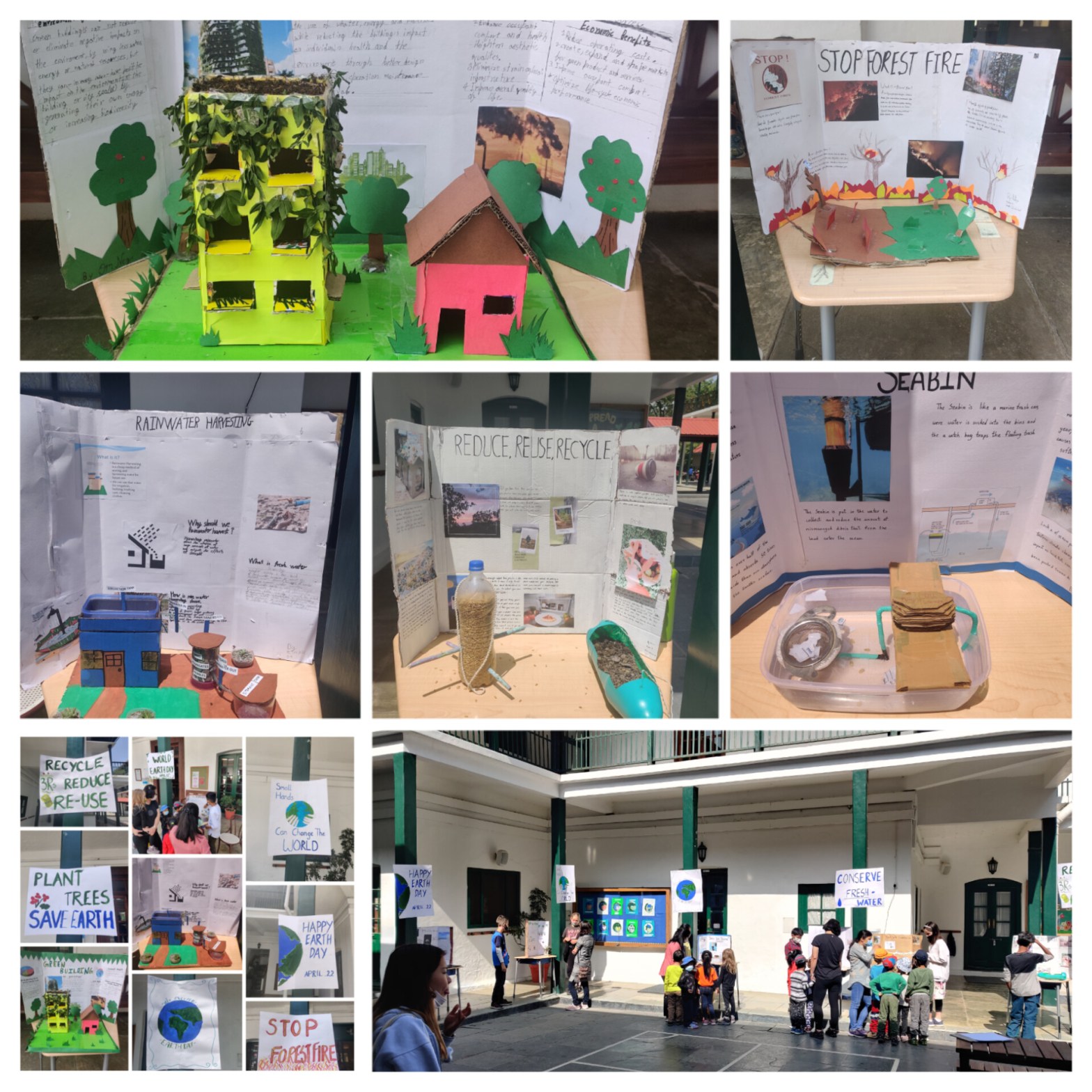
Empowering the Next Generation: How Children Celebrate Earth Day through Science Models and Exhibitions

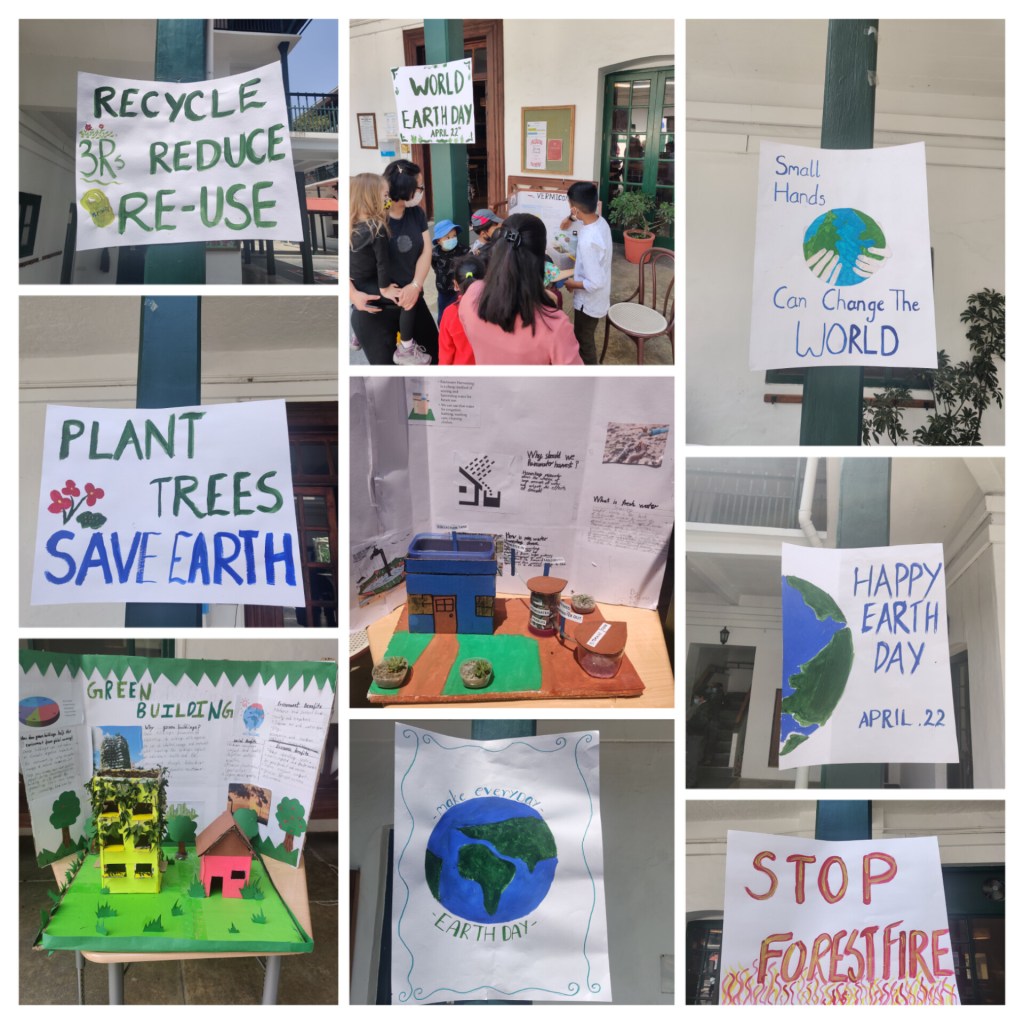
Earth Day is celebrated every year on April 22nd, and it’s a time to reflect on the impact we have on the planet and how we can take action to preserve it. The day is an opportunity to promote environmental protection and highlight the importance of science education. Schools around the world have taken up the challenge of empowering the next generation by encouraging students to participate in science models and exhibitions. These activities give children an opportunity to showcase their creativity and scientific knowledge while also learning about the environment. In this post, we will explore how children are celebrating Earth Day by creating science models and exhibitions, and how these activities help educate and empower them to make a positive environmental impact in the future.
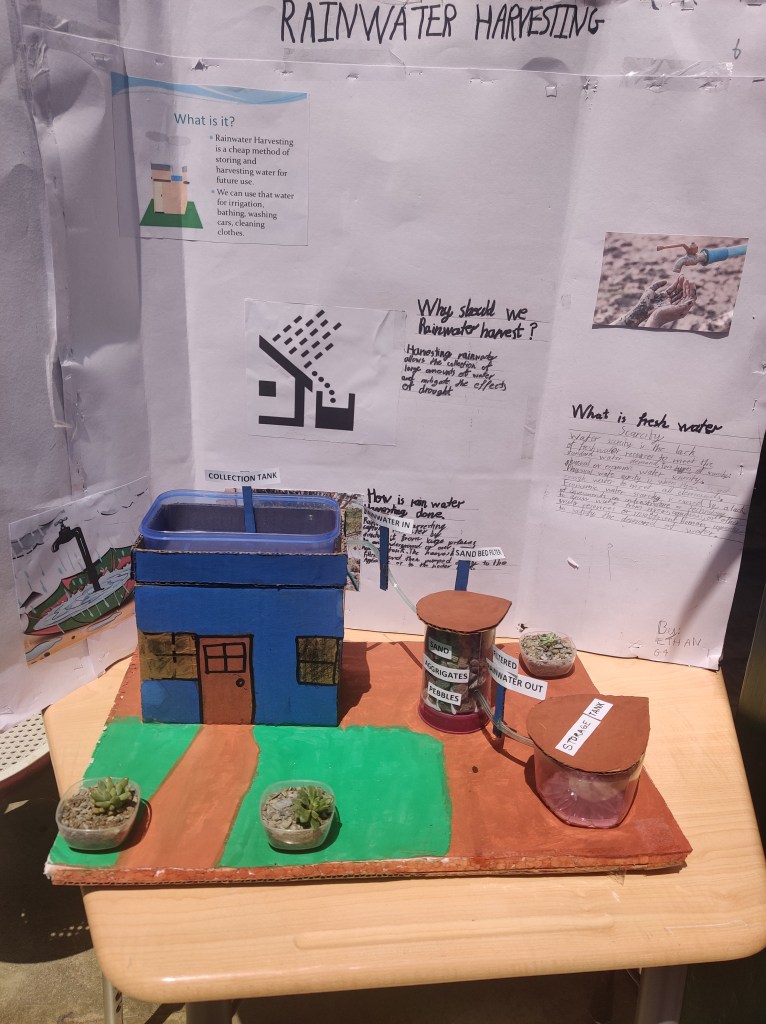
1. What is Earth Day and why is it important?

Earth Day is an annual event that takes place on April 22nd. It is a day dedicated to raising awareness about the environment and encouraging people to take action to protect it. The first Earth Day was held in 1970, and since then it has become a global phenomenon with millions of people participating every year. The importance of Earth Day cannot be overstated. With the increasing threat of climate change and the destruction of natural habitats, it is more important than ever to take action to protect our planet. Earth Day provides a platform for people to come together and take action, to share ideas and to create positive change in their communities.

Earth Day is not just a one-day event, but a movement that encourages people to make a difference throughout the year. It is a reminder that we all have a role to play in protecting our planet and ensuring a sustainable future for generations to come. By celebrating Earth Day through science models and exhibitions, children are empowered to take action and make a positive impact on the world around them.

2. How can children learn about Earth Day?

Earth Day is a great opportunity for children to learn about the environment and how they can help to protect it. There are many ways that children can learn about Earth Day, such as through science models and exhibitions.
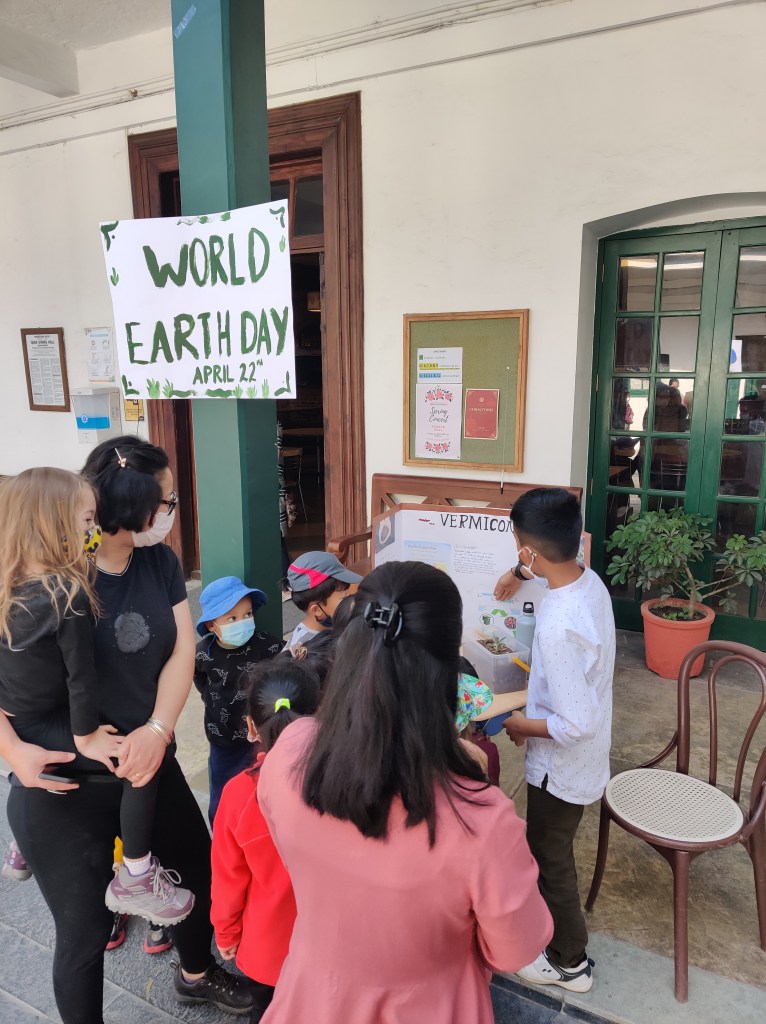
These activities not only help to raise awareness about the importance of protecting the environment but also encourage children to think critically and creatively about solutions to environmental issues.

One way that children can learn about Earth Day is by creating science models that demonstrate the impact of pollution on the environment. For example, children can build a model of a polluted river and show how the pollution affects the plants and animals that live in and around the river. By creating these models, children learn about the causes and effects of pollution and can start to think about ways to reduce their own impact on the environment.

Exhibitions are another great way for children to learn about Earth Day. By attending exhibitions, children can see firsthand the impact that humans are having on the environment and learn about the steps that are being taken to protect it. Exhibitions can also inspire children to take action themselves, whether it’s through recycling or reducing their energy consumption. Overall, there are many ways that children can learn about Earth Day and the importance of protecting the environment. By engaging in activities such as science models and exhibitions, children can become empowered to take action and make a difference in their own communities.
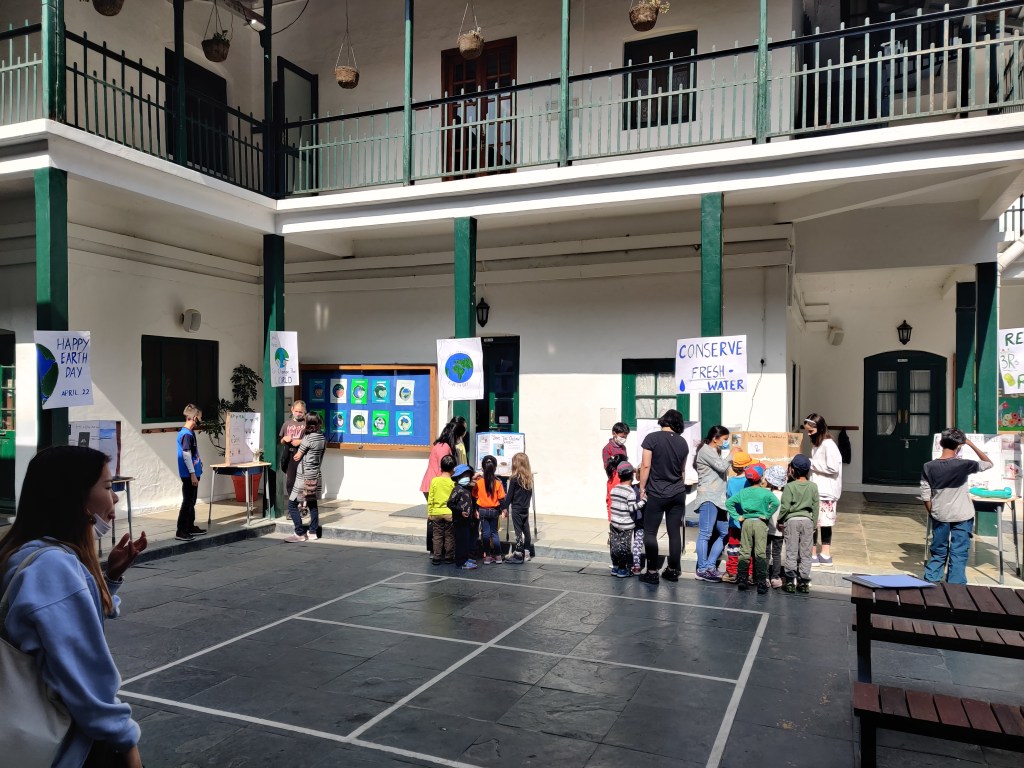
3. How science models and exhibitions empower children on Earth Day

Science models and exhibitions are a great way to empower children on Earth Day. These activities provide children with hands-on experience and the opportunity to explore scientific concepts related to the environment. By creating science models, children can learn about the effects of climate change, recycling methods, and the importance of renewable energy sources. Exhibitions, on the other hand, provide children with the opportunity to showcase their learning and creativity to a wider audience, including their peers, family, and community members.
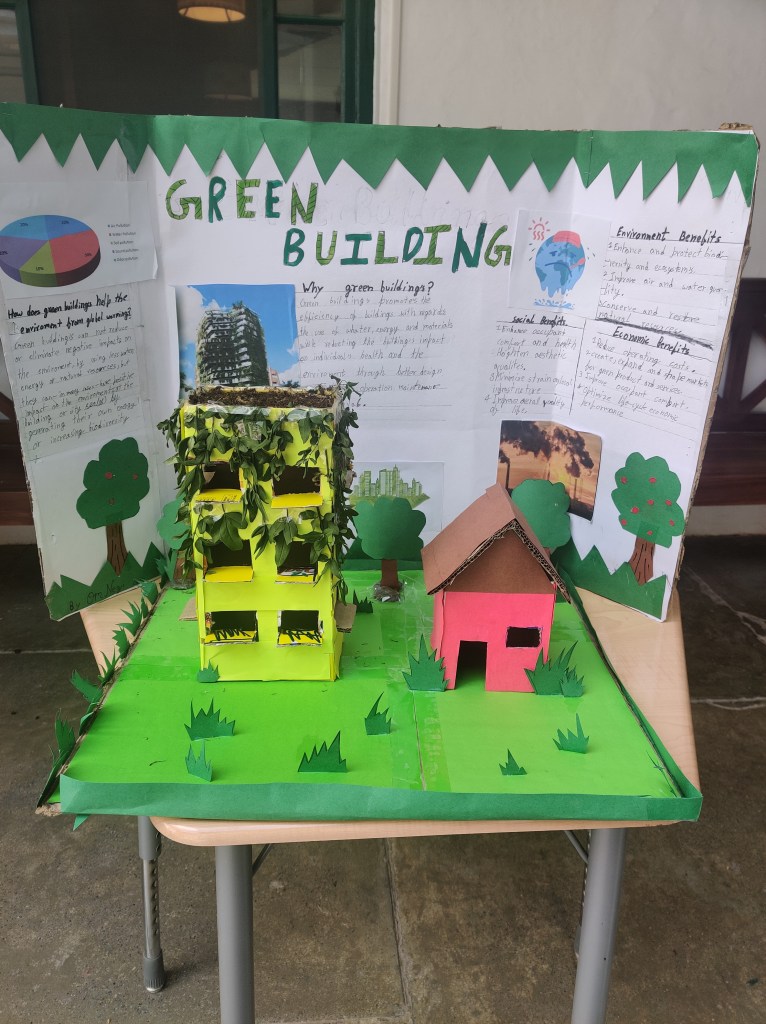
Science models and exhibitions are also a great way to encourage children to think critically and creatively. Children can use their imagination to come up with innovative ideas to solve environmental problems. This can help to foster a sense of curiosity and exploration, which can lead to a lifelong passion for science and the environment.
Moreover, science models and exhibitions provide children with the opportunity to work collaboratively with their peers. This can help to develop their social skills, teamwork abilities, and communication skills as they work together to create their models or prepare their exhibitions.
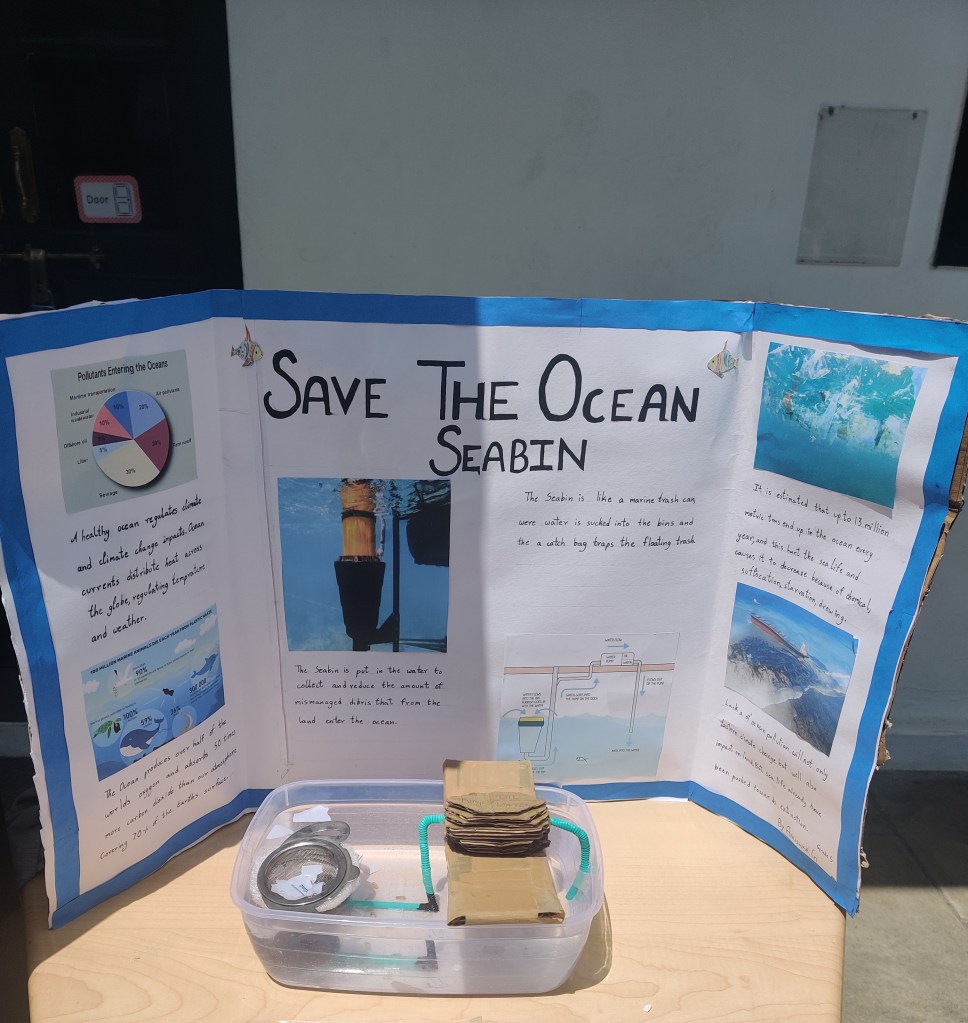
In summary, science models and exhibitions are a powerful tool to empower children on Earth Day. They offer hands-on experience, foster creativity, critical thinking, and team spirit. These activities can inspire children to take action and become responsible stewards of the environment.

4. The benefits of children participating in Earth Day activities

Participating in Earth Day activities can be incredibly beneficial for children. Not only does it provide them with an opportunity to learn about the importance of environmental conservation, but it also helps to instill a sense of responsibility towards the planet at a young age.

By engaging in activities such as science models and exhibitions, children are able to explore different aspects of the environment, such as the impact of climate change, the importance of recycling, and the benefits of renewable energy sources. This hands-on approach to learning ensures that children not only understand the concepts but can also apply them to their daily lives.

Moreover, participating in Earth Day activities helps to foster creativity and innovation in children. As they work on their science models and exhibitions, they are encouraged to think critically and come up with new ideas and solutions to environmental challenges.
Overall, participating in Earth Day activities is an excellent way for children to learn about the importance of environmental conservation, develop a sense of responsibility towards the planet, and foster creativity and innovation. By empowering the next generation with knowledge and skills, we can ensure a brighter future for our planet.

5. Examples of Earth Day science models and exhibitions created by children

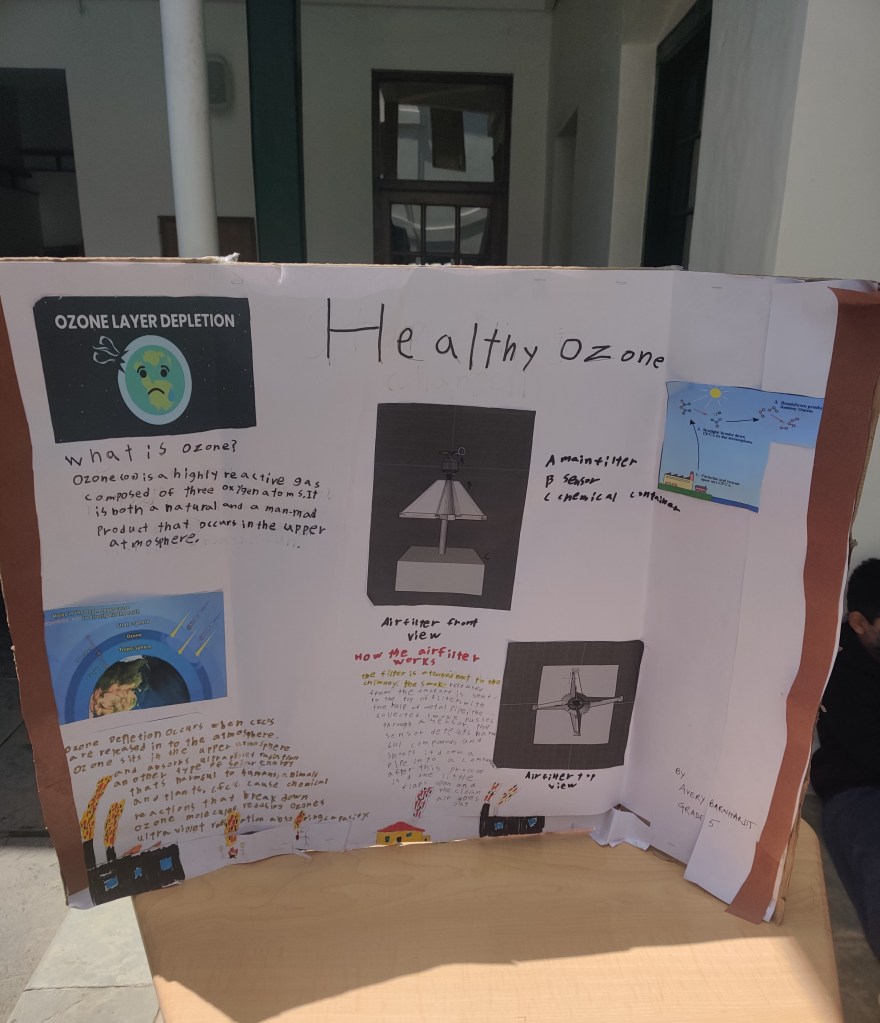
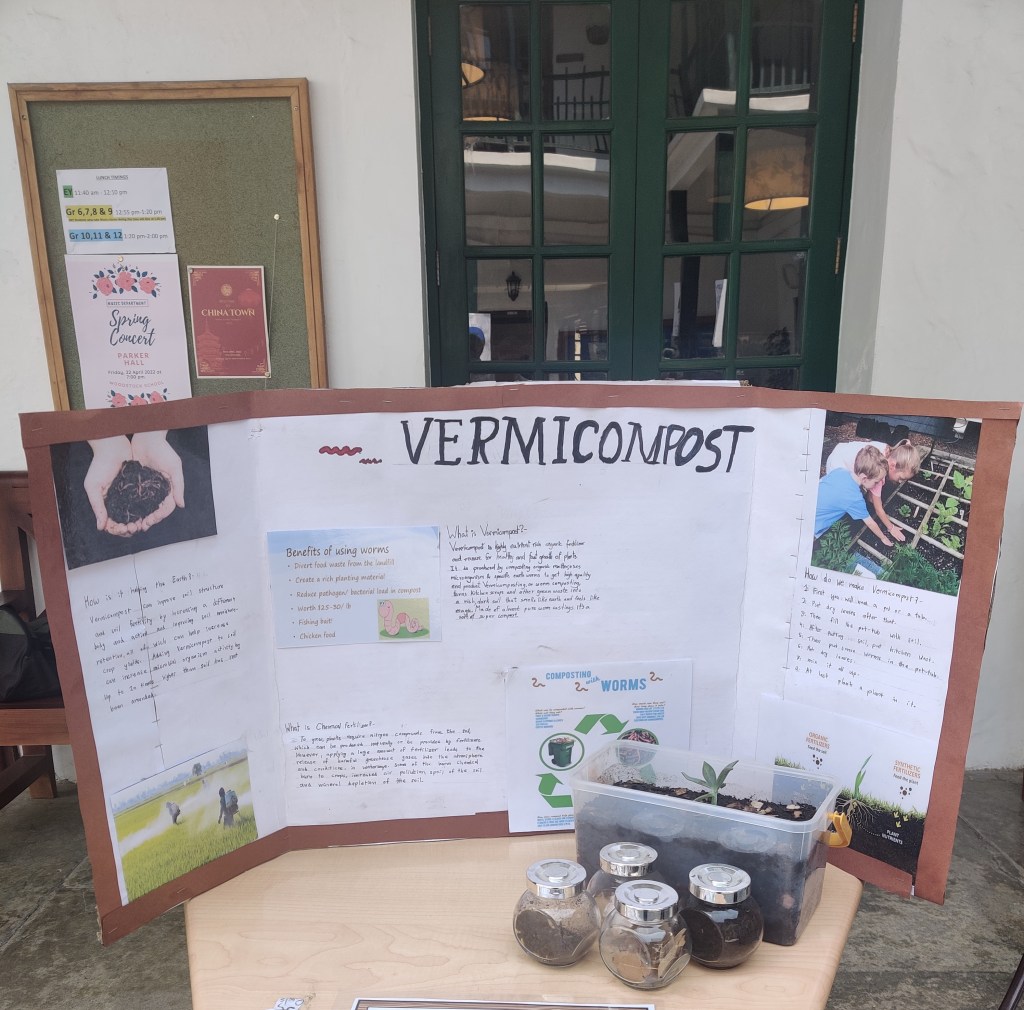
Earth Day is a wonderful opportunity to inspire children to learn about and protect the environment. Science models and exhibitions are a great way to engage children in the celebration of Earth Day. Here are some examples of Earth Day science models and exhibitions that have been created by children:
1. Solar-powered cars: Children can create models of solar-powered cars that utilize renewable energy to power the vehicle. This not only demonstrates the power of renewable energy sources but also shows how it can be used practically in our daily lives.

2. Recycled art: Another popular Earth Day science model is creating art pieces using recycled materials such as plastic bottles, cardboard, and newspapers. This teaches children about the importance of recycling and encourages them to think creatively about sustainable living.
3. Hydroponics: Hydroponics is a soil-free growing technique that uses nutrient-rich water to grow plants. Children can create their own hydroponic systems to grow plants and vegetables, which will not only teach them about sustainable farming but also provide them with a sense of accomplishment as they see their plants grow.

4. Composting: Children can also create models of composting systems that demonstrate how organic waste can be turned into fertilizer. This teaches children about the importance of reducing waste and how organic waste can be put to good use.
These are just a few examples of the creative and educational science models and exhibitions that children can create in celebration of Earth Day. By encouraging children to take an interest in the environment, we can empower the next generation to become responsible and active members of our planet.

6. The importance of hands-on learning

Hands-on learning is incredibly important when it comes to empowering the next generation to care for the environment and celebrate Earth Day. Children learn best by doing, exploring, and experimenting, and hands-on learning provides them with the opportunity to engage in all of these activities.
Science models and exhibitions are a great way to introduce children to the concept of sustainability and environmental protection. By creating models and exhibits that demonstrate the effects of pollution, deforestation, and climate change, children can see firsthand the impact that humans have on the planet and the importance of taking action to protect it.

In addition to models and exhibitions, there are many other hands-on activities that can be used to engage children in environmental education. For example, gardening projects can teach children about the importance of biodiversity, composting can teach them about waste reduction and resource conservation, and nature walks can help them connect with the natural world around them.
Hands-on learning not only helps children understand complex environmental concepts, but it also helps to foster a sense of responsibility and empowerment. By giving children the tools and knowledge they need to care for the environment, we can help ensure a sustainable future for generations to come.

7. How Earth Day activities can inspire children to be environmentally conscious

Earth Day activities are a great way to inspire children to be environmentally conscious. Through science models and exhibitions, children can learn about the importance of preserving the environment and how they can make a difference. By participating in Earth Day activities, children can see firsthand the impact of pollution and climate change on the planet.
These activities can also encourage children to think creatively about how they can make a difference in their own lives. For example, they may learn about recycling and start sorting their own trash at home, or they may become interested in gardening and start growing their own fruits and vegetables.
Earth Day activities can also teach children about the interconnectedness of the environment and the importance of working together to make a positive impact. By participating in group activities, children can learn about teamwork and the power of collective action.
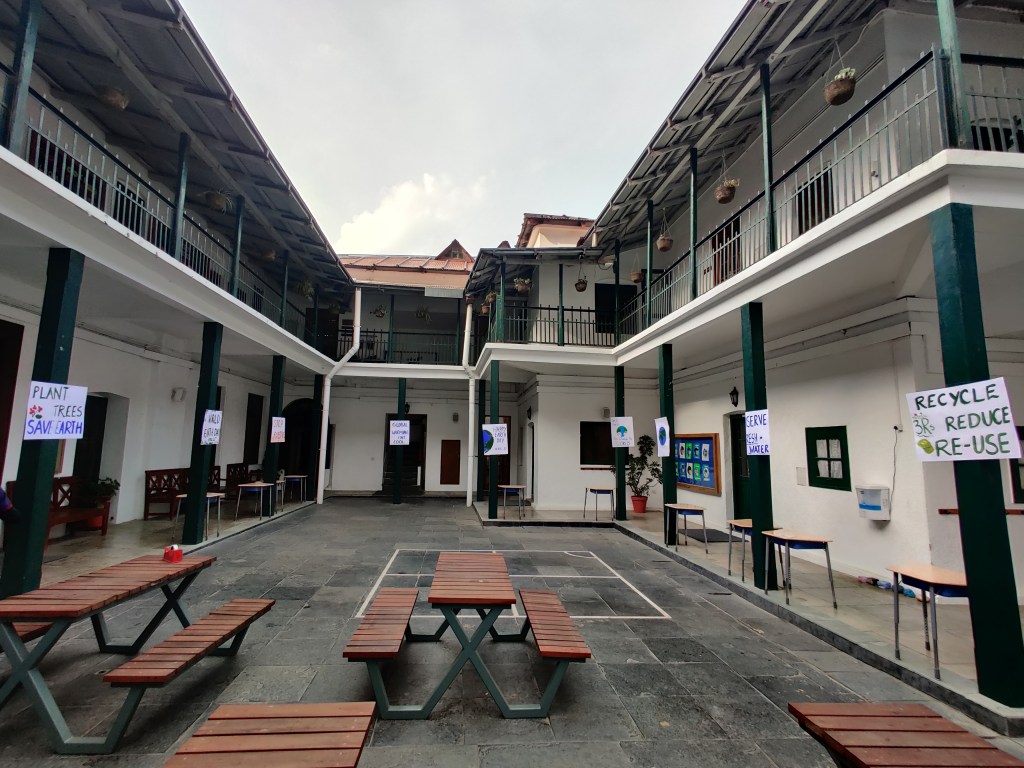
Overall, Earth Day activities are an excellent way to empower the next generation to be environmentally conscious. By providing children with opportunities to learn about the environment and take action to protect it, we can help create a better future for all.

8. How to encourage your child to participate in Earth Day activities

Encouraging your child to participate in Earth Day activities can be a fun and educational experience for both you and your child. Here are some ways you can get your child involved in celebrating Earth Day:
1. Talk to your child about the importance of Earth Day and why it is celebrated. Explain to them the impact of pollution and climate change on the planet and how we can all work together to reduce our carbon footprint.
2. Help your child research local Earth Day events and activities. Look for events that align with their interests, such as outdoor activities, art exhibitions, or science fairs.

3. Plan a family activity that promotes sustainability. This could be anything from planting a garden to cleaning up a local park.
4. Encourage your child to create a science project or model that highlights an environmental issue. This could be a diorama of a polluted river or a model of a wind turbine.

5. Incorporate eco-friendly habits into your daily routine. This could be as simple as turning off lights when you leave a room or choosing to walk or bike instead of driving.
By getting your child involved in Earth Day activities, you are not only teaching them about the importance of sustainability but also empowering them to make a positive impact on the planet.

9. The impact of children’s participation in Earth Day activities on the community

Children’s participation in Earth Day activities can have a significant impact on the community. When children engage with Earth Day activities, they become more aware of the importance of protecting the environment and the role they can play in preserving it for future generations.
Through science models and exhibitions, children can showcase their understanding of the environment and the impact of human activities on it. This helps raise awareness within their community and highlights the importance of taking action to protect the planet.
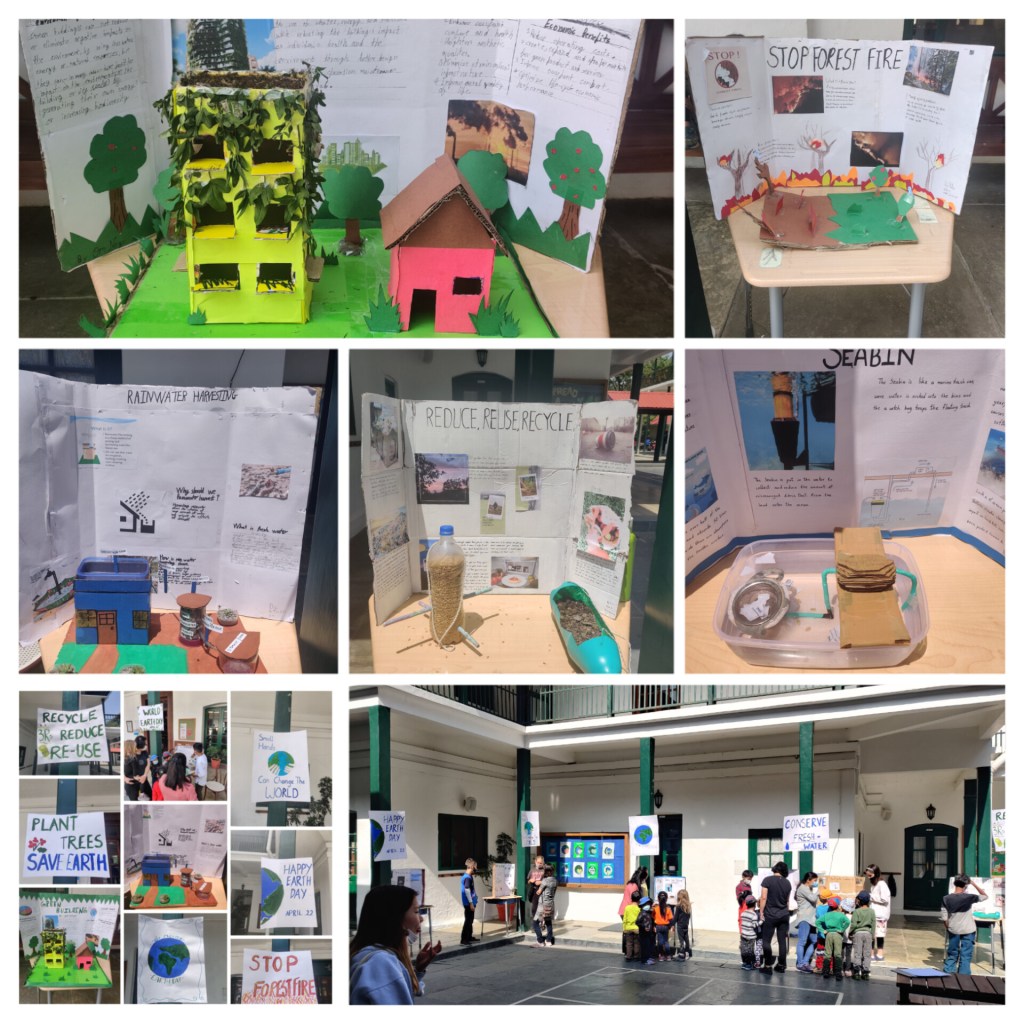
When communities see children taking an active interest in protecting the environment, it sends a powerful message. It not only encourages others to join in but also helps shift attitudes towards environmental issues. Children’s participation in Earth Day activities can inspire others to take action and make positive changes in their own lives.
Moreover, children’s participation in Earth Day activities can help create a culture of environmental responsibility within their community. By educating and inspiring others, they can help foster a sense of responsibility towards the environment, which can lead to long-term positive changes in behavior and attitudes.
In conclusion, children’s participation in Earth Day activities can have a significant impact on their community. Through their engagement with science models and exhibitions, they can raise awareness, inspire others to take action, and foster a culture of environmental responsibility.
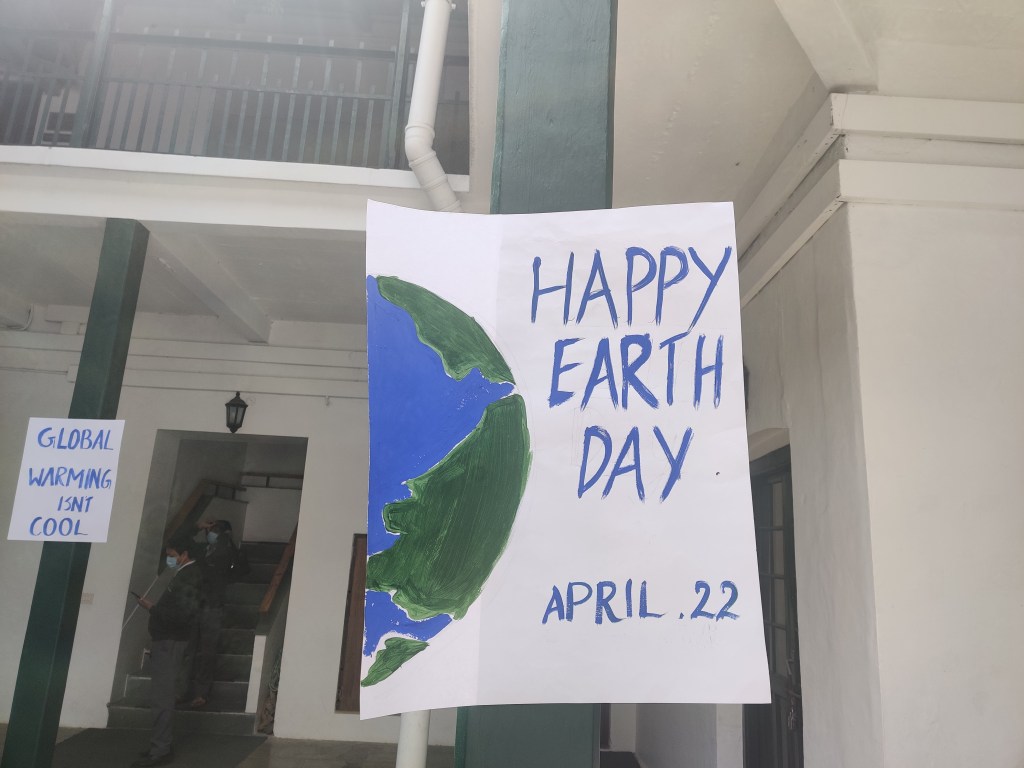
10. Conclusion: Empowering the next generation to make a difference.

In conclusion, empowering the next generation to make a difference is crucial in ensuring a sustainable future for our planet. Earth Day is a great opportunity to teach children about the importance of environmental protection and conservation. By engaging children through science models and exhibitions, we can help them understand complex environmental issues and inspire them to take action.
Through these educational activities, children can learn about renewable energy, waste reduction, and sustainable living. They can also develop critical thinking skills and problem-solving abilities, which will be essential in addressing environmental challenges in the future.
By empowering the next generation, we can create a world where sustainability is a top priority, and environmental protection becomes a way of life. It is our responsibility to ensure that the planet we leave behind is in better shape than we found it, and by educating and inspiring children, we can make this a reality.
In conclusion, let us continue to empower the next generation to take action and create a sustainable future for our planet. Together, we can make a difference and ensure that our planet remains healthy and vibrant for generations to come.
We hope you enjoyed reading about how children can celebrate Earth Day through science models and exhibitions. By empowering the next generation with knowledge and understanding of the importance of environmental conservation, we can help ensure that our planet is protected for future generations. We encourage parents and educators to use the ideas presented in this article to inspire children to get creative and take action for a better world. Let’s continue to work together to make a positive impact on our planet!


Thank you for reading !!

Like, share and follow. 🙂

https://www.facebook.com/Dr.ChandrimaDebi/

https://www.instagram.com/debichandrima/

https://www.sumanmitra.com/

https://linktr.ee/chandrimadebi

©All images and content are subjected to copyright

© 2023 chandrimadebi http://www.chandrimadebi.com
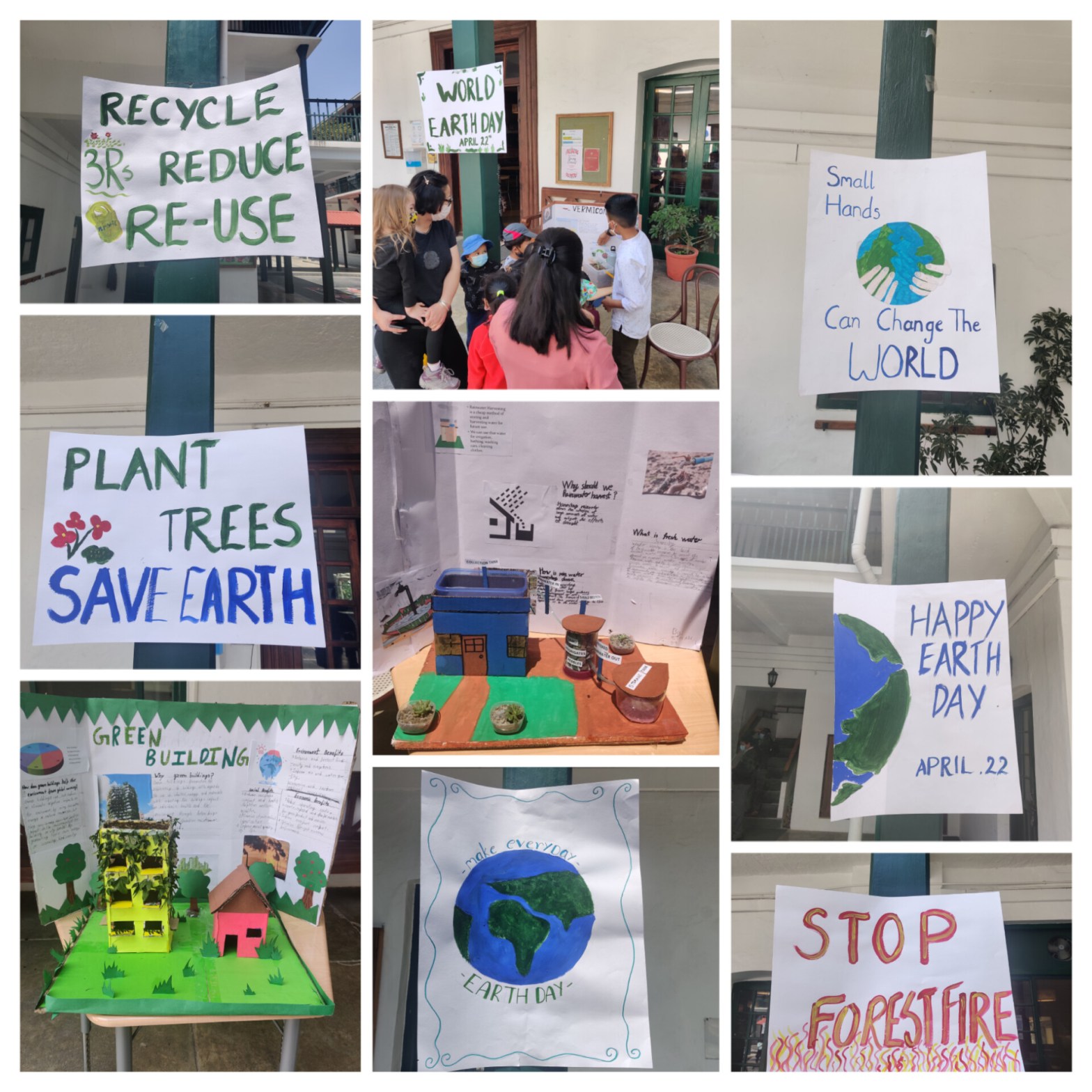
Celebrating Earth Day: Inspiring Children to Raise Awareness through Science Models, and Exhibitions

Earth Day is celebrated every year on April 22nd to raise awareness about environmental protection and sustainability. As adults, we understand the importance of taking care of our planet, but it’s equally important to educate our children about the impact they can have on the environment. One way to do this is through creative projects like dioramas, science models, and exhibitions that allow children to explore the importance of environmental conservation.

By using their imagination and creativity, children can learn about the different ecosystems and habitats that exist on Earth, and how they can make a difference in protecting them. In this article, we’ll explore how you can inspire children to raise awareness about environmental issues and create their own dioramas, science models, and exhibitions to celebrate Earth Day.

1. The Importance of Teaching Children about Environmental Conservation

Teaching children about environmental conservation is a crucial aspect of raising responsible and conscious adults. It’s important to inspire the younger generation to respect and care for the planet, and what better way to do that than through fun and interactive activities such as dioramas, science models, and exhibitions?

When children learn about the environment at an early age, they develop a sense of responsibility towards the planet and the importance of protecting it. They become more aware of the impact that humans have on the environment, and how they can make a positive difference by adopting eco-friendly practices. Through these activities, children can learn about the importance of reducing, reusing, and recycling, and how they can make a difference by planting trees, cleaning up litter, and conserving resources.

Moreover, they can also learn about the various environmental challenges we face, such as climate change, pollution, and deforestation, and how these issues affect our planet and its inhabitants. By teaching children about environmental conservation, we are setting the foundation for a better and more sustainable future for all.

2. How to Create Dioramas to Teach Children About Environmental Issues

Dioramas are a great way to teach children about environmental issues. By creating a three-dimensional model of an ecosystem, it can help children understand the impact that humans have on the environment. To create a diorama, start by choosing an ecosystem that you want to represent. This could be a rainforest, a coral reef, or even a backyard garden.

Once you have chosen your ecosystem, start gathering materials to create your model. You can use a shoebox or any other type of container as the base of your diorama. Then, add in elements such as plants, animals, and other objects that are found in your ecosystem. You can use materials such as clay, paint, and fabric to add texture and detail to your diorama.

It’s also important to include some human elements, like buildings or pollution, to demonstrate the impact that we have on the environment. Once your diorama is complete, you can use it as a teaching tool to start a conversation with children about environmental issues. It’s a fun and interactive way to inspire them to take action and help protect our planet.

3. How to Create Science Models to Teach Children About Environmental Issues

Creating science models is a great way to teach children about environmental issues. By creating a visual representation of a complex issue, children can better understand the impact that humans have on the environment. One great way to begin is by choosing an environmental issue that you want to focus on, such as deforestation or the effects of pollution on our oceans. Then, gather materials that can be used to create your model. This can range from natural materials like bark, leaves, and twigs, to recycled materials like cardboard and plastic bottles.

Once you have your materials, you can begin to build your model. Encourage your children to get creative and come up with their own ideas for the project. Make sure to highlight the key points of the issue you are focusing on in your model. For example, if you are creating a model about deforestation, you may want to include trees, forests, and animals that are affected by deforestation. Lastly, display your model in a prominent location, such as in your home, at school, or in a community center. This will allow others to see the work that has been done and may inspire others to create their own models.

4. How to Create Exhibitions to Teach Children About Environmental Issues

Creating exhibitions to teach children about environmental issues is an excellent way to celebrate Earth Day. These exhibitions can be used to raise awareness about the importance of environmental protection and inspire children to take action. To create an exhibition that teaches children about environmental issues, you need to start by selecting a theme.

Some popular themes include ocean conservation, renewable energy, and climate change. Once you have selected a theme, you can start planning your exhibition. You will need to decide on the layout, the exhibits, and the interactive activities that will be available for children to engage in. You can also consider inviting environmental experts to speak at your exhibition or organizing workshops and hands-on activities.

It’s important to make your exhibition interactive and engaging so that children will be excited to learn about environmental issues.

Finally, don’t forget to promote your exhibition by reaching out to schools, community organizations, and local media outlets. With a well-planned and well-promoted exhibition, you can inspire children to become environmental advocates and raise awareness about the importance of protecting our planet

We hope you enjoyed reading about how children can celebrate Earth Day through science models and exhibitions. By empowering the next generation with knowledge and understanding of the importance of environmental conservation, we can help ensure that our planet is protected for future generations. We encourage parents and educators to use the ideas presented in this article to inspire children to get creative and take action for a better world. Let’s continue to work together to make a positive impact on our planet!

World Earth Day, April 22

Thank you for reading !!

Like, share and follow. 🙂

https://www.facebook.com/Dr.ChandrimaDebi/

https://www.instagram.com/debichandrima/

https://www.sumanmitra.com/

https://linktr.ee/chandrimadebi

©All images and content are subjected to copyright

© 2023 chandrimadebi http://www.chandrimadebi.com
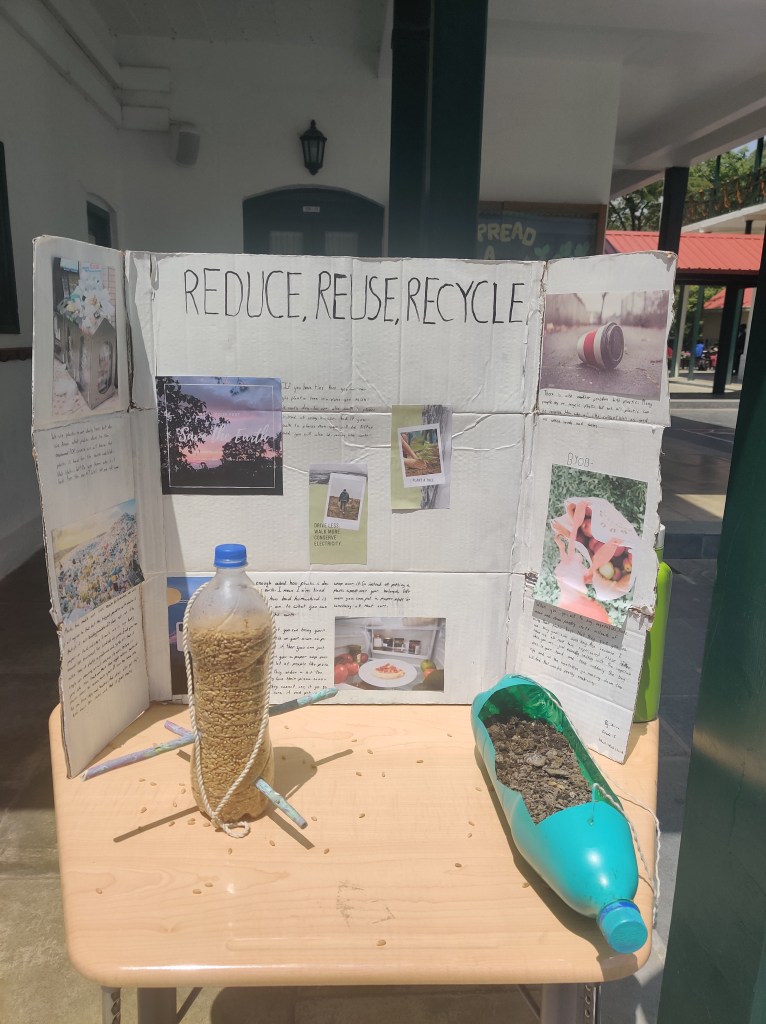
Unleash wonders of nature with Geology: A Guide to Nature-Based Learning with Geology

Nature-based learning has always been an excellent way to improve our understanding of the world around us. It is a way to learn about the environment, history, science, and much more. Geology is one of the most fascinating ways to explore nature, and it’s an excellent tool to teach children about the earth’s formation and the rocks and minerals that make up our planet’s crust. In this post, we will explore how geology can be used as a tool for nature-based learning, and how it can help children discover the wonders of the natural world. From identifying rocks and minerals to exploring geological formations, we will cover everything one needs to know to start the journey into geology and nature-based learning. So, get ready to rock your world with the power of geology!

1. Introduction to nature-based learning with geology

Nature-based learning with geology is an exciting and hands-on way to explore the natural world around us. Geology is the study of rocks, minerals, and the earth’s physical structure, and it can be used to teach a wide range of subjects, from science and history to art and culture. By incorporating geology into teaching or learning, one can create a more engaging and interactive experience that encourages curiosity and exploration.
Geology is a subject that appeals to people of all ages, from young children who love to collect rocks to adults who enjoy hiking and exploring the great outdoors. It offers a unique way to learn about our planet’s past, present, and future, and can help us understand our place in the natural world. Whether you’re a teacher, homeschooling parent, or simply someone who loves to learn, nature-based learning with geology is a fun and rewarding way to explore the world around us. So let’s dive in and discover the wonders of geology!

2. What is geology?

Geology is the study of the Earth’s physical structure, substance, and history, as well as the processes that have shaped it over time. Geologists study the Earth’s composition, including its rocks, minerals, and fossils, and how they have changed and interacted with each other and the environment. This field of study is important for understanding the Earth’s history and evolution, as well as for finding and managing natural resources such as oil, gas, and minerals.
Geology is a fascinating and ever-evolving science that helps us understand our planet’s past and present, and even provides insights into its future. It has applications in everything from construction and engineering to environmental science and climate change research.
For those interested in nature-based learning, geology offers a wealth of opportunities to explore and learn about the Earth and its history. Whether you’re interested in collecting rocks and minerals, studying fossils, or understanding the processes that shape our planet, geology is a great way to connect with the natural world and deepen your understanding of it.

3. Why choose geology as a nature-based learning subject?

Geology is an exciting and fascinating subject that offers endless possibilities for nature-based learning. It is the study of the Earth’s physical structure, composition, and history. Geology helps us understand how our planet has evolved over millions of years and how it continues to change every day. Its an interdisciplinary subject that involves elements of chemistry, physics, biology, and engineering, making it a perfect subject for nature-based learning.
By learning about geology, children can develop an appreciation for the natural world and the forces that shape it. They can learn about rocks, minerals, fossils, volcanoes, earthquakes, and other geological phenomena that are essential to understanding the planet we live on. The subject also helps us understand the impact of human activities on the environment, such as climate change and pollution.
Moreover, geology is a subject that can be studied both indoors and outdoors. Field trips to geological sites, such as national parks, can provide a unique and immersive learning experience that connects children with the natural world. Geology also offers opportunities for hands-on learning, such as digging for fossils or collecting rocks, which can be a fun and engaging way to learn about science.
In summary, geology is an excellent subject for nature-based learning as it teaches children about the natural world and how it works. It is a subject that can be studied both indoors and outdoors, and provides opportunities for hands-on learning. Geology can help children develop a lifelong appreciation for the natural world and a sense of responsibility for protecting it.

4. The benefits of nature-based learning with geology

Nature-based learning with geology is a powerful tool that can offer a range of benefits to both children and adults alike. The following are some of the most significant benefits of learning about geology in a natural environment:
1. Improved cognitive development: Nature-based learning with geology fosters cognitive development by offering a range of opportunities to explore, discover and learn about the natural world. Geology is a fascinating subject to learn about, and being able to touch, feel, and explore different types of rocks, minerals and crystals helps to strengthen memory and cognitive recall.
2. Increased environmental awareness: Geology is intimately linked with the natural environment, and learning about rocks, minerals, and the geological processes that shape our planet can inspire a deeper appreciation for the natural world. This, in turn, can lead to a greater sense of environmental responsibility, as well as a desire to protect and conserve our planet’s natural resources.
3. Enhanced physical health: Nature-based learning with geology typically involves spending time outdoors, which can be beneficial for physical health. Spending time outside, exploring and hiking through natural environments, can boost cardiovascular health, improve muscle strength, and increase overall fitness levels.
4. Improved mental health: Time spent in nature has been shown to have a range of mental health benefits, including reducing stress and anxiety, boosting mood, and increasing feelings of happiness and well-being. Geology offers a unique opportunity to connect with nature in a meaningful way, and this can have a positive impact on mental health and well-being.
Overall, nature-based learning with geology offers a range of benefits for both children and adults alike, and is an excellent way to deepen your understanding and appreciation of the natural world.

5. How to get started with geology-based learning

Geology-based learning is an exciting and engaging way to explore the world around us. Whether you’re a teacher looking for new ways to engage your students or simply someone who loves learning about the natural world, getting started with geology-based learning is easy.
The first step is to familiarise yourself with the basics of geology. This might involve reading up on the different types of rocks and minerals, learning about the geological processes that shape the earth, and understanding how geologists study the earth’s history.
Once you have a basic understanding of geology, you can start exploring the world around you. Take a walk outside and look for rocks and minerals in your backyard or neighbourhood. You might be surprised by how many different types of rocks and minerals you can find just by taking a closer look.
Another great way to get started with geology-based learning is to visit a local museum or science centre. Many of these institutions have exhibits and programs that focus on geology and earth science, and they can be a great resource for learning more about the subject.
Finally, consider joining a geology or rockhounding club in your area. These clubs are made up of enthusiasts who share a passion for rocks and minerals, and they often organise field trips and other activities that can be a great way to learn more about geology and connect with other like-minded individuals.
No matter how you choose to get started with geology-based learning, the key is to have fun and stay curious. With a little bit of effort and a lot of enthusiasm, you’ll be well on your way to exploring the fascinating world of geology.

6. Basic tools and supplies needed for geology exploration

If you’re just starting with geology exploration, you’ll need a few basic tools and supplies to get you started. These tools can be easily found in most hardware stores or online stores that deal with geological exploration equipment.
First, you’ll need a rock hammer or geology hammer, which is a specialised hammer with a flat head on one side and a pointed tip on the other. This is the most important tool for any geologist or rockhound, and it will allow you to break open rocks and collect samples for further study.
Next, you’ll need a chisel, which is used to extract samples from rocks or to split them open. You can also use a screwdriver or a pry bar for this purpose, but a chisel will offer more precision and control.
A loupe or magnifying glass is another essential tool for geologists. This will allow you to get a closer look at the rocks and minerals you collect and to examine them in greater detail.
A plastic or metal container is also essential for storing your samples. You can use a small plastic bag, a plastic container with a lid, or a metal container with a tight-fitting lid.
Finally, you’ll need a field notebook and a pen or pencil to record your observations and findings. This is important for keeping track of your samples and for documenting your discoveries.
In summary, the basic tools and supplies you’ll need for geology exploration are a rock hammer, chisel, loupe or magnifying glass, container for storing samples, and a field notebook and pen. With these tools in hand, you’ll be well on your way to discovering the wonders of geology.

7. Safety tips when exploring geology outdoors

When exploring geology outdoors, safety should always be a top priority. Here are some tips to keep in mind:
1. Wear appropriate clothing and footwear: Geology exploration can be a rugged activity. Make sure you wear sturdy shoes or boots with good grip, and dress in layers that can be added or removed depending on the weather.
2. Bring plenty of water and snacks: It’s easy to get caught up in the excitement of exploration and forget to stay hydrated and nourished. Plan ahead and pack plenty of water and snacks to keep you fuelled throughout the day.
3. Be aware of your surroundings: When exploring geology outdoors, it’s important to be aware of your surroundings. Keep an eye out for potential hazards such as loose rocks, steep cliffs, or unstable terrain.
4. Follow local regulations: Make sure you are aware of any local regulations or restrictions on geology exploration in the area you plan to visit. This may include limitations on where you can go or what you can collect.
5. Respect the environment: Geology exploration should always be done with respect for the environment. Avoid damaging or disturbing the rocks, plants, or wildlife in the area you are exploring.
By following these safety tips, you can make sure your geology exploration is both fun and safe. Remember, it’s always better to be prepared and take precautions than to put yourself or others in danger.

8. How to study rocks and minerals

Geology is a fascinating subject that involves the study of rocks and minerals. If you’re interested in learning more about this field, then there are several ways you can study rocks and minerals. Here are some tips to get you started:
1. Get a good rock identification guide: This will help you to identify the different types of rocks and minerals you come across in your studies. There are many different guides available, so choose one that is appropriate for your level of knowledge.
2. Start collecting rocks and minerals: One of the best ways to learn about rocks and minerals is to collect them. You can often find interesting specimens on hikes or walks, or even in your own backyard. Make sure you label each sample with its name and where you found it.
3. Use a hand lens: A hand lens is a small magnifying glass that will help you to see the details of rocks and minerals up close. This is especially useful when you’re trying to identify different specimens.
4. Attend local rock and mineral shows: These events are a great way to meet other geology enthusiasts, learn more about rocks and minerals, and even purchase specimens for your collection.
5. Join a geology club: Many cities have local geology clubs that offer field trips, lectures, and other events for members. Joining a club is a great way to connect with other people who share your passion for geology.
By following these tips, you can start studying rocks and minerals and gain a deeper understanding of this amazing field.

9. Geology-based learning projects and activities for all ages

Geology-based learning projects and activities can be incredibly fun and educational for people of all ages. Here are a few ideas to get started:
1. Rock Collecting: Encourage children to collect rocks and label them with their names, locations, and dates. This can help them learn about the different types of rocks, where they come from, and how they are formed.
2. Rock Painting: Painting rocks is a creative way to learn about geology. Children can paint different types of rocks and learn about the colours and patterns found in nature.
3. Fossil Hunting: Fossil hunting is a great way to learn about the history of the earth. Children can learn about the different types of fossils and how they were formed.
4. Geology Scavenger Hunt: Create a scavenger hunt that focuses on geology. Children can search for rocks, minerals, and fossils and learn about their properties and uses.
5. Rock Cycle Experiment: Conduct a rock cycle experiment to learn about the different stages of the rock cycle. Children can use crayons and playdough to create different types of rocks and see how they are formed.
6. Geology Field Trip: Take a field trip to a local geology site or museum. This is a great way to learn about different types of rocks, minerals, and fossils in their natural environment.
Geology-based learning projects and activities can be a great way to teach children and adults about the natural world. These activities can also be fun and engaging, making learning about geology enjoyable for everyone.

10. Conclusion and resources for continued learning

In conclusion, geology is a fascinating and important field of study that offers endless opportunities for nature-based learning. By studying rocks, minerals, and the processes that shape our planet, we can deepen our understanding of the natural world and our place in it.
Whether you are a student, teacher, or lifelong learner, there are many resources available for continued learning and exploration. Online courses, books, and educational websites can provide a wealth of information about geology and related topics.
Some great resources to check out include the Geological Society of America, Geological Survey of India, the American Geosciences Institute, and the National Park Service. These organisations offer a range of educational materials, from interactive maps and virtual field trips to hands-on activities and lesson plans for educators.
Additionally, there are many geology-related events and activities that take place throughout the year, such as rock and mineral shows, fossil digs, and guided hikes in geological hotspots. These are great opportunities to connect with other geology enthusiasts and learn from experts in the field.
No matter how you choose to continue your learning journey with geology, remember to stay curious, keep asking questions, and never stop exploring the amazing world of rocks and minerals.

We hope you enjoyed our article about nature-based learning with geology. The world is full of fascinating geological wonders that can spark curiosity and ignite a passion for learning. By incorporating geology into your nature-based learning, you can teach children about the natural world in a fun, engaging way. We hope that our guide has given you some ideas and inspiration for your next nature-based learning adventure with geology. Get your rock hammer and head out to explore the world around you!


Thank you for reading !!

Like, share and follow. 🙂

https://www.facebook.com/Dr.ChandrimaDebi/

https://www.instagram.com/debichandrima/

https://www.sumanmitra.com/

https://linktr.ee/chandrimadebi

©All images and content are subjected to copyright

© 2023 chandrimadebi http://www.chandrimadebi.com
Exploring the World of Bugs: A Fun and Educational Guide to Entomology for children

Children are naturally curious about the world around them, and there’s no better way to satisfy that curiosity than by exploring the fascinating world of bugs. Not only are insects amazing creatures with incredible abilities, but they also play an important role in our ecosystem. In this guide, we aim to introduce kids to the exciting field of entomology, the study of insects, and help them discover the fascinating characteristics of these tiny yet mighty creatures. From identifying common insects in your backyard to learning about their unique behaviors, this guide is packed with fun and educational activities that will help kids appreciate and understand the diversity of the insect world. So, let’s grab our magnifying glasses and get ready to embark on a fun-filled adventure into the world of bugs!

1. Introduction to Entomology

Entomology is the scientific study of insects, and it’s a fascinating subject that can teach us a lot about the world around us. Insects are the most diverse group of animals on Earth, with over a million species identified and many more waiting to be discovered.

They come in all shapes and sizes, from tiny aphids to giant beetles, and they play important roles in our ecosystems. Entomology is not only interesting but it’s also an important field of study. Insects help us in many ways, such as pollinating crops, breaking down dead matter, and controlling pests. Studying them can help us better understand how they function and how we can work with them to improve the environment.
Entomology can be a fun and educational activity for kids. It provides an opportunity to explore the natural world and learn about science in a hands-on way. Kids can learn about insect anatomy, behavior, and life cycles, and they can observe insects in their natural habitats. Entomology can also foster a sense of curiosity and appreciation for the world around us, and it can inspire kids to pursue science and conservation in the future.

2. What are Bugs?

Bugs are a fascinating and diverse group of creatures that come in all shapes and sizes. They are part of the arthropod family, which also includes spiders, crustaceans, and centipedes. Insects are the most well-known and abundant type of bug, but there are also many other types such as arachnids, myriapods, and crustaceans.

What makes bugs unique is that they all have three main body parts – the head, thorax, and abdomen – and have six legs. Insects also have wings, which can either be used for flying or to help them glide through the air. While many people think of bugs as pests, they actually play a crucial role in our ecosystem. They help pollinate plants, decompose dead animals, and even provide food for other animals. Without bugs, our world would be a very different place.
Exploring the world of bugs can be a fun and educational experience for kids. By learning about the different types of bugs, their habitats, and their behaviors, children can gain a greater appreciation for these tiny creatures and the important role they play in our world.

3. Classification of Bugs

Classification of bugs is an important aspect of the study of entomology. Bugs are classified based on their physical and behavioral characteristics. By understanding the different classifications of bugs, kids can learn to identify bugs and understand their place in the ecosystem.

There are many different ways to classify bugs, but the most common classification system is based on their physical characteristics. Bugs are divided into three main groups: insects, arachnids, and crustaceans. Insects are the most diverse group, and include ants, bees, butterflies, and beetles. Arachnids include spiders, scorpions, and ticks, while crustaceans include insects like crabs and lobsters.

Each of these groups has its own unique characteristics that help to identify them. For example, insects have six legs, wings, and a three-part body (head, thorax, and abdomen), while arachnids have eight legs and two parts to their body (cephalothorax and abdomen).
In addition to physical characteristics, bugs are also classified based on their behavior. For example, some bugs are predators that feed on other insects, while others are herbivores that feed on plants. Some bugs are also important pollinators, playing a vital role in the reproduction of plants.
Overall, understanding the classification of bugs is an important part of the study of entomology. By learning about the different groups of bugs and their unique characteristics, kids can develop a deeper appreciation for the natural world and the role that bugs play in it.

4. Anatomy of Bugs

Bugs are fascinating creatures that come in all shapes and sizes. Understanding the anatomy of bugs is an important step in learning about them. Bugs have three main body parts: the head, thorax, and abdomen. The head contains the eyes, antennae, and mouthparts. The eyes of a bug can be large or small, and some bugs have multiple eyes. Antennae are used for senses such as touch and smell, and some bugs use them to communicate with other bugs. Mouthparts vary between different types of bugs and are used for feeding, biting, or sucking.

The thorax is located in the middle of the bug’s body and is where the legs and wings are attached. Bugs have three pairs of legs, which can be used for walking, jumping, or swimming, depending on the type of bug. The wings of a bug come in many shapes and sizes and are used for different purposes. Some bugs use wings to fly, while others use them to glide or to protect their body.

The abdomen is located at the end of the bug’s body and contains the digestive and reproductive systems. It is also where the exoskeleton is thinnest, allowing the bug to move and expand its body.

By understanding the anatomy of bugs, kids can learn more about how they live and survive in the world around us. Whether they are studying the behavior of ants or observing the wings of a butterfly, there is so much to explore and discover in the world of bugs.

5. Life cycle of Bugs

The life cycle of bugs is an essential aspect of entomology that every young bug enthusiast should know about. Understanding the life cycle of bugs will help children appreciate and learn about their behavior, anatomy, and habitats. The life cycle of bugs consists of four stages: egg, larva, pupa, and adult.

Each stage has unique characteristics and behaviors that make bugs fascinating creatures to study. During the egg stage, the insect lays eggs, which then hatch into larvae. The larvae are the feeding and growing stage of the bug’s life cycle. They shed their skin several times as they grow and develop into pupae.

The pupal stage is a transformative period where the bug undergoes metamorphosis, which is the process of changing from one form to another. It is during this stage that the bug’s body structure changes from that of a larva to an adult.
Finally, the adult stage is the last stage of the bug’s life cycle, where it reaches sexual maturity and is capable of reproducing. The length of each stage varies depending on the species of bug and its environmental conditions.

Understanding the life cycle of bugs is not only fascinating but also helps children appreciate the importance of these creatures in our ecosystem. By learning about their life cycle, children can understand how bugs contribute to the balance of nature and how they are essential to our everyday lives.

6. Why are Bugs important?

As children start learning about bugs, they may wonder why they are important. Bugs play a vital role in our ecosystem and have a significant impact on our daily lives. For example, bees are essential for pollinating plants, including many of the crops we eat. Without bees, we would struggle to grow a lot of our food. Similarly, ladybugs are natural predators of aphids, which can damage crops and gardens.

Bugs also play a crucial role in breaking down dead plants and animals, which helps to recycle nutrients back into the soil. This process is called decomposition, and it is an essential part of maintaining healthy ecosystems.
Furthermore, many bugs are used in medical research to develop new treatments for diseases. For example, cockroaches have been used in research to help develop treatments for asthma, and the saliva of vampire bats may hold the key to developing new blood-thinning medications.
Overall, bugs are an incredibly important part of our world and learning about them can help children understand their role in our ecosystem and appreciate their value.

7. Common Bugs and their characteristics

There are countless types of bugs in the world, and each one has its own unique characteristics. Here, we’ll explore some of the most common bugs and what makes them special.
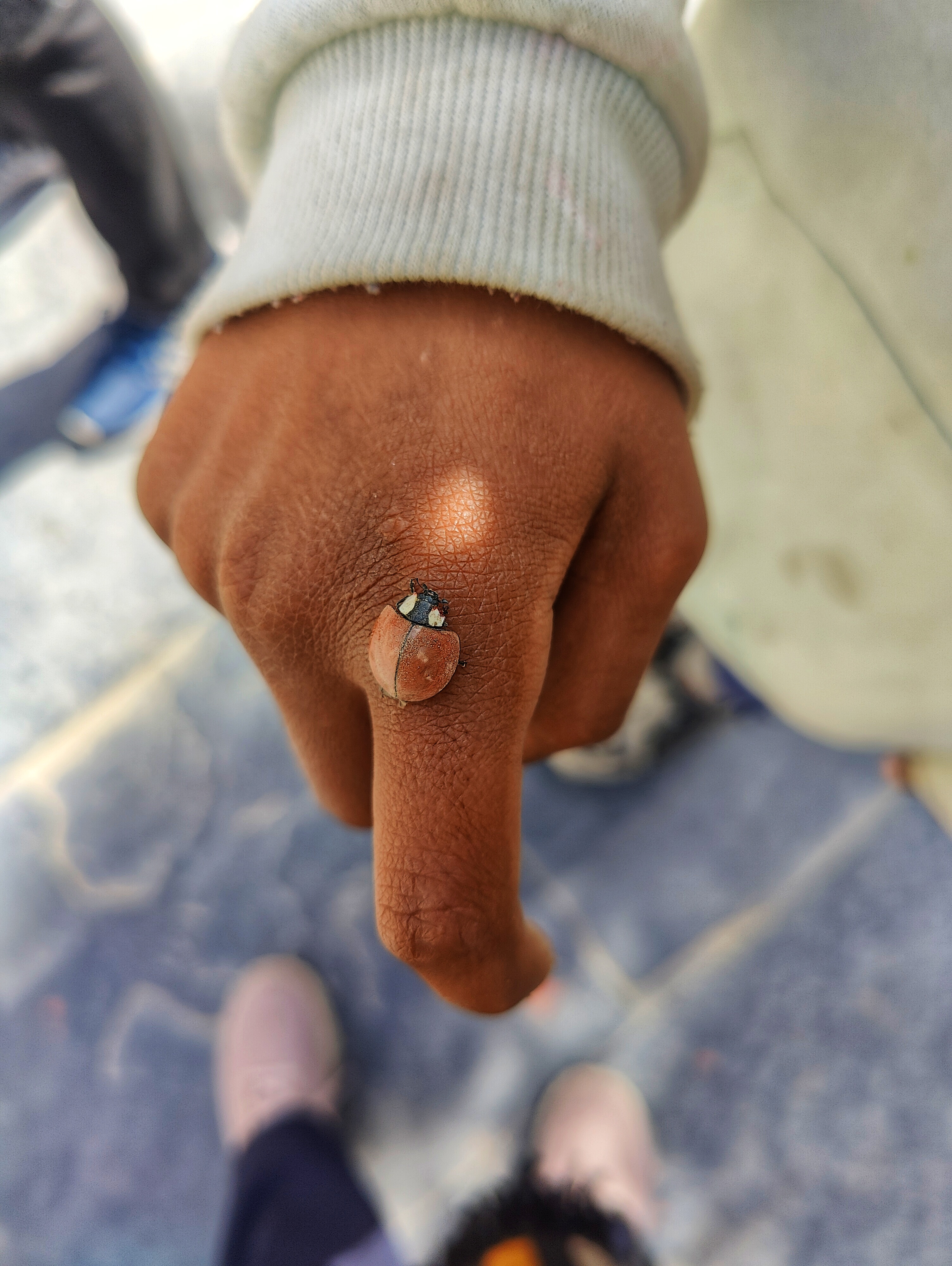
First up is the ladybug. Ladybugs are known for their bright red or orange shells, which are covered in black spots. These bugs are actually a type of beetle, and they’re often considered good luck. Ladybugs are beneficial to gardens and crops because they eat aphids, which are pests that can damage plants and crops.
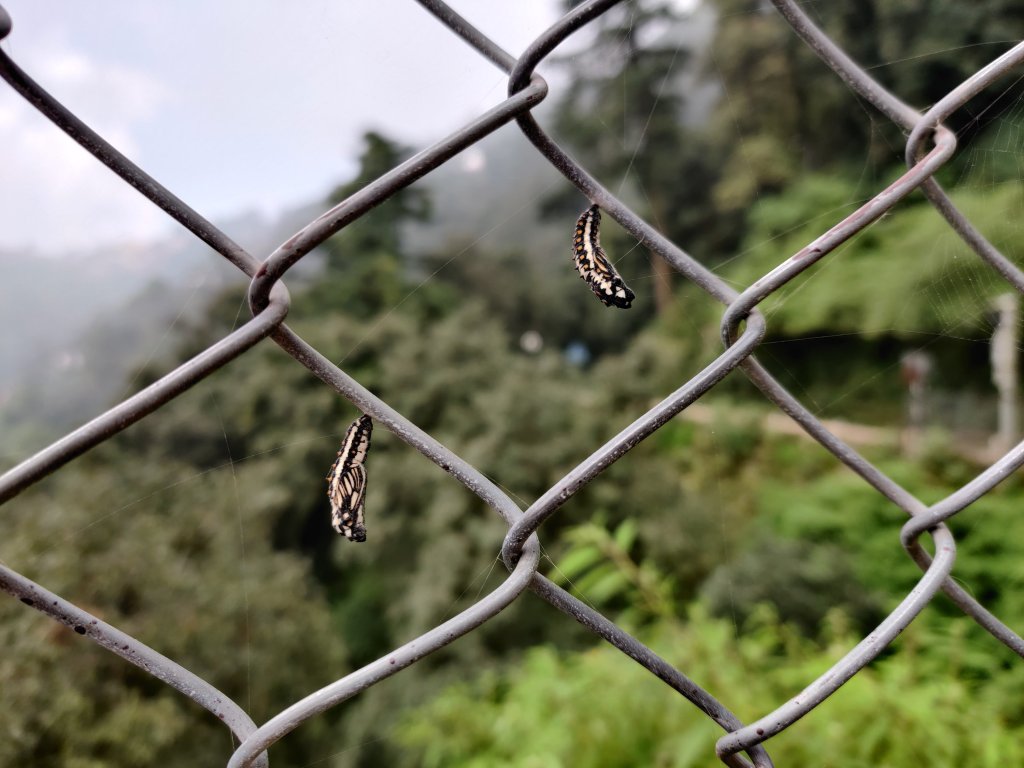
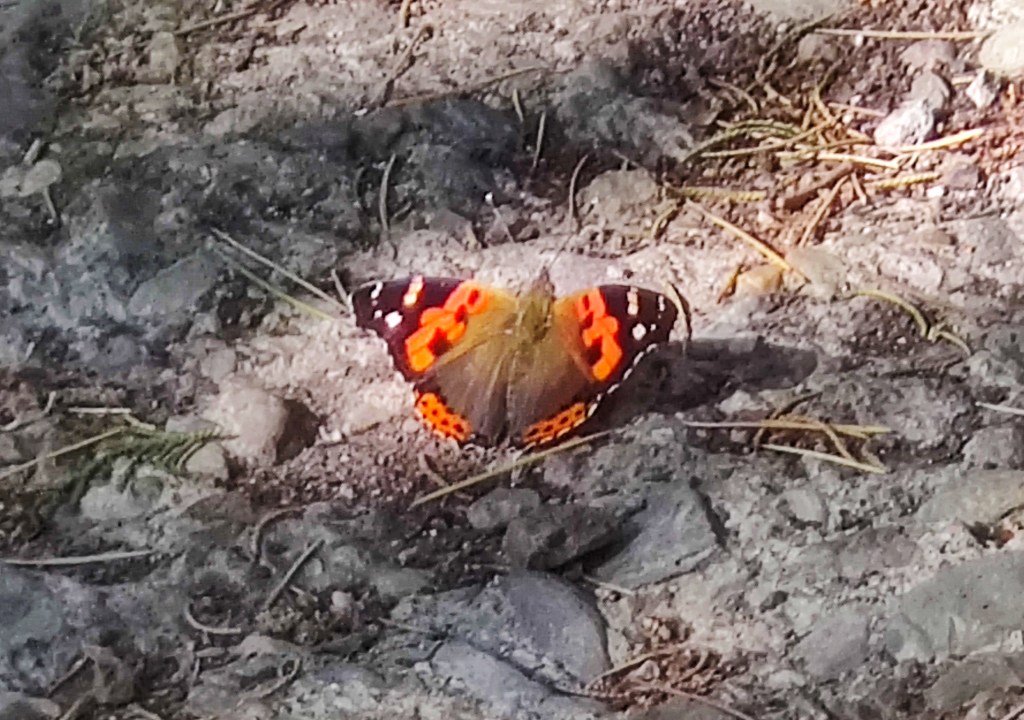
Next, let’s talk about butterflies. Butterflies are known for their beautiful wings, which are covered in vibrant colors and intricate patterns. These insects go through a process called metamorphosis, where they transform from a caterpillar into a butterfly. Butterflies are important pollinators and are often found in gardens and other areas with lots of flowers.
Ants are another common bug that you’re likely to encounter. Ants are social insects that live in colonies, and they’re known for their organized behavior and ability to work together to accomplish tasks. Ants come in many different shapes and sizes, from tiny black ants to larger red ants.
Finally, let’s talk about bees. Bees are important pollinators that help plants and crops grow. They’re known for their fuzzy bodies and black and yellow stripes. Bees live in hives and are organized into different roles, such as queen bee, worker bee, and drone bee.
These are just a few examples of the many bugs that you might encounter in the world around you. By learning about different types of bugs and their characteristics, you can gain a greater appreciation for the diversity of life on our planet.

8. Fun facts about Bugs

Bugs are an incredibly diverse group of creatures that come in all shapes and sizes. They can be found in almost every habitat on Earth, from the depths of the ocean to the tops of the mountains. Here are some fun facts about bugs that will fascinate and educate kids:
– The world’s heaviest insect is the Goliath beetle, which can weigh up to 3.5 ounces – about the same as a small bird!
– The fastest insect is the Australian tiger beetle, which can run up to 5.6 miles per hour. That may not sound very fast, but for an insect that’s only half an inch long, it’s incredibly speedy.
– The longest insect is the stick insect, which can grow up to 20 inches long. They’re so good at camouflaging themselves that they can be difficult to spot even when they’re right in front of you.
– The praying mantis is known for its cannibalistic tendencies – females often eat males after mating. However, this isn’t always the case – some males have evolved to avoid being eaten by bringing the female a “nuptial gift” of food before mating.
– The bombardier beetle has a unique defense mechanism – when threatened, it can shoot a boiling hot chemical spray out of its rear end!
– Bees are incredibly important pollinators, helping to pollinate around one-third of the world’s crops. Without bees, we wouldn’t have many of the fruits, vegetables, and nuts that we enjoy.
– Some species of ants keep “cows” – they herd aphids and other small insects, which they “milk” for sweet secretions that they use as food.
– Butterflies taste with their feet – they have special receptors that allow them to “taste” the chemicals on a plant before deciding whether to lay their eggs on it.
These are just a few examples of the amazing diversity of the bug world. By learning about bugs and their unique adaptations, kids can gain a greater appreciation for the natural world around them.

9. Bug observation and collection

Bug observation and collection is an important part of entomology, and it can be a fun activity for kids to get involved in. When observing bugs, it’s important to remember to respect their habitats and handle them gently.
One way to observe bugs is to go on nature walks and see what bugs you can find. Kids can use a magnifying glass to get a closer look at the bugs they find and observe their behavior. Another way to observe bugs is to set up a bug hotel in your backyard. This can be made by stacking logs, leaves, and other natural materials together to create a habitat for bugs to live in. Kids can check the bug hotel regularly to see what creatures have made it their home.

If kids want to collect bugs, they can do so in a humane way. They should use a net to catch the bugs and then transfer them to a bug jar. It’s important to make sure the bug jar has air holes and is not kept in direct sunlight. Kids should also release the bugs back into their natural habitat after observing them for a short period of time.
Bug observation and collection can teach kids about the natural world and help them develop an appreciation for these fascinating creatures. It’s a great way to get kids outside and engaged with the world around them.

10. Bug habitats and ecosystems

One of the most fascinating aspects of entomology is the study of bug habitats and ecosystems. Bugs can be found in nearly every corner of the earth, from the depths of the ocean to the tops of the tallest trees. Each bug species has its own unique habitat preferences and adaptations that allow them to survive and thrive in their environment.


Some bugs, like ants and termites, live in highly organized colonies that work together to build intricate underground tunnels and nests. Other bugs, like bees and butterflies, rely on specific plants and flowers for pollination and survival. Ladybugs and praying mantises are often found in gardens and agricultural fields, where they help to control pest populations and protect crops.
In addition to studying the habitats and ecosystems of bugs, entomologists also investigate how bugs interact with other species in their environment. For example, some bugs have developed symbiotic relationships with other animals, such as the relationship between ants and aphids. Ants will protect aphids from predators in exchange for the sweet nectar that the aphids produce.
By learning about bug habitats and ecosystems, kids can gain a greater appreciation for the complex web of life on our planet. They can also develop an understanding of the important role that bugs play in maintaining the balance of our natural world. Encourage your child to explore the world of bugs and discover the incredible diversity of life that exists in our own backyards!

11. Bug safety and handling tips

Discovering the world of bugs can be an exciting adventure for kids, but it’s important to teach them about bug safety and handling before they dive in. Some bugs can be harmful or even dangerous if handled improperly. Here are some tips to keep in mind:
1. Wear gloves: Encourage kids to always wear gloves when handling bugs to protect their hands from bites, stings, or other injuries.
2. Use a bug net: A bug net is a great tool for catching bugs without harming them. Teach kids to use it gently and release the bugs back into their natural environment after examining them.
3. Avoid handling dangerous bugs: Some bugs, like stinging insects, venomous spiders, or ticks, can pose a risk to your child’s health. Teach them to identify these bugs and avoid handling them.
4. Wash hands thoroughly: After handling bugs, remind your child to wash their hands thoroughly with soap and water. This can help prevent the spread of germs or diseases that bugs may carry.
By teaching kids about bug safety and handling, you can help them explore the fascinating world of entomology with confidence and curiosity. Who knows, they may even become budding entomologists themselves one day!

12. Fun Bug activities for kids

Entomology can be a fascinating subject for kids, and there are plenty of fun bug activities to keep them engaged and learning. Here are a few ideas to get you started:
1. Bug Hunt: Take your kids outside and let them explore the world of bugs. Provide them with a magnifying glass or bug catching kit and encourage them to observe and identify the different insects they find.
2. Build a Bug Hotel: Create a habitat for bugs by building a bug hotel. Use materials like straw, grass, and twigs to create different layers and compartments for bugs to nest in. Your kids can decorate the hotel and watch as different bugs move in and out.
3. Bug Crafts: Get creative with bug-themed crafts. Make butterfly puppets, ladybug rocks, or even spider webs out of yarn. These crafts can be a fun way to reinforce what your kids have learned about different types of bugs.
4. Bug Races: Set up a race track and let your kids race different types of bugs. This can be a fun way to teach them about the different speeds and movements of insects.
5. Bug Snacks: Make bug-themed snacks like ant-shaped sandwiches, caterpillar fruit skewers, or even chocolate covered grasshoppers. These snacks can be a fun and tasty way to get your kids excited about bugs.
By incorporating these fun bug activities into your kids’ learning, you can make entomology an exciting and engaging subject for them to explore.

13. Resources for further learning

If your child has developed an interest in entomology, there are many resources available to help them learn more about bugs. Here are a few suggestions to get you started:
1. Books: Head to your local library or bookstore and browse the children’s section for books on bugs. Some popular titles include “The Big Book of Bugs” by Yuval Zommer, “Bugs A to Z” by Caroline Lawton, and “The Bug Book” by Sue Fliess.
2. Online resources: There are many websites dedicated to teaching kids about bugs, such as National Geographic Kids and BugGuide.net. These sites offer photos, videos, and information on different bug species.
3. Bug collecting kits: If your child is interested in collecting bugs, consider purchasing a bug collecting kit. These kits often include a net, magnifying glass, and containers for holding bugs.
4. Nature walks: Take your child on a nature walk and encourage them to observe the bugs they see. Bring along a field guide to help identify different species.
5. Science museums: Many science museums have exhibits dedicated to bugs and other insects. Take your child to a museum to learn more about entomology and see bugs up close.
By providing your child with these resources, you can help foster their love of bugs and encourage them to become budding entomologists.

14. Conclusion: Appreciating the World of Bugs

In conclusion, exploring the world of bugs can be a fun and educational experience for kids. Through entomology, children can learn about the fascinating world of insects and their importance in our ecosystem.
By studying bugs, kids can develop a better understanding and appreciation for the natural world around them. They can also learn important skills like observation, critical thinking, and problem-solving.
By fostering a love for nature and insects at a young age, children can develop a lifelong passion for the environment and the creatures that inhabit it. So, encourage your kids to get outside and start exploring the world of bugs today!
Remember, bugs are not just creepy crawlies but a vital part of our ecosystem that plays a crucial role in our lives. Whether it’s pollinating our plants, decomposing waste, or providing a food source for other animals, bugs are essential to the balance of our planet.
So, let’s appreciate the world of bugs and all they have to offer. Who knows, your child may even become the next great entomologist!

We hope you enjoyed our guide to entomology for kids. Bugs may seem creepy and crawly to some, but they are actually fascinating creatures that play important roles in our ecosystem. By learning more about bugs, kids can develop a sense of curiosity and wonder about the world around them. We hope that this guide has inspired children to explore the world of bugs and learn more about these amazing creatures. So grab a magnifying glass and let the adventure begin.


Thank you for reading !!

Like, share and follow. 🙂

https://www.facebook.com/Dr.ChandrimaDebi/

https://www.instagram.com/debichandrima/

https://www.sumanmitra.com/

https://linktr.ee/chandrimadebi

©All images and content are subjected to copyright

© 2023 chandrimadebi http://www.chandrimadebi.com
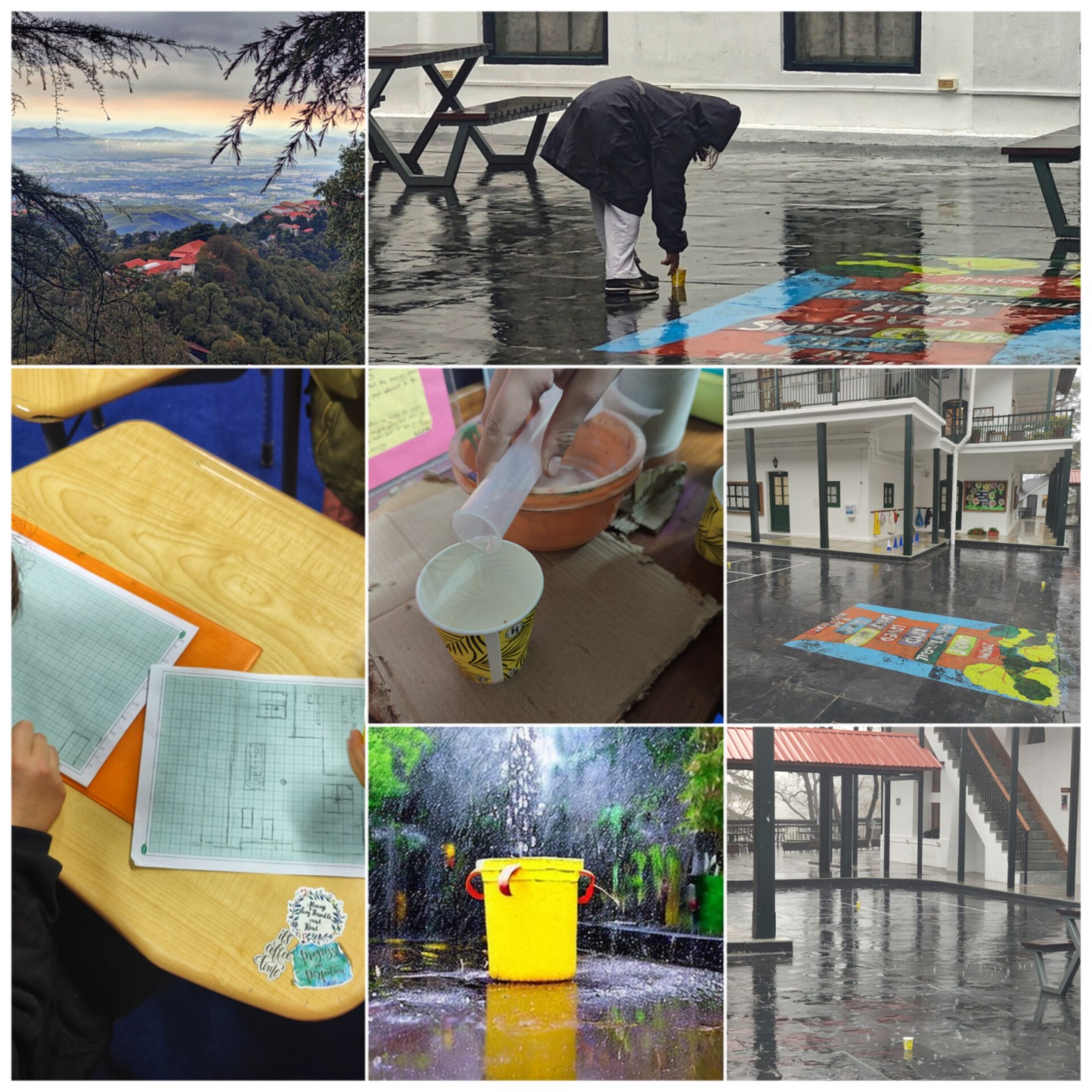
Rainy Day Fun with kids: Collecting rainwater with children

As educators we’re always looking for ways to make learning fun for our kids. One of the best ways to do this is by incorporating real-life experiences into their education. A great example of this is teaching your kids how to collect and find out how much rainwater is collected over a period of time. Not only is this a practical skill that they can use in the future, but it’s also a fun activity that can be enjoyed on a rainy day. By showing your children how to collect and measure rainwater, you can help them gain a deeper understanding of weather patterns and the water cycle. In this blog post, we’ll go over some tips and tricks for collecting and measuring rainwater, as well as some fun rainy day activities to do with your kids. So the next time it starts raining, don’t let it get you down! Get out there and have some fun while learning about one of nature’s most important resources.

1. Why is learning about rainwater collection important?

Learning about rainwater collection is important for many reasons. Firstly, it’s a way of teaching your kids the importance of conserving water. As we all know, water is a precious resource and we should all do our part to conserve it. Collecting rainwater is one way of reducing the amount of water we use from our main supply. By doing this, we reduce our water bills and save money in the long run. It’s also a way of reducing our carbon footprint as the energy required to pump water from the mains supply is reduced.
Secondly, collecting rainwater is a great way of ensuring that we have a supply of water during times of drought. In some parts of the world, water shortages are a common occurrence and collecting rainwater is one way of ensuring that we have enough water to meet our needs.
Lastly, learning about rainwater collection is a fun and educational activity that educators can do with their kids. It’s a great way of teaching them about the water cycle, the environment, and the importance of being self-sufficient. Kids love to get their hands dirty and learn new things, so why not make the most of a rainy day and teach them about rainwater collection?

2. The science behind rainwater collection

The science behind rainwater collection is fascinating and educational for both adults and children. Rainwater is a valuable and renewable resource that can be used for many purposes, from watering plants to flushing toilets. The process of collecting rainwater involves understanding the water cycle, which is an essential part of the Earth’s ecosystem.
Rainwater collection can be done in many ways, from simple buckets to more complex rain barrels and cisterns. The science behind these systems involves understanding the principles of gravity and pressure, as well as the basics of plumbing and water flow.
Teaching children about the science of rainwater collection is a great way to get them interested in science and the environment. They can learn about the water cycle, evaporation, condensation, and precipitation, as well as the importance of conserving water and protecting the environment.
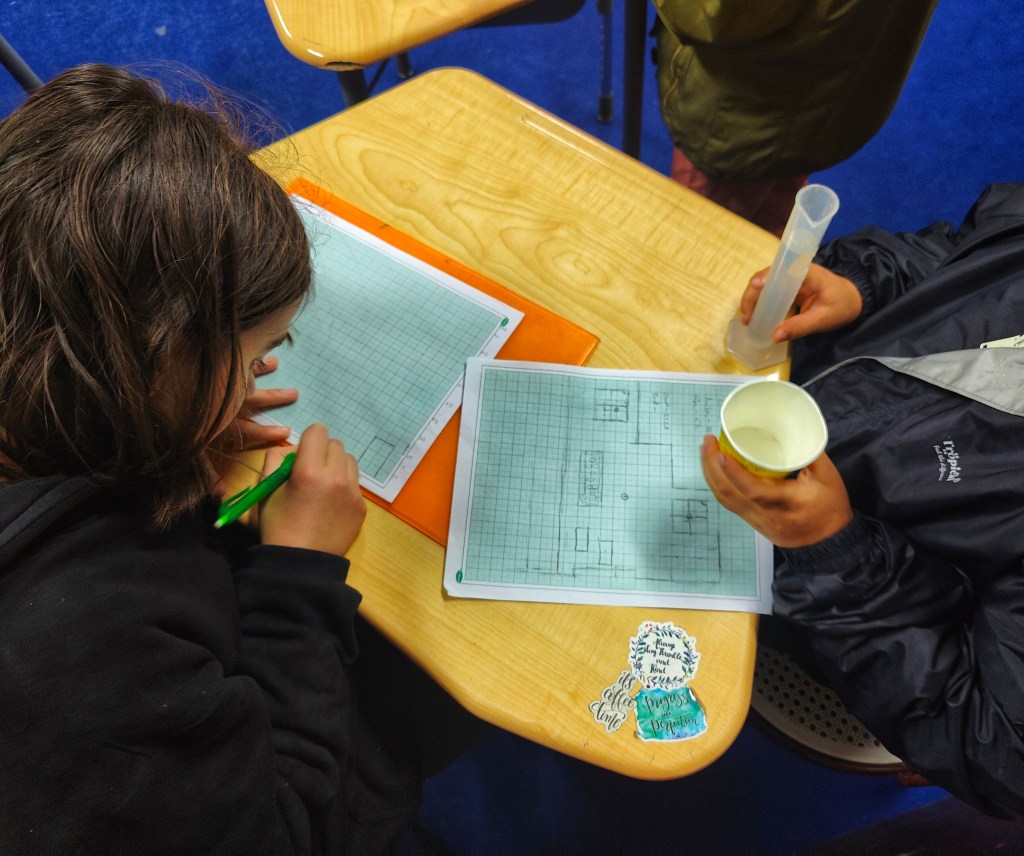
As children collect and calculate rainwater, they can also learn about basic math and measurement skills. They can learn about units of measurement such as inches, centimeters, and gallons, as well as how to use tools like rain gauges and rulers to measure rainfall.
Overall, the science behind rainwater collection is a fun and educational way to teach children about the environment, conservation, and basic math and science skills.

3. Fun rainwater collection activities for kids

Rainwater collection activities are not only fun but also educational for kids. Here are some activities that can make learning about rainwater collection a fun experience for your little ones:
1. DIY Rain Gauge: Make a simple rain gauge with your kids using a clear plastic bottle or jar. Cut off the top of the bottle and place the bottom part in a container with some water. Have your kids mark the water level and place it outside in a spot where it won’t tip over. After a rainstorm, check the gauge to see how much rainwater was collected.
2. Rainwater Art: Have your kids collect rainwater in different containers and use it to create paintings or drawings. They can dip their paintbrushes in the collected rainwater and use it as a substitute for regular water. They can also use the rainwater to create designs in the dirt or on the sidewalk.
3. Rainwater Harvesting Games: Set up a scavenger hunt for your kids to collect rainwater in different containers. You can also have a competition to see who can collect the most rainwater in a certain amount of time.
4. Watering Plants with Rainwater: Teach your kids about the benefits of using rainwater to water plants. Have them collect rainwater in a bucket and use it to water the plants in your garden. They can also compare how plants grow with rainwater versus tap water.
These fun activities not only help your kids learn about rainwater collection and conservation but also provide an opportunity for quality time spent outdoors.

4. How to create a rainwater collection system?

Creating a rainwater collection system can be a fun and educational project to do with your kids. Not only will it teach them about the importance of water conservation, but it will also provide an opportunity to learn about basic plumbing and construction.
To create a rainwater collection system, you will need a few basic materials such as a rain barrel, a downspout diverter, and a few tools such as a drill and a saw. You can purchase ready-made rain barrels or make your own using a large plastic container or a metal drum.
The first step is to choose a location for your rain barrel. Look for a spot where the downspout from your roof can easily be directed to the barrel. Make sure the location is level and stable to prevent the barrel from tipping over.
Next, install the downspout diverter to direct the flow of water into the barrel. This can be done by cutting the downspout near where it meets the barrel and attaching the diverter using screws or brackets.
Once the diverter is installed, you can attach a hose or spigot to the barrel to allow for easy access to the collected water. It’s important to also include a screen or filter to prevent debris from entering the barrel.
In addition to collecting rainwater for gardening and other outdoor uses, you can also use the system to teach your kids about basic water conservation techniques. Encourage them to turn off the faucet while brushing their teeth, take shorter showers, and only water plants when necessary.
Overall, creating a rainwater collection system is a great way to spend a rainy day with your kids while also teaching them valuable skills and lessons about water conservation.

5. Calculating the amount of rainwater collected

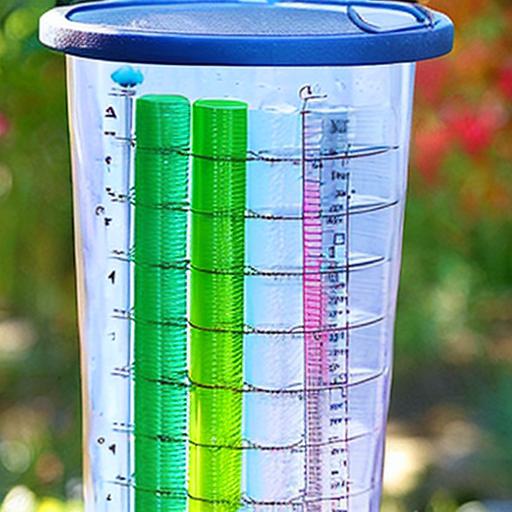
Calculating the amount of rainwater collected is a fun way to teach your kids about basic math concepts and environmental awareness. Before you begin, make sure you have a rain gauge to measure the amount of rainfall. You can purchase one from your local garden center or online. Once you have your rain gauge, place it in an open area where it can collect rainwater without any obstructions.
To calculate the amount of rainwater collected, simply measure the depth of the water in the rain gauge using the markings on the gauge. If the water level is at the 1-inch mark, that means you’ve collected 1 inch of rainwater. You can convert this measurement to gallons by multiplying the area of the collection surface by the depth of the water collected. For example, if your collection surface is 10 feet by 10 feet (100 square feet) and you’ve collected 1 inch of rainwater, you would have collected approximately 623 gallons of water.
As you collect and measure rainwater over time, encourage your kids to graph the data and look for trends. They can also calculate how much water they would save if they were to use collected rainwater for tasks such as watering plants or washing the car. This activity not only teaches basic math skills but also instills a sense of responsibility for the environment and the importance of conserving water.

6. Using collected rainwater in your home and garden

Using collected rainwater in your home and garden is an eco-friendly way to reduce your water usage and save money on your utility bills. There are many ways to use rainwater, and it’s an excellent opportunity to teach your children about the importance of conserving water and protecting the environment.
One of the easiest ways to use collected rainwater is for watering your garden. Rainwater is free of the chemicals and additives found in tap water, making it a healthier alternative for your plants. You can also use it to water your indoor plants or to clean your car, patio, and outdoor furniture.
If you want to take it a step further, you can install a rainwater harvesting system that is connected to your home’s plumbing system. This will allow you to use rainwater for flushing your toilets, doing your laundry, and even taking a shower.
Using collected rainwater is not only beneficial for the environment, but it’s also a great way to save money on your water bills. By teaching your children the importance of water conservation, you are instilling valuable habits that they can carry with them throughout their lives. So, the next time it rains, grab some buckets and get started on your rainwater collection project with your kids!

7. Sustainability benefits of rainwater collection

Aside from the fun and educational benefits of collecting and calculating rainwater with your kids, there are also important sustainability benefits to consider. Collecting rainwater can significantly reduce your household’s water usage, which not only saves you money but also helps conserve a precious natural resource. By collecting rainwater, you can use it for various purposes such as watering your garden, washing your car, or even flushing your toilet. This can help reduce your dependence on municipal water sources and the energy needed to transport and treat that water.
Additionally, rainwater collection can also help reduce stormwater runoff, which can be a major problem in urban areas where large amounts of impervious surfaces such as roads and buildings prevent rainwater from naturally infiltrating the soil. This can lead to increased flooding and erosion, as well as pollution of waterways due to the runoff picking up contaminants as it flows.
By collecting and using rainwater, you can help reduce the amount of stormwater runoff in your area and alleviate some of these issues. It’s a simple and effective way to make a positive impact on the environment while also teaching your kids about the importance of sustainability.

8. Tips for maintaining a rainwater collection system

Maintaining your rainwater collection system is essential to ensure it functions properly and provides clean, fresh water for your family and garden. Here are some tips for maintaining your rainwater collection system:
1. Check your gutters and downspouts regularly: Make sure your gutters and downspouts are clean and free of debris, such as leaves or sticks. This will prevent clogs and ensure that water flows freely into your collection system.
2. Clean your collection tank: Regularly cleaning your collection tank will prevent sediment and debris from building up and ensure that your water stays clean and fresh.
3. Inspect your collection tank for leaks: Check your collection tank for leaks or damage to ensure that it is functioning properly. If you notice any leaks or damage, it is important to repair them as soon as possible to avoid further damage.
4. Use a filter: Installing a filter on your collection system will help to remove any debris or contaminants from the water, ensuring that it is clean and safe to use.
5. Use your collected water regularly: Using your collected water regularly will help to prevent stagnation and ensure that your water stays fresh. You can use your collected water for watering your garden or washing your car, for example.
By following these tips, you can ensure that your rainwater collection system is well-maintained and provides clean, fresh water for your family and garden.

9. Additional rainy day activities for kids

While learning how to collect and calculate rainwater is a great rainy day activity for kids, there are plenty of other fun activities that you can do together as a family. Here are a few more ideas:
1. Make a fort: Building a fort with blankets, pillows, and chairs is a great way to keep kids entertained on a rainy day. You can even have a picnic inside the fort!
2. Bake together: Baking is a fun activity that kids of all ages can enjoy. Choose a recipe that your kids will love, like cookies or cupcakes, and let them help measure out ingredients and mix everything together.
3. Arts and crafts: Pull out the arts and crafts supplies and let your kids get creative. You can make paper mache animals, paint rocks, or create a collage using old magazines.
4. Movie marathon: A rainy day is the perfect excuse to snuggle up on the couch and watch movies all day long. Let your kids pick out their favorite movies or choose a new one to watch together.
5. Play board games: Board games are a great way to pass the time on a rainy day. Choose games that are appropriate for your kids’ ages and that everyone will enjoy playing.
By trying out some of these additional activities, you can make the most of your rainy day and create memories that your kids will cherish for years to come.

10. Conclusion and resources for further learning

In conclusion, collecting and calculating rainwater with your kids is a fun and educational activity that can be enjoyed on any rainy day. It’s a great opportunity to teach children about the water cycle, conservation, and mathematical concepts. Plus, it’s an eco-friendly way to conserve water and reduce your household’s environmental impact.
If you’re looking for more resources to expand your knowledge on this topic, there are plenty of books, websites, and organizations available. “The Magic School Bus Wet All Over” by Joanna Cole is a great book for children that explores the water cycle and rain. “Rainwater Harvesting for Drylands and Beyond” by Brad Lancaster is an excellent resource for those interested in rainwater harvesting and conservation.
If you’re looking to take your rainwater collection to the next level, consider joining a rainwater harvesting organization. The American Rainwater Catchment Systems Association and the Rainwater Harvesting Association are two great organizations dedicated to promoting rainwater harvesting and conservation.
No matter how you choose to further your learning, collecting and calculating rainwater with your kids is a great way to spend a rainy day while teaching important lessons that will last a lifetime.

We hope you and your little ones had a great time learning how to collect and calculate rainwater with our blog post! Rainy days can be a bummer, but with the right activities, they can be a fun and educational experience. Teaching your kids about rainwater collection and calculation will not only give them some new skills, but it will also help them understand the importance of water conservation. So the next time it rains, get out there with your kids and start collecting! Don’t forget to share your pictures and tag us on social media to inspire others too.


Thank you for reading !!

Like, share and follow. 🙂

https://www.facebook.com/Dr.ChandrimaDebi/

https://www.instagram.com/debichandrima/

https://www.sumanmitra.com/

https://linktr.ee/chandrimadebi

©All images and content are subjected to copyright

© 2023 chandrimadebi http://www.chandrimadebi.com
Nature’s classroom: Reflections on the book chapter, First Few Sessions of Outdoor Learning, ‘Dirty Teaching’

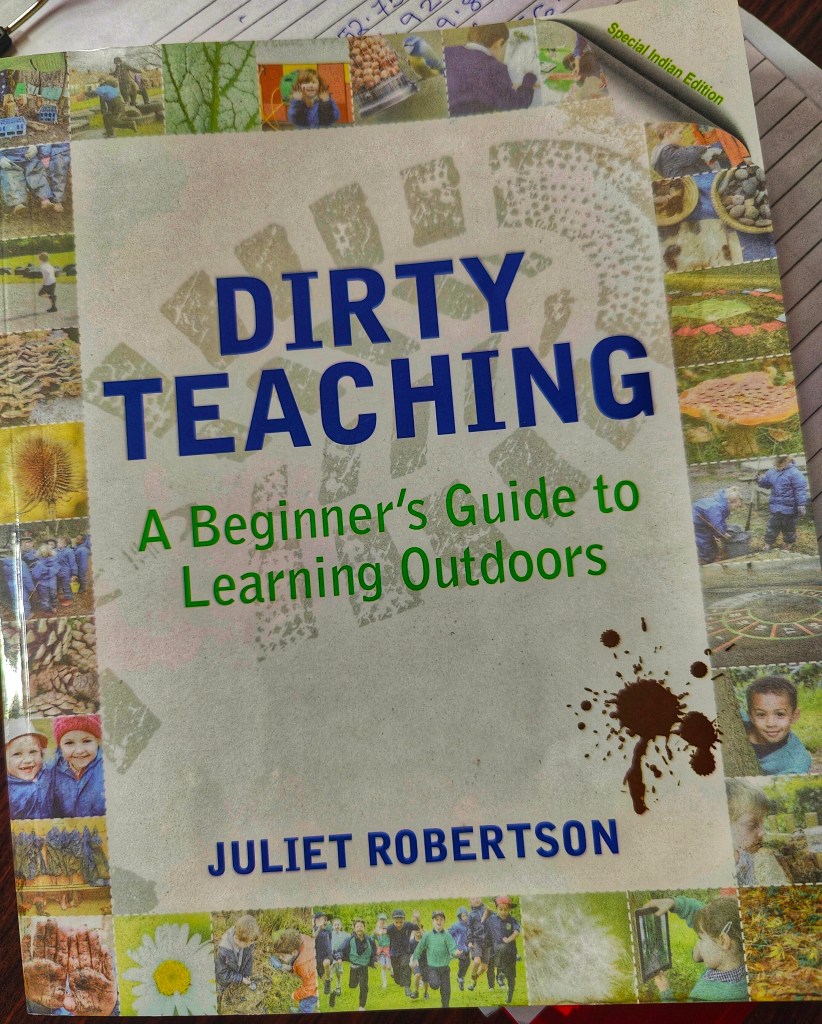
As technology continues to advance, children are spending more and more time indoors. As a result, outdoor education has become more important than ever. Outdoor learning provides a unique opportunity for children to connect with nature, learn new skills, and develop a deeper appreciation for the environment. But before beginning the experience of outdoor learning there are few key considerations and measures which must be entailed during the lessons. In this post we discuss about reflection questions based on Chapter 3 of the book ‘Dirty Teaching by Juliet Robertson. The chapter is about getting started class outdoors and aims towards acclimatizing to the process of learning outside. Based on the ideas and concepts mentioned in the text, following are few discussion questions along with extended illustrations.

1. What are some key considerations when planning and conducting the first few lessons in outdoor education?

a. Safety: Before planning any outdoor education lessons, it is important to research and assess the potential risks and hazards associated with the location and activity. It is essential to prioritize the safety of all participants and ensure that proper safety measures and equipment are in place.

b. Goals and Objectives: Identify the learning goals and objectives for the first few lessons. These can range from team-building and leadership skills to scientific inquiry and environmental education. Having a clear understanding of the desired outcomes will help guide the lesson planning and ensure that all activities are aligned with the objectives.

c. Equipment and Resources: Ensure that all necessary equipment and resources are available, including appropriate gear for the activity, first aid kits, and any educational materials or tools needed to support the learning goals.

d. Assessment and Evaluation: Develop appropriate methods for assessing and evaluating student learning, including pre-and post-assessments, ongoing observations, and student self-reflections. This will help teachers to understand student progress and adjust lessons as needed.

e. Collaboration and Communication: Effective communication is essential for planning and implementing successful outdoor education experiences. Teachers should work collaboratively with other educators, administrators, and community partners to ensure that all stakeholders are informed and engaged in the process. Open lines of communication with students and families will also be critical for ensuring that all participants feel prepared and supported throughout the experience.

2. What techniques or strategies can you use to create a safe and positive learning environment for students in an outdoor setting?

a. Set clear expectations: Establish clear expectations for behavior and safety. Discuss the rules and expectations ahead of time and provide reminders as needed.

b.Foster teamwork: Encourage teamwork and collaboration among students. Activities that promote teamwork can help students develop respect and empathy for each other.

c. Create a welcoming atmosphere: Create a welcoming atmosphere that is friendly, safe, and inclusive. Make sure that everyone feels comfortable and welcome.

d.Encourage student ownership: Encourage students to take ownership of their learning experiences. Allow students to have input into the activities and lessons in order to feel more invested in their learning.

e. Model positive behavior: Model positive behavior by demonstrating respect, consideration, and kindness towards all students. Teachers should model appropriate behavior and provide feedback to students when appropriate.

f. Emphasize safety: Emphasize safety both in terms of physical safety (e.g. wearing appropriate clothing and keeping track of students) and emotional safety (e.g. ensuring that students feel valued and respected).

g. Provide a variety of activities: Provide a variety of activities and challenges to keep students engaged and motivated. Make sure that these activities are age-appropriate and suit the needs and interests of the students.

h. Use positive reinforcement: Use positive reinforcement to encourage positive behavior. Provide praise and recognition for students who follow expectations and demonstrate positive behavior. 

3. How can you engage students’ curiosity and interest in the natural world through your first few lessons in outdoor education?

a. Start with a Nature Walk: Going on a nature walk is a great way to get students excited about the natural world. Encourage them to look for interesting plants, insects, and animals as they walk around. Ask open-ended questions and foster a sense of curiosity about what they are seeing.

b. Introduce Local Flora and Fauna: Introducing students to the local flora and fauna is key in getting them interested in the natural world. Discuss some of the plants and animals they might encounter during their outdoor education experience. For example, you could talk about the types of birds, reptiles, or mammals that are common in your area and explain their behaviors and characteristics.

c. Incorporate Hands-On Activities: Hands-on activities are great for getting students engaged in their learning. Plan activities that allow students to touch and interact with nature, such as tree identification walks or creating a nature art project.

d. Share Personal Experiences: Sharing personal experiences about the natural world can help students connect to the content. Talk about your favourite outdoor memory, share stories of times when you see an animal in its natural habitat, or explain how a certain plant is used in your culture.

e. Use Technology: Technology can be used as a tool to enhance outdoor education experiences. Use apps like iNaturalist or Seek by iNaturalist to help students identify plants and animals, or use GPS devices to track students’ progress as they explore the natural surroundings.

© Building house structure with twigs and sticks

4. What are some important skills or knowledge areas that you want to convey in the first few lessons of outdoor education, and how can you effectively teach these concepts in an outdoor setting?

a. Safety and Wilderness Survival Skills: Most important aspect of outdoor education is safety. Students should learn how to identify and prevent potential hazards such as falling, cuts, insect bites or even threatening wildlife encounters. One way to teach safety and wilderness survival skills is through interactive scenarios and role-plays. For example, students can learn how to build a shelter, start a fire, gather and purify water, and navigate using a map and compass.

b. Natural History and Ecology: Outdoor education can help students develop a deeper understanding and appreciation for the natural world. Students should learn about the local natural history, ecology, and biomes of the area through experiential activities such as observing, identifying, and recording animal tracks, plant species and wildlife habitats, and geological formations.

c. Teamwork and Leadership: Outdoor education provides an ideal platform to teach students how to work collaboratively and lead others through challenging situations such as navigating a river or rock climbing. Students can participate in group challenges and team building activities that require communication, cooperation, and mutual support.

d. Environmental Stewardship: As students learn more about the natural world and their place in it, they should also learn the importance of environmental stewardship, conservation and sustainability. Teachers can use case studies of environmental issues and involve local conservation groups or naturalists to share their experience and insights.

To teach these concepts effectively in an outdoor setting, teachers should use experiential and hands-on learning approaches while utilising nature as a classroom. Outdoor activities should be adaptable to the level and skill of students, and teachers should always prioritise safety at all times. Safety briefs and debriefs should be routinely conducted to reinforce the importance of responsible actions and sustainable practices when enjoying the outdoors.

©A dining table set by early years children

5. How can you scaffold learning in outdoor education to ensure that students build upon prior knowledge and skills as they progress through the course?

a. Start with a pre-assessment: Before beginning the course, conduct a pre-assessment to identify students’ prior knowledge and skills related to outdoor education.

b. Build a solid foundation: Begin by teaching the foundational skills necessary for outdoor education, such as camping skills, navigation, and outdoor safety.

c. Use backward design: Start with the learning outcome that you want to achieve and then work backward to identify the prerequisite skills and knowledge that students need to achieve that goal.

d. Use progressive challenges: Plan a series of outdoor experiences that gradually increase in difficulty and complexity, giving students the opportunity to build upon their prior knowledge and skills.

e. Reflect on learning: Provide regular opportunities for students to reflect on their learning, assess their progress, and set goals for future learning.

f. Differentiate instruction: Recognise that students have different levels of prior knowledge and skill and differentiate instruction to meet their individual needs.

g. Provide feedback: Give students timely and specific feedback on their learning, reinforcing their strengths and identifying areas for improvement.

h. Engage in experiential learning: Use experiential learning strategies like inquiry-based learning, problem-based learning, and project-based learning to help students build upon their prior knowledge and skills in an authentic and engaging way.

©Making seed bombs with native plant seeds

6. What role does experiential learning play in the first few lessons of outdoor education, and how can you maximize this approach for effective teaching and learning?

a.Experiential learning is a key component of outdoor education, particularly in the first few lessons. This approach involves active participation in hands-on activities, reflective discussion, and application of the concepts and skills learned in real-world situations.

b. Maximising experiential learning in outdoor education can be achieved in several ways. Firstly, the lesson should be designed to promote engagement, such as providing opportunities for students to explore, experiment and problem-solve. Secondly, the instructor should facilitate learning through questioning and reflective discussion after each activity. This enables students to consolidate their experiences, connect them to prior knowledge, and identify areas for further learning.

c. Furthermore, safety is a crucial component when engaged in outdoor experiential learning. Instructors should focus on safety instruction and the use of appropriate safety gear. Also, the instructor should provide clear instructions to their students and ensure that they are understood.

d. Lastly, feedback from the instructor is equally important to maximise experiential learning, as this assist learners in identifying areas of improvement and mastery. The instructor can provide constructive feedback upon completion of each activity, to ensure that they have a positive learning experience, and that they can observe a strong learning curve as they progress.

Overall, experiential learning is an excellent tool to engage, motivate, and instill practical outdoor knowledge in learners. It allows the students to learn practically, apply the correct techniques and enjoy the learning process. 

7. What are some challenges you might encounter when conducting outdoor education lessons, and what strategies can you use to overcome or mitigate these challenges?

a. Weather: Outdoor education may be affected by unexpected weather changes, such as rain, storm, heat, or cold. It can compromise safety or comfort for participants and make it hard to carry out planned activities. To mitigate this issue, educators need to check weather forecasts before scheduling their lessons and have a contingency plan in case of extreme weather conditions. They can also adapt their lesson plans to include alternative activities or move them to indoor spaces if necessary.

b. Logistics: Planning and organising outdoor education lessons can be complex and require specific resources, equipment, and permits. It may also involve transportation, accommodation, food, and staff coordination. To overcome this challenge, educators can work with local partners, such as park rangers, community organisations, or other schools, to share resources and knowledge. They can also use online tools and technology to streamline planning and communication.

c. Safety: Outdoor education lessons involve risks that need to be addressed through proper safety protocols and procedures. These risks may include environmental hazards, wildlife encounters, accidents, or emergencies. Educators should conduct a thorough risk assessment and develop a safety plan that includes clear instructions, communication, and first aid. They can also provide or orientation for participants on how to handle potential dangers.

d. Engagement: Outdoor education aims to provide immersive, experiential learning opportunities that engage participants and promote their curiosity, creativity, and critical thinking skills. However, some students may struggle to adapt to the new environment or find it hard to participate in the activities. Educators can use different strategies to encourage engagement, such as giving clear instructions, providing enough time to explore and reflect, facilitating group work and discussion, and using interactive, hands-on activities.

e. Accessibility: Outdoor education may pose barriers for some students, such as physical disabilities or socio-economic disadvantage, that limit their access to the experiences or opportunities offered. Educators should strive to make their lessons inclusive and accessible to all students by taking into account their diverse needs and preferences. They can adapt activities to accommodate physical limitations, offer financial support or scholarships, provide transportation or interpretive services, and create a welcoming and non-discriminatory environment.

8. How can you encourage students to reflect on their outdoor learning experiences and apply what they have learned to their everyday lives?

a. Debriefing sessions: After every outdoor learning experience, have a debriefing session where students can share their thoughts and insights about the activity. This will help them reflect on what they have learned and how it can be applied to their daily lives.

b. Goal setting: Ask students to set specific goals based on their outdoor learning experiences. This will encourage them to think about how they can apply what they have learned to their everyday lives.

c. Journal writing: Encourage students to keep a journal of their outdoor learning experiences. In their journals, they can reflect on what they have learned and how they can apply it to their lives.

d. Follow-up activities: To reinforce the learning, plan follow-up activities that will allow students to apply what they have learned to their everyday lives. For example, if students learn about gardening, they can start a garden in their backyard or school.

e. Connections to curriculum: Make connections between the outdoor learning experiences and the curriculum. This will help students see the relevance of what they have learned and how it can be applied to other areas of their learning.

9. What are some considerations for promoting environmental stewardship or sustainability in the first few lessons of outdoor education?

a. Establishing a sense of place: The first consideration for promoting environmental stewardship in outdoor education is to help learners establish a sense of place. Encourage them to observe and understand their environment and its interrelated elements.

b. Creating a culture of sustainability: The second consideration is to create a culture of sustainability amongst learners. This should include promoting sustainable practices such as recycling, reducing waste and conserving natural resources.

c. Encouraging active participation: Outdoor education should encourage active participation and reduce passive learning. This can be done by incorporating experiential learning techniques that allow learners to connect with their environment and gain a deeper understanding of the systems that exist within it.

d. Highlighting global issues: Learners should also be made aware of global environmental challenges such as climate change and the loss of biodiversity. This can help to inspire them to take action and make changes in their own lives to reduce their impact.

e. Fostering a love for nature: Finally, outdoor education should also foster a love for nature and the environment. This can be done by highlighting the beauty and uniqueness of different ecosystems and species, and helping learners appreciate the intrinsic value of nature.

10. How can you evaluate student learning and progress in the first few lessons of outdoor education, and what assessment tools or strategies might be most effective in this setting?

Some ways to evaluate student learning and progress in the first few lessons of outdoor education, and some effective assessment tools or strategies that can be used.

a. Observation: Observing student behavior and involvement in activities can provide valuable information regarding their understanding and development.

b. Reflection activities: After an activity, ask students to reflect on what they learned and share their thoughts. These reflections can be documented in journals or through group discussions.

c. Assessments: Using pre and post assessments can provide insight into student learning and progress. These could be in the form of quizzes, tests, or surveys.

d. Rubrics: Rubrics can be created to assess student performance in specific activities or skills. These can provide more detailed information in terms of areas for improvement.

e. Peer assessment: Encouraging students to assess and provide feedback to their peers can facilitate a positive and supportive learning environment. This can also promote teamwork and collaboration.

f. Self-assessment: Encouraging students to self-assess their learning and progress can be a powerful tool in promoting self-reflection and self-awareness. This could be done through checklists or self-reflection prompts.

Overall, a combination of these assessment tools and strategies may be most effective in evaluating student learning and progress in outdoor education. It is important to remember that assessment should not be the primary focus in outdoor education, but rather a tool to support learning and growth.

The first few sessions of outdoor learning can be both exciting and challenging. As an educator, it is essential to reflect on these early sessions to ensure that the students are getting the most out of the experience. One of the biggest benefits of outdoor learning is that it encourages students to explore the natural world around them. It allows them to connect with nature and develop a greater appreciation for the environment. However, it can be difficult to keep students engaged for extended periods of time. As such, it is important to structure the sessions in a way that allows for exploration and discovery while also maintaining a level of structure and organization. It is also important to ensure that the sessions are safe for the students. Conducting a risk assessment beforehand can help to identify any potential hazards and mitigate them before the session begins. Overall, the first few sessions of outdoor learning are an excellent opportunity for educators to establish a positive and engaging learning environment for their students. With careful planning and reflection, educators can ensure that their students get the most out of their time outdoors.

From increased physical activity to improved mental health, outdoor education has the potential to positively impact children in countless ways. Read on to learn more about nature’s classroom and the benefits of incorporating outdoor learning into your child’s education.

We hope you enjoyed our article about the reflections on first few sessions of outdoor learning. As educators, it can be a challenge to engage students in a way that is both fun and educational. However, outdoor learning provides a unique opportunity to do just that. By following the tips and advice provided in the post, you can create a positive and enriching experience for your students that will not only help them learn but also foster a love of nature. I would love to hear your thoughts and experiences with outdoor learning, so please feel free to share them with us by visiting http://www.chandrimadebi.com. Thank you for reading, and we hope that your outdoor learning sessions are successful and enjoyable!

The author is thankful to Juliet Robertson author of Dirty Teaching.

Like, share and follow. 🙂

https://www.facebook.com/Dr.ChandrimaDebi/

https://youtu.be/kwrnWPwOI7E

https://www.instagram.com/debichandrima/

https://www.sumanmitra.com/

https://linktr.ee/chandrimadebi

©All images and content are subjected to copyright

© 2023 chandrimadebi http://www.chandrimadebi.com
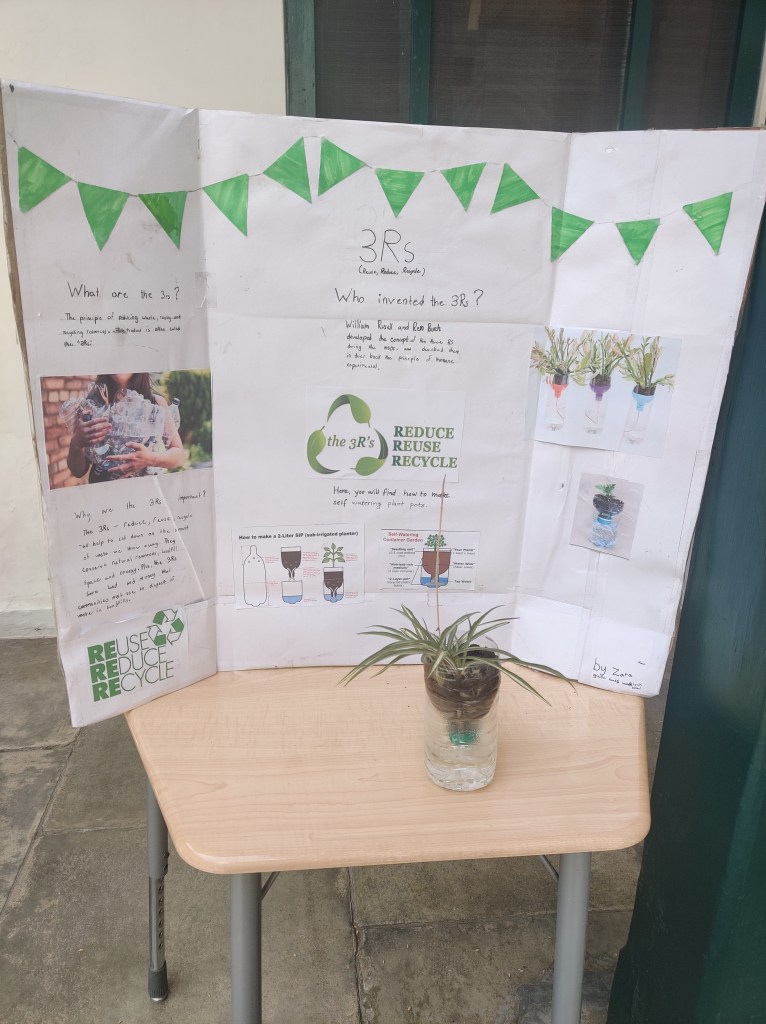
A Floral Paradise: Spring Blossoms in the hillside of Landour, Mussoorie

The hillside of Landour, Mussoorie is again alive with the colors of spring. Springtime in the hills of Landour, Mussoorie is simply enchanting. The beauty of nature is at its peak, with the hillside covered in a vibrant display of blossoms.

© Hillside of Landour, Mussoorie

From the magnificent rhododendrons to the delicate myrtles, geraniums and primulas, the colors of spring are truly breathtaking. As the sun shines down on the hillside, the flowers light up like a kaleidoscope.

© Beautiful flowers in the hillside of Landour, Mussoorie

A nature walk in spring is a beautiful and invigorating experience. As you take a nature walk along the winding paths, you’ll be mesmerized by the beauty of nature in full bloom.

©Myrtle

The hills and valleys are carpeted with flowers, the fresh mountain air and the sounds of birds will rejuvenate your senses.

©Flowering of Viburnum lantana

The hillside of Landour in spring is a haven for nature lovers and amidst the beauty of nature. The colorful blooms of spring will leave you spellbound and create memories that will last a lifetime.

© Rhododendron
©Crofton weed / Mexican Devil

Although Mexican Devil is considered an invasive species, it was originally planted as an ornamental plant.

© Primula

The spring season in Landour is a perfect time to experience the natural beauty. I hope you enjoyed reading about the spectacular spring blossoms in Landour, Mussoorie. Witnessing the beauty of nature during the spring season is truly a mesmerizing experience.

©Spring blossoms in the hillside of Landour, Mussoorie

Like, share and follow. 🙂

https://www.facebook.com/Dr.ChandrimaDebi/

https://youtu.be/kwrnWPwOI7E

https://www.instagram.com/debichandrima/

https://www.sumanmitra.com/

https://linktr.ee/chandrimadebi

©All images and content are subjected to copyright

© 2023 chandrimadebi http://www.chandrimadebi.com
Weeding invasive Mexican Devil (Ageratina adenophora) in the hillside: Nature based learning and outdoor education activity

Mexican Devil (Ageratina adenophora synonym Eupatorium adenophorum), commonly known as Crofton weed, is a species of flowering plant in the family Asteraceae native to Mexico and Central America. Initially grown as an ornamental plant, it has now become invasive into forests, hillslopes, roadside and farmlands.

It forms dense colonies and prevents the seedlings of native species from establishing in a wide range of habitats. This invasive species is a serious problem in the hillside, as it is slowly replacing vulnerable species and limiting growth and development of various other important plant species.

Locally known as Kala bhasa, it changes the microbial composition which hampers the growth of local plants, thus forming dense mono cultures and reducing the native biodiversity. Such an invasion of alien species is recognized by the International Union for Conservation of Nature(IUCN) as the second greatest agent of species endangerment and extinction, after habitat destruction. There is an immediate need to prevent dispersal of seeds during the months of March‐April, as flowers are in full bloom. Mechanical weeding out the plant by uprooting and burning the entire plant (with roots) seems the most viable method. The control of the invasive species is achievable through continuous and diligent effort, year after year.

In this regard, students carried out mass weeding out activities in the hillside through nature-based learning. It is a form of environmental education that focuses on the study of forest ecology and the use of natural processes to help with weeding out unwanted plants in the forest. It is an effective way to teach students about the importance of conservation, while also helping them understand how invasive plants can cause harm to our forests. By understanding the ecology of a forest, students can learn how to identify and remove invasive plants from their environment. Nature-based learning can also help us better understand our role in protecting our forests from destruction caused by human activities.

Nature based learning activities can be a great way for kids to learn about ecology and identify unwanted plants. By engaging in outdoor learning activities, children can develop an understanding of the environment and its importance to their own lives. Through hands-on exploration, they can gain knowledge about different types of plants, their characteristics, and how they interact with each other. Additionally, they can learn to identify weeds and understand why it’s important to remove them from gardens or landscapes. Nature based learning activities are a fun way for kids to explore the outdoors while gaining valuable knowledge about ecology and weed identification.

Involving children in conservation efforts is a great way to help protect the environment. By getting children involved in weeding out unwanted plants in the forest, they can learn about the importance of protecting our natural resources and how their actions can make a difference. Not only does this help to keep our forests healthy, but it also provides children with an opportunity to learn about nature and how they can contribute to its preservation
Involving children in conservation efforts also helps to instill values such as respect for nature and responsibility towards our planet. This knowledge can then be passed on from generation to generation, helping ensure that future generations are aware of their role in preserving the planet’s resources.

I hope you enjoyed the article about the issue of invasive Mexican Devil (Ageratina adenophora) in the hillside. I have found many success stories of students who have used learning activities to get their hands dirty and learn about invasive species in their natural environment. If you or your students need help with any of these topics, I would be happy to help out! Please let me know if you have any questions or comments. I will be glad to hear from you! If you would like to know more about invasive species, visit the site at http://www.chandrimadebi.com

Thank you for reading.


Like, share and follow. 🙂

https://www.facebook.com/Dr.ChandrimaDebi/

https://www.instagram.com/debichandrima/

https://www.sumanmitra.com/

https://linktr.ee/chandrimadebi

©All images and content are subjected to copyright

© 2023 chandrimadebi http://www.chandrimadebi.com
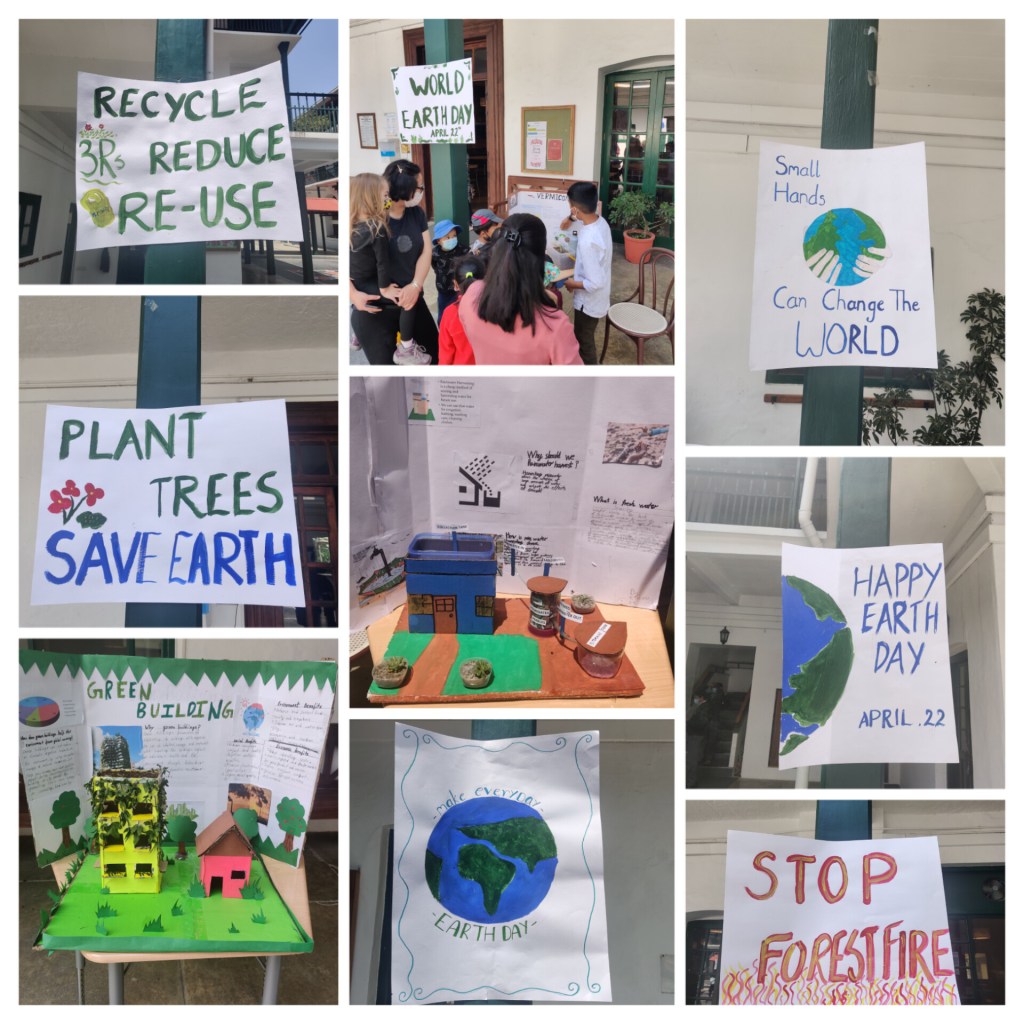
Building a Home for Bugs: The Educational Benefits of Insect Houses in Early Childhood Education

Insects play an essential role in our ecosystem, and early childhood is the perfect time to teach children about their importance. By building insect houses, children can experience the joy of creating a home for these tiny creatures and learn about their habits and behaviors. Moreover, insect houses can help young children learn about sustainability, ecology, and the interconnectedness of nature. In this post, we will explore the educational benefits of insect houses in early childhood education and how they can help children develop their cognitive, social, and emotional skills. We will also provide a step-by-step guide to building your own insect house, so you can get started on this fun and educational activity with your little ones!

  1. What is an insect house and why is it important?

An insect house, also known as a bug hotel, is a specially designed structure made to provide shelter and nesting sites for a variety of insects. These structures can be made from a variety of materials, such as wood, bamboo, and even recycled materials, and can be placed in gardens, parks, schools or even private homes. Insect houses are important because they provide a safe and comfortable environment for insects to live, and they also offer an excellent opportunity for children to learn about the natural world.
Insects play a vital role in our ecosystem, from pollinating plants to breaking down organic matter. By providing them with a habitat, we can help to support their populations and ensure that they can continue to perform these important functions. In addition, observing and learning about insects can help develop children’s curiosity and understanding of the natural world. Insect houses can be used as a tool to teach children about different insects, their habitats, and their behaviors in a fun and interactive way. By building and maintaining insect houses, children can also learn about the importance of conservation and the role they can play in protecting the environment. In this blog post, we will explore the educational benefits of insect houses in early childhood education and provide tips on how to build and maintain your own insect house.

  1. Benefits of insect houses in early childhood education

Insect houses can have a multitude of benefits in early childhood education. Firstly, they provide a hands-on learning experience for young children, allowing them to explore the natural world and learn about the different types of insects and their habitats. This can be a fun and engaging way to introduce children to science and biology, as they observe the behavior and characteristics of the insects that visit their insect house.
In addition, building and maintaining an insect house can help to teach children about the importance of environmental conservation and the role that insects play in our ecosystem. By creating a safe and welcoming haven for insects, children can learn about the interconnectedness of different species and their importance in maintaining a healthy and balanced environment.
Moreover, insect houses can also help to promote creativity and imagination in young children. They can be decorated and customized in a variety of ways, allowing children to express themselves artistically while also learning about the natural world around them.
Overall, insect houses can provide a range of educational benefits for young children, from hands-on learning experiences to lessons about environmental conservation and creativity. By incorporating them into early childhood education, educators can create a fun and engaging learning environment that encourages curiosity and exploration.

  1. Hands-on learning opportunities

One of the biggest benefits of insect houses in early childhood education is the hands-on learning opportunities they provide. Children learn best through hands-on experiences, and insect houses can provide numerous opportunities for children to engage with their environment and the insects that live within it.
When children build or observe insect houses, they learn about the insects themselves, their habitats, and their roles in the ecosystem. This type of experiential learning helps to build a deeper understanding and appreciation for the natural world.
Additionally, building insect houses can help children develop important skills such as critical thinking, problem-solving, and creativity. As children work to design and construct the perfect insect house, they must use these skills to determine the best materials and design elements to include.
Overall, insect houses are a valuable addition to any early childhood education program, providing a fun and engaging way for children to learn about the natural world while developing important skills that will serve them throughout their lives.

  1. Encourages curiosity and exploration

Insect houses are a great way to encourage curiosity and exploration in early childhood education. By providing a home for bugs, children are able to observe and interact with insects in a safe and controlled environment. This can spark a child’s natural curiosity about the world around them and can lead to questions and discussions about the different types of insects that they encounter.
In addition, exploring the insect house can be a fun and engaging activity that encourages children to use their senses. They can observe the insects up close, listen to the sounds they make, and even touch them (if they are safe to do so). This hands-on experience can help children to develop their observation and exploration skills, and can also help them to develop a deeper appreciation and respect for the natural world.
Furthermore, insect houses can be used as a tool to teach children about the role that insects play in our ecosystem. By learning about the different types of insects and their behaviors, children can begin to understand how insects contribute to the balance of nature and the importance of preserving their habitats. This can help to instill a sense of environmental responsibility in young children and can help to foster a lifelong love of nature.

  1. Teaches children about ecosystems and the environment

Insect houses are a fantastic way to introduce children to the concept of ecosystems and the environment. By building a home for bugs, children can learn about the different habitats that insects live in and the important role they play in the larger ecosystem. They can explore the different types of insects that live in the insect house and learn about the food that they eat, the shelter they need, and the beneficial role they play in pollination and pest control.
In addition to learning about individual insects, children can also learn about the relationships between different types of insects and their impact on the environment. For example, they can learn about how bees pollinate flowers, how ladybugs eat aphids, and how spiders spin webs to catch insects. They can also learn about the negative impact of human activities on insect populations and the environment, such as pesticide use and habitat destruction.
By understanding the importance of insects in the ecosystem, children can develop a greater appreciation for the natural world and a desire to protect it. They can also develop a sense of responsibility for taking care of the insect house and the insects that live in it, which can translate into a broader sense of stewardship for the environment as a whole. Overall, insect houses are a fun and engaging way to teach children about the importance of ecosystems and the environment in early childhood education.

  1. Opportunities for art and creativity

When it comes to building insect houses, there are ample opportunities for art and creativity that can be incorporated into early childhood education. Children can paint and decorate their insect houses, creating unique designs and patterns that reflect their individuality and creativity. This not only provides a fun and engaging activity for children, but it also helps to develop their fine motor skills and hand-eye coordination as they work on their creations.
Furthermore, the process of building insect houses encourages children to think outside the box and problem-solve as they figure out how to construct the house and create a suitable environment for the insects. They can experiment with different materials, shapes, and sizes to find the best design, which helps to develop their critical thinking and problem-solving skills.
Incorporating art and creativity into insect house building also allows children to express their emotions and ideas in a safe and non-judgmental environment. This can be particularly beneficial for children who may struggle with verbal communication, as it provides an alternative outlet for self-expression.
Overall, incorporating art and creativity into the process of building insect houses provides a well-rounded and holistic learning experience for children in early childhood education.

  1. How to build an insect house step by step

Building an insect house can be a fun and educational activity for children while also providing a home for bugs to thrive. Here are some easy steps to follow:

  1. Gather Materials: You will need a wooden box or pallet, bamboo sticks, twigs, pine cones, bark, and straw.
  2. Prepare the Box: If you are using a wooden box, make sure to remove any nails or screws. If you are using a pallet, cut it down to the size you want and remove any nails or screws.
  3. Create Compartments: Use the bamboo sticks to create small compartments within the box. Pack them tightly with twigs, pine cones, and bark.
  4. Add Straw: Fill the remaining space in the box with straw. This will provide insulation for the insects.
  5. Hang It Up: Once the house is built, hang it up in a sunny spot, ideally about 4-5 feet off the ground.
  6. Encourage Exploration: Encourage children to explore the insect house and observe the bugs that come to call it home. Use magnifying glasses to get a closer look.
    By building an insect house step by step, children learn about the natural world and the importance of providing habitats for various creatures. It is a great way to teach them about the environment and conservation in a fun and engaging way.
  7. Materials needed for building an insect house

Building an insect house is a fun and educational activity that can be enjoyed by children and adults alike. Here are some of the materials you will need to build an insect house:

  1. Wood: You can use any type of wood, but it is best to use untreated wood. You can use scrap wood or purchase pre-cut pieces from your local hardware store.
  2. Saw: A saw will be needed to cut the wood into the correct sizes and shapes.
  3. Drill: A drill will be needed to create holes in the wood for insects to nest.
  4. Screws: Screws will be needed to attach the pieces of wood together.
  5. Natural materials: Gather natural materials such as bark, pine cones, and twigs to fill the insect house.
  6. String: String will be needed to tie the natural materials to the inside of the insect house.
  7. Paint: You can paint the outside of the insect house to make it more visually appealing. Use non-toxic paint and avoid painting the inside of the house.
    Once you have gathered all of the materials, you can begin building your insect house. Encourage children to participate in the construction process and talk to them about the different insects that may choose to call the insect house their home. Building an insect house is a great way to teach children about the importance of insects in our ecosystem and how we can help support their habitats.
  8. Types of insects to attract to your insect house

There are many types of insects that can be attracted to your insect house, each with its own unique benefits. For example, ladybugs are excellent for controlling aphids in gardens, while lacewings and praying mantis are great for controlling a wide variety of insect pests. Bees are also important pollinators for gardens and can help ensure that plants produce fruit and vegetables. In addition, butterflies are a beautiful addition to any garden and can help pollinate flowers as well.
When selecting which insects to attract to your insect house, it’s important to consider the type of environment you have and what insects are native to your area. For example, if you live in a dry and hot climate, you might want to attract bees that are adapted to those conditions, such as mason bees. If you live near a forest, attracting beetles and other insects that are native to wooded areas is a great idea.
It’s also important to consider the needs of the insects you want to attract. Some insects, such as bees, require a source of water and shelter, while others, such as ladybugs, need a source of pollen and aphids to feed on. By understanding the needs of different insects, you can create an environment that is ideal for them and increase the chances of attracting a wide variety of beneficial insects to your insect house.

Why an insect house is a valuable addition to any early childhood education program.

In conclusion, an insect house is a valuable addition to any early childhood education program. Insects are fascinating creatures that can teach children about the environment, life cycles, and the importance of conservation. By providing a safe and welcoming habitat for bugs, children can learn about the interconnectedness of nature and the role that insects play in the ecosystem. Furthermore, an insect house can spark curiosity and creativity in children, encouraging them to explore the natural world and ask questions about the creatures that inhabit it.
Insect houses are also an important tool for teaching children about responsibility and empathy. By caring for the bugs in their habitat, children can learn about the importance of taking care of living things and develop a sense of compassion for all creatures great and small. Overall, an insect house is a fun and educational way to introduce young children to the wonders of the natural world and help them develop a deeper understanding and appreciation for the environment around them.

I hope you enjoyed our article about the educational benefits of insect houses in early childhood education. These simple structures are a fantastic way to teach young children about the natural world and the important role that bugs play in our ecosystem. By building a bug house, children can learn about the different types of insects that live in their area and understand how they contribute to the environment. We hope that this article inspires you to create your own insect house with the children in your life, and watch them learn and grow from this fun and interactive activity!


Thank you for reading the article and I hope you enjoyed the article about how you can use nature to inspire learning. If you would like to read more about nature-based learning, you can visit my website at http://www.chandrimadebi.com

Like, share and follow. 🙂

https://www.facebook.com/Dr.ChandrimaDebi/

https://www.instagram.com/debichandrima/

https://www.sumanmitra.com/

https://linktr.ee/chandrimadebi

©All images and content are subjected to copyright

© 2023 chandrimadebi http://www.chandrimadebi.com

Making insect house: Nature based learning in early childhood education

Insects are an important part of any ecosystem, and children can learn a lot about them by observing them and providing them with a habitat in which they can live. A child’s natural inclination to build things can be put to good use in creating a home for insects. In this regard, nature-based learning is a great way for children to learn about the world around them. One way to do this is to have them build a home for insects. This is a great way to learn about insects, as well as the different types of homes they can live in. It is also a great way to learn about architecture, engineering, and construction.

© Insect house made of leaves and sticks

Children can experiment with making a home for insects with different building materials available in nature. The child can choose the type of insect they want to house, and then research what kind of home would be best suited for that insect. They can then experiment with making the home, and see which design works best.

It’s also a wonderful experience to observe children displaying various psycho- social behaviours where they were responsible towards nature as well as themselves. The activity also builds risk taking and leadership skills in the children. In the photograph below, students first figured that they want to put a stone slab as roof for the insect house, but gradually they discussed among themselves that the heavier weight of the slab might crush the little insect, so they collectively suggested to put a lighter shade over the house structure. The female children prefer decorating their houses with molluscs and flowers too. They were also keen on the comfort and safety of the little insect inside.

© Insect house made of rocks, stones, wood and pebbles

They can then build the home, or help to build it, and place the insect inside. This can be as simple as a small container with some sticks and leaves, or as elaborate as a full-sized house. There are a number of ways to go about this. One option is to provide a simple container such as a cardboard box or a plastic bottle and let the children decorate it with leaves, twigs, and other natural materials. They can then make small holes in the container for the insects to enter and exit.

© Students cheer as they found critter

Another option is to build a more elaborate structure, such as a small house or even a garden. This can be done with materials such as sticks, stones, and leaves, and the children can help create a little ecosystem inside, complete with a pond, a tree, and even a small cave.

© Insect house under construction

Insect homes can come in many different shapes and sizes. Some of the most common types of homes include:

-Homes made from sticks, leaves and moss
-Homes made from mud or clay
-Homes made from wood
-Homes made from glass

© Insect house for the beetles

Each type of home has its own advantages and disadvantages. For example, homes made from sticks and leaves are easy to make, but they can be easily destroyed by wind or rain. Homes made from mud or clay are very sturdy, but they can be difficult to clean. Homes made from wood are easy to clean and maintain, but they can be damaged by insects.

© Ladybug

Insect homes can be made from a variety of different materials, including Sticks, Leaves, Mud or clay, Wood, Moss or grass, Rocks or stones, pebble etc.

Each material has its own benefits when it comes to making insect homes. For example:
-Sticks are easy to find and can be used to create a variety of different homes
-Leaves or moss can be used to create a quick and easy home for insects
-Mud or clay can be used to create a sturdy home that can withstand the elements
-Wood can be used to create a warm and comfortable home for insects
-Glass can be used to create a transparent home that allows insects to be easily observed.

There are many benefits to nature based learning for early years children. Some of these benefits include:
-Nature based learning helps children learn about their environment and the world around them
-Nature based learning helps children develop a sense of wonder and curiosity about the world
-Nature based learning helps children learn about science and nature
-Nature based learning helps children develop a love of nature and the outdoors
-Nature based learning helps children develop a sense of creativity and imagination

All of these benefits are important for early years children as they help them to learn, grow, and develop in a variety of important ways. The children also learn a lot about insects and their habits, and they will also have the satisfaction of knowing that they have created a home for these important creatures.

In early childhood education, there are many ways to incorporate the natural world into learning. Whether your children are in preschools, summer camps, or in other early-child development settings, nature is one of the many ways to promote learning and development. I hope you enjoyed the article about how you can use nature to inspire learning. If you would like to read more about nature-based learning, you can visit my website at http://www.chandrimadebi.com
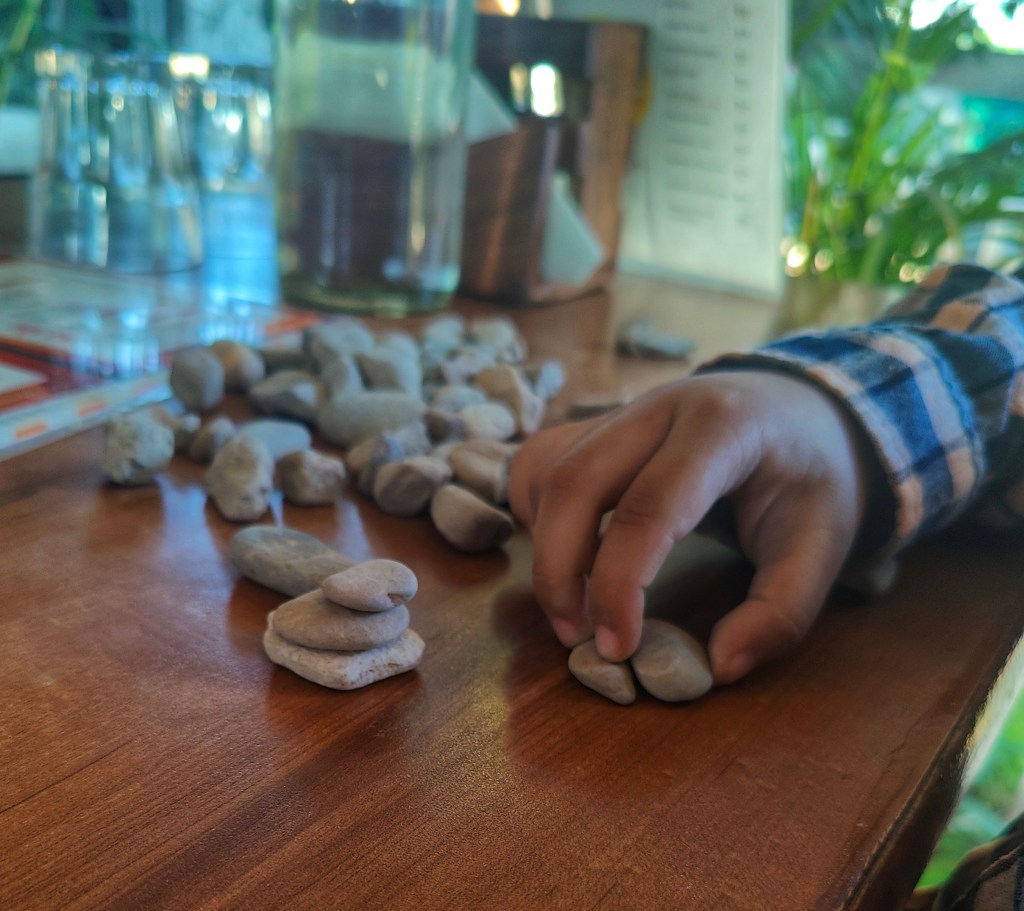
Thank you for reading, we hope you enjoyed the article!

Like, share and follow. 🙂

https://www.facebook.com/Dr.ChandrimaDebi/

https://www.instagram.com/debichandrima/

https://www.sumanmitra.com/

https://linktr.ee/chandrimadebi

©All images and content are subjected to copyright

© 2023 chandrimadebi http://www.chandrimadebi.com