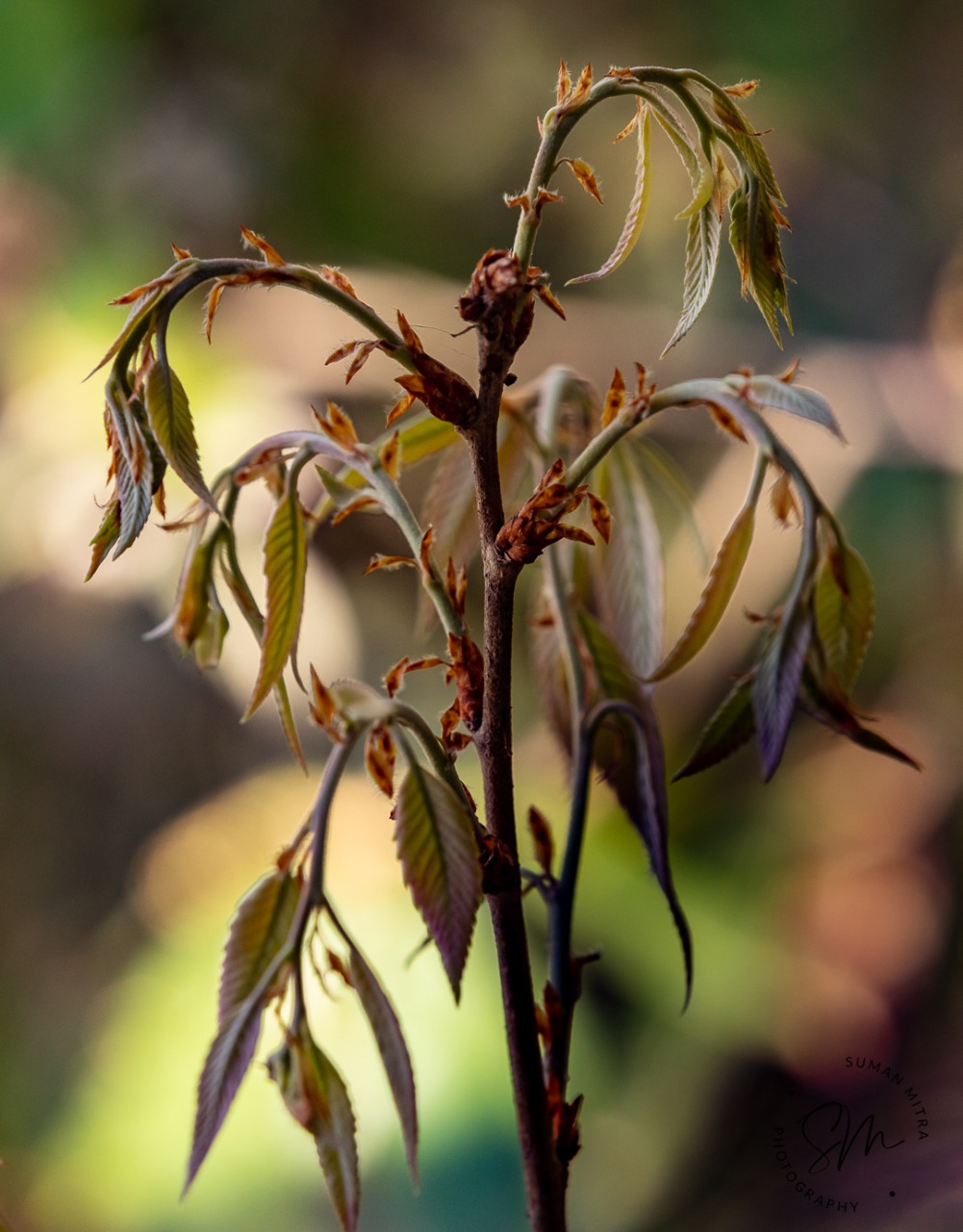
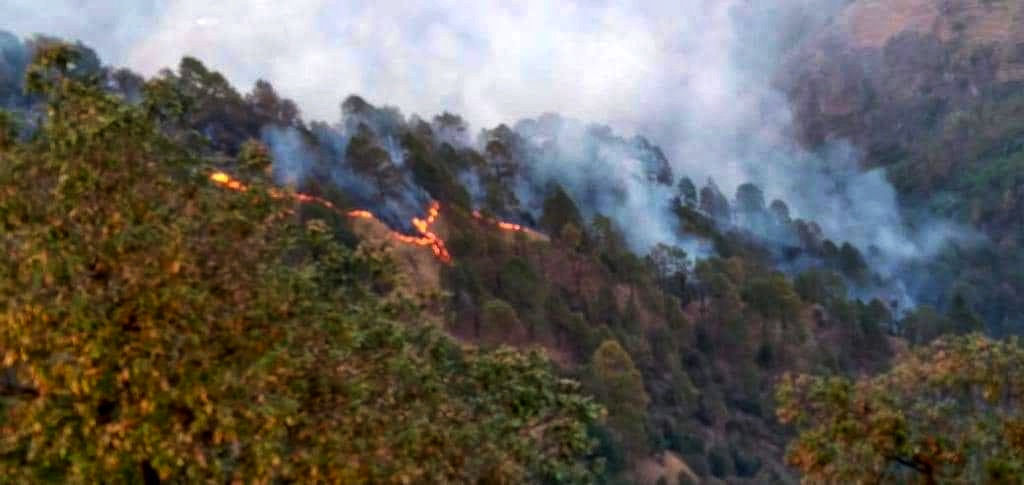
Biodiversity around me: Landour, Mussoorie

Three years ago, little did I know about the biodiversity in and around Mussoorie. I relocated to this beautiful hillside of Landour just after marriage and was deeply fascinated by the beautiful landscape and rich biodiversity. The whistling Himalayan breeze blowing through the tree leaves endows life and hope in each and every corner of this beautiful hillside. With the changing seasons these evergreen trees always add charm and continue to succor the ecology and biodiversity. Diverse species of flora and fauna have taken shelter in this beautiful hillside. These biodiverse hillside has always inspired and motivated me. So, here I am penning down few of my observations associated with rich biodiversity in the area.

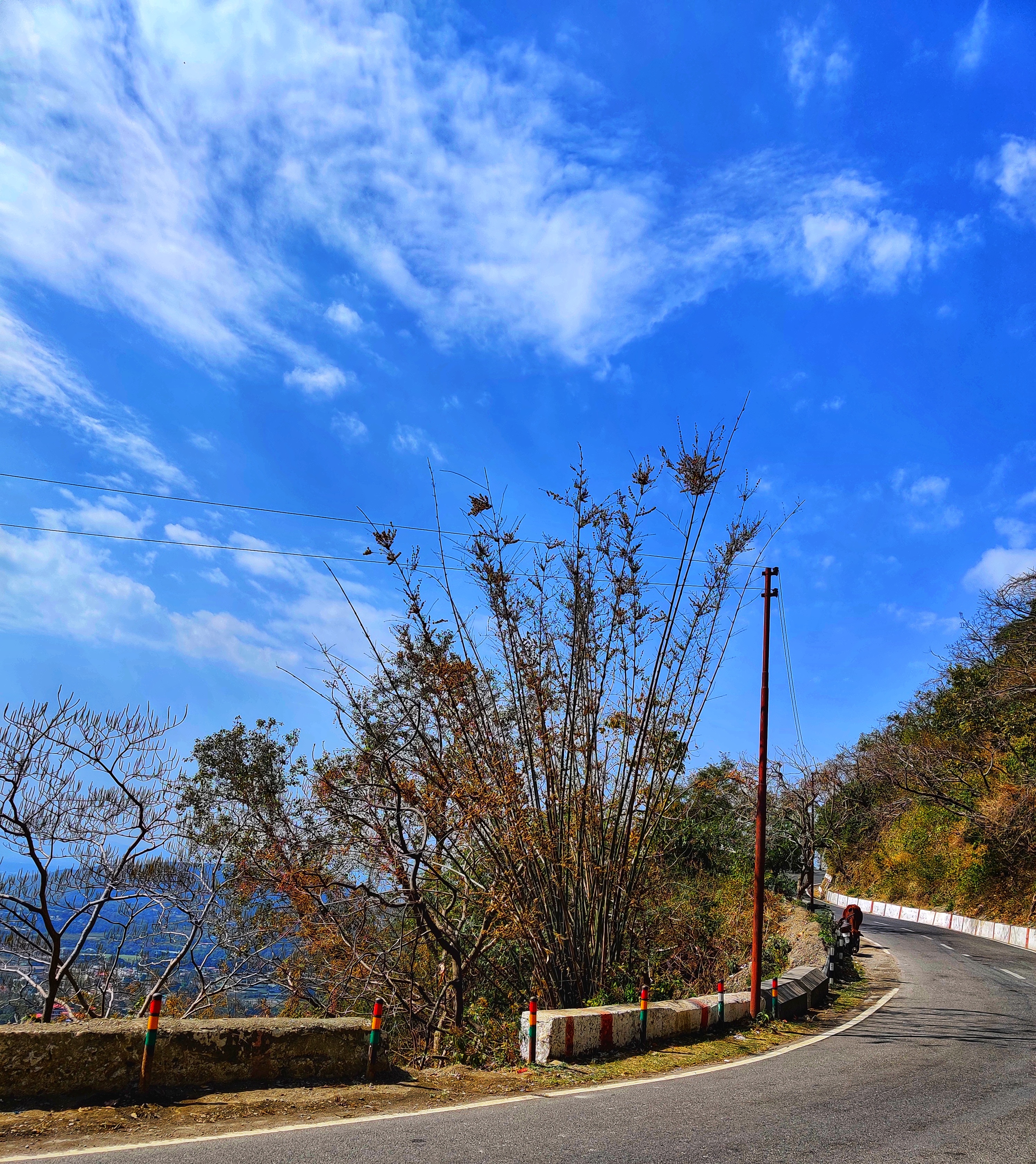
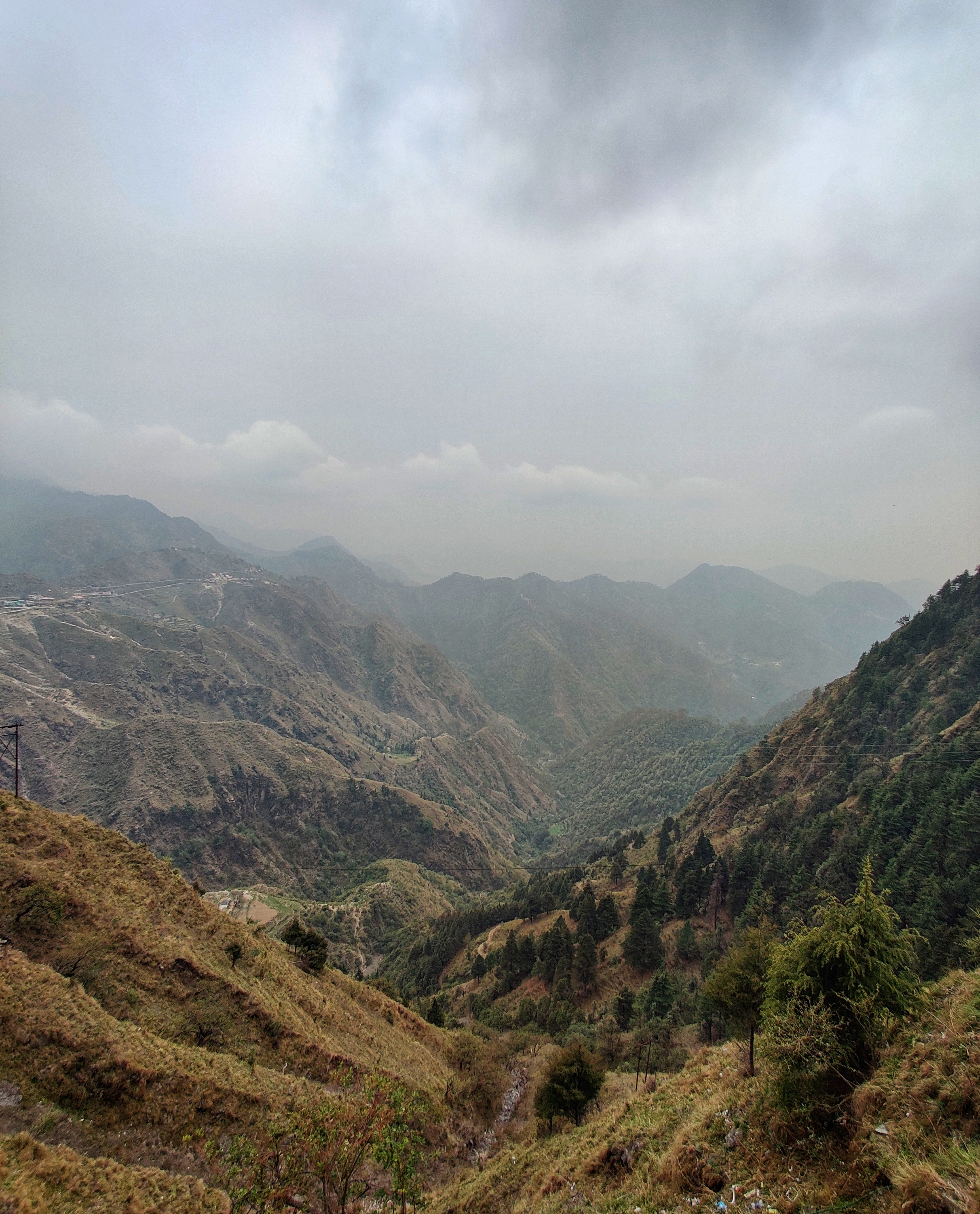
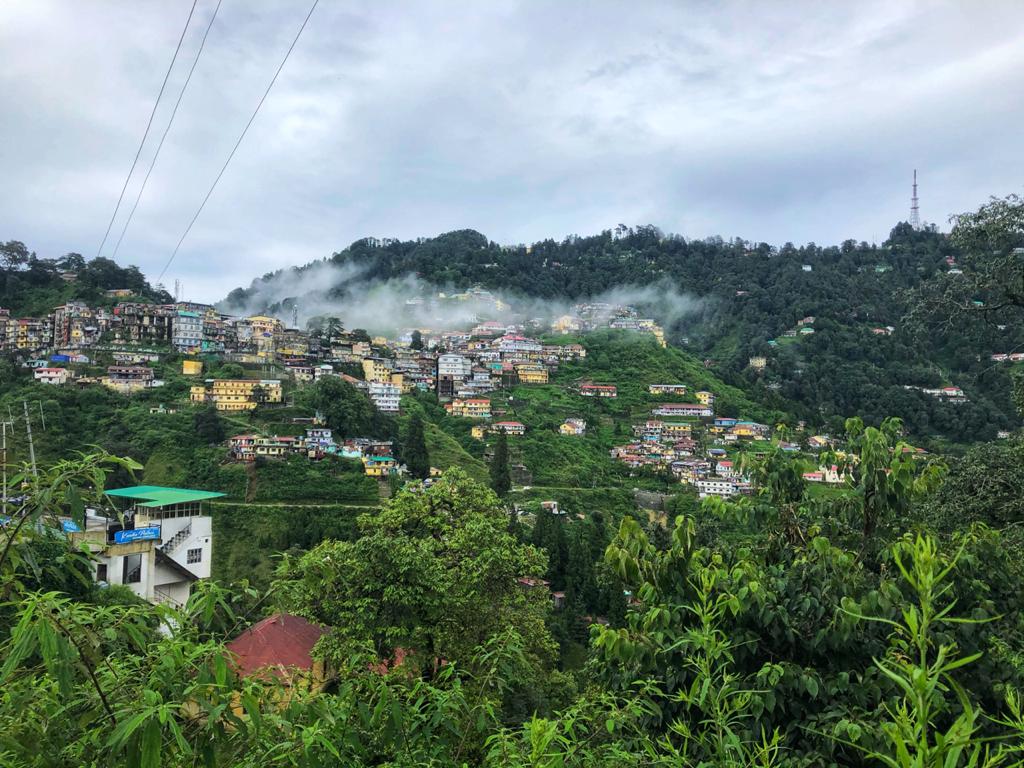
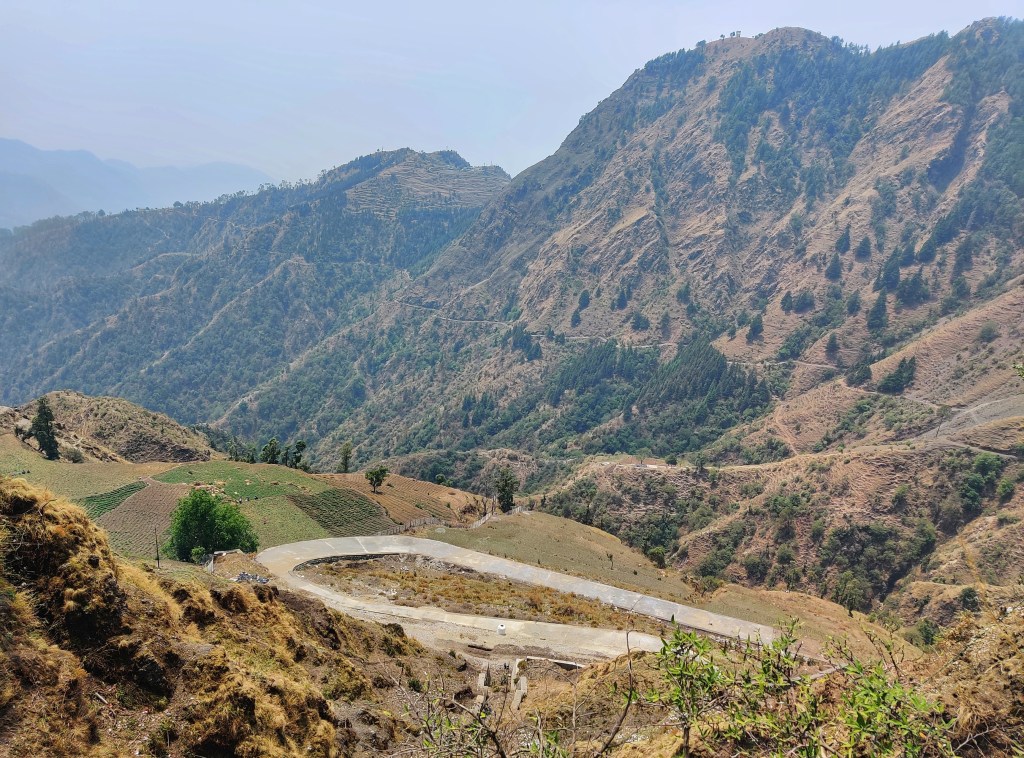
©Panoramic view of Landour, Mussoorie
©Woodstock school, Landour, Mussoorie

Two years ago, I observed fireflies in the area. Landour is located in the Lower Western Himalaya, in the Mussoorie Range. As summers have become comparatively more warmer in Landour, Mussoorie, fireflies were sighted more than usual across the region. During my interaction with the local people in Landour, I found that they have not seen fireflies in the area in recent years. I also noticed, sudden increase in the count of fireflies. There are various reports which show that with the change in the global climatic conditions the ecological habitat and distribution of the fireflies is also changing. These fireflies resemble as ‘Nature’s Lanterns’ to me. The article got published in a national science magazine (Down to Earth).

http://atomic-temporary-163018052.wpcomstaging.com/2020/10/25/natures-lanterns-are-dimming/

©Fireflies near Woodstock school, Landour Mussoorie

While hiking in the hills nearby, I observed unusual high count of Yellow coster butterfly in and around Landour, Mussoorie. The Yellow coster butterfly is found mainly along foothills, but high pollution levels and ecological disturbance of their habitat in Dehradun valley might have compelled these creatures to migrate to lesser Himalayas. Yellow coster’s life is surrounded with many dangers during their entire life cycle due to predation. One of the common predator of Yellow coster is spider.

©Yellow coster and chrysalis trapped in spider web

They often use entrapment by weaving web to trap butterflies who get struck in their sticky net and slowly succumb to death. During field observation I found the chrysalis as well as adult butterfly entangled in spider web in wired fencing. Despite having green cover, the larva of Yellow coster chose wired fencing to metamorphose. Eventually, spiders must have discovered them and wove spider nets around them and ultimately causing death of butterflies. I tried to capture the spider through lens but unable to identify the species. There are many reports on spider predation on butterfly. Although I couldn’t identify the species, the region has different species of spiders also.

http://atomic-temporary-163018052.wpcomstaging.com/2020/09/14/yellow-coster-butterfly-predation/

©Yellow coster butterfly

This hillside is home to many mountain birds. The morning orchestra of the birds greets with a pleasant day. The Blue whistling thrush wishes pleasant good morning through its melodious song, the sunbirds hop from branches and leaf to lead sometimes get puzzled in themselves, woodpeckers, owls, coucals, drongos, orioles and many more. The chorus of the cicadas are also distinctively audible these days. The Great Barbet often comes to sit on the top branches of the Oak trees and sings it’s loud, unmusical call to mark its presence. The jungle cacophony continues till dark when Mountain Scops Owl whistles to its tune and Barn swallows busy making nests. Few days back I heard Himalayan cuckoo singing in the dense thickets.

http://atomic-temporary-163018052.wpcomstaging.com/2021/02/20/an-ode-to-the-swallows/

©Barn swallows in the nest, Mussoorie

Beside birds, different varieties of butterflies and moths also do pay visit. The troop of Langoors and monkeys can often be seen relishing new leaves and acorns. Pine martens secretly hovers around during night. Honey bees also hover around these freshly bloomed flowers.Besides, above mentioned species of birds and animals, Leopard sighting is also common in the area.

http://atomic-temporary-163018052.wpcomstaging.com/2021/05/02/whose-forests-are-these/

©Langoor on Oak tree branches

While human beings are under lockdown during corona pandemic, the wildlife is thriving in different parts of the world. This small hillside of Landour, Mussoorie is also bustling with different species of Himalayan birds and animals. One can experience spotting wildlife in most unexpected terrains and mountain tracts. Recently, I found Himalayan Gorals in the area. The Himalayan Goral (Naemorhedus goral) is a member of Bovidae family. They are found in the Himalayan region, at an elevation between 1000 and 4000 m. These social animals live in herds. It is listed as Near Threatened on the IUCN Red List due to declining and hunting. They are also expert climbers and can easily camouflage with the natural environment. Gorals must have ventured the site in search of food and curiosity.

http://atomic-temporary-163018052.wpcomstaging.com/2021/05/15/bustling-wildlife-amidst-pandemic-himalayan-goral/

©Himalayan Goral, Mussoorie

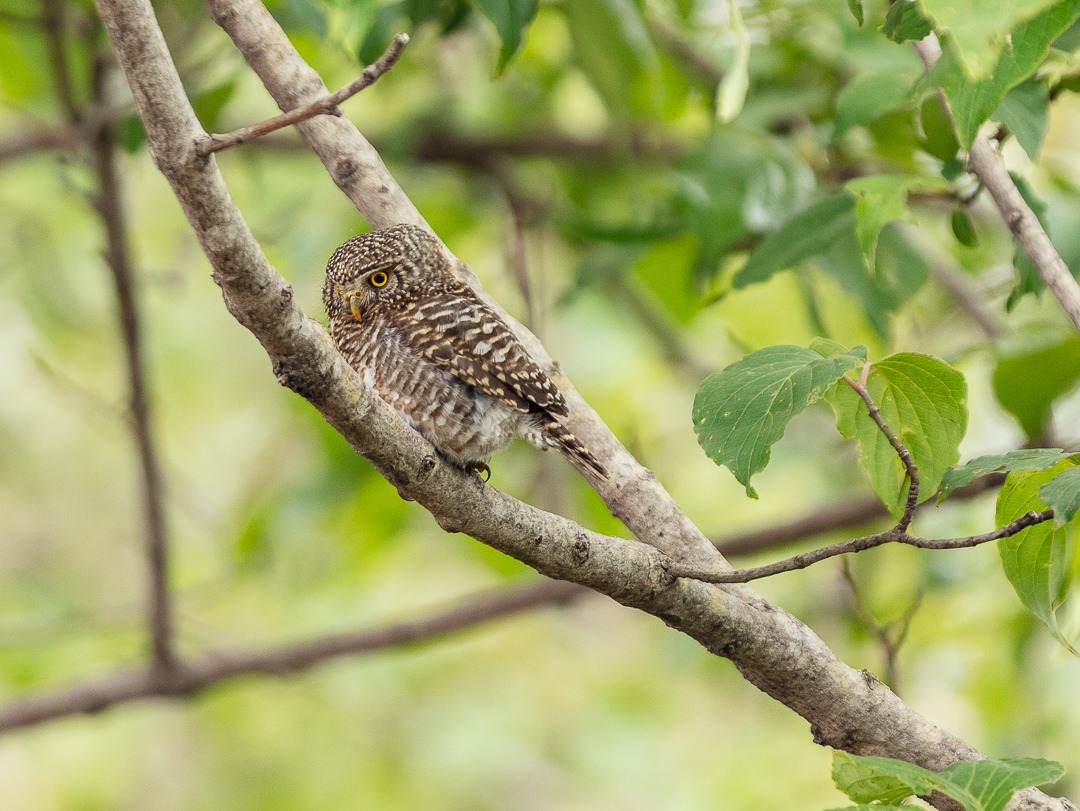
Few days ago while hiking, I spotted this little owl camouflaged in the woods. The profused branches stealthed the little bird from casual eyesight. The Collared owlet (Glaucidium brodiei) also  known as the Collared Pygmy Owl is the smallest Owl in Asia. This cute little bird of prey can be easily identified by the help of eye spots on each side of the nape. It is also known as “occipital face”. This diurnal bird makes a distinct call,  also called as mellow whistling.

http://atomic-temporary-163018052.wpcomstaging.com/2021/05/18/collared-owlet-collared-pygmy-owl-landour-mussoorie/

©Collared Pygmy Owl

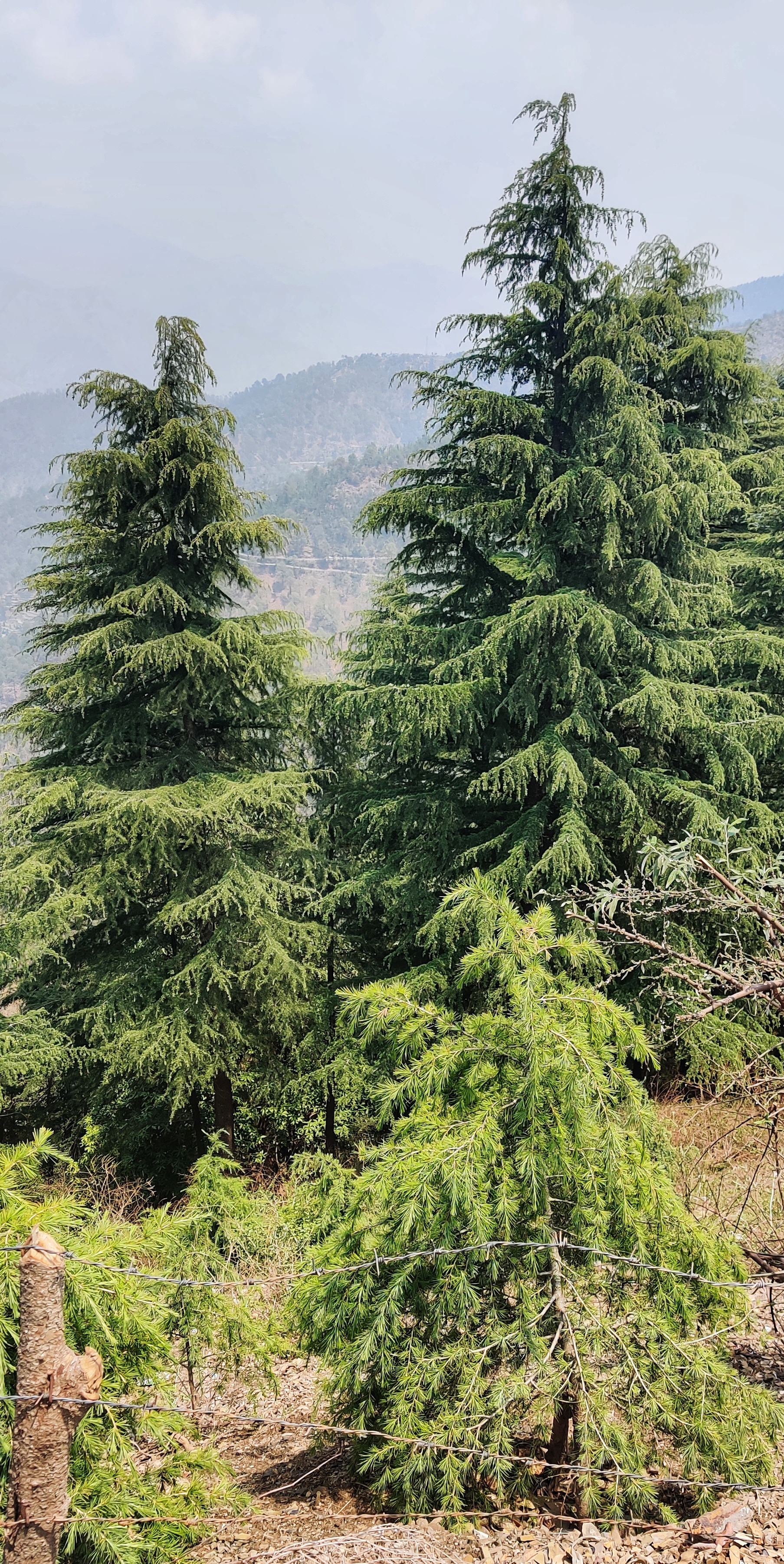
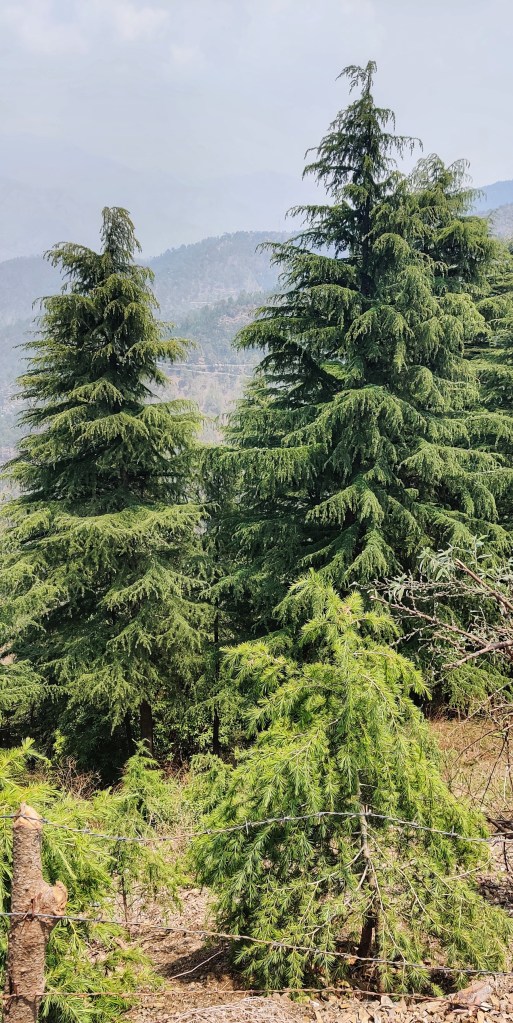
While the world is suffering due to high pollution levels and congestion in the cities, this hillside is endowed with refreshing mountain breeze, every nook and corner of this mountain side with bliss and positivity. The hustling leaves, swaying pines and the wild flowers, distant cymbal of cicadas and song of mountain birds. The nature is  in perfect tune with the divine rhythm of life.

http://atomic-temporary-163018052.wpcomstaging.com/2021/05/06/a-bewildered-profusion/

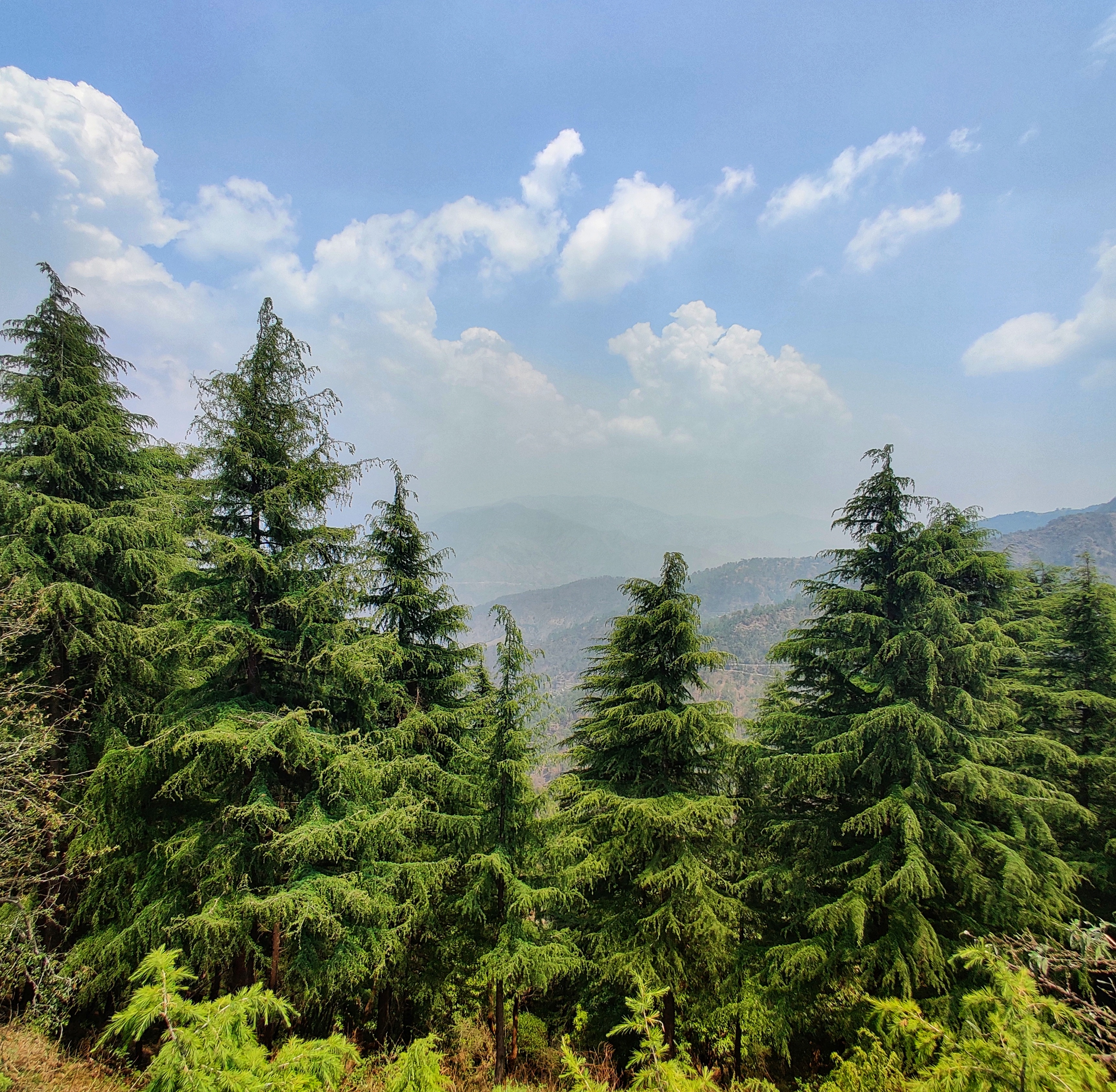
©Deodar trees, Mussoorie

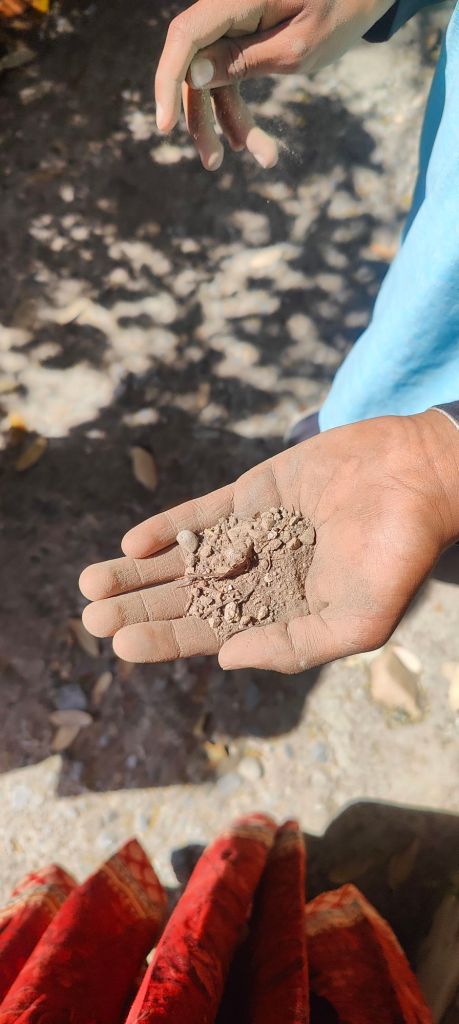
My encounters with diverse geologic terrains and the complex interaction of climate, soils and rocks, water, animals, (including insects and fungi) and plants as the defining elements of a natural forests inspired me to study the biodiversity in the area.

http://atomic-temporary-163018052.wpcomstaging.com/2020/03/27/geology-around-woodstock-school-mussoorie/

©Woodstock school,Landour, Mussoorie

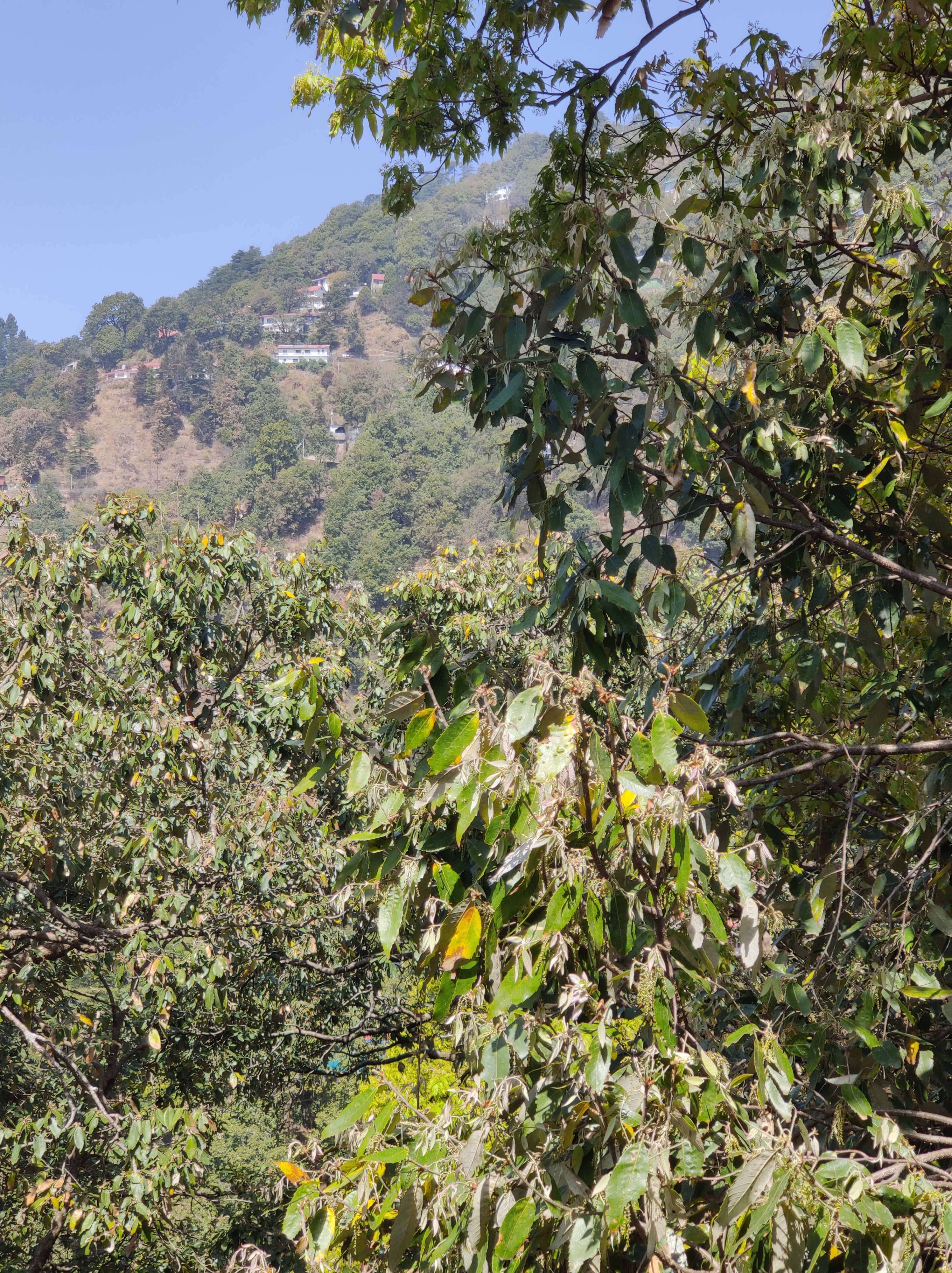
The area around my residence is surrounded by thick patch of mixed Oak and Pine forest with occasional Rhododendron and Maple trees. There is a big Oak tree just outside my window and I am highly influenced and inspired by it.

http://atomic-temporary-163018052.wpcomstaging.com/2021/01/17/oak-tree-beside-my-window/

©Oak tree beside my window

The Oak tree is a climax species in the region. Besides being significantly important to ecology, Banj Oak tree supports wide biodiversity. It provides fuelwood, fodder and timber and plays a vital role in conservation of soil from erosion and landslide, regulating water flow in watersheds and maintaining water quality in streams and rivers, and support high native floral and faunal diversity, thereby providing numerous ecosystem services to mankind in the region. Different parts of the plant such as seeds, leaves, fruit and dry gum resin is used to cure various ailments such as toothache, diarrhea, asthma, hemorrhages, tonsillitis and snake bite.

http://atomic-temporary-163018052.wpcomstaging.com/2021/03/29/oak-tree-flowers-landour-mussoorie/

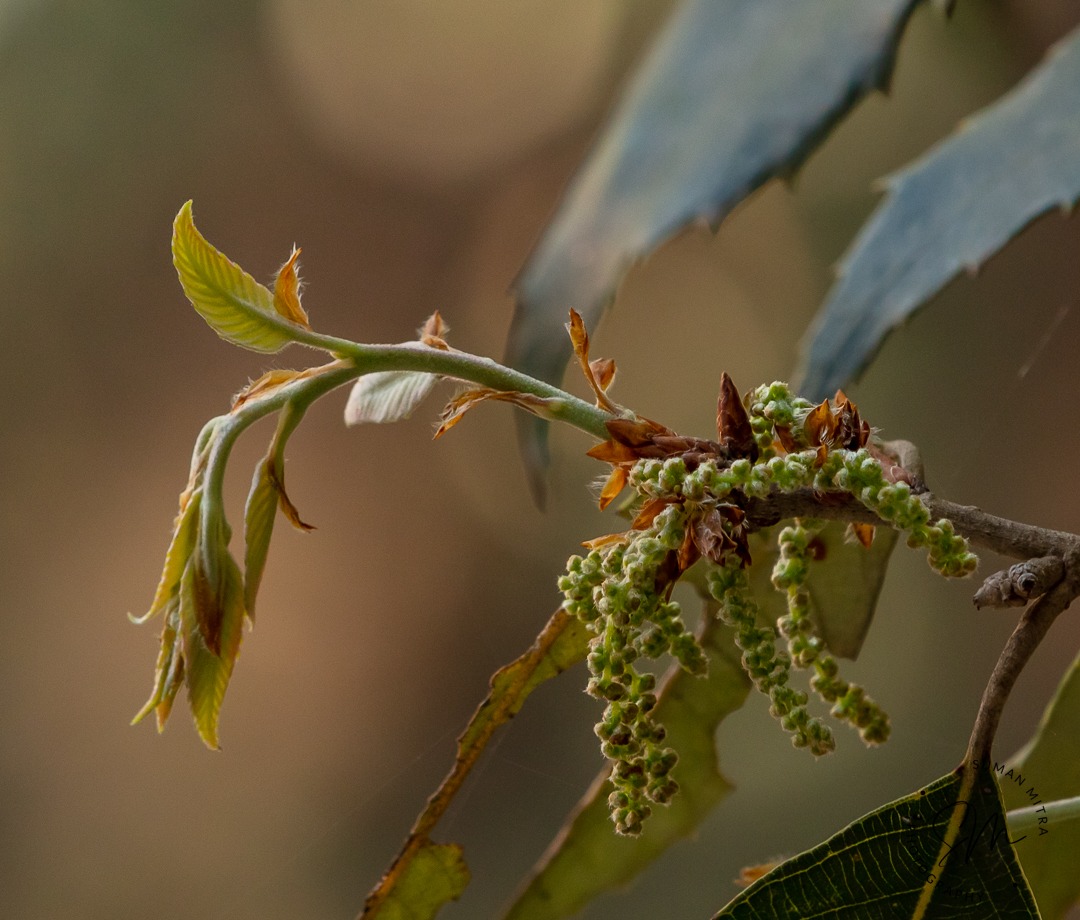
©Oak tree flowers

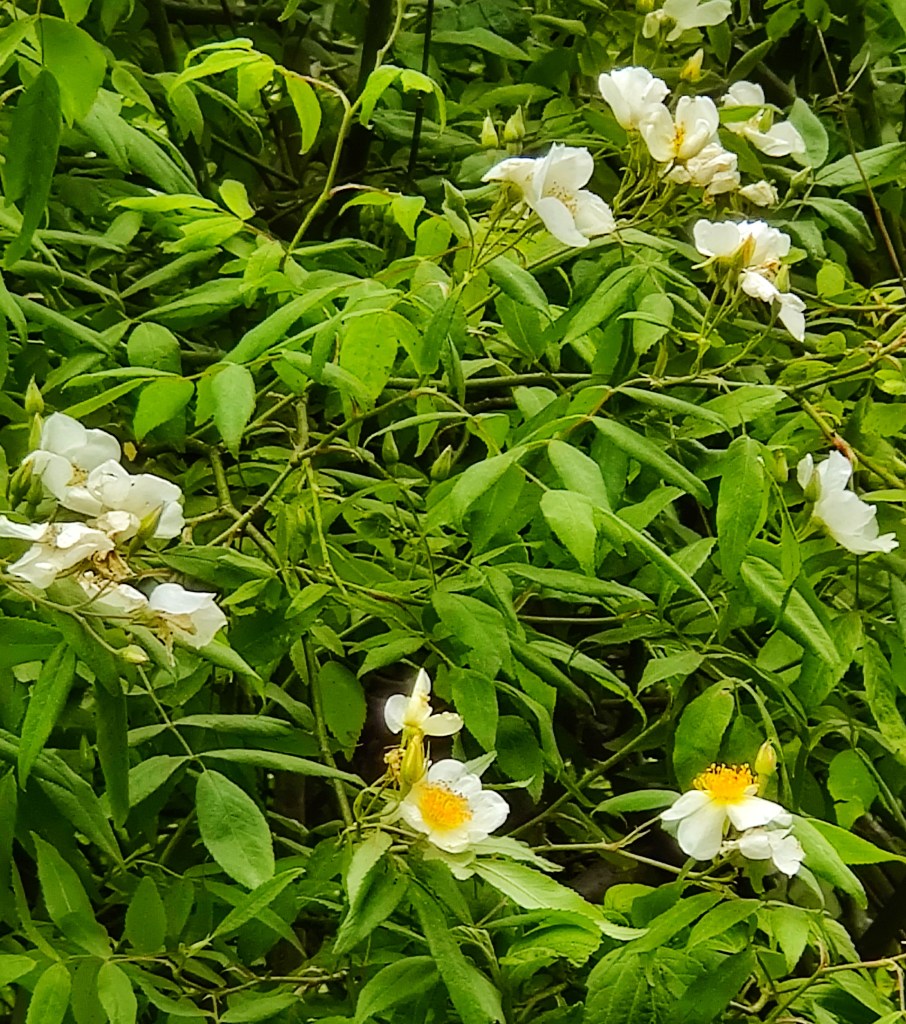
Recently, there was gregarious blooming in Oak tree. The inflorescence of Oak tree is very interesting.  Besides, I have seen various trees blossoming with vivid shades of red, yellow, white and pink in the forests.

http://atomic-temporary-163018052.wpcomstaging.com/2021/04/27/where-have-all-the-flowers-gone/

©Oak tree flowers, Landour, Mussoorie

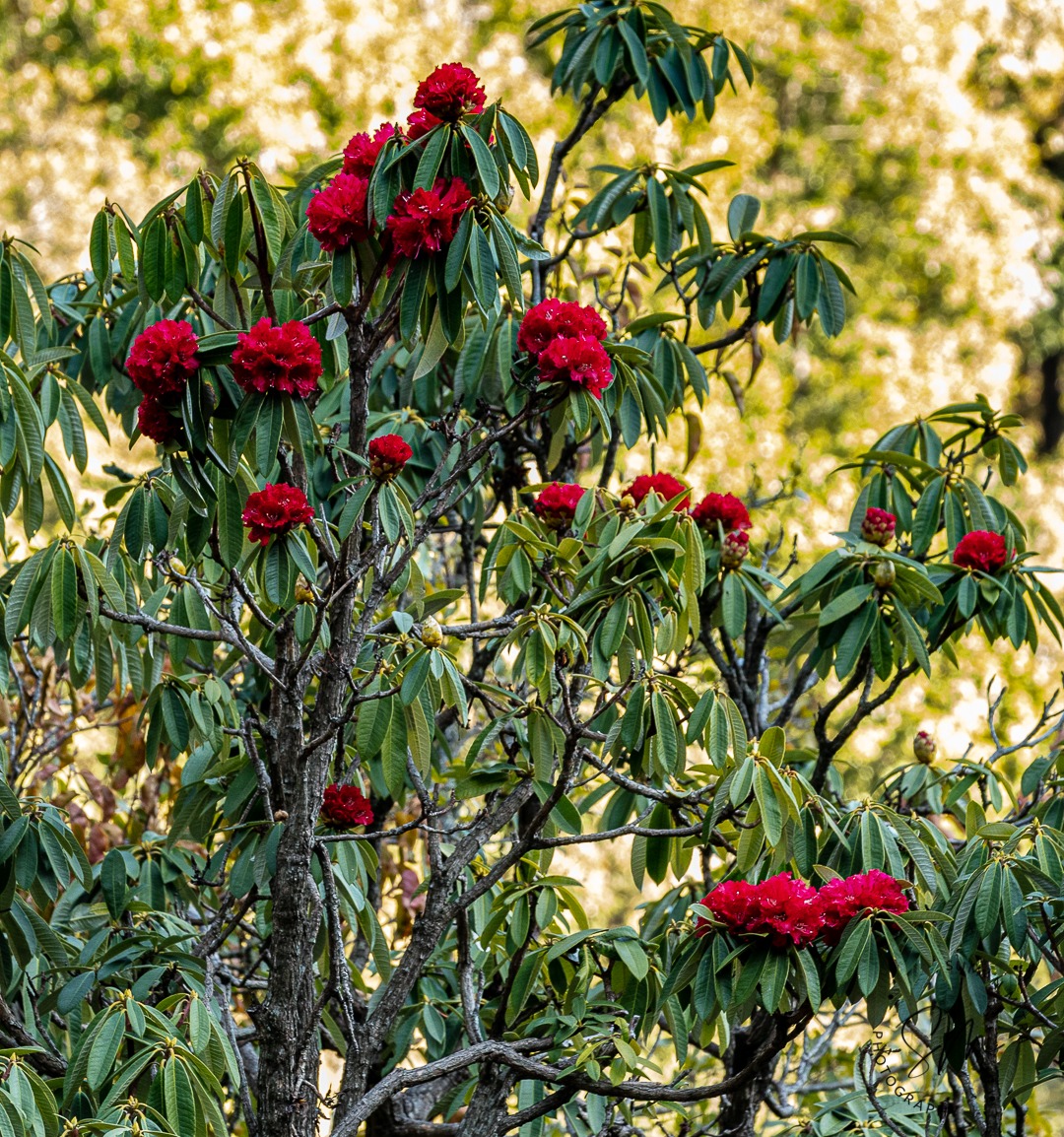
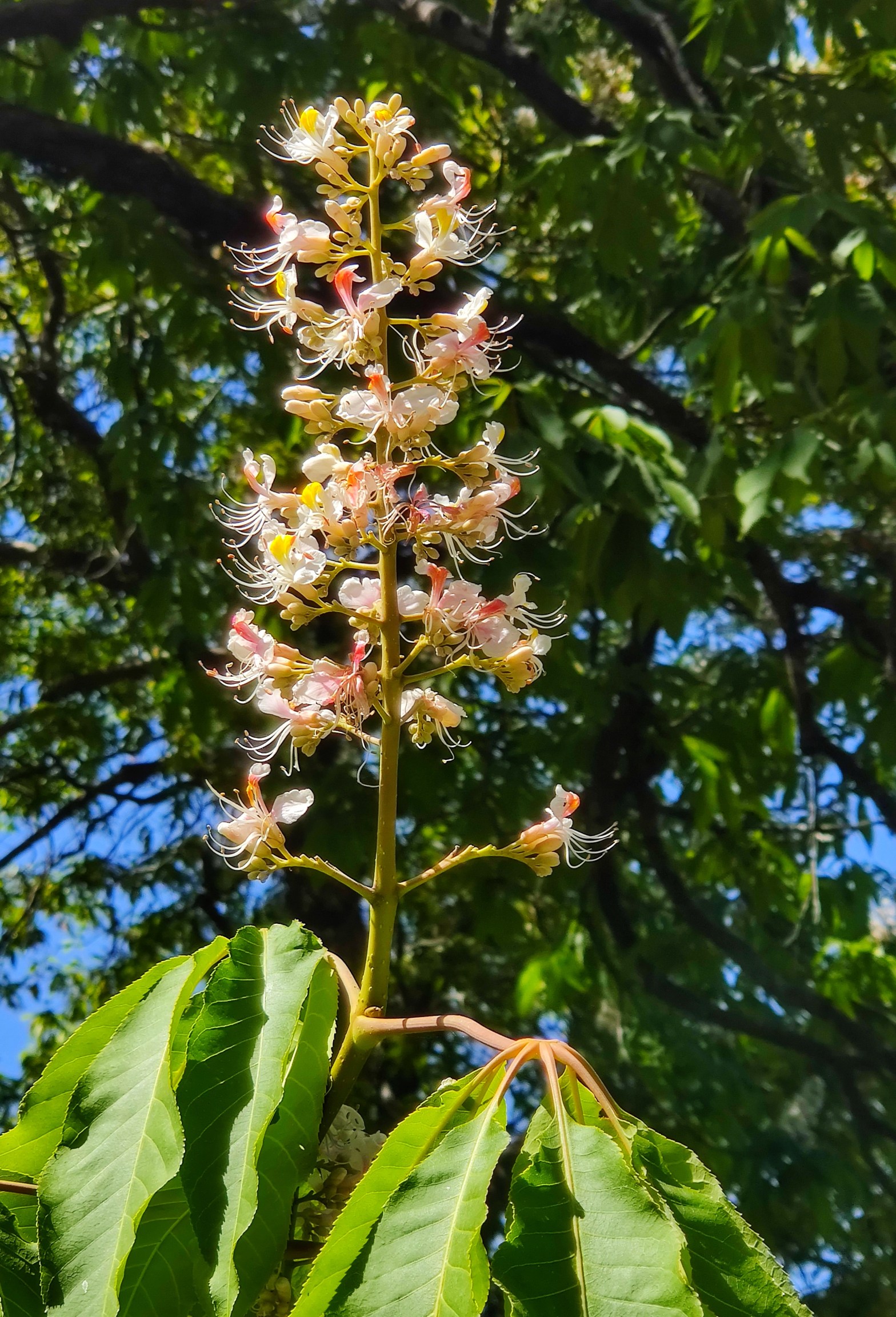
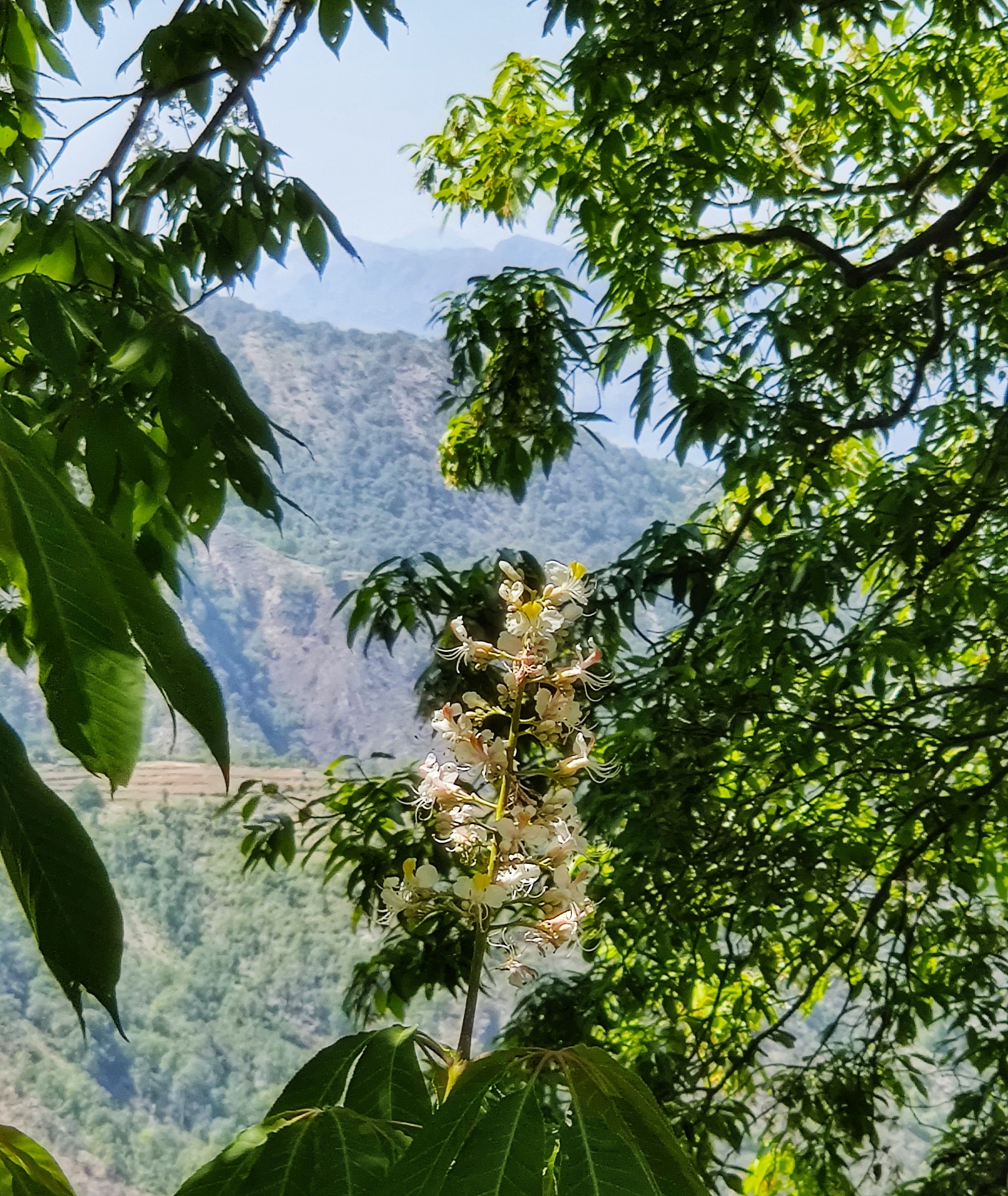
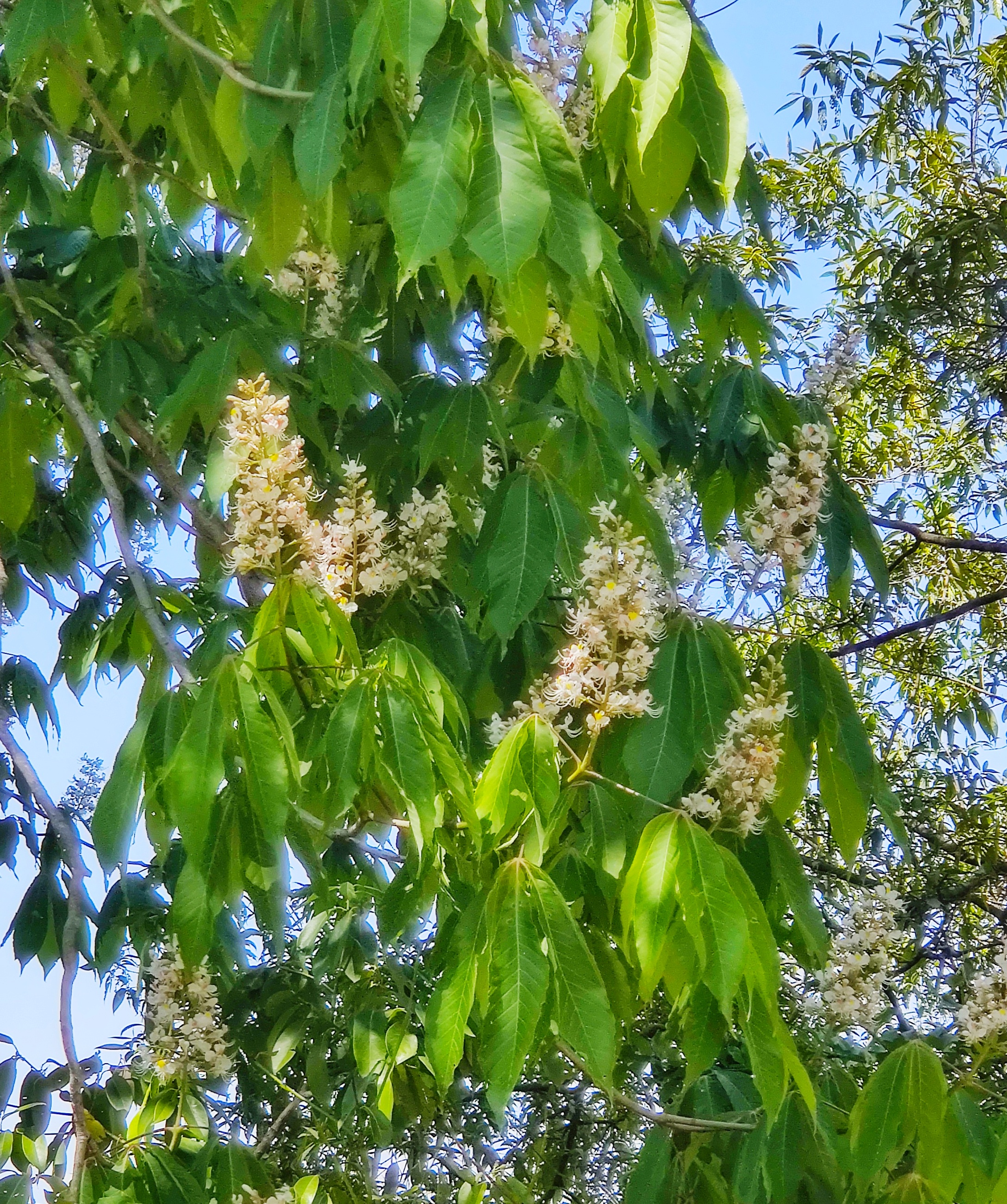
Rhododendrons (known as burans locally) and Reinwardtia sp.(phyuli), Kachnar (Bauhinia sp.), Horse-chestnut trees, wild daisies and Rumex. Due to global climate change, early blooming of Rhododendrons was observed in the lesser Himalayas (Landour, Mussoorie).

http://atomic-temporary-163018052.wpcomstaging.com/2021/02/13/rhododendrons-and-a-tale-of-love/

©Rhododendron in full bloom, Landour Mussoorie
©Horse-chestnut flower

The Rhododendrons are usually are in full bloom during the month of March , but this year they started flowering since the end January. Climate change will have adverse affect on the pollination ecology alongwith bird and insect behaviour.  

©Rhododendron tree with flowers

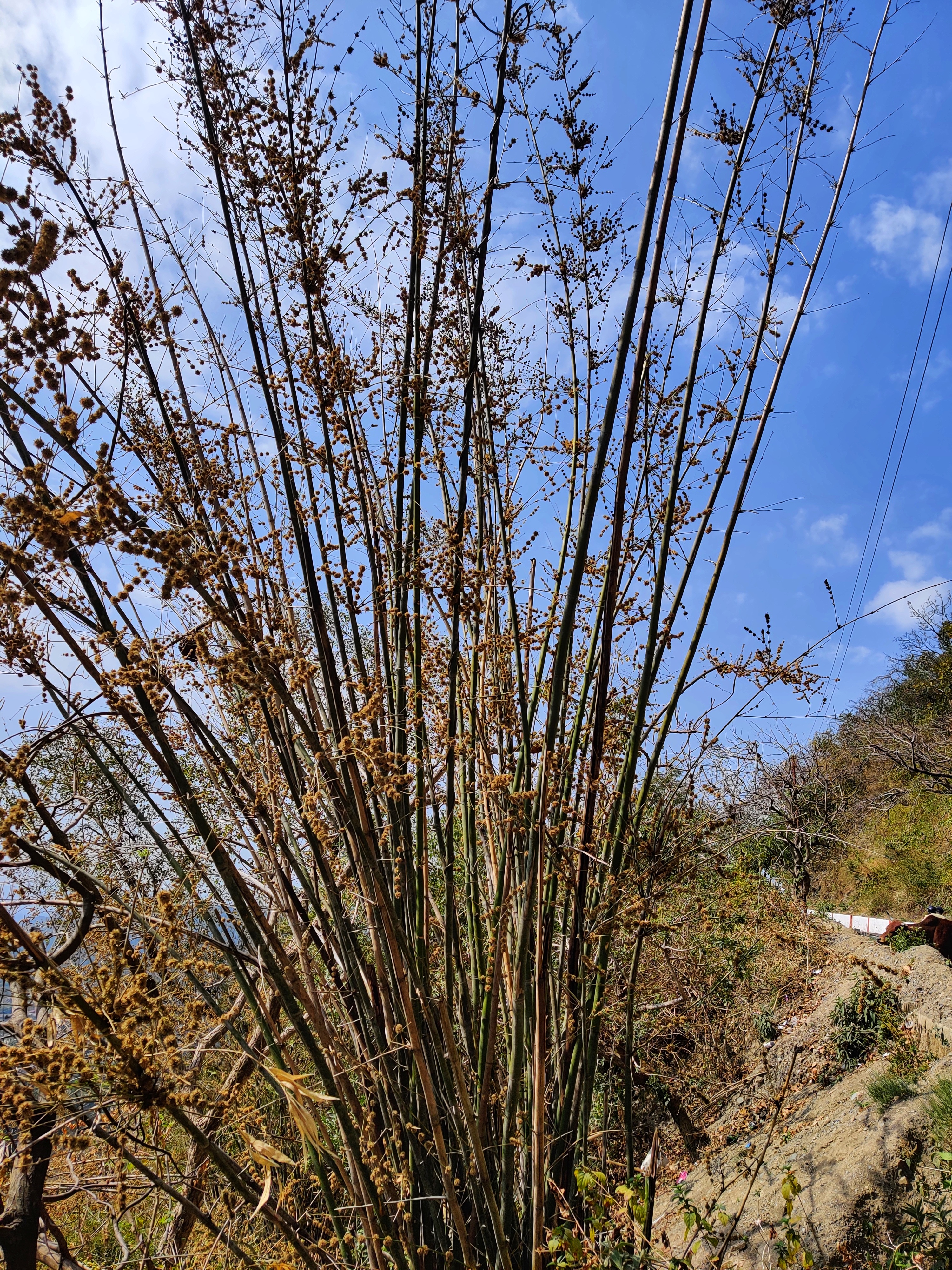
But, I was startled by the sight of Bamboo flowering along the hilly roadside of key roadway connecting Mussoorie and Dehradun (Mussoorie to Dehradun road). I was happy to see flowers of bamboo, as its a rare phenomenon but at the same intrigued also, because flowering in bamboo is not considered as a good omen in different parts of the world.

http://atomic-temporary-163018052.wpcomstaging.com/2021/02/28/bamboo-flowering-natures-alarm/

©Bamboo flowering, Mussoorie
©Synchronous flowering of Bamboo, Mussoorie

I also celebrated Phool Dei festival which is a traditional festival of Uttarakhand. It celebrates the close knit relationship between man and nature.

http://atomic-temporary-163018052.wpcomstaging.com/2021/03/14/phool-dei-celebrating-nature-and-mankind/

©Flower bed

I found certain forage species in the vicinity of Landour, Mussoorie. I experienced locational ecological variance of phytodiversity due to altitudinal variation. It happened so, when I celebrated Green Diwali. Landour, Mussoorie is located in lesser Himalayas with altogether different geographical topography as compared to West Bengal and Assam.

http://atomic-temporary-163018052.wpcomstaging.com/2020/11/16/foraging-in-the-wild-celebrating-green-diwali/

©Floral Rangoli

So, I was pretty sure that I wouldn’t find the traditional Bengali 14 shaak/foliage in this terrain. But where there is will there is a way, I made my mind to collect locally available edible green leaves/ herbs to prepare authentic 14 shaak recipe and traversed through various woodlots, thickets in and around Landour to explore wild edible leaves/foliage.

©Stinging nettles

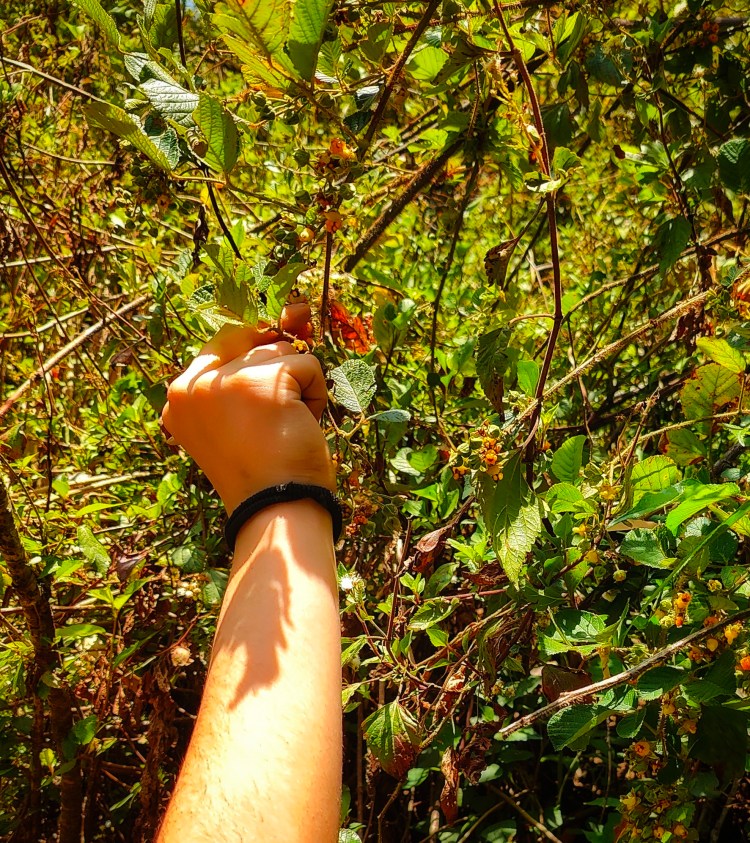
During the course I came across Common nettle also locally known as Kandali (Urtica dioca L.); Black nightshade also locally known as  Khalarkoi (Solanum nigrum L.); Timru (Zanthoxylum alatum Roxb.); Bathua saag (Chenopodim album); Khatti-mithi (Oxalis corniculata L.); Bhangjeera (Perilla frutescens (L.) Britton); Almoda (Rumex hastatus D.Don);  Kanalya (Fagopyron esculentum Moench.);  Dandelions (Taraxacum officinale Weber) and many more. The edible leaves of these plants are used in the preparation of some local dishes and have immense medicinal value.

©Rumex sp.

These plant species are so intricately associated with the lives and faith of the local people here. I was overwhelmed, when I found Oak being worshipped in a temple near Mussoorie.

http://atomic-temporary-163018052.wpcomstaging.com/2021/04/05/holy-oak-tree-worship-of-oak-tree/

©Holy Oak tree

I also came across an old temple on Mussoorie-Dehradun roadway. The temple on the hilly roadside was constructed on a boulder and the very foundation of which was supported / bulwarked by a Bhimal tree (Grewia optiva). Bhimal tree is a very important and multipurpose forest tree species.

http://atomic-temporary-163018052.wpcomstaging.com/2021/03/07/natures-bulwark-bhimal-tree-grewia-optiva-securing-a-temple-mussoorie/

©Temple supported by Bhimal tree

Although I have penned few of my experiences, the information presented in this blog is far from complete. However, effort is to collect information and continue studies and further update more information  and go on for the quest of knowledge of the biodiversity of this particular area.

During recent years I have observed deteriorated ecological condition of these beautiful trees in Landour and adjacent areas. There are frequent incedences of forest fire in the area.

http://atomic-temporary-163018052.wpcomstaging.com/2021/04/21/recurrent-forest-fires-landour-mussoorie/

©Forest fire near, Landour, Mussoorie

The rapid urbanisation and expansion of the Mussoorie and adjacent areas is paving way for ecological as well as habitat degradation and the adjacent forests and environment are facing challenges. Alongwith the huge influx of tourists, garbage littering has always been a major issue in the hillside.

http://atomic-temporary-163018052.wpcomstaging.com/2021/03/27/passive-degradation-of-himalayan-ecology-oak-trees-in-landour-mussoorie/

©City expansion and new settlements, Landour, Mussoorie

But apart from the above mentioned issues, there is an important aspect which I like to draw attention through the article. The Oak, Pine and Deodar forests are also dying slow death due a botanical component also, climbers and vines. Nature has its own way of signaling disasters. Since time immemorial, the signs and signals given by nature and wildlife has averted many disasters. It’s important for us to recognize and decipher the signs and act judiciously to prevent and further protect our race.

©Deodar trees uprooted

I believe humanity is suffering due to the destruction of Forests and the lost wilderness. Forests and wildlife help contain diseases and epidemics from further transmission into humans. Various research studies show that the global rise in temperature has forced iceshelfs and glaciers to melt and further releasing unknown pathogens in the environment. The aftermath of globalisation and urbanisation has created ecological imbalance. Now, neither science nor capital can bring back the departed souls.

©Creepers on trees

The knowledge and conscience which we have gained today comes from nature, and primitive forests. The rich biodiversity in our surroundings and forests are great teachers and through ages they have taught us humility and respect for each other and also towards the environment.They have inspired to inculcate healthy and happier approaches to lead life. Our brains have evolved in such a manner that even today one finds solace and tranquility in the arms of nature and pristine forests. Forests and biodiversity within play an important role from birth till death of a human life. They are the avenues which have clues to solve the greatest wonders.

http://atomic-temporary-163018052.wpcomstaging.com/2021/04/25/a-ray-of-hope-landour-mussoorie/

©One morning in the hillside of Landour, Mussoorie

Thank you!!!

https://www.facebook.com/Dr.ChandrimaDebi/
https://www.instagram.com/debichandrima/
https://www.facebook.com/SumanMitraPhotography
https://www.sumanmitra.com/
@chandrimadebi
©All images and content are subjected to copyright
© 2019 – 2021 chandrimadebi.com

biodiversity blog blogger blogging botany climate change clouds conservation deforestation Dehradun early childhood education ecology education environment environment education featured flora flower forest forestschool geology Himalaya Himalayas Landour Mussoorie nature nature-photography nature based learning nature education nature walk outdoor outdoor education photography plant poem poetry responsible tourism science travel tree tree-photography Uttarakhand wilderness wildlife writing

https://www.instagram.com/debichandrima/

Collared Owlet / Collared Pygmy Owl: Landour, Mussoorie

Today while hiking, I spotted this little owl camouflaged in the woods. The profused branches stealthed the little bird from casual eyesight. The Collared owlet (Glaucidium brodiei) also known as the Collared Pygmy Owl is the smallest Owl in Asia. This cute little bird of prey can be easily identified by the help of eye spots on each side of the nape. It is also known as “occipital face”. This diurnal bird makes a distinct call, also called as mellow whistling.

©Collared owlet (Glaucidium brodiei) Collared Pygmy Owl
*Mellow whistling of Collared Owlet

Although the natural habitat of the owl is mainly submontane and montane forests, it prefers habitat varying from evergreen forests, forest edges, mixed deciduous-evergreen forests with oak, rhododendron and pine and often in open woodlands with scrubs and sometimes around agricultural lands. They don’t create their own nest but are secondary cavity-nesters. They nest in hollows or chambers created by woodpeckers and barbets.

©Collared owlet (Glaucidium brodiei) Collared Pygmy Owl

This small hillside of Landour, Mussoorie is bustling with different species of Himalayan birds and animals. The rich biodiversity and the natural environment of the area is remarkable and one can experience spotting wildlife in most unexpected terrains and mountain tracts. While human beings are under lockdown during corona pandemic, the wildlife is thriving in different parts of the world.

©Near Landour, Mussoorie

Even the species is under Least concern status of IUCN conservation status, it is facing constant threat from habitat destruction, deforestation, forest fire and agricultural malpractices.


Thank you!!!

https://www.facebook.com/Dr.ChandrimaDebi/

https://www.instagram.com/debichandrima/

Picture courtesy
https://www.facebook.com/SumanMitraPhotography

https://www.sumanmitra.com/

*https://www.xeno-canto.org/species/Glaucidium-brodiei

@chandrimadebi
©All images and content are subjected to copyright
© 2019 – 2021 chandrimadebi.com

Bustling wildlife amidst pandemic: Himalayan Goral

While human beings are under lockdown during corona pandemic, the wildlife is thriving in different parts of the world. This small hillside of Landour, Mussoorie is also bustling with different species of Himalayan birds and animals. One can experience spotting wildlife in most unexpected terrains and mountain tracts.

©Himalayan Goral

It happened so, when I had to rush to the market to fetch groceries amidst lockdown. Enroute I could sense that, once busy and congested mountain roadways, now had very few vehicles moving around. I could feel the fresh mountain breeze and was lost in the breathtaking view of the mountains. But time was ticking fast and I had to reach home before the curfew period started. So I took the shortest route possible and headed forward.

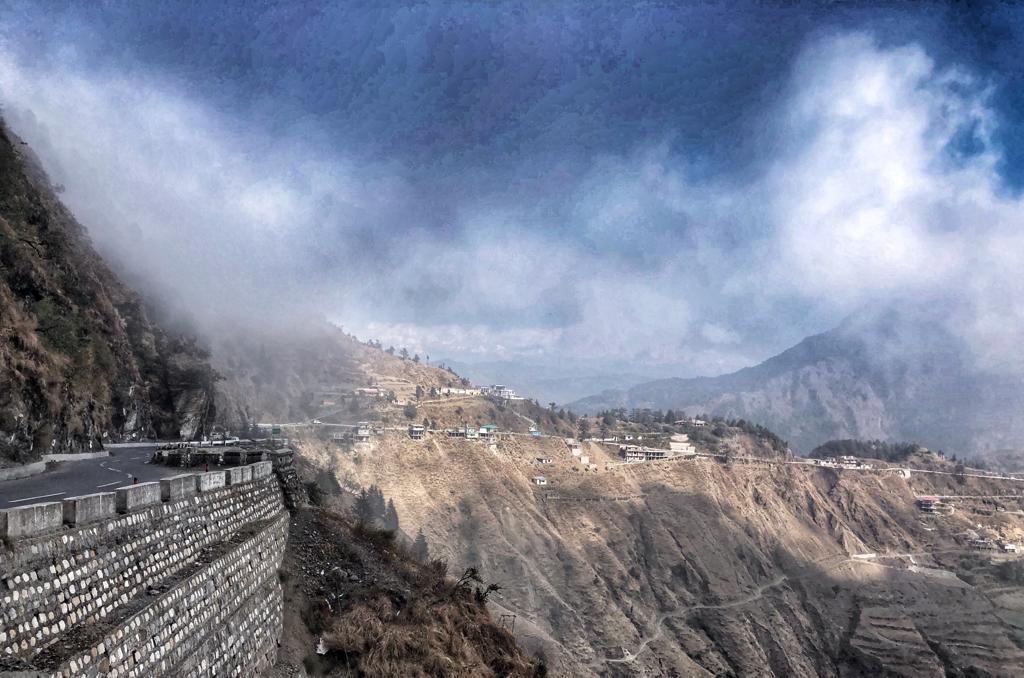
©Once busy mountain roads

No sooner the vehicle started an adult Himalayan Goral came galloping from the rocky mountain slope onto the road, in front of the vehicle and hurriedly made its way across the other side. I was startled at the rare sighting of the Himalayan Goral in this busy part of the mountain bypass road. But to my astonishment, I could see another Himalayan Goral waiting patiently to cross the road. The vehicle engine stopped and I could see the Goral from a very close proximity.

© Agile and alert Himalayan Goral

It was agile and alert and looked at me with its curious doe – eyes. I tried to click some pictures. After somewhile, it followed a small tract in the woods and made sure that there is not any danger on the bypass road and cautiously galloped towards the other side of the woody mountain slope. I was amazed at its calculated and confident jump from the high hills. I hope, it’s companion must be still waiting on the other side. I still couldn’t believe that I could spot a Himalayan Goral in this once busy mountain road. This beautiful moment will always be there in some corner of my mind.

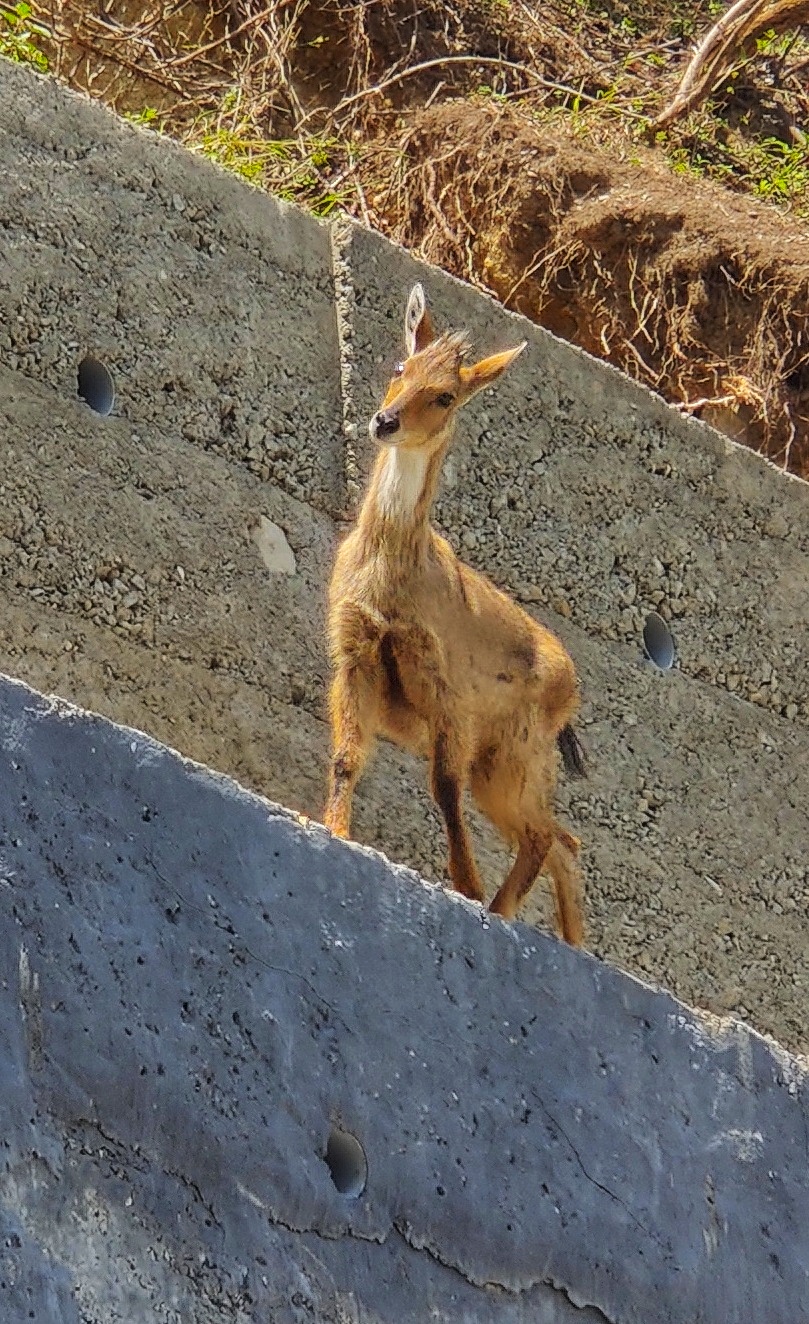
©Goral on the retaining wall

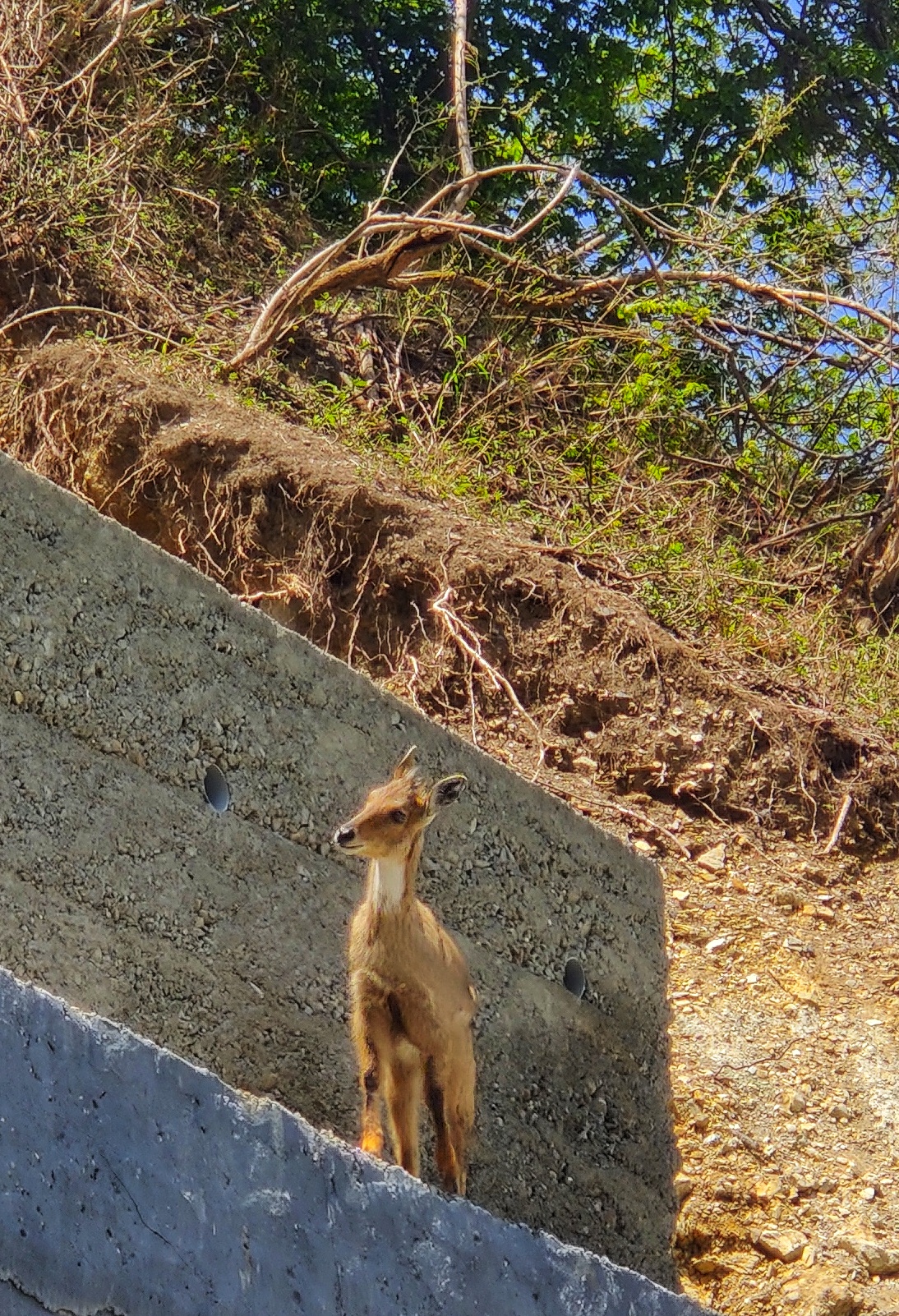
The Himalayan Goral (Naemorhedus goral) is a member of Bovidae family. They are found in the Himalayan region, at an elevation between 1000 and 4000 m. These social animals live in herds. It is listed as Near Threatened on the IUCN Red List due to declining and hunting. They are also expert climbers and can easily camouflage with the natural environment. I could see few human settlements on the hillside along the mountain bypass. Gorals must have ventured the site in search of food and curiosity.

©Closeup view of Goral on retaining wall

I was a student of Forestry, when I first came to know about Himalayan Goral. Memories of my visit to Rajaji National Park, Uttarakhand are still fresh in my mind when our mentor showed us one rocky mountain tract near Dhaulkhand Range and told that it was inhabited by gorals. I tried many times to spot atleast one Mountain Goral but was disappointed everytime. Destiny has its own way, today I not only spotted the species from close proximity but also clicked Himalayan Goral.

©Himalayan Goral in the woods

These wild animals are slowly venturing into man-made landscapes in search of food and water which has imposed threat to their lives. Beside with reports on human-animal conflict and poaching, there are cases of road -accidents also. As humans are mostly confined at home, the pollution levels in the urban, turban and rural areas has decreased which is respite to Mother nature to heal. I was pleased to see wild animals exploring uncharted spaces with the less human interference. Nature has its own way to replenish and heal in a matter of time. The wildlife adapts to the changing environment and if left undisturbed it can heal itself.

©Before the final leap

The web of life is a close-knit structure and nature and mankind are interrelated as well as interdependent. The pandemic has opened our eyes and has forced us to rethink values associated with trees and forests. This intricate relationship of man and wild and has provided an opportunity for us to admire, protect and conserve Nature and wildlife. Today’s incedence reminds me of one of famous movie ‘I am legend’ where world is infectrd by a virus, the wildlife has encroached human settlements and the actor attempts to find a way to reverse the effects of the man-made virus by using his own immune blood. With humanity under lockdown, and wildlife sneaking into cities, I hope that the world recovers fast and Himalayan Gorals won’t have to risk their lives.


Thank you!!!

https://www.facebook.com/Dr.ChandrimaDebi/

https://www.instagram.com/debichandrima/

Picture courtesy

https://www.facebook.com/SumanMitraPhotography

https://www.sumanmitra.com/

@chandrimadebi

©All images and content are subjected to copyright

© 2019 – 2021 chandrimadebi.com

biodiversity blog blogger blogging botany climate change clouds conservation deforestation Dehradun early childhood education ecology education environment environment education featured flora flower forest forestschool geology Himalaya Himalayas Landour Mussoorie nature nature-photography nature based learning nature education nature walk outdoor outdoor education photography plant poem poetry responsible tourism science travel tree tree-photography Uttarakhand wilderness wildlife writing

A bewildered profusion…

Today morning, I hurried to the local market to pick groceries.The moment we entered market premises, I could sense the caution and fear of the deadly virus in the prying eyes. The shops once bubbling with customers now caters to only few within stipulated time.

©Near Landour, Mussoorie

We somehow managed to fetch our groceries. Meanwhile, the clouds also started to gather and I could hear the distant rumbling. Usually, we take the shortest course towards home, but that day I decided to take the longer course through the less inhabited mountainside. Was it the melancholy or the solitude which wanted to take some time off.

©Mountainside near Mussoorie

While driving, I could feel the cool refreshing mountain breeze blowing through, touching every nook and corner of this mountain side with bliss and positivity. I couldn’t stop myself and halted for a while. The hustling leaves, swaying pines and the wild flowers, distant cymbal of cicadas and song of mountain birds. I felt that the nature was in perfect tune with the divine rhythm of life.

©Deodar in the valley

It was thundering now, the clouds were rumbling harder and I could see the downpour on the distant hills.The cheerful song of the birds was becoming more distinct and vibrant, as if they were singing and dancing with joy.

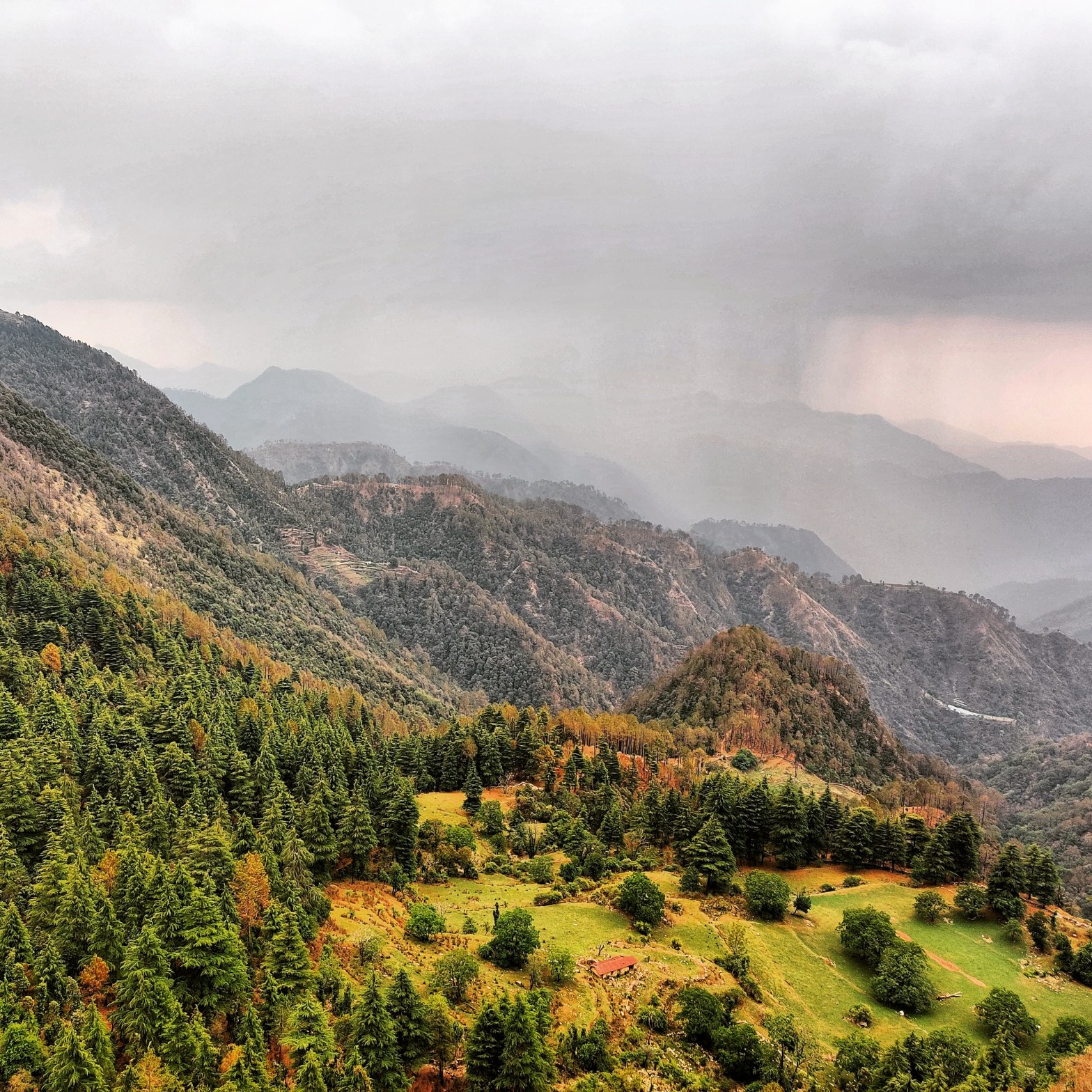
©Rainfall in the distant hills

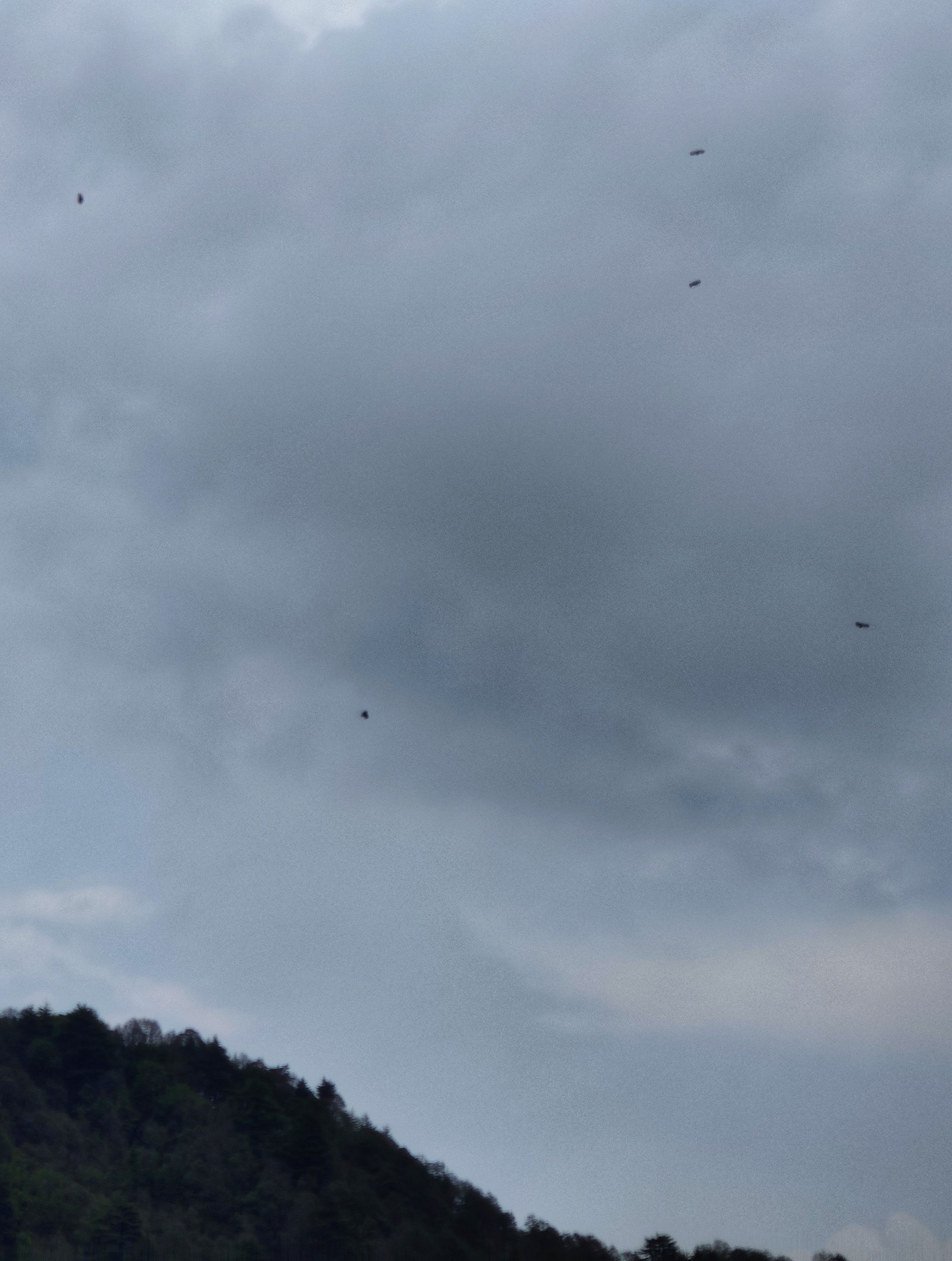
As I looked up high in the sky, I found few Griffon vultures gliding through the high winds. Although I tried to capture them, but the image is hazy. It gradually started to pitter patter and the moist smell the first rain on the parched earth lingered through the valley.

©Few Griffon vultures gliding through the clouds

It was now time to head towards home and we rolled down through the steep bends and curves. The dichotomy of mind and heart already started. But my heart and soul was still entrapped in the bewildering profusion and we reached home. While I was still lost in the wilderness thoughts a pair of Red Billed Blue Magpie flew across pine branches.

Flying Red Billed Blue Magpie (Image from news.cgtn.com)

Due to the corona pandemic, curfew and lockdown has again started in different parts of the country. The cases are steepening everywhere with numerous reports of death and bereavement. This corner of the hillside is also not untouched. Still life has to go on. My prayers and good wishes for all.

©Flower blossoms, Landour, Mussoorie

Stay safe and stay healthy!!

Thank you!!!


https://www.facebook.com/Dr.ChandrimaDebi/

https://www.instagram.com/debichandrima/

Picture courtesy

https://www.facebook.com/SumanMitraPhotography

https://www.sumanmitra.com/

@chandrimadebi

©All images and content are subjected to copyright

© 2019 – 2021 chandrimadebi.com

biodiversity blog blogger blogging botany climate change clouds conservation deforestation Dehradun early childhood education ecology education environment environment education featured flora flower forest forestschool geology Himalaya Himalayas Landour Mussoorie nature nature-photography nature based learning nature education nature walk outdoor outdoor education photography plant poem poetry responsible tourism science travel tree tree-photography Uttarakhand wilderness wildlife writing

Nature’s first green is gold!!

Nature’s first green is gold,

Her hardest hue to hold.

Her early leaf’s a flower;

But only so an hour.

Then leaf subsides to leaf.

So Eden sank to grief,

So dawn goes down to day.

Nothing gold can stay.

By Robert Frost

With the changing seasons these evergreen trees always add charm and continue to succour the ecology and biodiversity. Besides, they also help towards conservation of soil and water. But during recent years I have observed deteriorated ecological condition of these beautiful trees in Mussoorie and adjacent areas. The rapid urbanisation and expansion of the cities is paving way for ecological as well as habitat degradation and the adjacent forests and environment are facing challenges. Alongwith the huge influx of tourists, garbage littering has always been a major issue in the hillside.
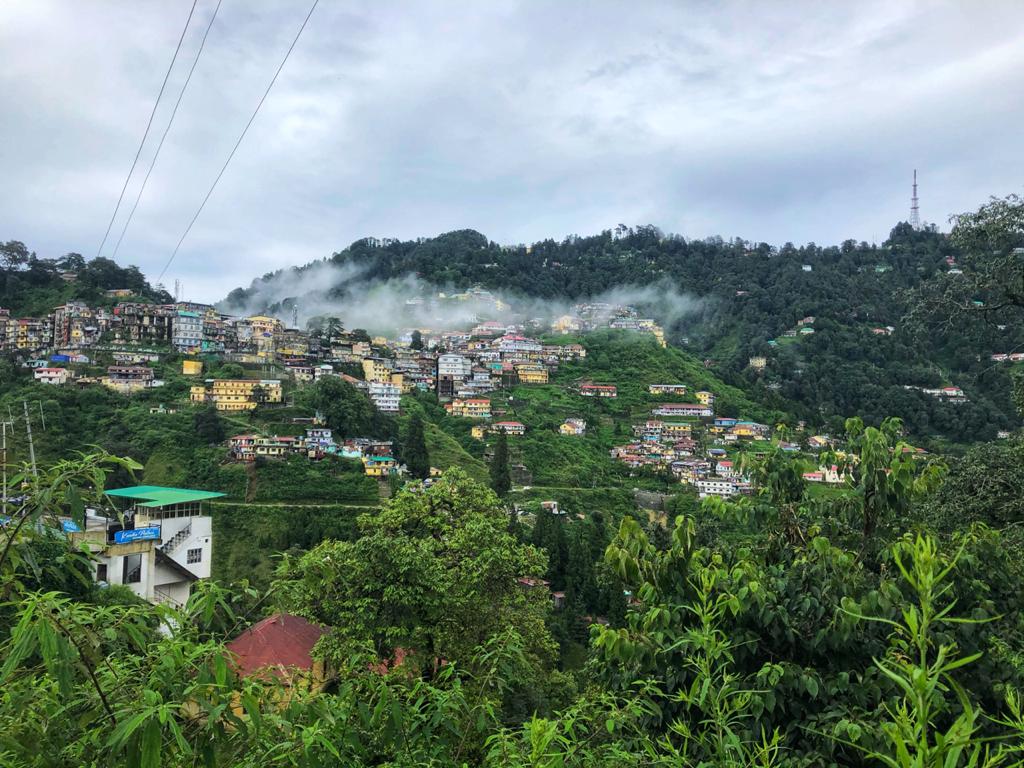
Young conifers
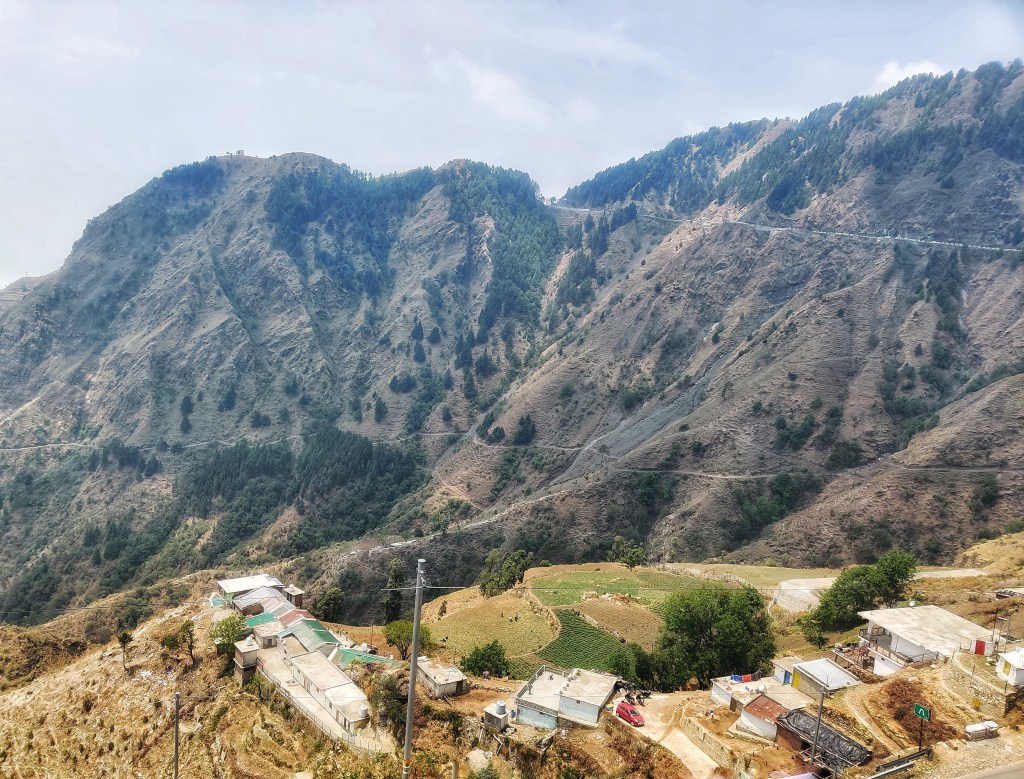
One mountain village outskirt
One village alongside mountains

Thank you!!!
https://www.facebook.com/Dr.ChandrimaDebi/

Picture courtesy
https://www.facebook.com/SumanMitraPhotography
https://www.sumanmitra.com/
@chandrimadebi
©All images and content are subjected to copyright
© 2019 – 2021 chandrimadebi.com

biodiversity blog blogger blogging botany climate change clouds conservation deforestation Dehradun early childhood education ecology education environment environment education featured flora flower forest forestschool geology Himalaya Himalayas Landour Mussoorie nature nature-photography nature based learning nature education nature walk outdoor outdoor education photography plant poem poetry responsible tourism science travel tree tree-photography Uttarakhand wilderness wildlife writing

https://www.instagram.com/debichandrima/

Whose forests are these?

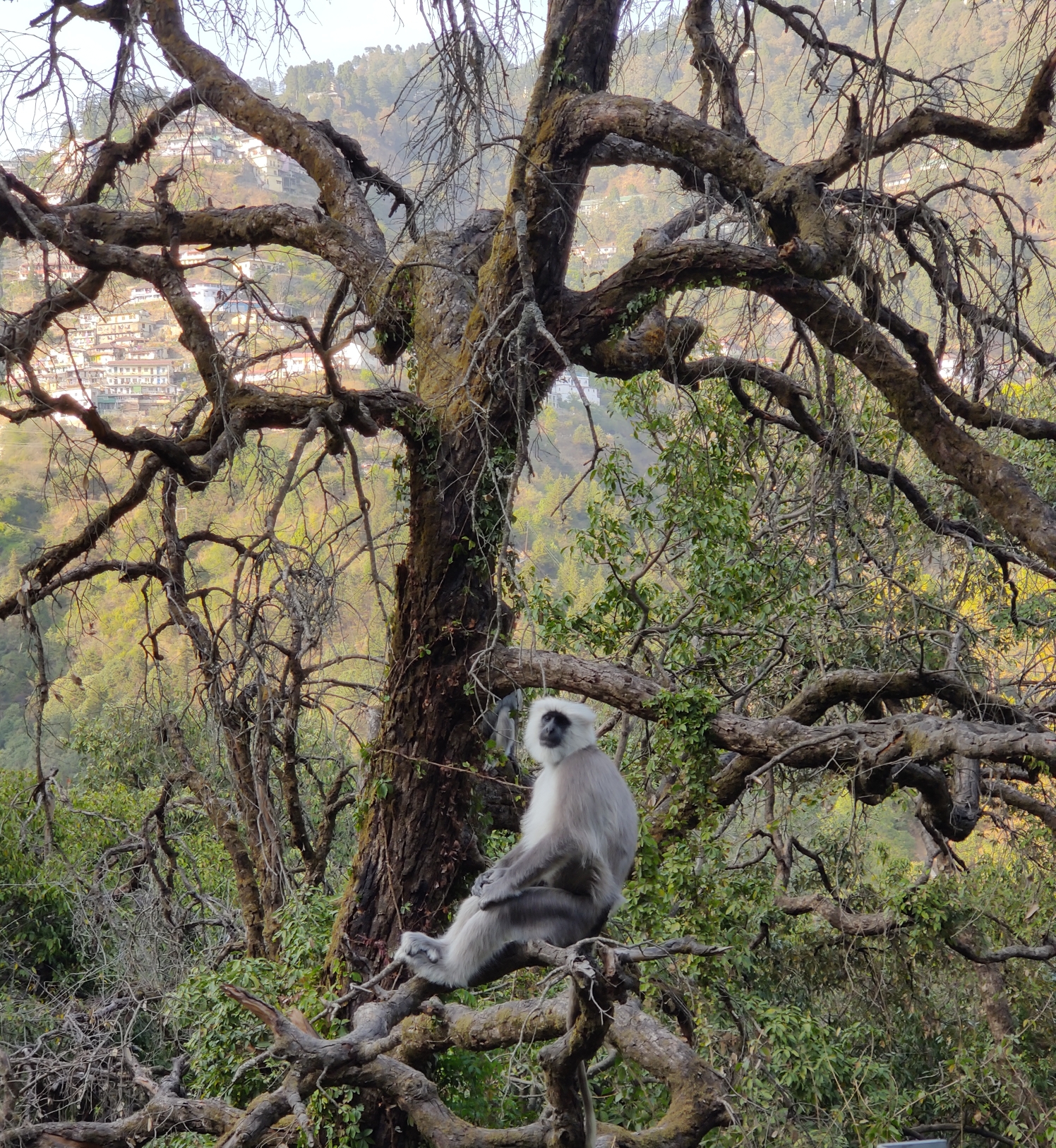
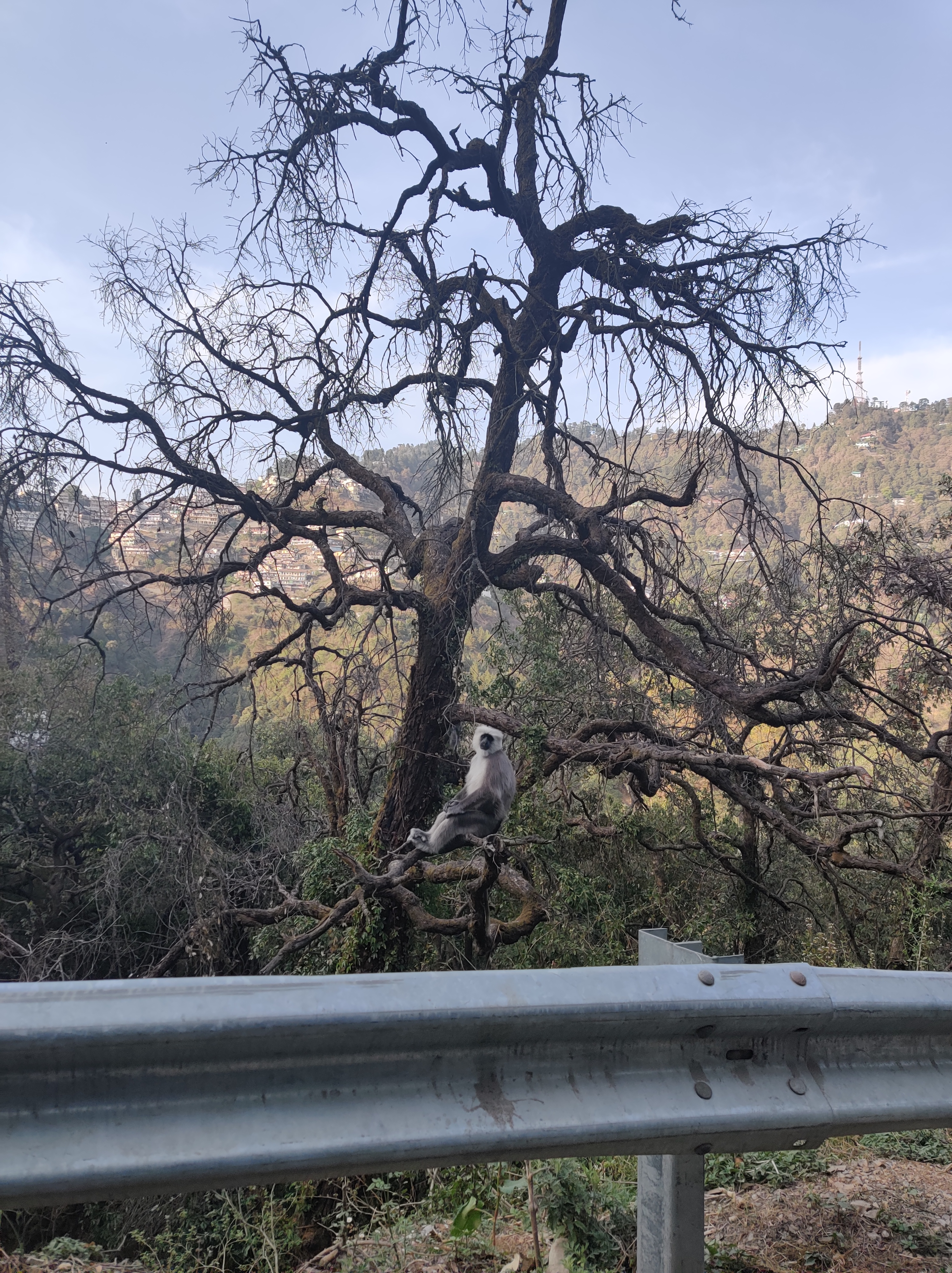
Few days back, while travelling down the hills towards city I stumbled upon this majestic Langur sitting on the branches of an big Oak tree. Our eyes met for few moments and then it looked away. The Langur turned his head away looking into the human settlements in the hills once covered with dense forests. I felt as if it was asking me, Whose forests are these?

©Langur resting on Oak tree branches.

I was left dumbstruck and speechless with a remorseful introspection because somewhere deep down in my heart I knew that these forest belonged to the wild and the wilderness within. Now these wild beings are taking shelter in the dying old Oak trees, surviving on the human litter and pity.

© Looking into the civilization

Whose forests are these?
They are mine;
Look!! what you have done to my home.

Now, I rest on this old Oak tree
And look at your civilisation;
Through these dry leafless branches and
I can say nothing at all!!!

©Langur resting on Oak tree branches

Gray langurs, also called Hanuman langurs or Hanuman monkeys, are Old World monkeys native to the Indian subcontinent constituting the genus Semnopithecus.


Thank you!!!

https://www.facebook.com/Dr.ChandrimaDebi/

https://www.instagram.com/debichandrima/

Picture courtesy

https://www.facebook.com/SumanMitraPhotography

https://www.sumanmitra.com/

@chandrimadebi

©All images and content are subjected to copyright

© 2019 – 2021 chandrimadebi.com

    biodiversity blog blogger blogging botany climate change clouds conservation deforestation Dehradun early childhood education ecology education environment environment education featured flora flower forest forestschool geology Himalaya Himalayas Landour Mussoorie nature nature-photography nature based learning nature education nature walk outdoor outdoor education photography plant poem poetry responsible tourism science travel tree tree-photography Uttarakhand wilderness wildlife writing

    Where have all the flowers gone??

    Today, I heard that in some part of the country, people are willing to cut more trees in public parks and gardens for cremation on pyres. The trees, sole provider of Oxygen will now be cut to suffice cremation?

    ©Mixed broadleaf and Conifers

    It’s been long, that the world is suffering due to Corona virus pandemic. Seems we are already at war with our basic survival, our existence. Daily reports of desperation and deaths are creating emptiness and hollow hopes in the suffering souls and rest is all blame game. Lives at stake due to the crisis of Oxygen, the base of life and still we haven’t realized the importance of trees and forests.

    ©Horse Chestnut tree flowers

    I believe humanity is suffering due to the destruction of Forests and the lost wilderness. Forests and wildlife help contain diseases and epidemics from further transmission into humans. Various research studies show that the global rise in temperature has forced iceshelfs and glaciers to melt and further releasing unknown pathogens in the environment. The aftermath of globalisation and urbanisation has created ecological imbalance. Now, neither science nor capital can bring back the departed souls.
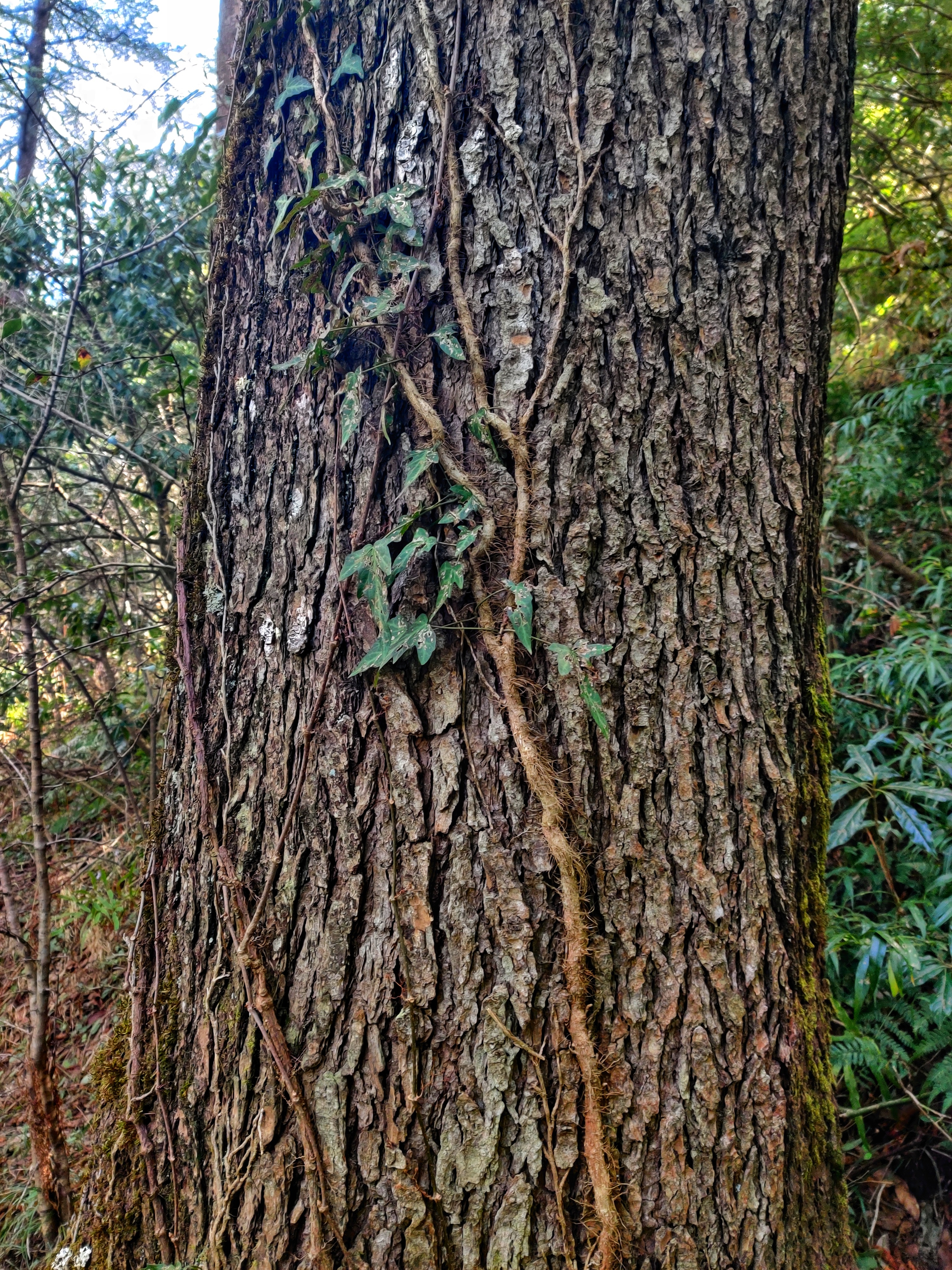
    ©Horse Chestnut tree flowers

    Are human beings truely the most intelligent organism on Earth?? I have doubts about this or we would not have been digging our own graves. The ultimate truth is we come with nothing and we go with nothing. With these thoughts in my mind, I was hiking in the woods nearby and abruptly stopped by the Horse Chestnut trees. The beautiful flowers of the tree remind me of the classic song by Pete SeegerWhere have all the flowers gone?‘ The flowers on the trees, picked up by the maidens for their beloved now lied on their graves. It’s never too late and better late than never or nature has its own ways.

    ©Horse Chestnut tree flower

    Where have all the flowers gone?

    Where have all the flowers gone?
    Long time passing.
    Where have all the flowers gone?
    Long time ago.
    Where have all the flowers gone?
    The girls have picked them every one.
    Oh, When will you ever learn?
    Oh, When will you ever learn?
    Young girls
    They’ve taken husbands every one.
    Young men
    They’re all in uniform.
    Soldiers
    They’ve gone to graveyards every one.
    Graveyards
    They’re covered with flowers every one.
    Flowers
    Young girls have picked them every one.

    ~By Pete Seeger

    ©Horse Chestnut tree flowers

    May mother nature be kind and may everyone stay blessed and healthy and have the strength to get over these testing times.
    Thank you!!!


    https://www.facebook.com/Dr.ChandrimaDebi/

    https://www.instagram.com/debichandrima/

    Picture courtesy

    https://www.facebook.com/SumanMitraPhotography

    https://www.sumanmitra.com/

    @chandrimadebi

    ©All images and content are subjected to copyright

    © 2019 – 2021 chandrimadebi.com

    My Shadow and me!!

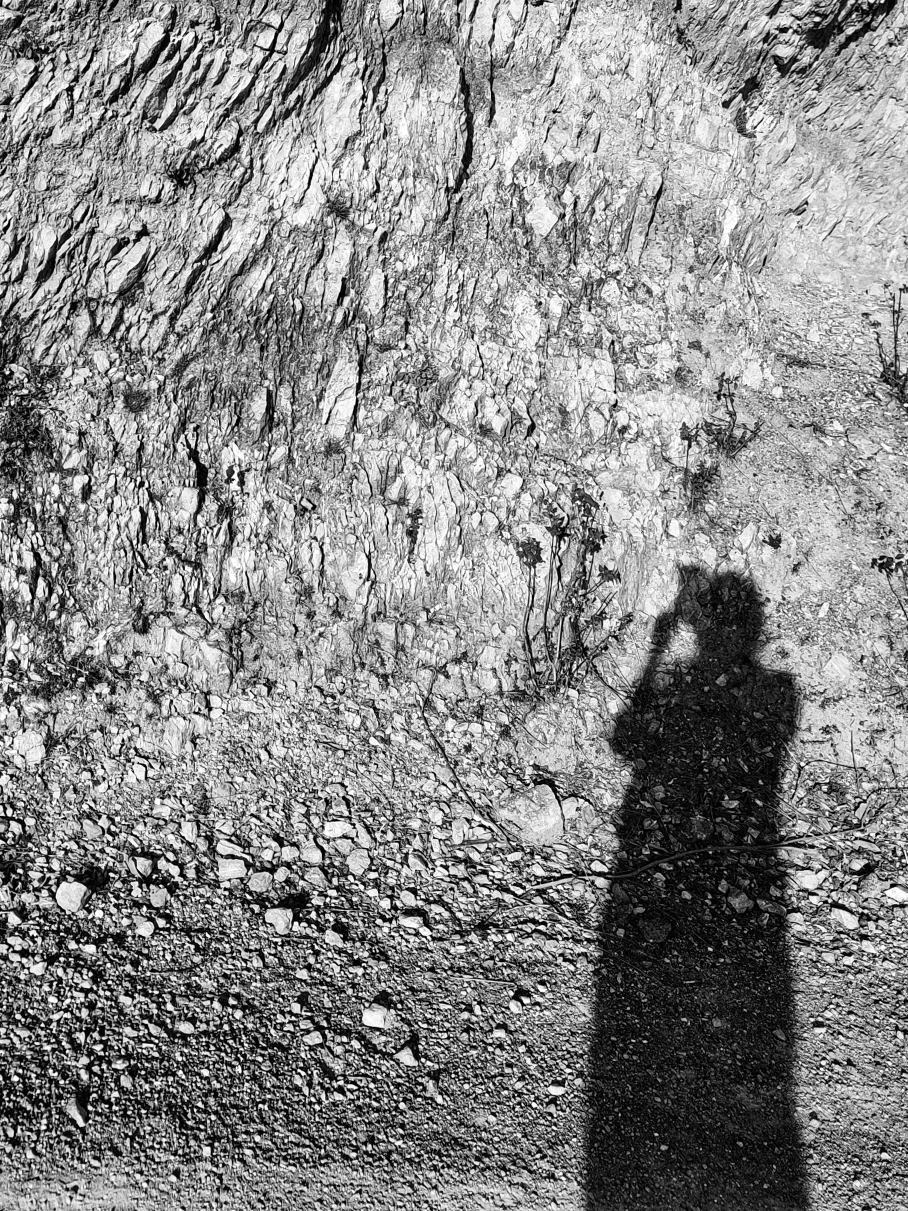
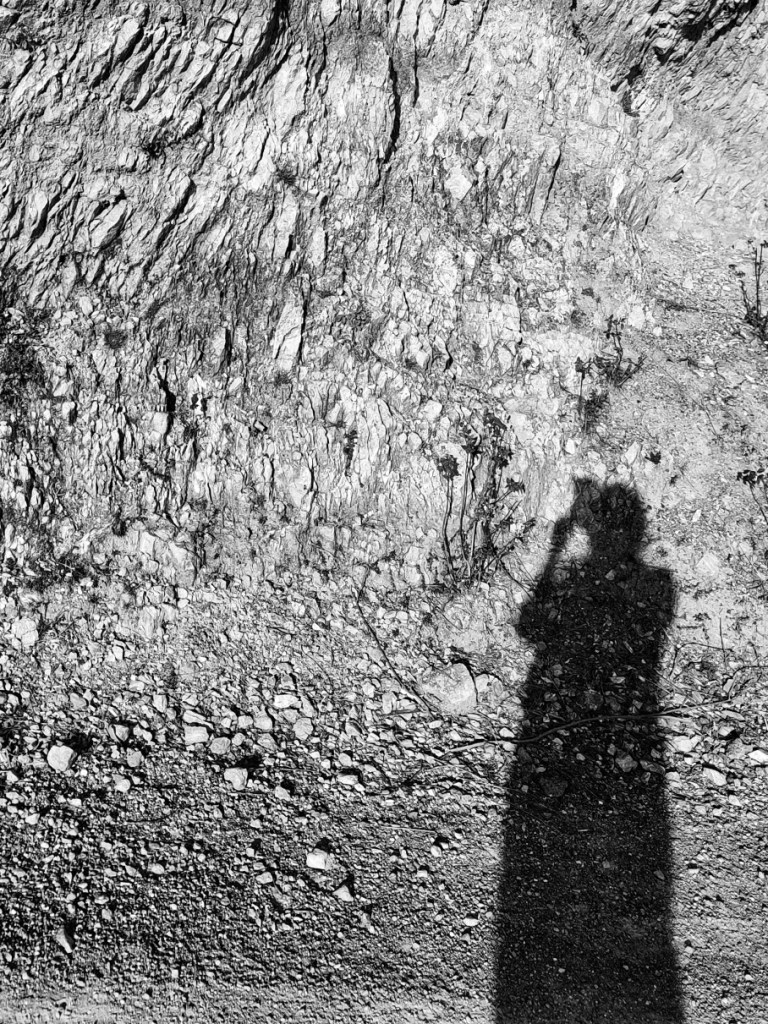
    Sometimes losing trail in woods is a retreat. Few days back, I was walking in a forested area and lost track, and to my surprise I was standing alone with my shadow beside me. I wanted to click few pictures of my omnipresent shadow. But please be careful while walking in the woods alone cause in jungle Predator is the prey.

    ©My Shadow and me

    Walking in the forests, when nobody was around me,
    You walked along, sometimes ahead; sometimes behind,
    But always alongside me.

    ©Somewhere near the mountainside

    While I was lost in the thoughts and the entire ambience of the forest, few lines of the poem My shadow by R.L. Stevenson were echoing in my mind.

    My Shadow

    I have a little shadow that goes in and out with me,
    And what can be the use of him is more than I can see.
    He is very, very like me from the heels up to the head;
    And I see him jump before me, when I jump into my bed.

    The funniest thing about him is the way he likes to grow—
    Not at all like proper children, which is always very slow;
    For he sometimes shoots up taller like an india-rubber ball,
    And he sometimes gets so little that there’s none of him at all.

    ~By Robert Louis Stevenson

    Thank you!!!


    https://www.facebook.com/Dr.ChandrimaDebi/

    Picture courtesy

    https://www.facebook.com/SumanMitraPhotography

    https://www.sumanmitra.com/

    @chandrimadebi

    ©All images and content are subjected to copyright

    © 2019 – 2021 chandrimadebi.com

    A ray of hope: Landour, Mussoorie

    While most part of the country is facing soaring temperatures, this hillside of Landour, Mussoorie is recieving hailstorms and rains. The temperatures have suddenly dropped and the hillslopes are covered with thin icesheets due to hail.

    White Earth floor due to hails

    This meteorological phenomena has also relieved the trees and forests which were under fire since few days. The forest fires in Uttarakhand this year has taken toll on the natural health and environment of the forested areas. Besides destroying the natural habitat of many wild animals and birds these forest fires imposed threat to human lives also. But the recent rain showers came as a sigh of relief. Nature is ready to replenish the loss.

    http://atomic-temporary-163018052.wpcomstaging.com/2021/04/21/recurrent-forest-fires-landour-mussoorie/

    They say it right, When nobody listens… mother nature does. It went true for the case of recurrent forest fires near Mussoorie. The forests which were burning have got a sigh of relief and prayers were answered.

    http://atomic-temporary-163018052.wpcomstaging.com/2021/04/14/are-we-ready-for-the-future-forest-fires-forest-fire-in-uttarakhand/

    The thick layer of dust over the leaves has slowly receded away and the bright and dazzling new leaves of the spring are on full display. The scenic beauty motivated me to go out for hiking as I lost count of my footsteps. The clouds led me to this scenic spot and I was left mesmerized. Due to urbanisation, these mountains are also not untouched, which can be easily noticed by the electrical wires in the picture.

    These sunrays are also known as Crepuscular rays and are created when sunlight shines through gaps in clouds and falls down through the hazy air. Due to scattering of light such display of colours often take place with the background of dark blue sky. This picturesque view of the sunrays peeping through the clouds over the green mountains, lifting veil for a moment will be always there in some corner of my mind. And I thanked almighty for bestowing hope and faith in the world.

    http://atomic-temporary-163018052.wpcomstaging.com/2021/04/10/forests-and-a-ray-of-hope/

    Thank you!!!


    https://www.facebook.com/Dr.ChandrimaDebi/

    Picture courtesy

    https://www.facebook.com/SumanMitraPhotography

    https://www.sumanmitra.com/

    @chandrimadebi

    ©All images and content are subjected to copyright

    © 2019 – 2021 chandrimadebi.com

    Recurrent forest fires: Landour, Mussoorie

    Its been hardly one week that the woodlots near Landour, Mussoorie caught fire again. Few days back, forests near Mussoorie, Jabarkhet Nature Reserve caught fire, now this hillside of Landour. Whether it’s a plight of nature or a man-made nuisance, these old forests are burning.

    *Forest fire near Mussoorie

    Today was just like any other afternoon for me except I could sense Pine resin burning at a distance. I was wondering, who would lit bukhari in the warm April month in Landour. Confused, I thought might be the light hail and rain shower must have impelled someone to enjoy season’s last Bhukahri. Although, I couldn’t keep myself away from the intriguing thought of forest fire nearby. No sooner I was involved in these thoughts, my mobile phone was flooded with the news of forest fire near a residential school campus in Landour, Mussoorie. My fear came alive.

    http://atomic-temporary-163018052.wpcomstaging.com/2021/04/14/are-we-ready-for-the-future-forest-fires-forest-fire-in-uttarakhand/

    ©Fire in the woodlots, Landour, Mussoorie

    Few days back, I mentioned in my post on forest fire in Uttarakhand, that the forests near Landour, Mussoorie are prone to forest fires and immediate measures must be adopted for protecting these old forest from the plight of forest fires. I believe, if proper measures are not taken at the moment it will be too late to protect the forest from further destruction. Please read the post on Passive degradation of Himalayan ecology

    http://atomic-temporary-163018052.wpcomstaging.com/2021/03/27/passive-degradation-of-himalayan-ecology-oak-trees-in-landour-mussoorie/

    © Forest fire in the hillside of Landour, Mussoorie

    Although it hailed with shower towards evening and with the efforts of the local people and fire control agency the spread of the fire was controlled. But, the situation is grim in the hillside of Landour and Uttarakhand. For how long, these forests will stand insecurity, wrath of cruelity caused by mankind and the inefficience of forest protection agencies?


    Thank you!!!

    @chandrimadebi

    Picture courtesy

    https://www.facebook.com/SumanMitraPhotography

    https://www.sumanmitra.com/

    *Pictures from facebook page of Jabarkhet Nature Reserve, Uttarakhand

    All images and content are subjected to copyright

    © 2019 – 2021 chandrimadebi.com