Where the mind is without fear and the head is held high Where knowledge is free Where the world has not been broken up into fragments By narrow domestic walls Where words come out from the depth of truth Where tireless striving stretches its arms towards perfection Where the clear stream of reason has not lost its way Into the dreary desert sand of dead habit Where the mind is led forward by thee Into ever-widening thought and action Into that heaven of freedom, my Father, let my country awake.
By Rabindranath Tagore
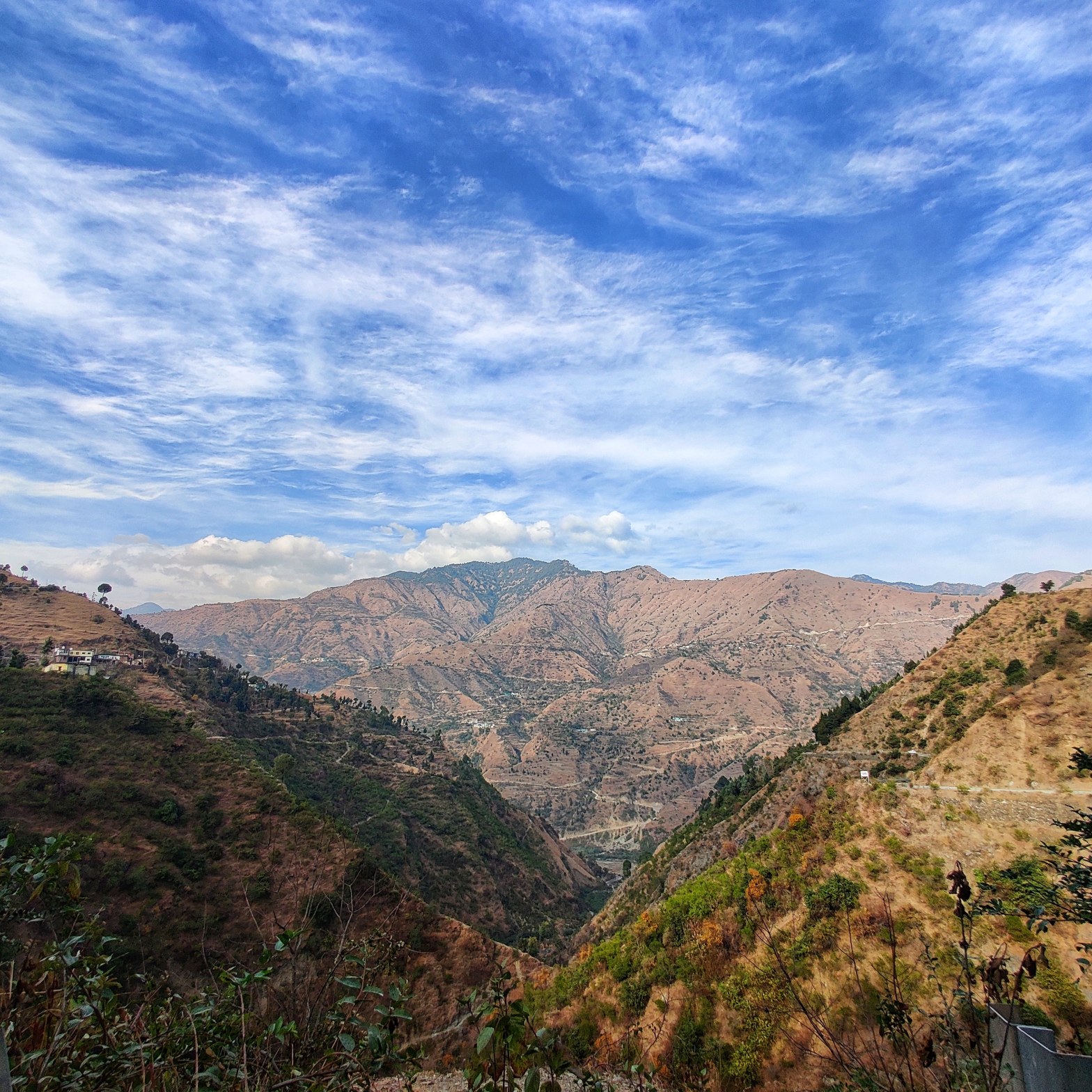
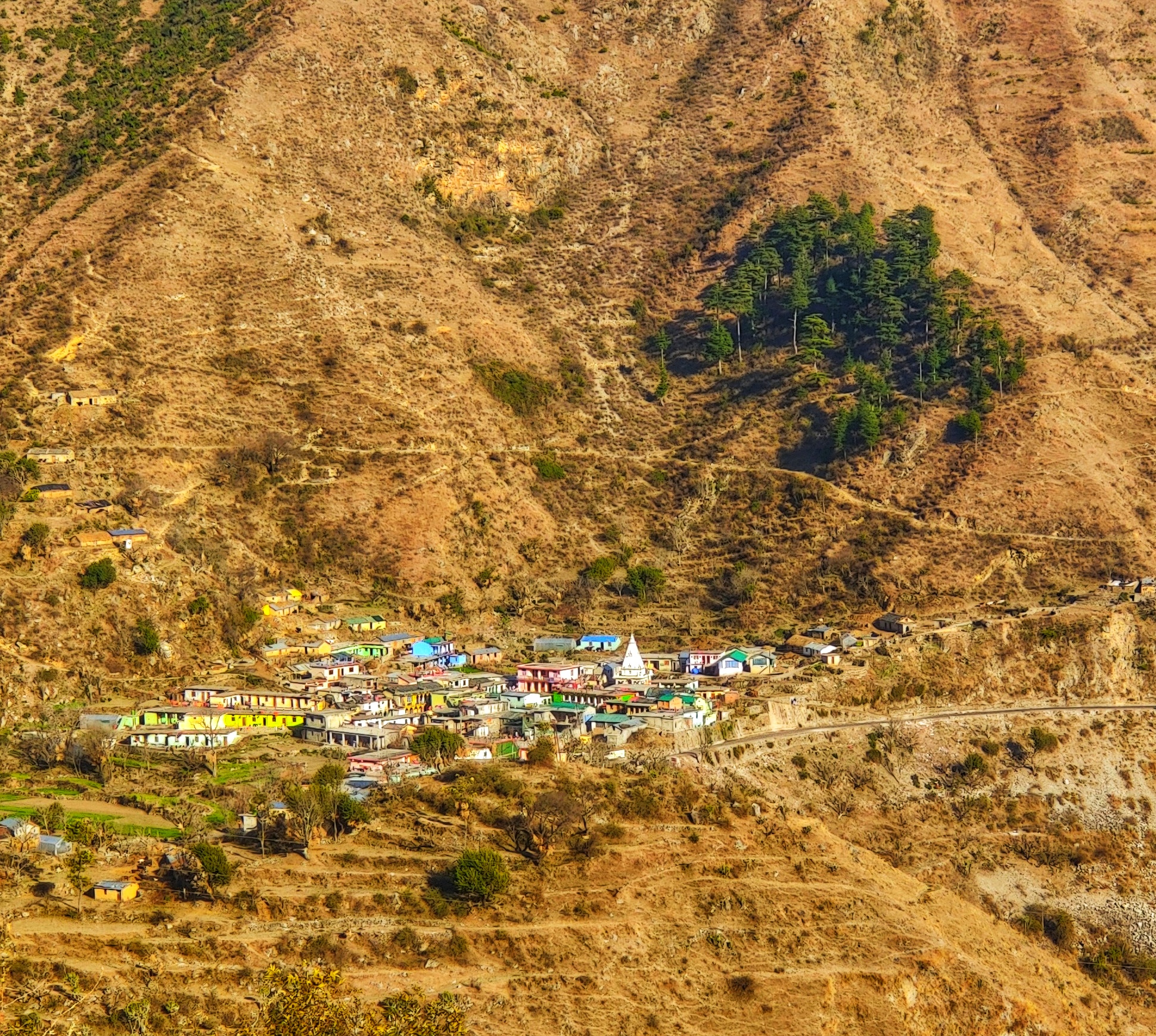
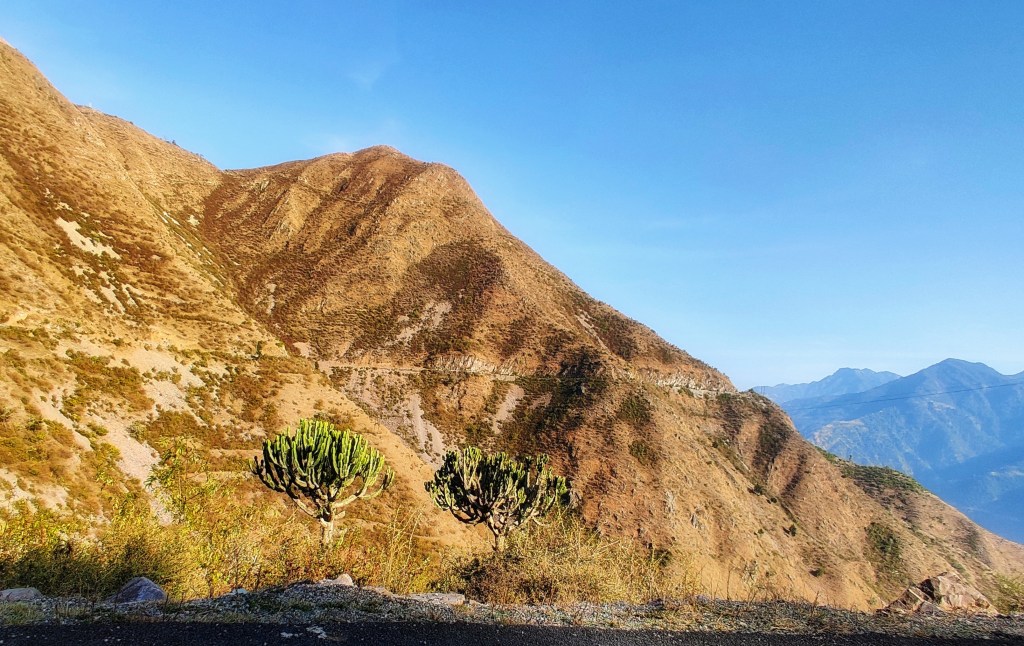
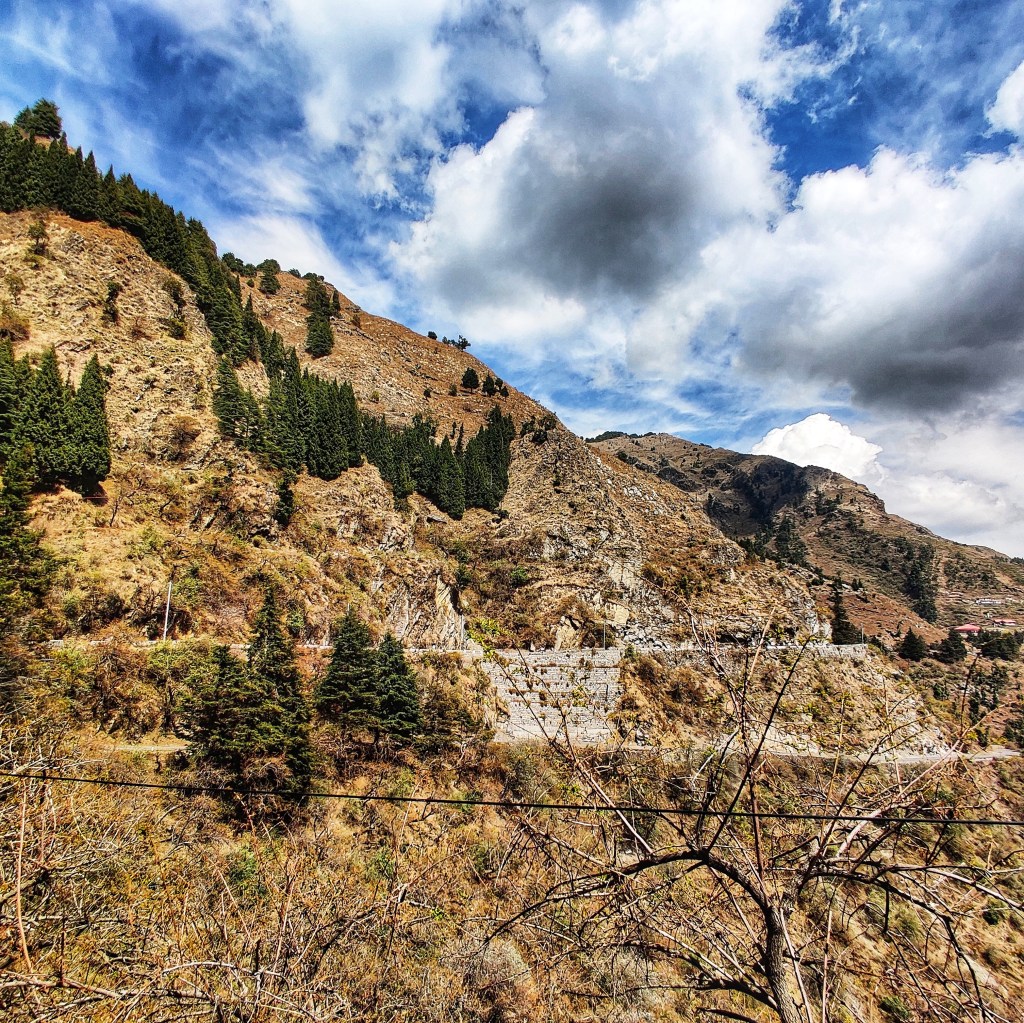
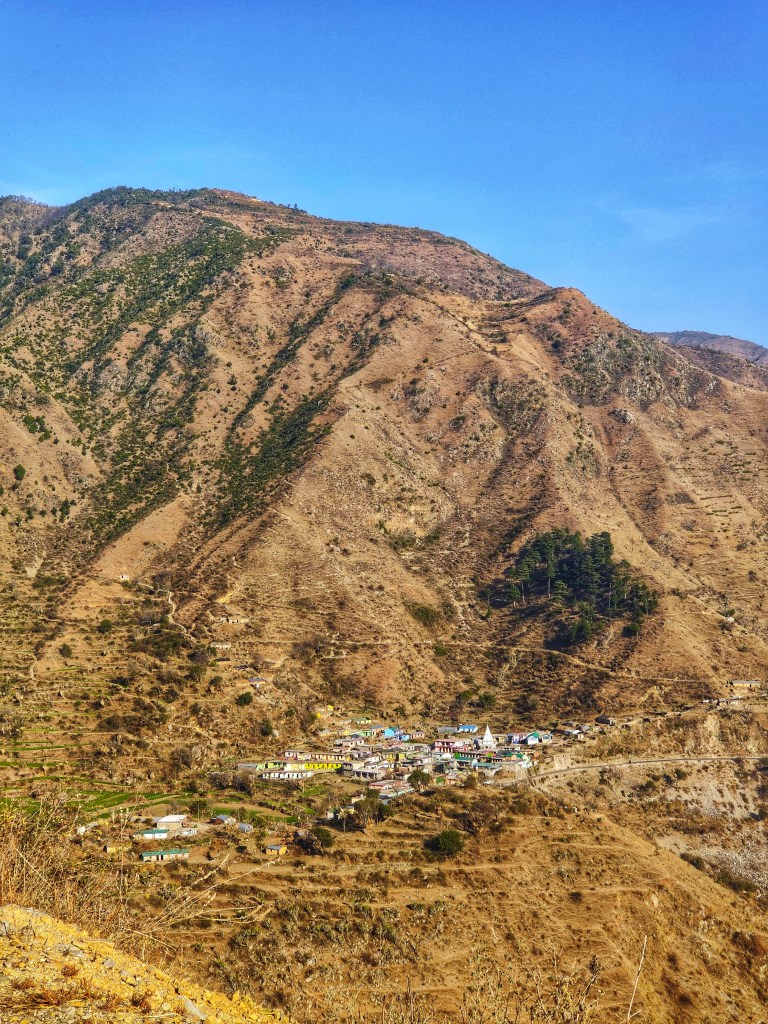
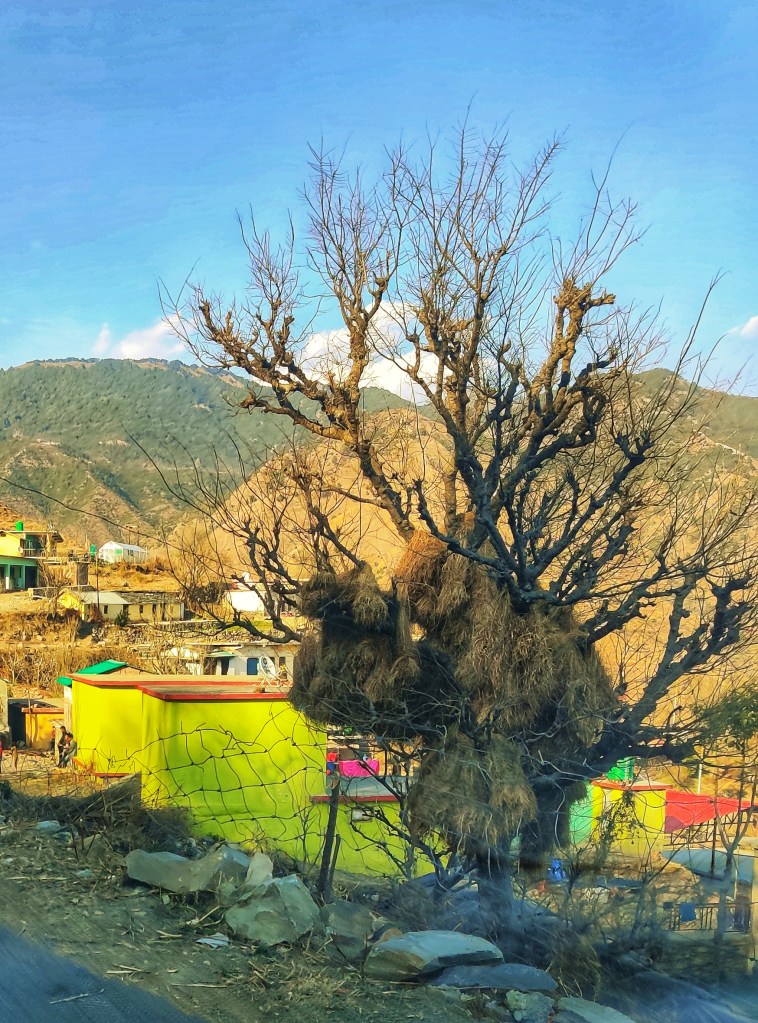
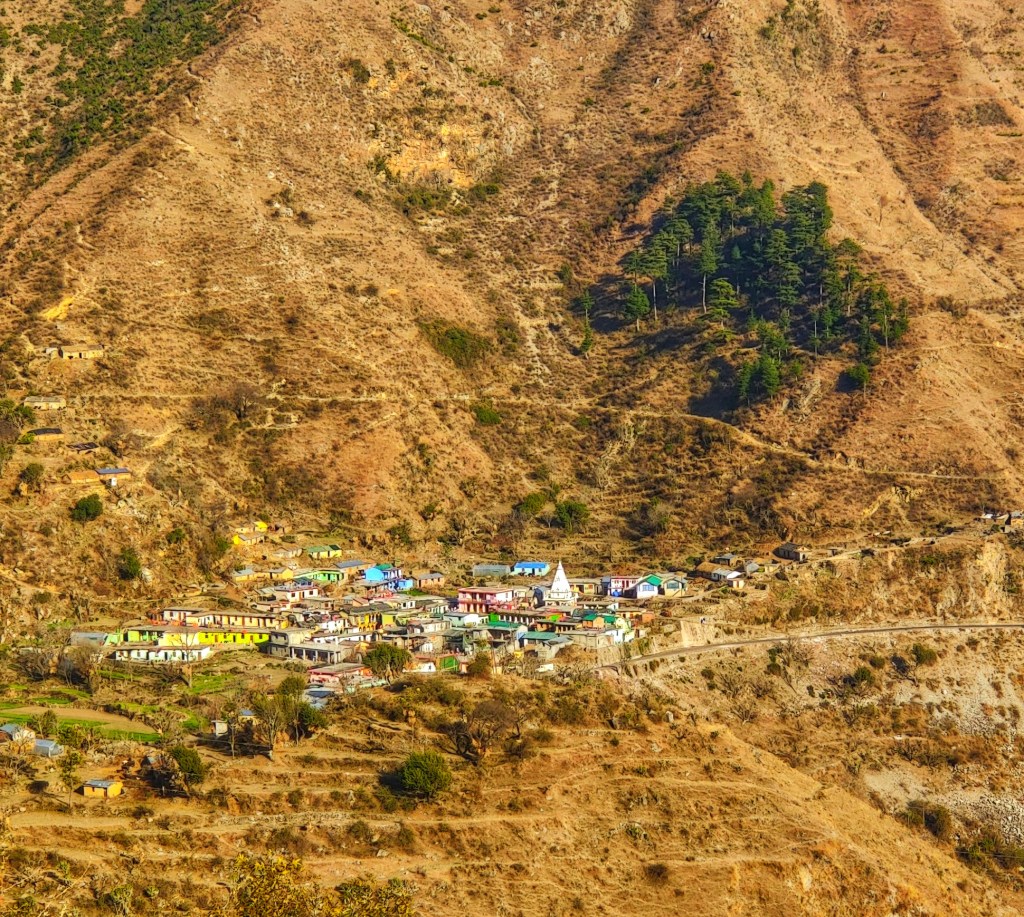
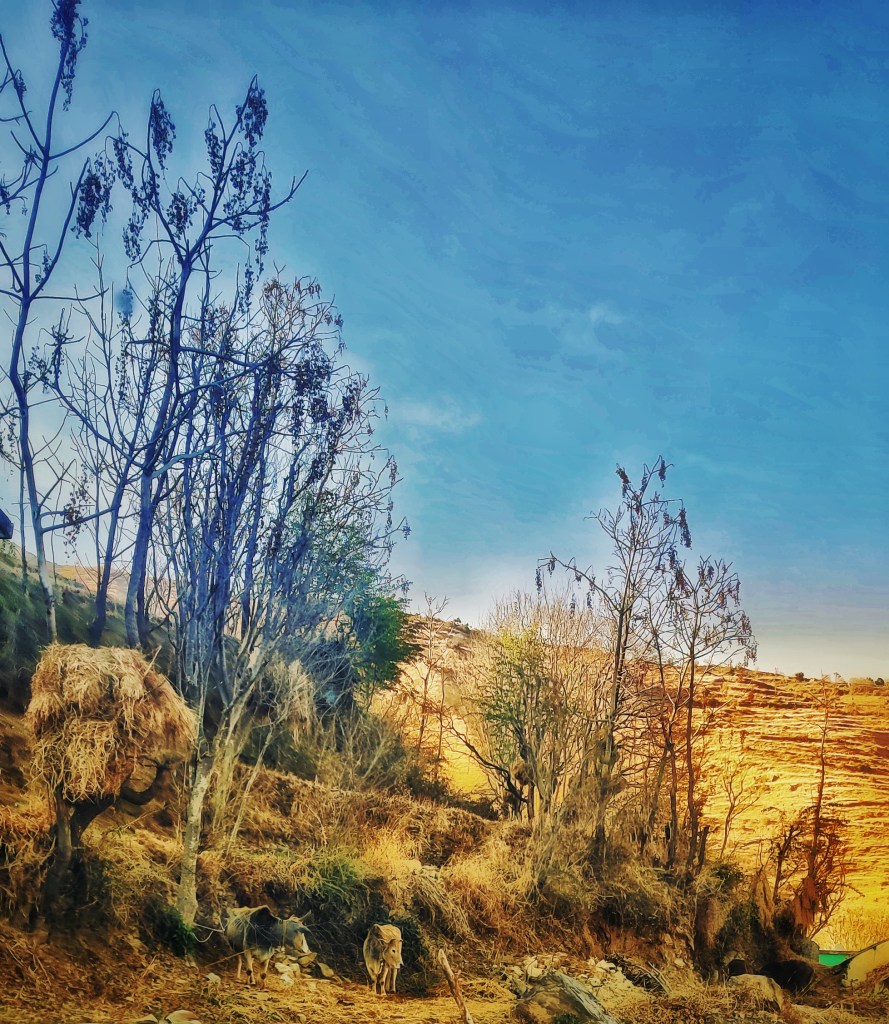
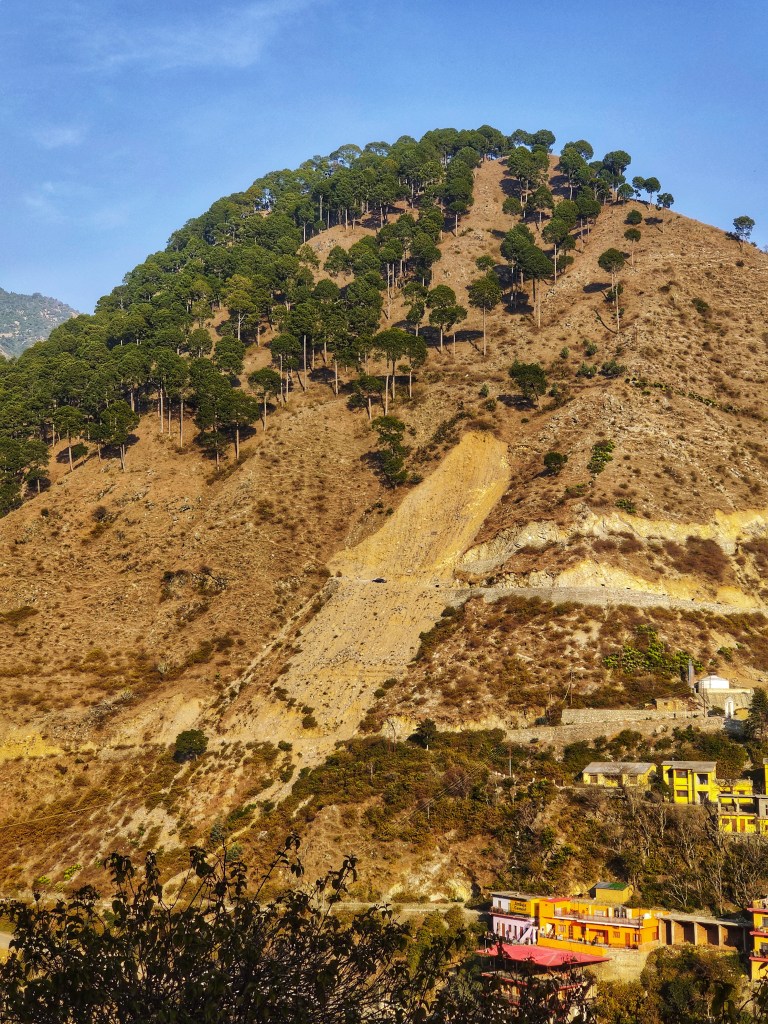
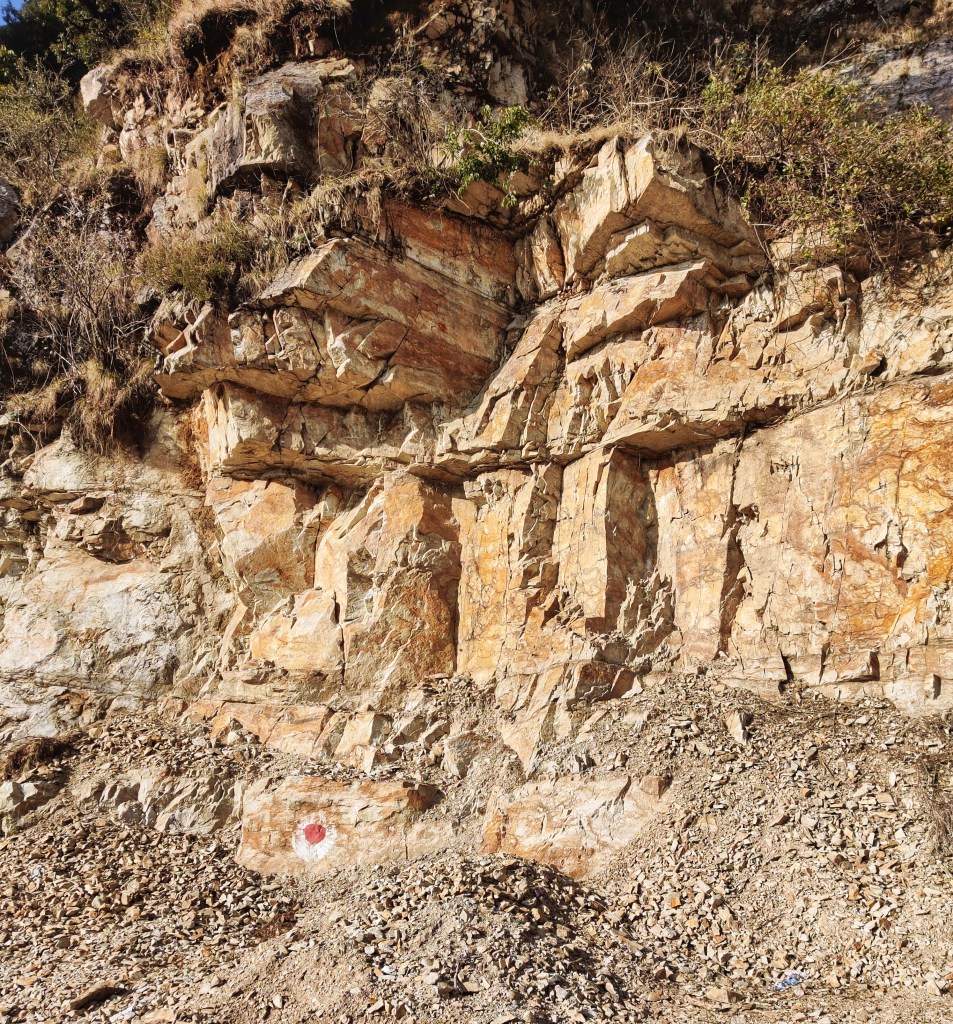
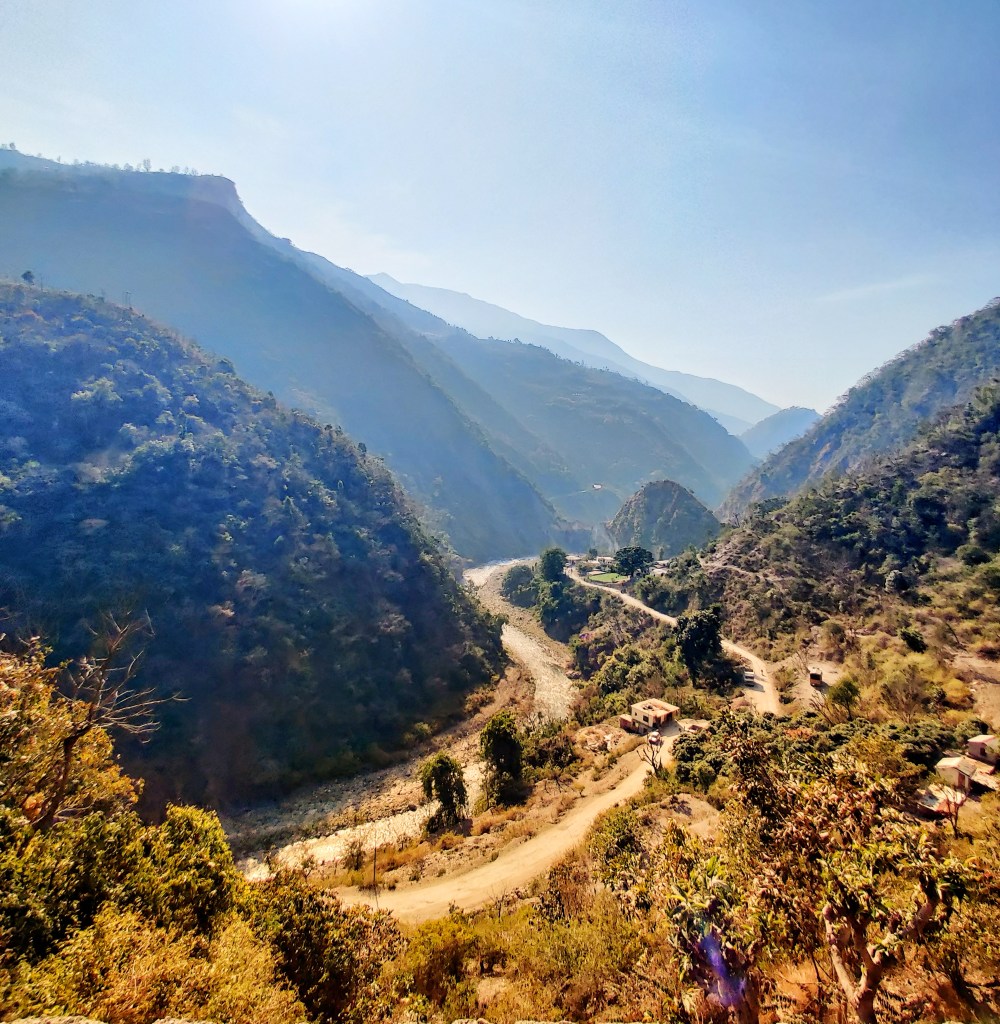
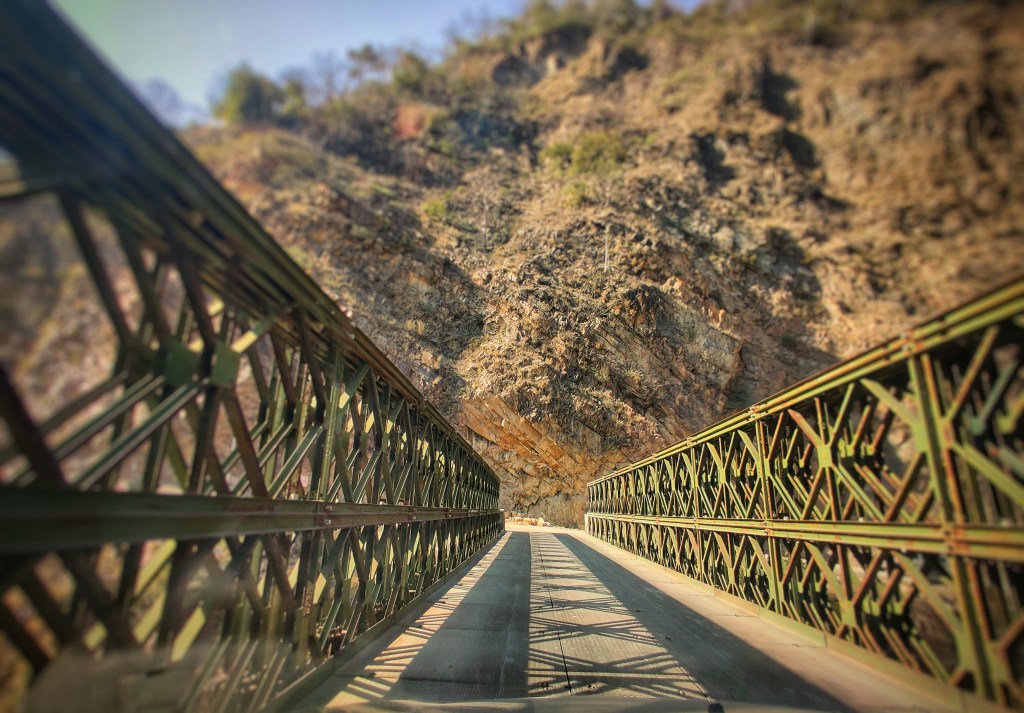
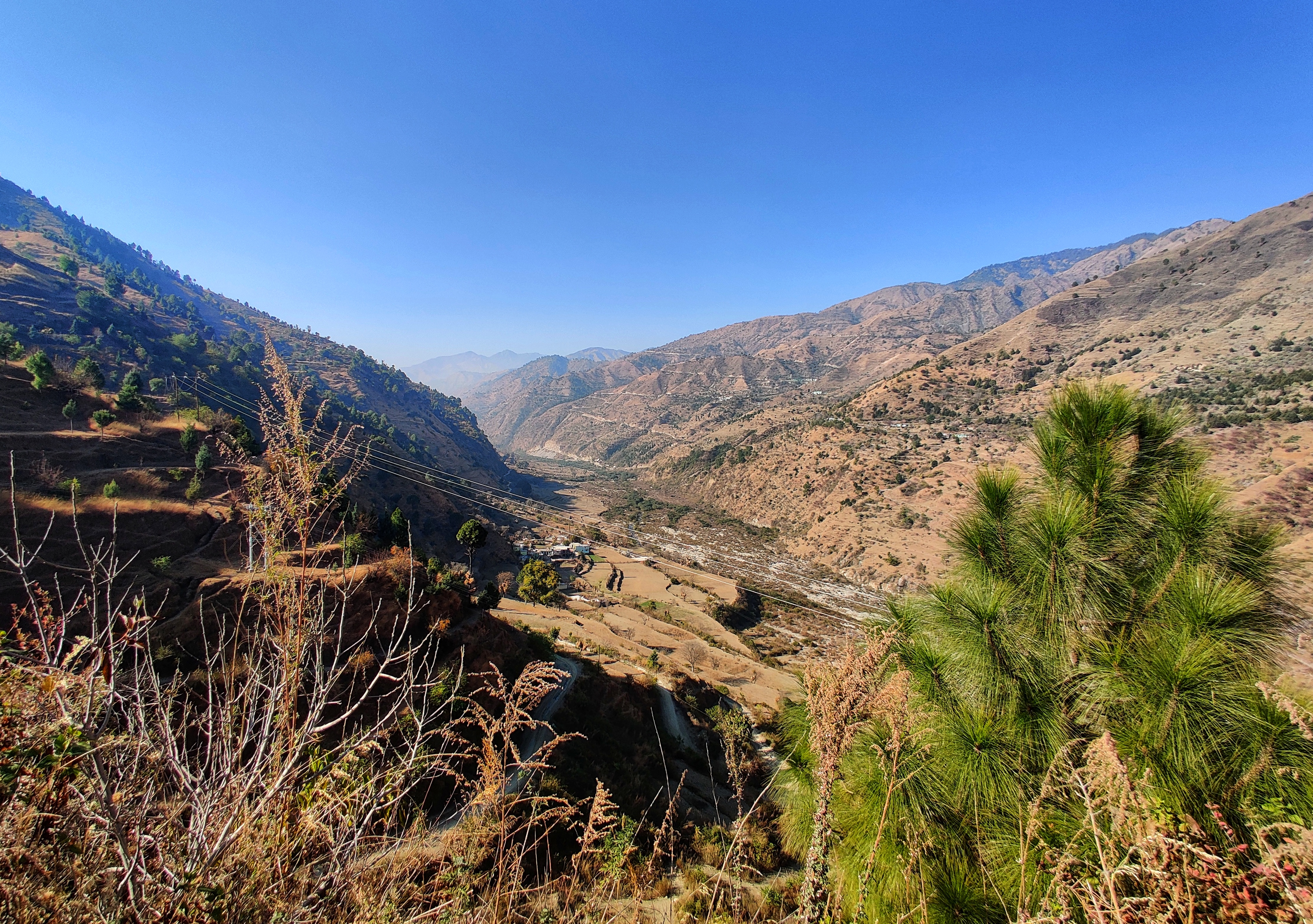
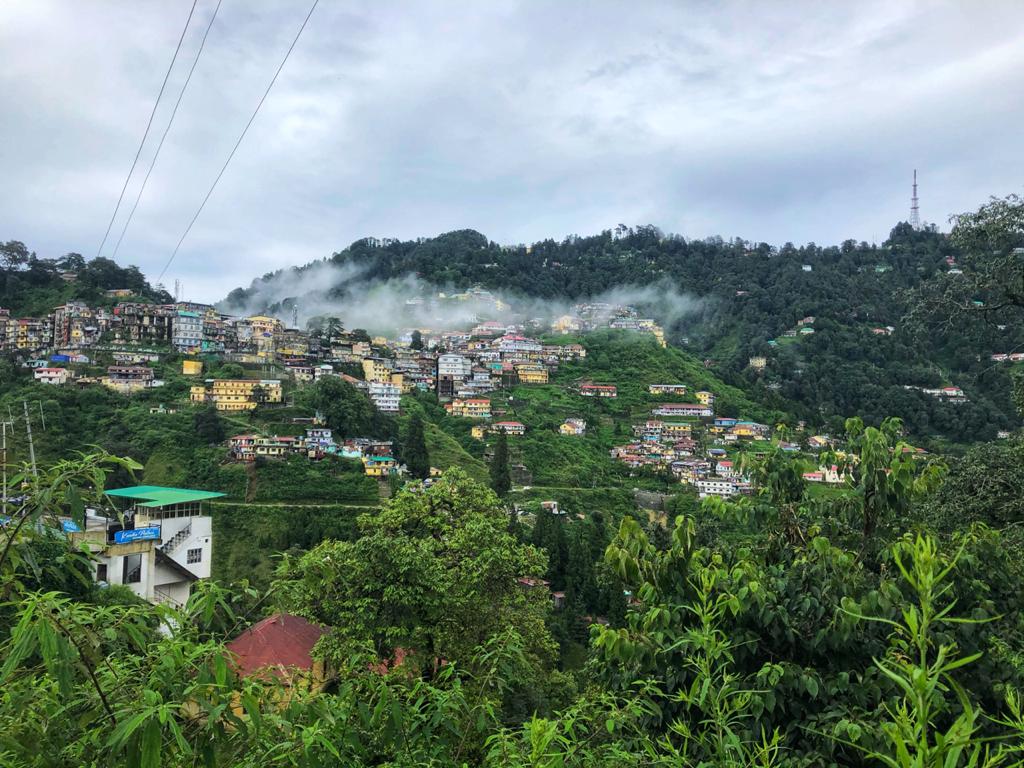
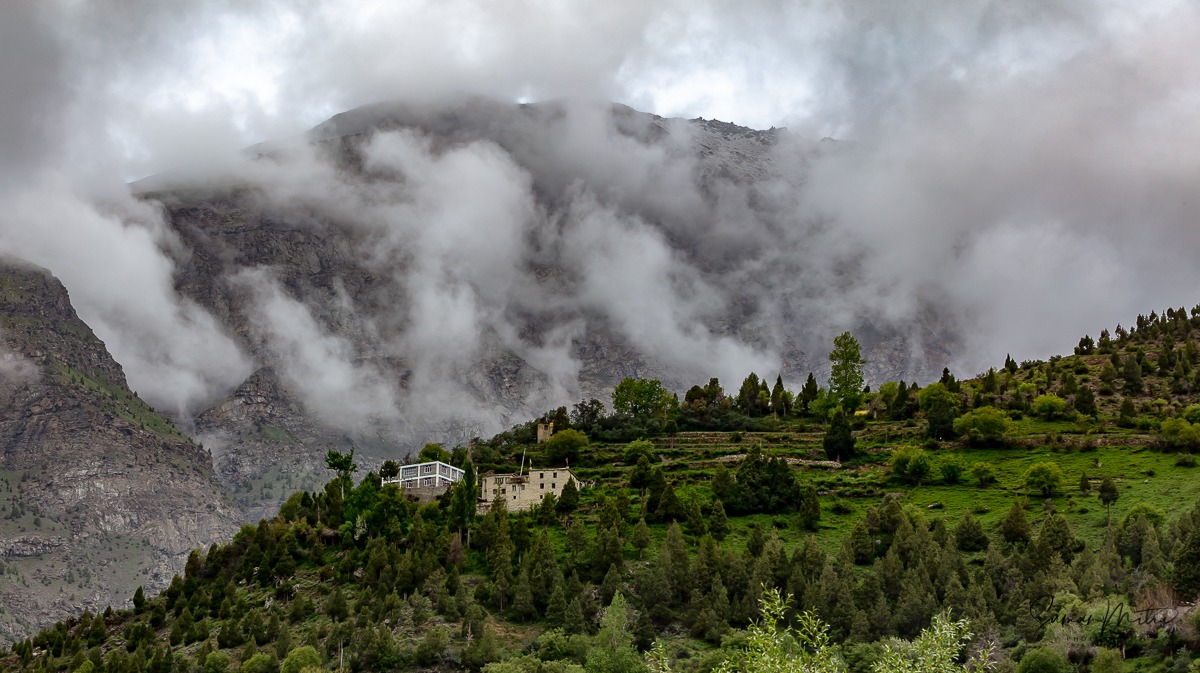
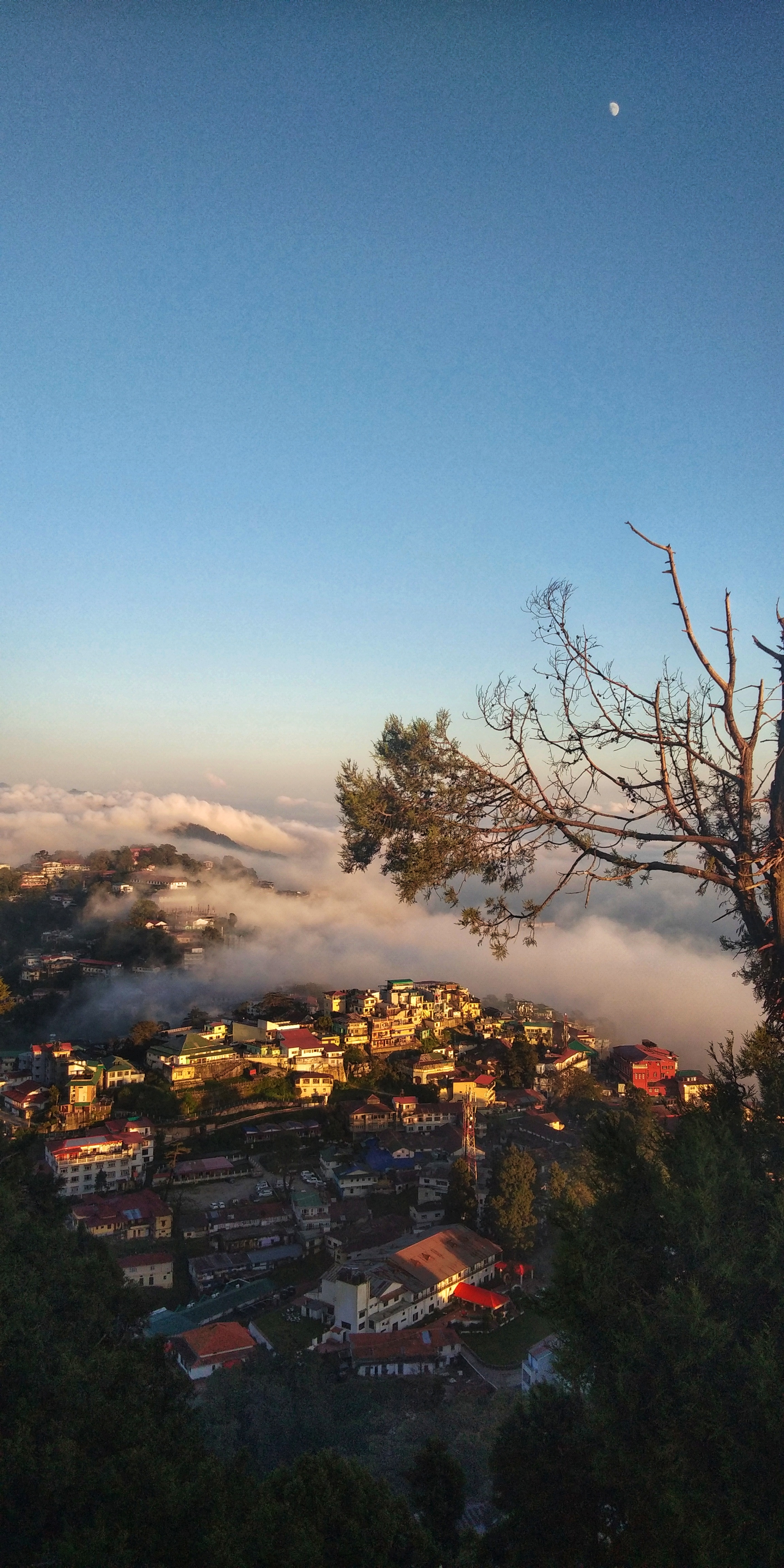
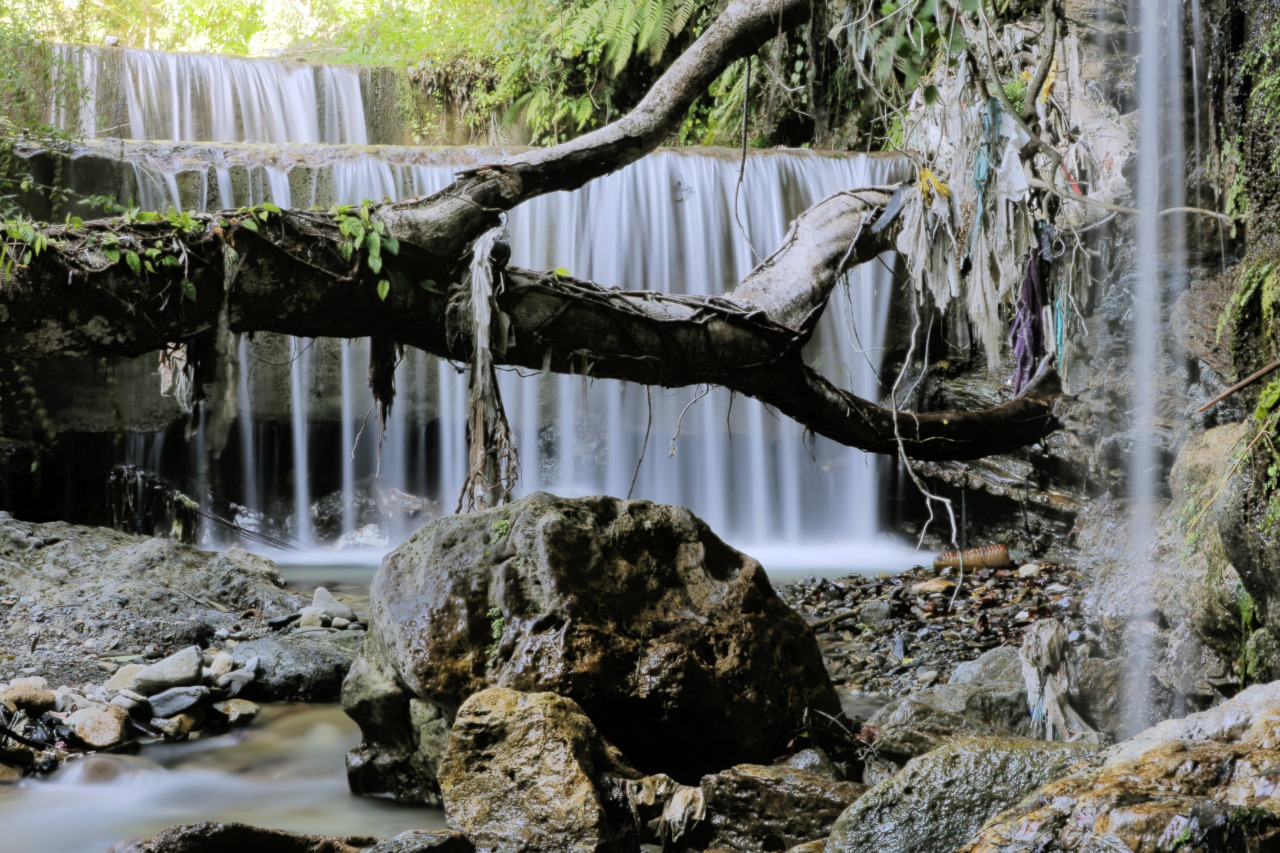
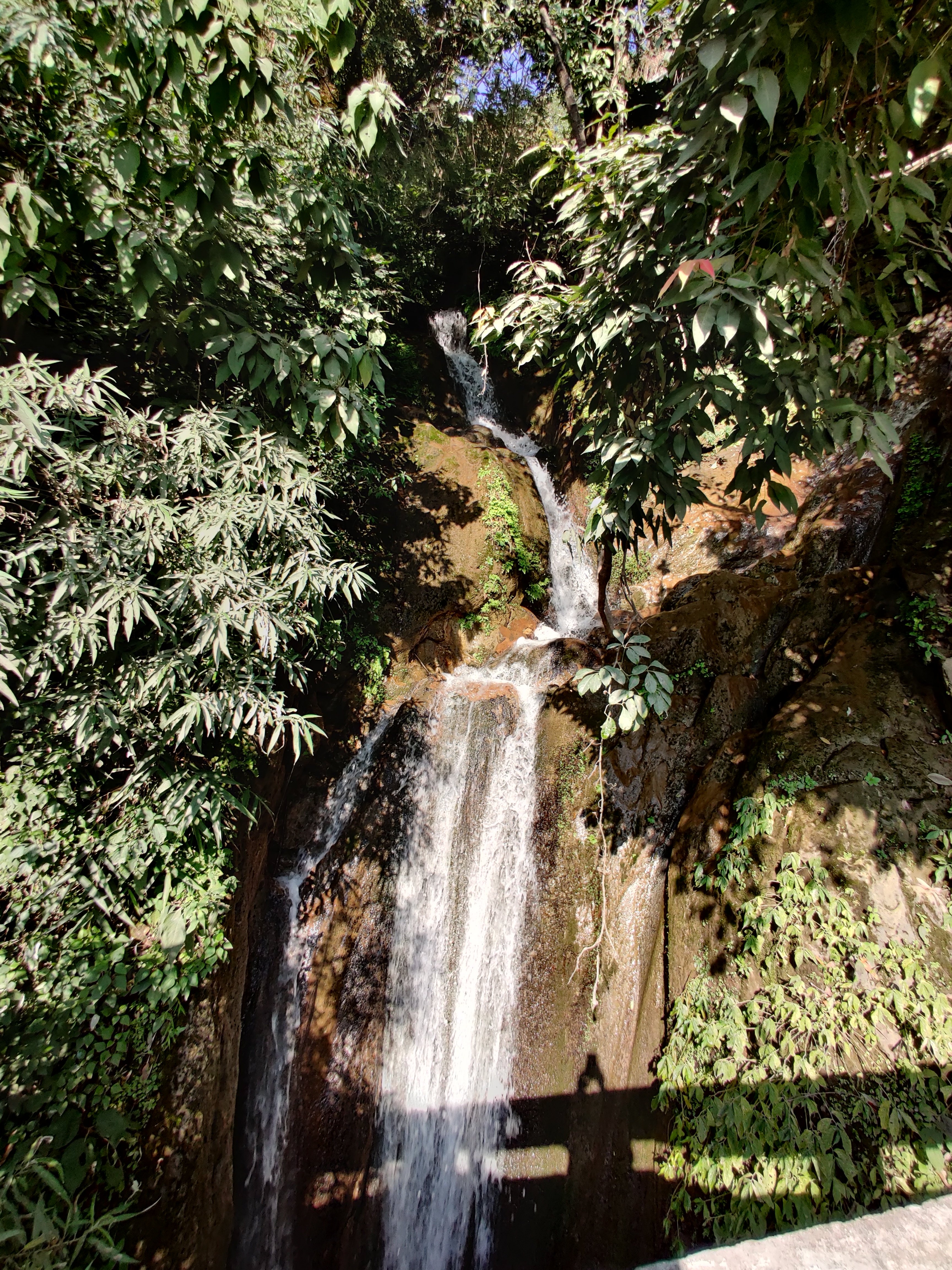
Few days back I was travelling in the Himalayan valley and came across this picturesque destination. The words of famous poet Rabindranath Tagore echoed in some corner of my mind and I clicked the images. I am not a photographer but love to capture beauty of nature through words and pictures.
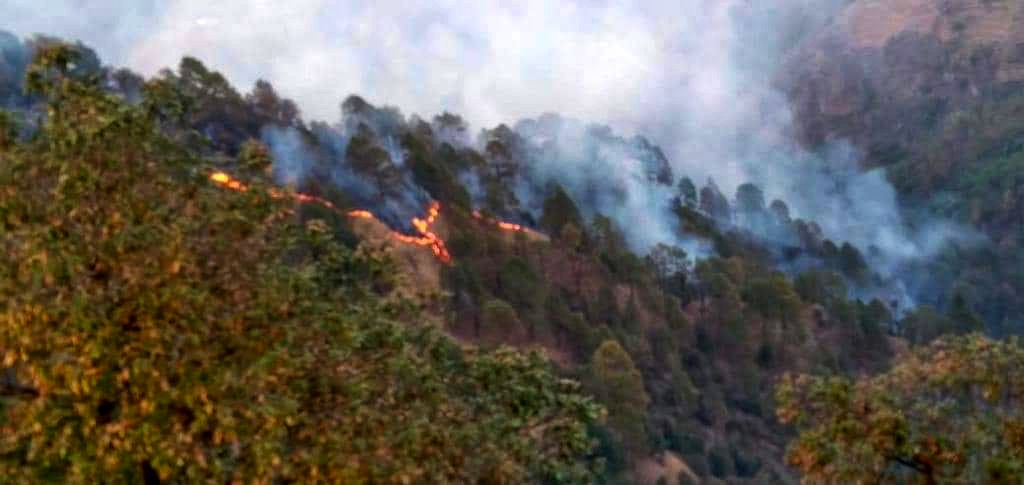
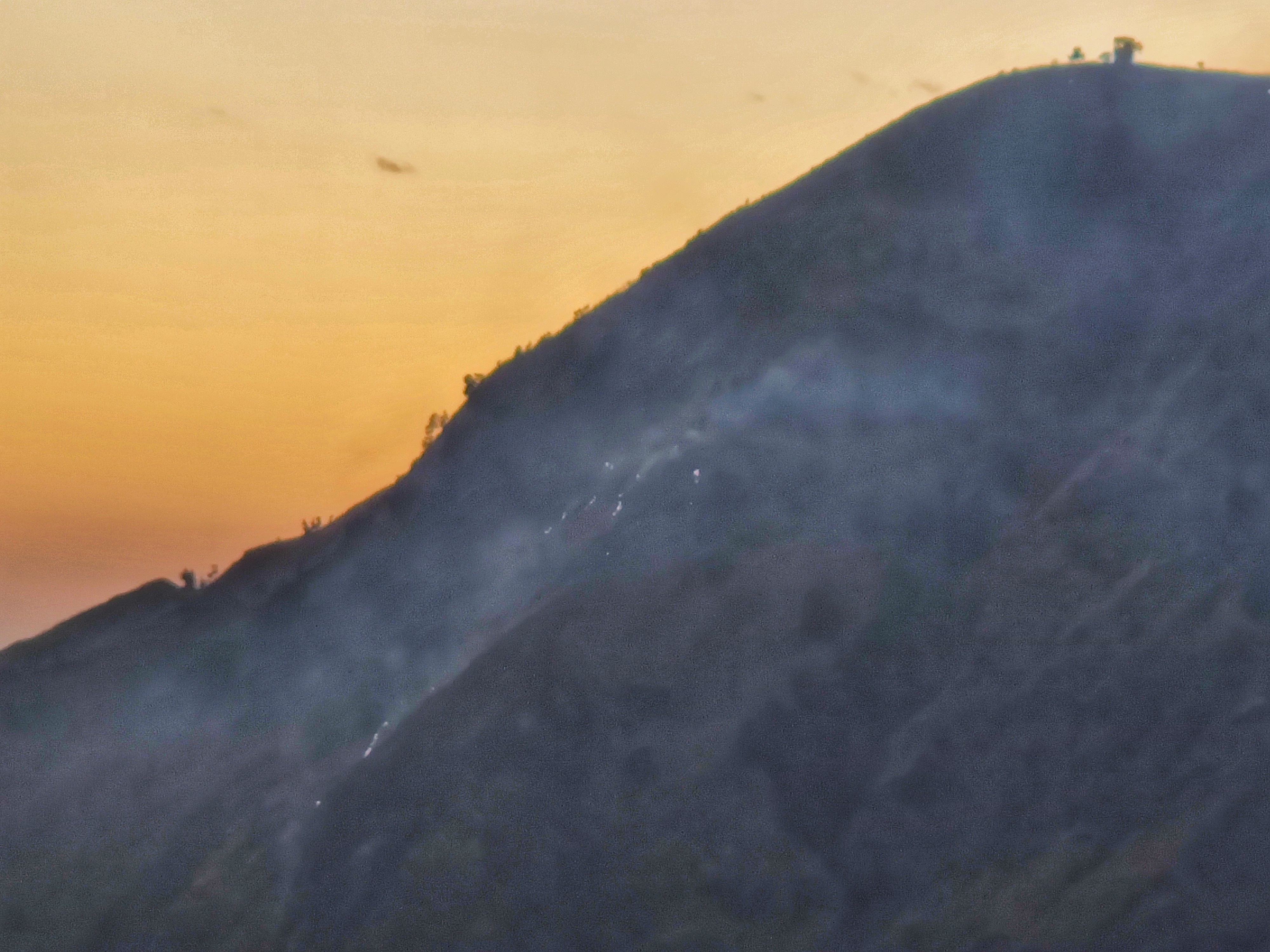
This is one of the worst years in the history of Uttrakhand where frequent forest fires has been witnessed in various parts of the state. It’s been three years, I am residing in the hillside near Landour, Mussoorie and every year I have observed forest patches under flames in this side of the lesser Himalayas. It’s a wistful moment to witness these tall Deodar, Pine and Oak trees being sacrificed in the fiery flames of fire.The media is also filled with reports, discussions and statistics of the area under forest fires and the efforts of the forest department and local agencies to combat holocaust. But are we actually future ready to combat such devastating scenarios caused by forest fires?
Multitude research projects conducted by forest departments and research agencies to combat forest fires are failing to tackle the holocaust caused by forest fires. The research outputs provided by the GIS and remote sensing agencies also failed to prevent the forest fires. Whether the forest fire is deliberate or consequence of the climate change, there is doubt and sense of insecurity whether we are actually ready to tackle the future events of forest fires?
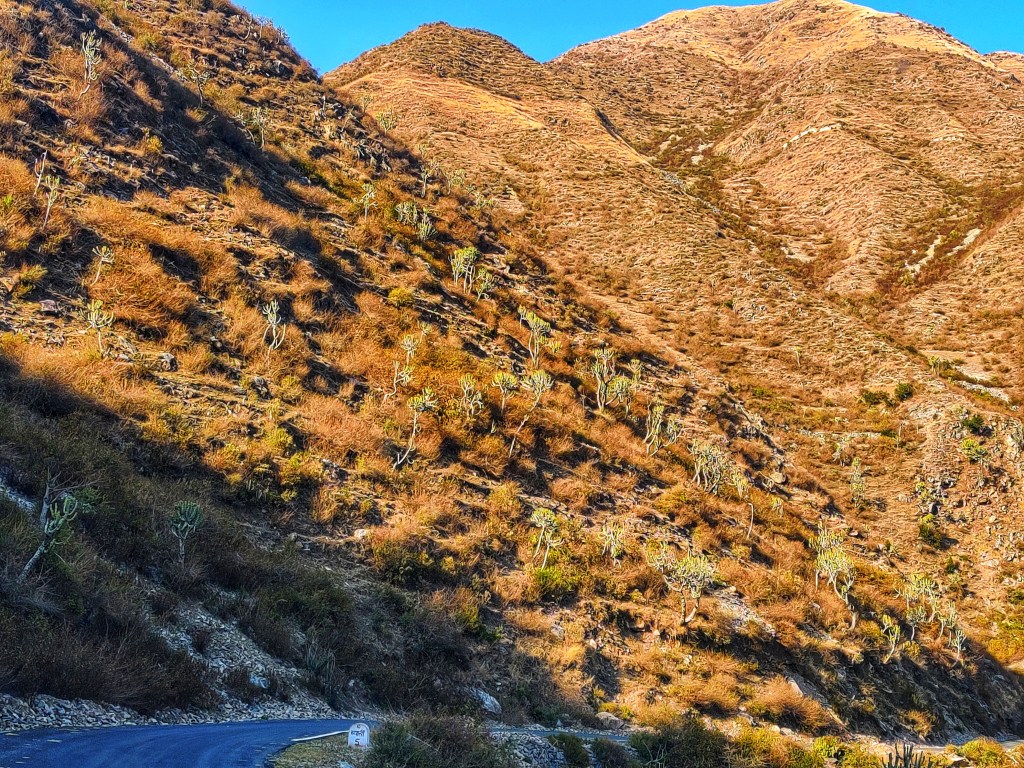
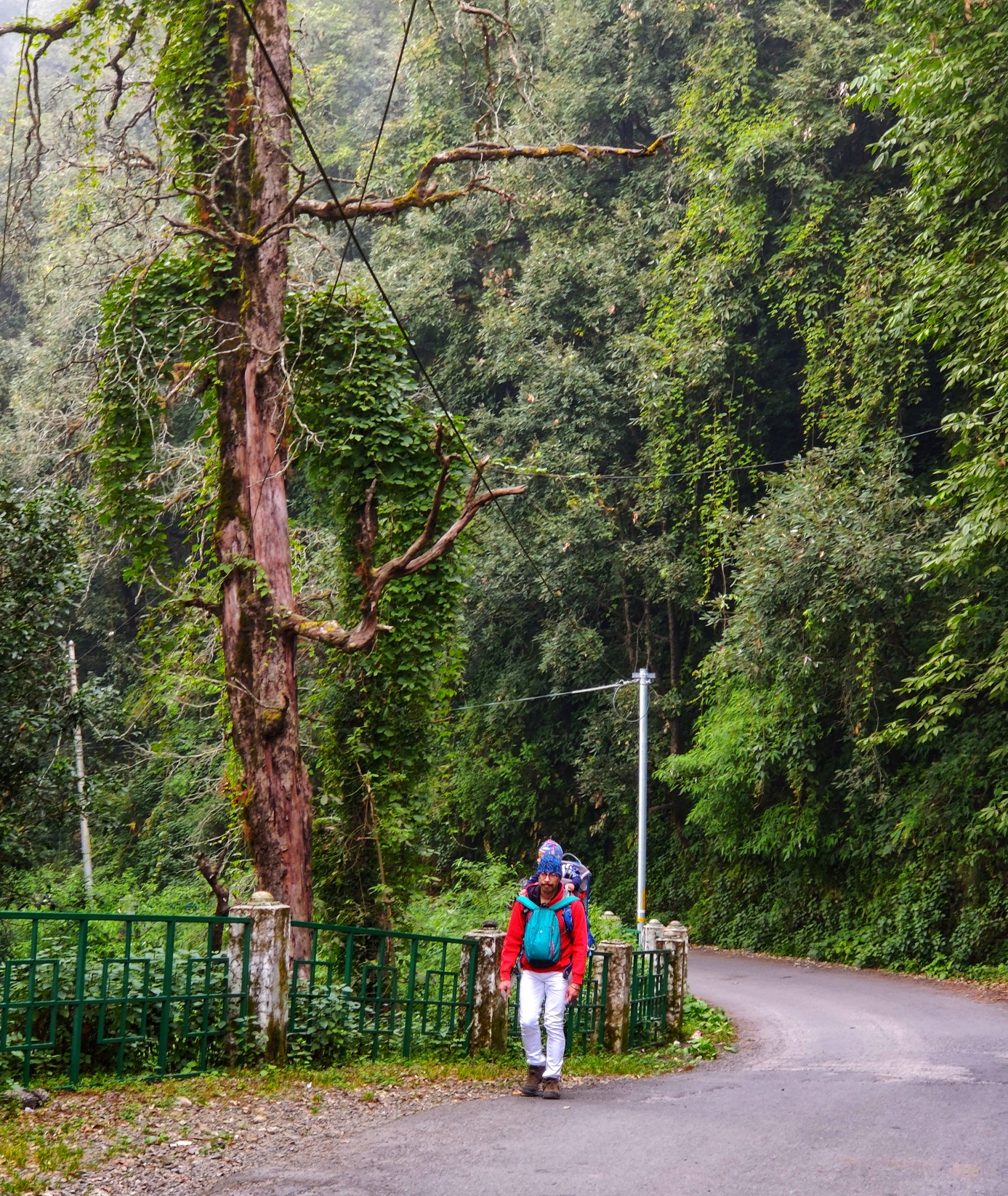
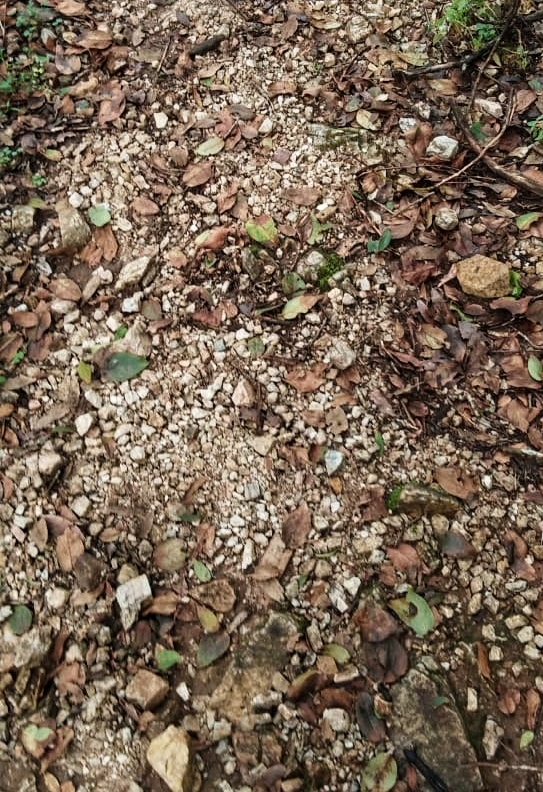
*Firebreak/Fireline, Jabarkhet Nature Reserve
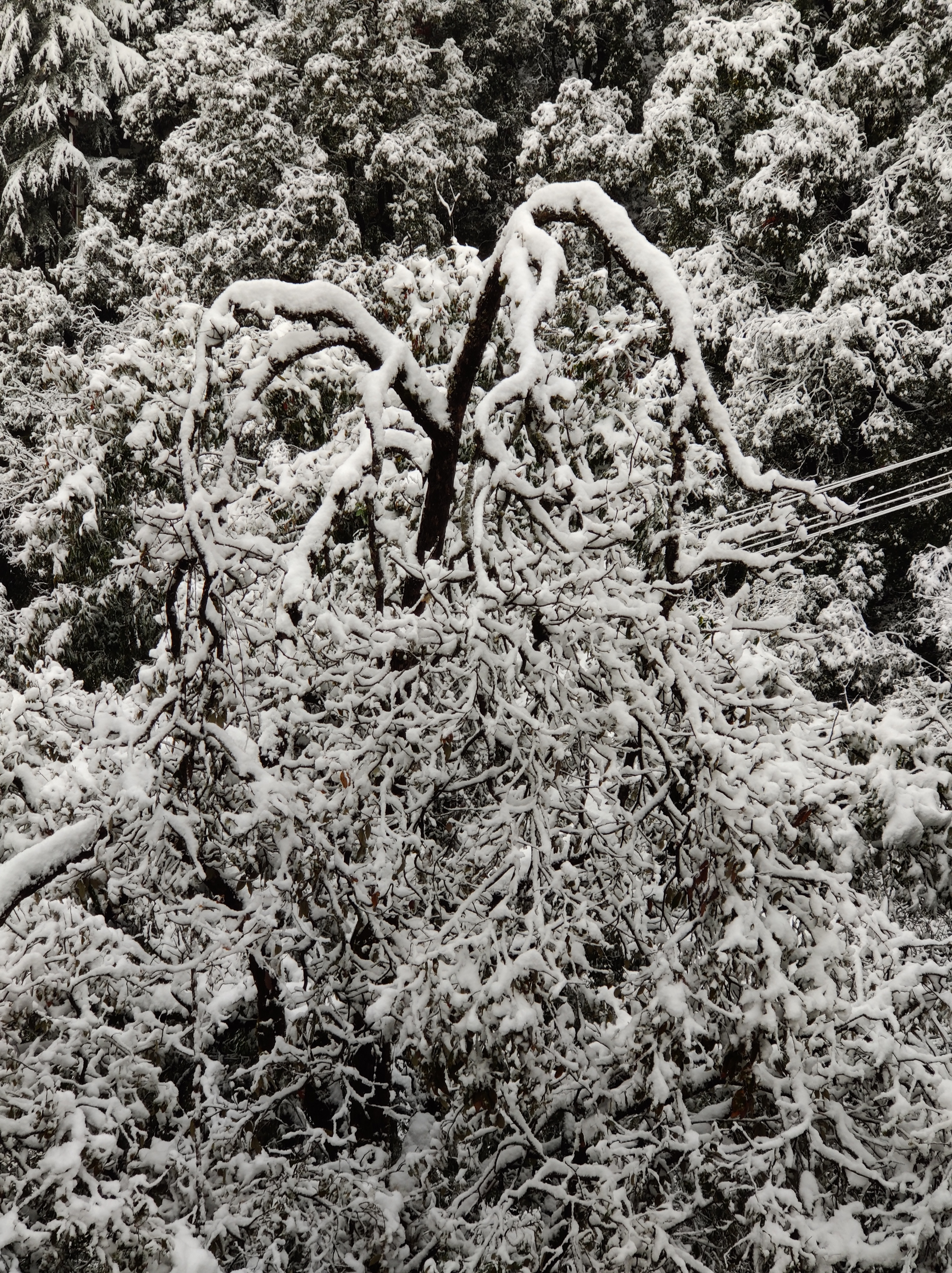
Unlike every year, this year it snowed very little in Landour, Mussoorie. The lesser Himalayas are also not untouched by the shift in the global climatic conditions. Snowfall helps to recharge underground water table. Erratic rainfall patterns also hamper to sustain moisture in the understory and subsurface soil. The Mussoorie hills were once covered with enormous forests. But with rapid urbanisation there is massive deterioration in the forest cover and landuse changes pattern under forest cover. The numerous streams, creeks etc have slowly started receding. The average temperature is also rising in the region due to lessened tree cover.
Besides the above-mentioned climatic factors anthropogenic agents play significant role towards forest fires. While hiking in Mussoorie and vicinity areas, I have noticed various signs of disturbances, e.g. fire, lopping, removal of woody debris, human waste, and garbage including food wrappers, glass bottles and plastic bags. Today also I heard a nearby forest burning in Jabarkhet Nature Reserve.
Rapid urbanisation, pollution, overpopulation, mushrooming hotels and campsites, dumping sites, littering, irresponsible tourism and insensitive approach of humans towards nature are few of the negative factors which paved way for environment degradation and biodiversity loss, ultimately paving way for forest fires. While I observed recent Bamboo flowering in Mussoorie and vicinity areas, the thought of water scarcity and dry conditions were bothering me. Nature has its own way of signaling disasters. Since time immemorial, the signs and signals given by nature and wildlife has averted many disasters. It’s important for us to recognize and decipher the signs and act judiciously to prevent and further protect our race.
The need of the hour is to be vigilant and adopt preventive measures to combat fires. The local EDCs, JFMs, Social Forestry sector and Forest departments should work alongside local people to create vigilant groups to responsibly report and combat forest fires. The garbage dumping sites are alarming and must be properly managed, otherwise apart from risk to the ecology, they might result in future forest fires in the adjacent areas if proper measures are not taken. Areas prone to forest fires as demarcated by Remote Sensing and GIS agencies alongwith Forest departments should be placed on high alert zones and fire management practices should be implemented during the peak seasons. Drones and Artificial intelligence technologies should be extensively applied to survey as well as monitoring. Aerial waterspray and if required artificial rainfall technology should be applied.
*Forest fire in Jabarkhet Nature Reserve, Uttarakhand
Cost benefit analysis of research studies and projects should be done responsibly so that the capital invested results in promising results. The knowledge and reports from laboratories must have field applications and should be disseminated to the forest departments and working agencies. Creating awareness and understanding in the local people about the forests and ecotourism prospects. Training forest personnel and volunteer groups to tackle destruction caused by forest fires. Miscreants involved in putting forest fires should be heavily penalized and strict laws should enforced towards people found guilty. Adopting soil and water conservation measures in the areas prone to forest fires and reforestation of degraded areas. Plantation must be done with region and ecologically specific plant species in the selected areas. Prescriptions and lessons learnt from the past incedences of the forest fires should be delivered and adopted to be well prepared for any event of forest fires in the future.
These selfless forests, who can’t speak for themselves are facing atrocities and wrath cruelity of mankind. It’s a new normal to come across such frequent news of forest fires. Modern Forestry methods must improvise to combat such issues. While we are busy playing blame games, some wilderness is lost in some corner of Earth, which will take ages to replenish. Words of famous author Leo Tolstoy sometimes echo in my ears ‘How much land do a man need’? The vulnerable mountain ecosystems are prone to encounter greater risk of impacts, hence coordinated efforts are required to develop effective strategies for adaptation and mitigation. The demand of the hour is to act responsibly, before it’s too late.
Found a road, which was less travelled, With a faith of finding new hope; But to my despair, I found barren mountains, Trees cut from the valley to the top!!
Reached the village, found many cattles, With few trees laden with dry grass; Quenched my thirst and thanked the old village man, And took some rest atlast!!
In dismay i thought, once forest gone, Will take hundreds of years to replenish, With water scarcity and rising temperatures; Life will be difficult to flourish!!
With these thoughts I bid adieu, And hastened my steps forward; Found a ray of hope in the barren mountains, And I thanked almighty for my journey so far!!
Trees are being worshipped since ages in India.Trees and herbs form integral part of rich cultural, social and traditional beliefs in different parts of the Indian subcontinent. If we go through ancient Vedic texts,Upanishads and Puranas, we can find mention of worshipping trees or plant parts in the texts. Infact every festival or traditional custom in India involves certain element of plant part. I have come across trees of different species being worshipped at temple premises, but today, it was for the first time, I saw an Old Oak tree being worshipped in an ancient temple near Mussoorie, Uttarakhand. As Oak tree (Quercus leucotrichophora) is a significant tree species in the lesser Himalayas, I was fascinated with the view of such an important tree species being worshipped here by local people.
It was the occasion of Shivaratri (ancient festival dedicated to Lord Shiva), I decided to offer prayers, which led me to visit an ancient temple of Naag Devta Mandir (Serpent God) near Mussoorie. When one follows Mussoorie-Dehradun roadway, just after crossing ITBP (Indo Tibetan Border Police) building, there is a small road leading towards Hathipaav road .The Naag Devta Mandir is situated few kilometres ahead of this picturesque metalled mountain road.
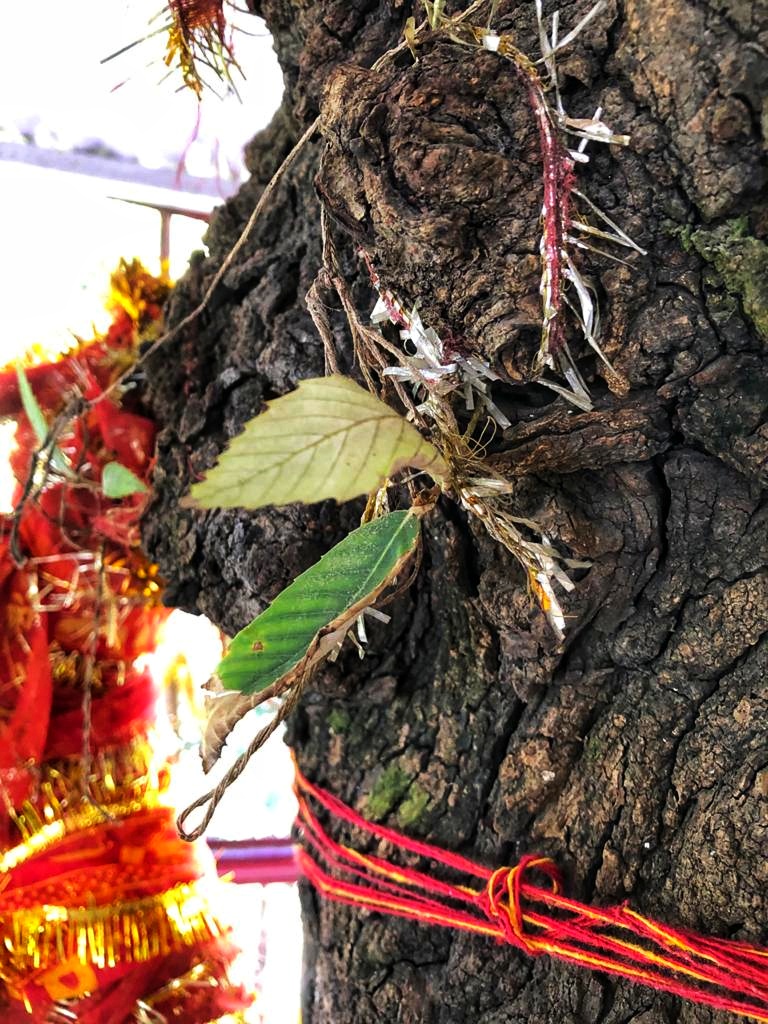
After reaching temple outskirts, there is a small pathway leading to the temple, which is built on a small hillock. The view from the temple is very scenic, which is surrounded by mountains and terrace farmed agricultural fields. The pleasant Himalayan breeze enthralls ones mind and soul with serenity and spiritual bliss. I offered my prayers to the deity and was doing parikrama. And I noticed an Old Oak tree tied with holy religious threads. I found that devotees worship the Oak tree and light earthen lamps and incense sticks and offer water. It was a indeed beautiful sight and I was mesmerized with the faith, trust and belief associated with the Oak tree. Being a student of forestry, I was aware of significance of this ecological importance of this forest tree species, but today’s experience gave me religious and spiritual insight of Oak tree.
Trees are worshipped not only in India but also in different parts of the world. In Europe, few aspects of Animism (ancient form of religion) can be observed, where trees are worshipped. In Germany, few of the oldest temples or sanctuaries are amidst tree groves. If we go through the history of different folk religions, folk lores in different parts of the world, we can find that there is the mention of trees often being homes of ‘tree spirits’. The term ‘druid‘ is possibly derived from the Celtic word for Oak. During my visits to various nooks and corners of India, I have come across many trees of different species being worshipped at religious premises. These temples, dargahs and churches are surrounded by age old trees and thickets making the place naturally serene, mystic and spiritual.
Oak trees are members of Beech family and are beautiful and marvelous. Besides being an ecologically important tree species, they provide food and shelter to various species of birds, insects and animals. They provide fodder, help in water and soil conservation, sequester carbon. But somehow, this tree is facing challenges in its natural habitat due to human made reasons. The rapid urbanization and expansion of the Mussoorie and adjacent areas is paving way for ecological as well as habitat degradation. Many foresters and researchers have found that there is high rate of mortality in some of Banj oak trees due to livestock grazing, lopping, extraction of fuelwood and various other biotic pressures. The mortality of this species is a matter of great concern which needs proper monitoring and research to find out the actual cause of the problem and also develop mitigation strategies to prevent the loss of the Himalayan legacy of Oak forests.
The Oak tree in the ancient Naag Devta temple embarked new insight in me towards conservation, faith, belief and hope. I hope these ancient age old trees and temples restore our conscience and motivate us towards nature conservation and humanity.
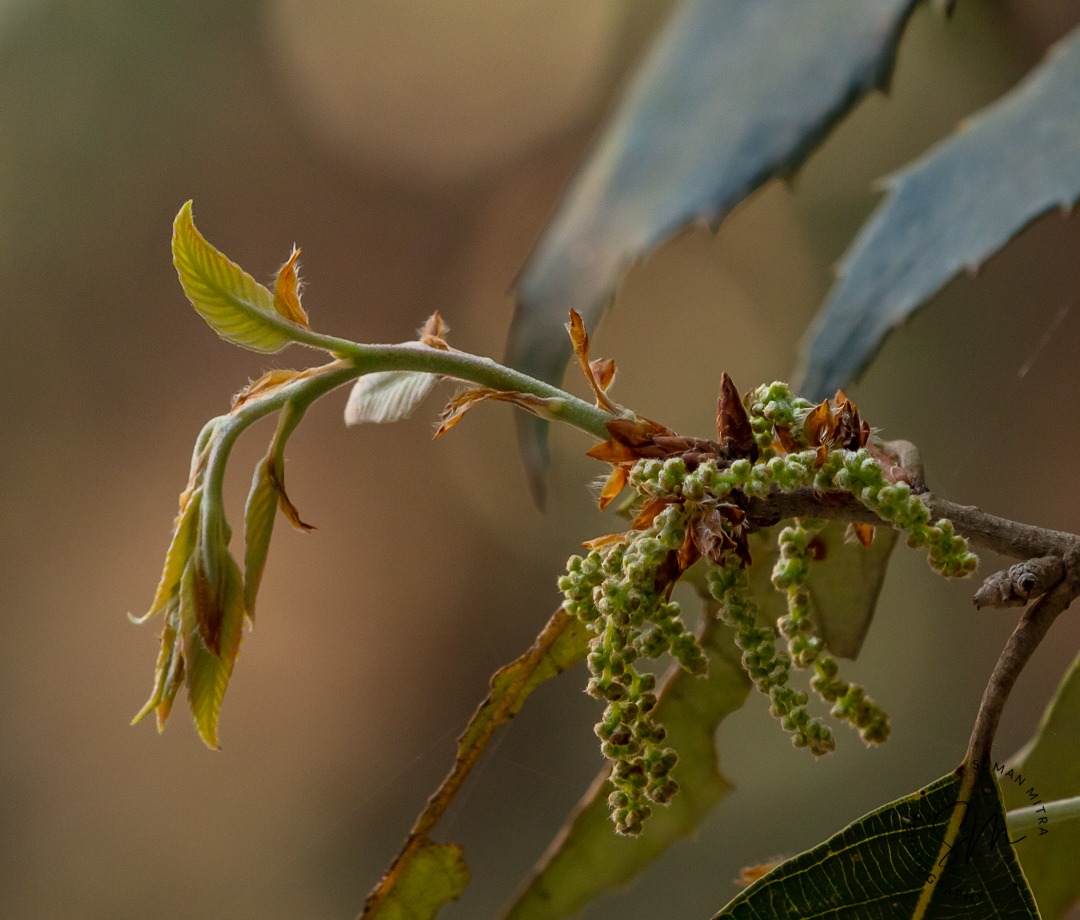
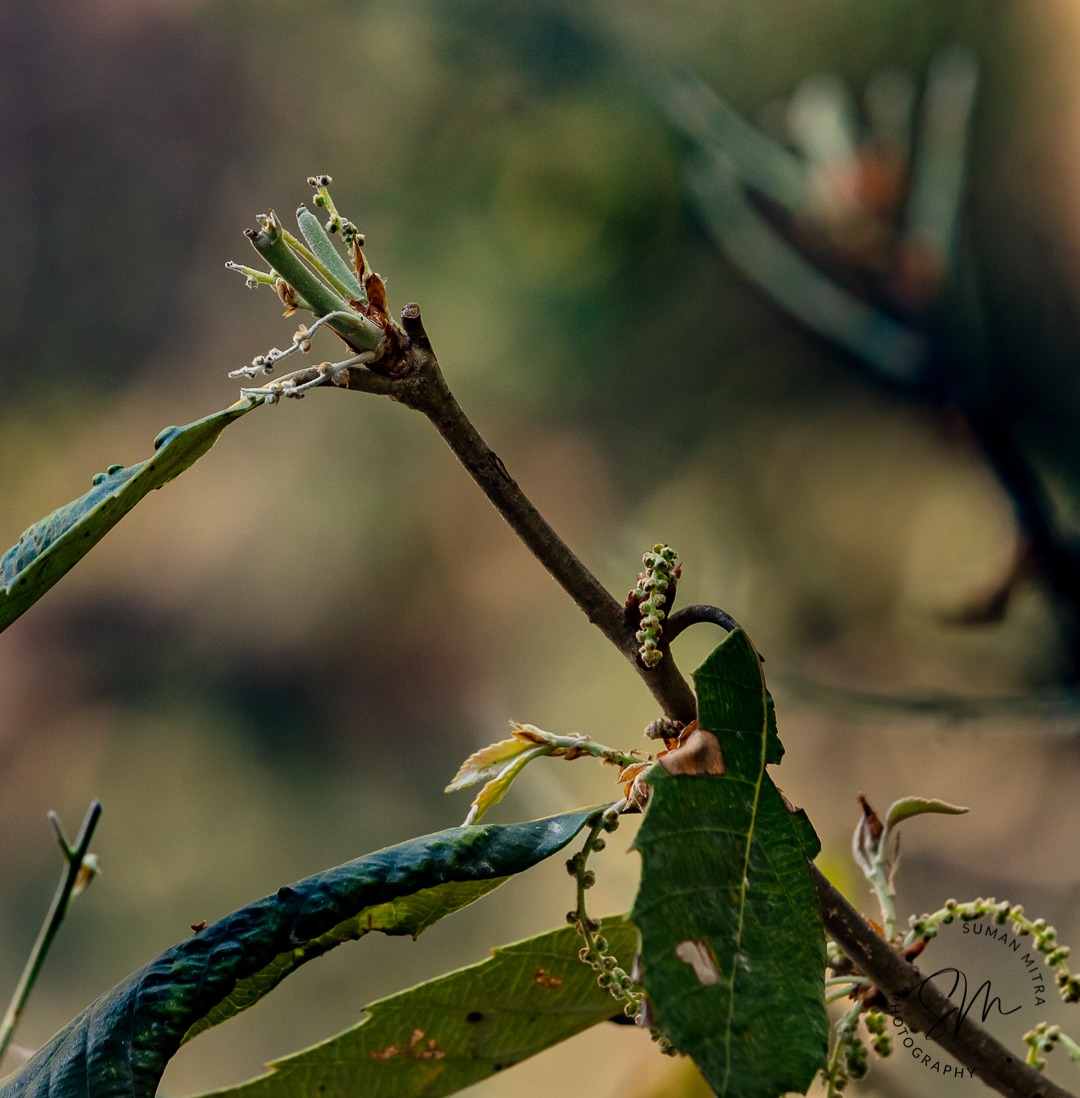
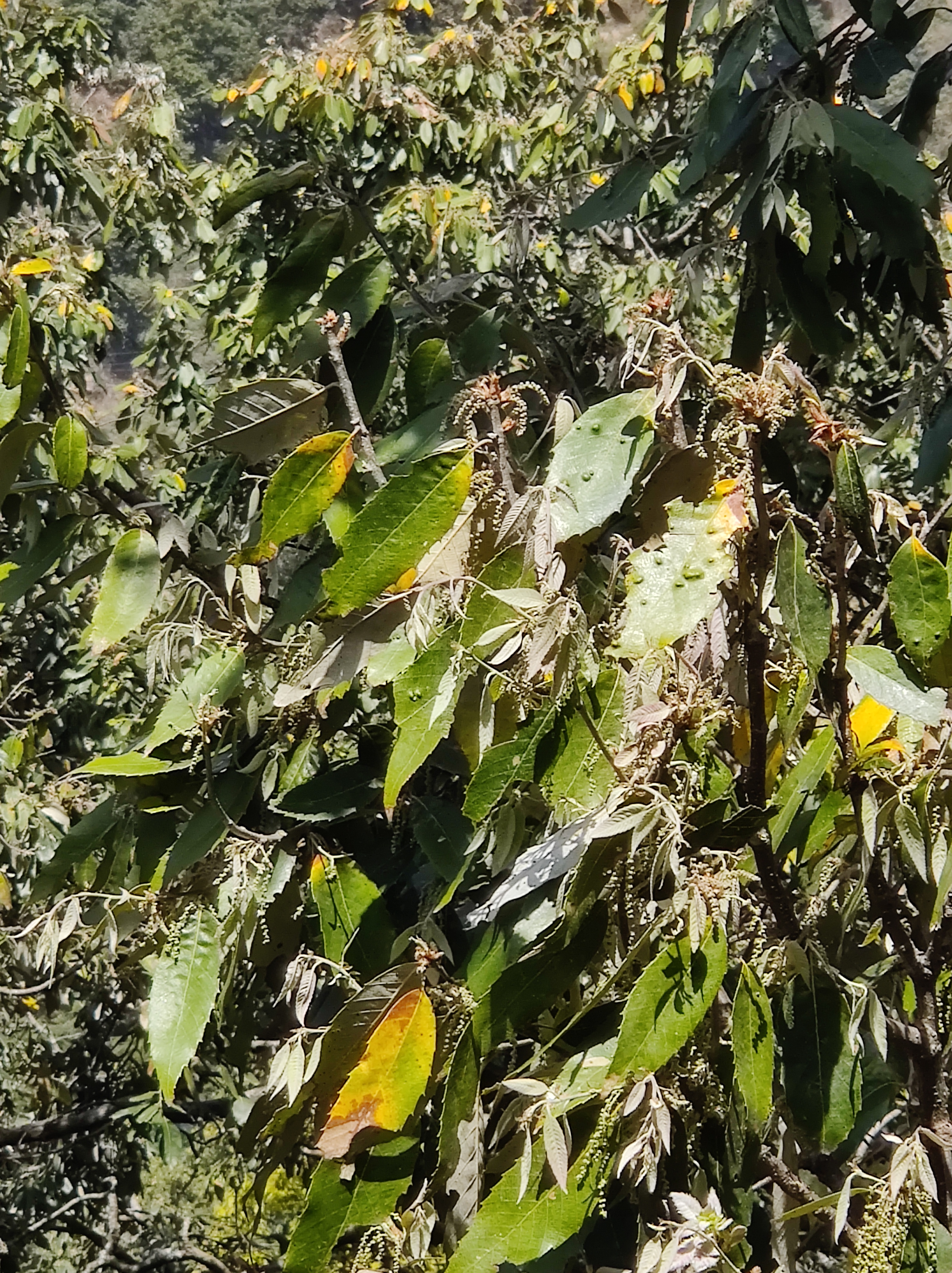
The most simple defintion of ‘flower‘ is colourful part of the plant also resonates as something colourful, delicate, fragrant. But nature is full of exceptions, because there are some flowers in the nature which are neither bright nor colourful and some without fragrance yet they play significant role in sustaining the ecology of a particular area. One such flower is the flower of ‘Oak tree‘ (Quercus leucotrichophora) commonly known as ‘Banj Oak’. The Oak trees growing in the lesser Himalayan hillside of Landour, Mussoorie are in full bloom alongwith the onset of the spring season.
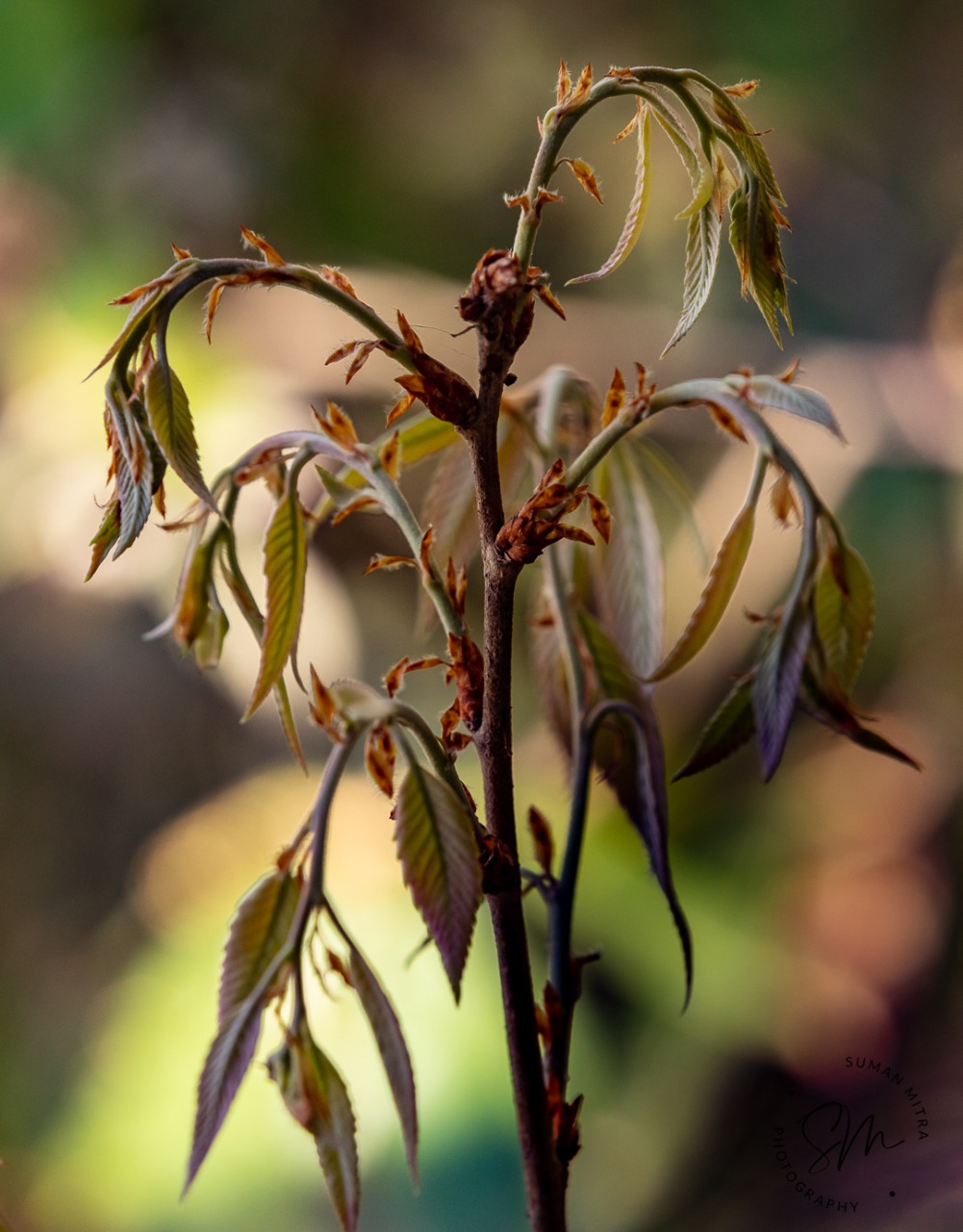
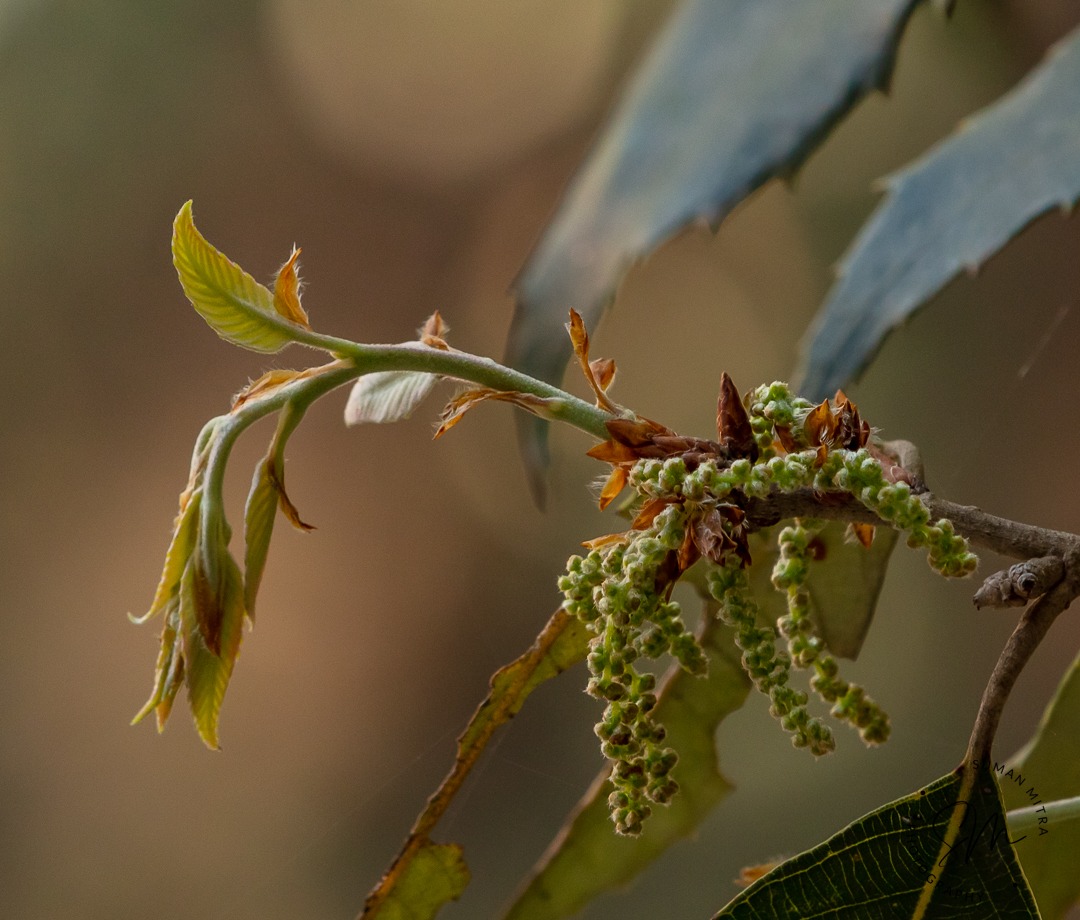
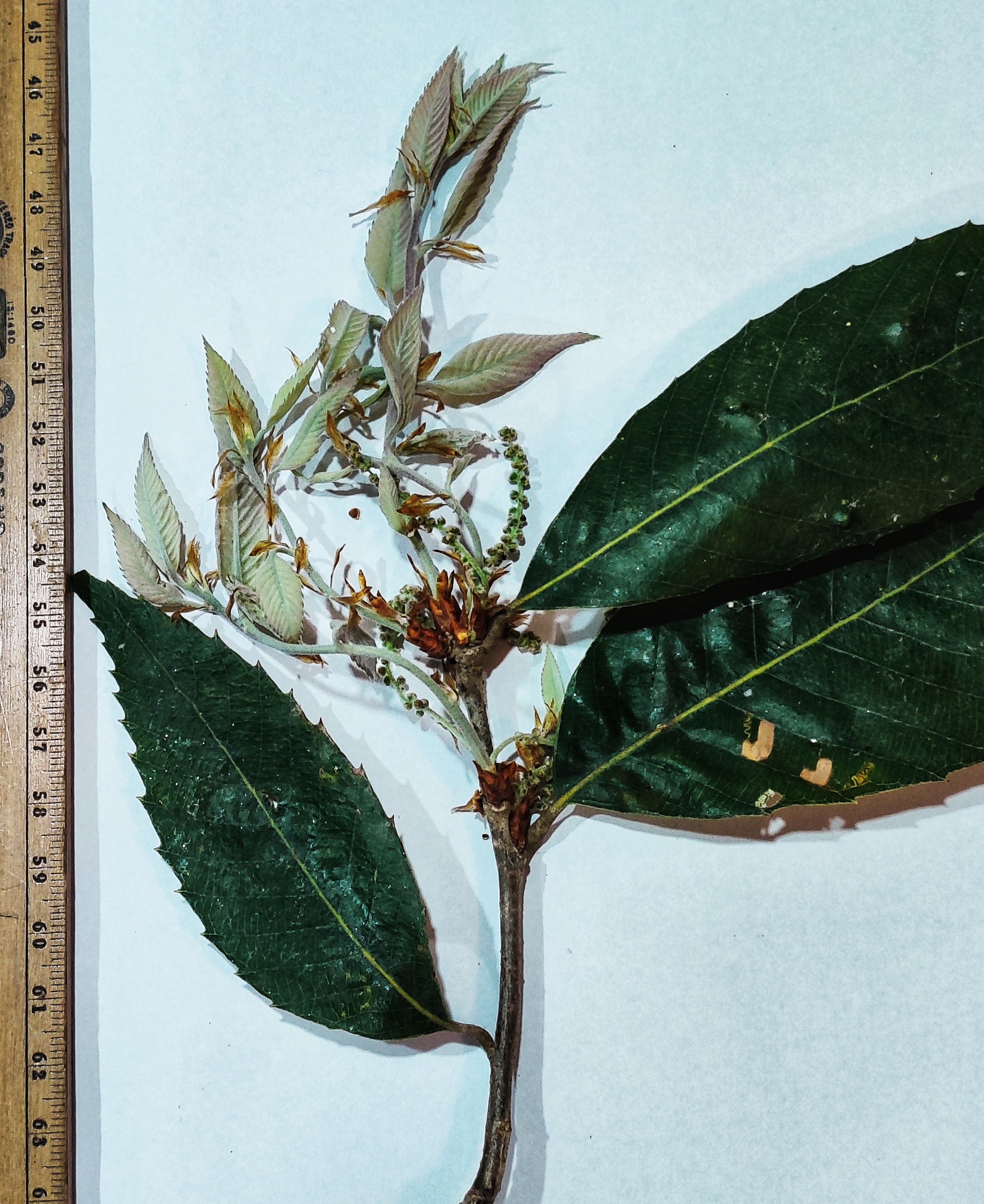
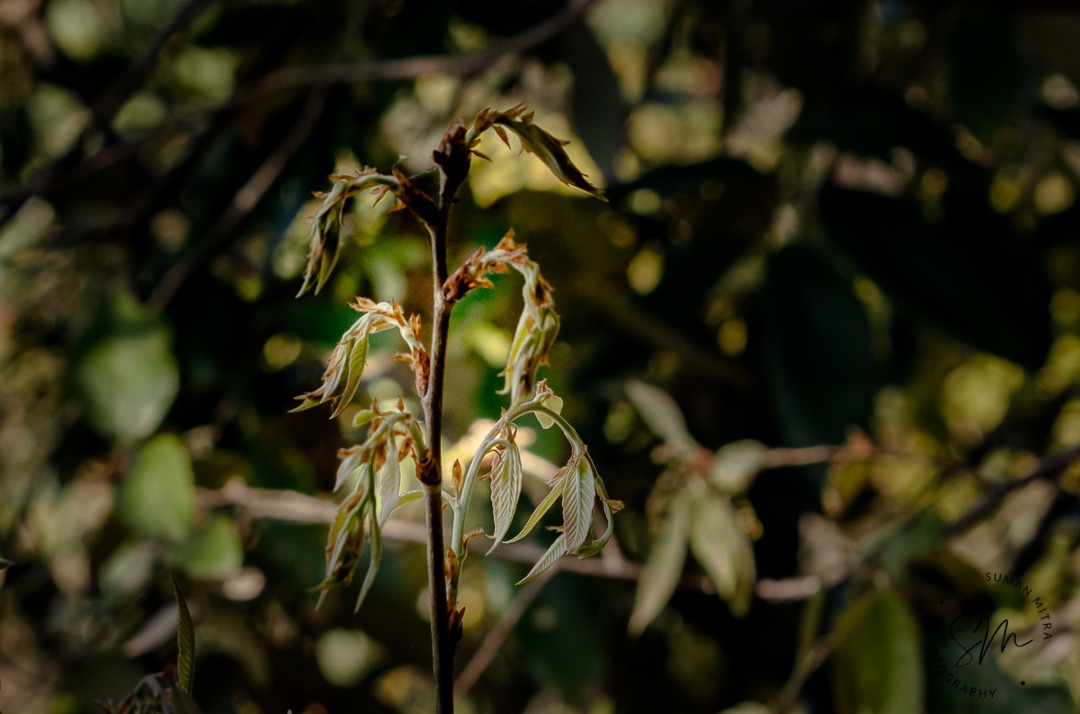
Oak tree is a flowering tree species and they begin to bloom in the spring. The yellowish green flowers are mostly unnoticed because they appear like new unfurled leaves from a distance. After spending several months in cold winter and snow, the warm spring aids the blooming of flowers buds and leaves. The Oak trees are monoecious which means that both male (staminate) and female (pistillate) flowers are present on the same tree. The male flowers appear as strings of beads hanging (catkin) from newly developed branches.
While the female flowers are somewhat hidden near the base of emerging leaves resembling as that of leaf buds and can viewed better under magnifying glasses. The male flowers produce pollen, while the female flowers produce eggs that will be fertilized once the flowers are pollinated. The pollens sometimes cause allergy during the blooming season. The flowers of Oak tree are mainly wind pollinated, although I have observed honey bees hovering on the Oak tree flowers.Also, I have observed sunbirds, blue whistling thrush, woodpeckers, Langoors and monkeys near new leaves (purplish brown colour) and flowers of the Oak trees. Proper studies should be done to have better understanding of pollination ecology and behaviour of Oak trees.
These Oak trees welcome each day of mine with sweet Himalayan melodies of the birds and breeze. These Oak forests are home to different birds, butterflies and animals. With the onset of spring I observed something is very busy these days in the quieter side of the hillside of Landour. The nature’s visitors are becoming more frequent and curious to enjoy the beauty of the blooming flowers in the Oak trees.
The Blue whistling thrush wishes pleasant good morning through its melodious song, the sunbirds hop from branches and leaf to lead sometimes get puzzled in themselves. The chorus of the cicadas are also distinctively audible these days. The Great Barbet often comes to sit on the top branches of the Oak trees and sings it’s loud, unmusical call to mark its presence. The jungle cacophony continues till dark when Mountain Scops Owl whistles to its tune. Beside birds, different varieties of butterflies and moths also do pay visit. The troop of Langoors and monkeys can often be seen relishing new leaves and acorns. Honey bees also hover around these freshly bloomed flowers.
Oak trees are members of Beech family are beautiful and marvellous trees. Besides being an ecologically important tree species, they provide food and shelter to hundreds of varieties of insects and animals. They provide fodder, help in water and soil conservation, sequester carbon. But somehow, this tree is facing challenges in its natural habitat due to human made reasons.The rapid urbanisation and expansion of the Mussoorie and adjacent areas is paving way for ecological as well as habitat degradation and the adjacent forests and environment are facing challenges.
Many foresters and researchers have found that there is high rate of mortatlity in some of Banj oak trees due to livestock grazing, lopping, extraction of fuelwood and various other biotic pressures. The mortality of this species is a matter of great concern which needs proper monitoring and research to find out the actual cause of the problem and also develop mitigation strategies to prevent the loss of the Himalayan legacy of Oak forests.
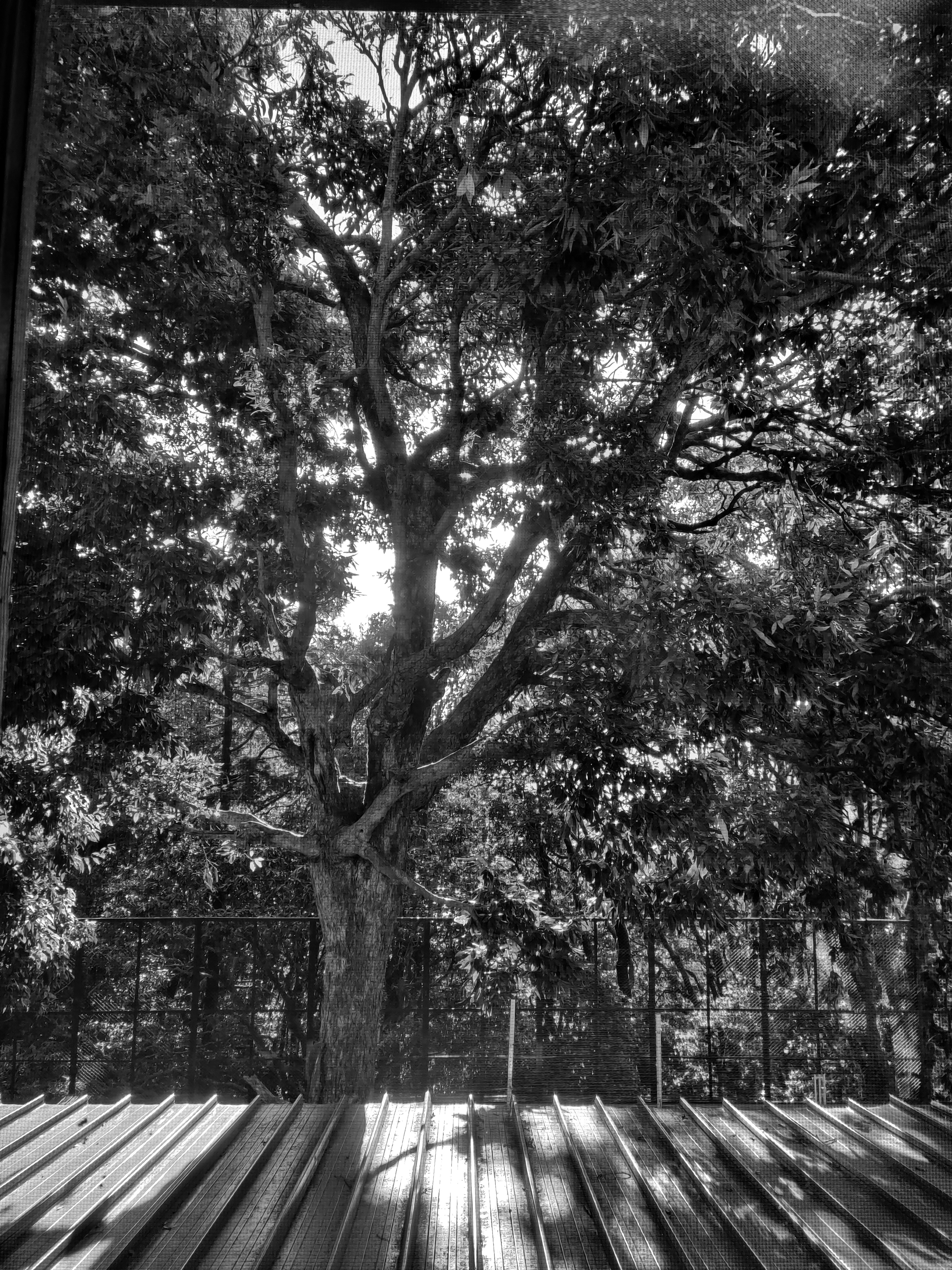
As soon as one enters the small hillside of Landour, Mussoorie; the old Oak trees, Pine trees and Deodar welcome everyone with open arms. The whistling Himalayan breeze blowing through the tree leaves endows life and hope in each and every corner of this beautiful hillside.
With the changing seasons these evergreen trees always add charm and continue to succour the ecology, biodiversity. Besides, they also help towards conservation of soil and water. But during recent years I have observed deteriorated ecological condition of these beautiful trees in Landour and adjacent areas.
While hiking in the area I have noticed various signs of disturbances, e.g. fire, lopping, removal of woody debris, human waste, and garbage including food wrappers, glass bottles and plastic bags. Today also I heard a nearby forest burning.
The garbage dumping sites are alarming and must be properly managed, otherwise apart from risk to the ecology, might result in future forest fires in the adjacent areas if proper measures are not taken.
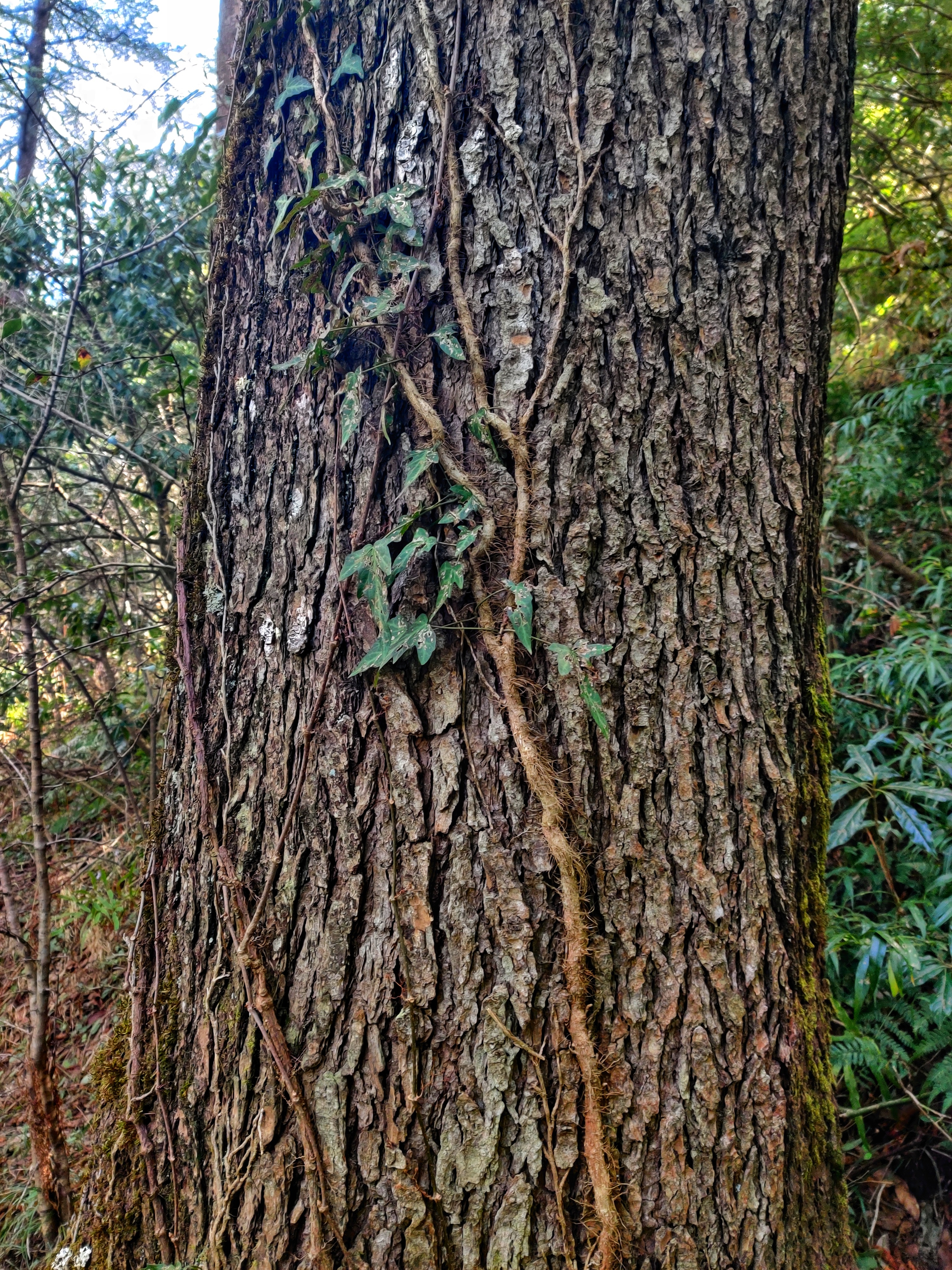
The rapid urbanisation and expansion of the Mussoorie and adjacent areas is paving way for ecological as well as habitat degradation and the adjacent forests and environment are facing challenges. Alongwith the huge influx of tourists, garbage littering has always been a major issue in the hillside. But apart from the above mentioned issues, there is an important aspect which I like to draw attention through the article. The Oak, Pine and Deodar forests are also dying slow death due a botanical component also, climbers and vines.
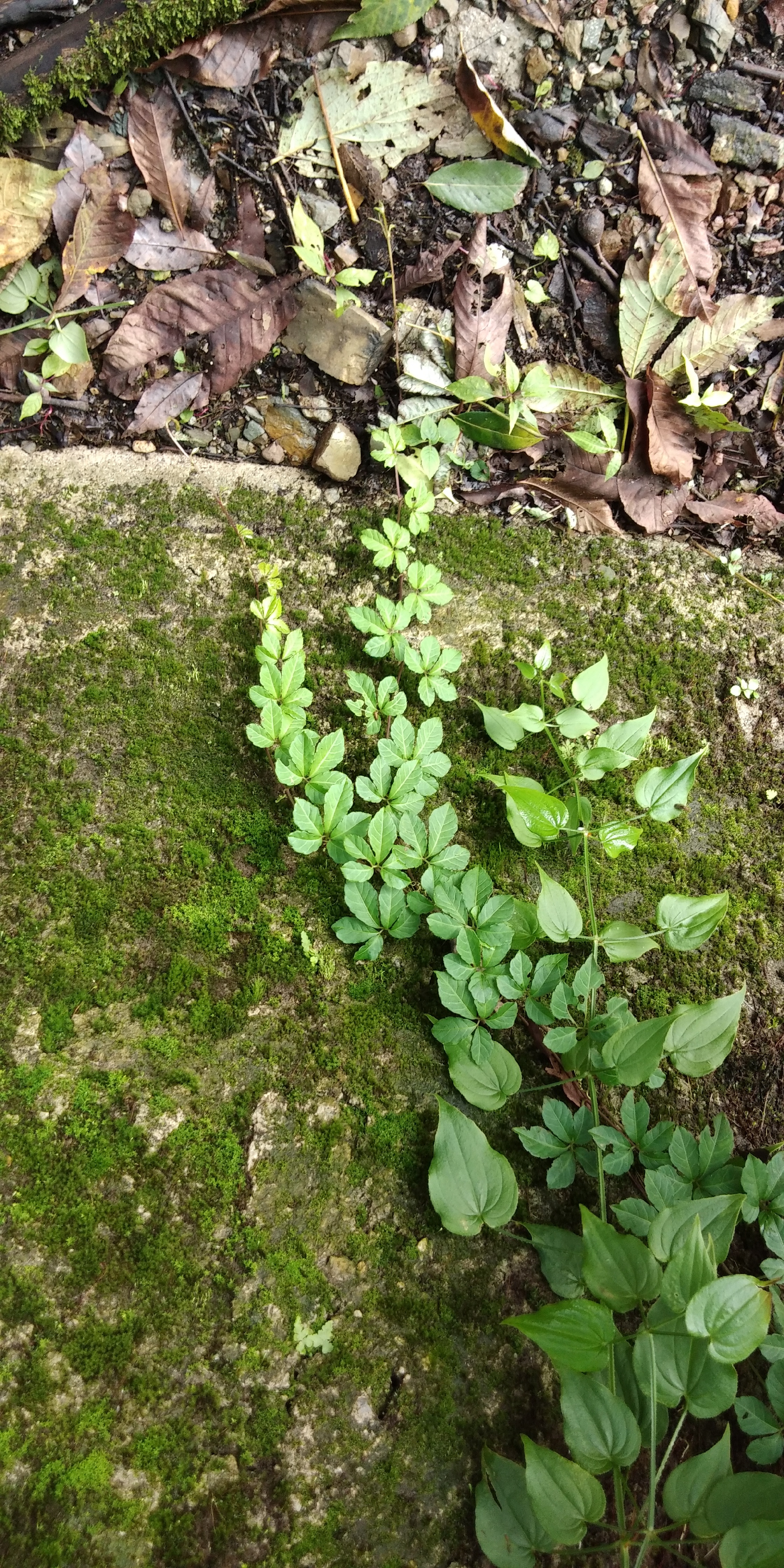
These climbers and vines slowly grow alongside trees and with the help of the hooks and suckers, they cause severe damage to the trees resulting often in the death of these mighty trees. The vines and climbers derive nutrition from the host tree and survives on it eventually it starts expanding its girth which ultimately leading to the death of the trees.
Sometimes, these climbers form a thick blanket covering the roots and bark of the tree. During monsoons the leaves rots and fungal infections also results in the death of the tree. These climbers cause damage causing cankers or cracks eventually destroying large forest covers in the area.
Hedera helix (common ivy), Vitis himalayan are the major vines, I have observed in Landour and vicinity areas which are actually speading fast and proper silvicultural operations must be adopted to control expansion of the species.
I have witnessed such phenomena in Oak tree (Quercus leucotrichophora A. Camus) also locally known as Banj Oak or Himalayan Oak tree and Deodar (Cedrus deodara) trees.
The Oak tree is a climax species in the region. Besides being significantly important to ecology, Banj Oak tree supports wide biodiversity. It provides fuelwood, fodder and timber and plays a vital role in conservation of soil from erosion and landslide, regulating water flow in watersheds and maintaining water quality in streams and rivers, and support high native floral and faunal diversity, thereby providing numerous ecosystem services to mankind in the region. Different parts of the plant such as seeds, leaves, fruit and dry gum resin is used to cure various ailments such as urinary infection, toothache, piles, diarrhea, asthma, hemorrhages, dysentery, astringent, diuretic, tonsillitis and snake bite, urinary tract infections.
Many foresters and researchers have found that there is high rate of mortatlity in some of Banj oak trees due to livestock grazing, lopping, extraction of fuelwood and various other biotic pressures. The mortality of this species is a matter of great concern which needs proper monitoring and research to find out the actual cause of the problem and also develop mitigation strategies to prevent the loss of the Himalayan legacy of Oak forests.The vulnerable mountain ecosystems are prone to encounter greater risk of impacts, hence coordinated efforts are required to develop effective strategies for adaptation and mitigation.
We live in a colourful world, colourful skies, green forests, vivid shades of flowers, vibrant life forms, art and paintings, but have you ever observed the different palettes of soil beneath our feet. Often we overlook some crucial objects in our lives even if they lie in front of our eyes. The soil, supporter of lifeforms has multiple hues and shades alongwith with changing soil profile and topography.
Being a student of geology and forestry, one is naturally inclined towards studying soil and formation and plant soil interactions. While studying and experimenting with soils, I was fascinated by the vivid hues and shades of soil.
The changing gradation of colours in soil profile or a geological formations under forest cover. The leaching, calcification, weathering creating colorful shades. No sooner I came to know that the art of soil paintings dates back thousands of years ago.
Around 40,000 years ago, artists invented first colours which was a combination of soil, animal fat, burnt charcoal, and limestone. The basic palette comprised of five colors mainly red, yellow, brown, black, and white. With the advancement in scientific technologies new colour pigments has accompanied advances in history of art and painting. Red Ochre, found in iron-rich soil was first used as an painting material in prehistoric cave paintings. Red ochre is one of the oldest colour pigments still in use.Soil colors serve as pigments in bricks, pottery and artwork. In different parts of the world, ancient cave paintings, pyramids, murals etc depict so much about the lifestyle during those days with the aid of soil colours as art medium.
*Cave paintings in India
In India, many cave paintings dating back to 30,000 years has been discovered in Karnataka, Madhya Pradesh, Maharashtra, and Uttar Pradesh. While traveling lengths and breadths Indian subcontinent, one can come across varying soil types and colours and textures associated with them. From red soil in north east India to black cotton soils in the western parts. Ochre colored soils to whitish kaolin rich soils. With the changing altitude and mineral composition the colour varies.
**Ancient cave paintings
Many consider soil as abiotic, ie without life, but actually soil is a living body, which is formed under the combined effect of parent rock, topography, climate, vegetation and the time.
The process of soil formation includes the combined effect of physical, chemical, biological and anthropogenic process on soil parent material and vegetation helps deciding soil characteristics.
The weathering agents in nature react with the soil particles sometimes and provide distinct hues and palettes of soil. In order to study and classify soil types Munsell colour code is often used by scientists as well as artists.
The study of soil and associated properties gives useful information to understand the possibility of utilizing the land for a particular use. Such studies become more important in fast eroding landforms like the Himalayas, the floodplains, deserts. There is limited knowledge and data of physical and chemical properties of soils and climatic conditions of different forest types. Therefore, sufficient theoretical and practical knowledge of various landforms and the complex relationship between the forests, soils and lifeforms need ample studies.
The paintings with soil has art medium are not only eco-friendly but also economic as well as creative exploration.The Dutch painter Hieronymus Bosch (1450-1516) used earth and soils as the main subjects of his paintings to evoke deep religious symbolism and meaning. In the recent years, people are experimenting considering soil as artistic medium in the recent years, clay pottery, art of rangoli are to name a few.
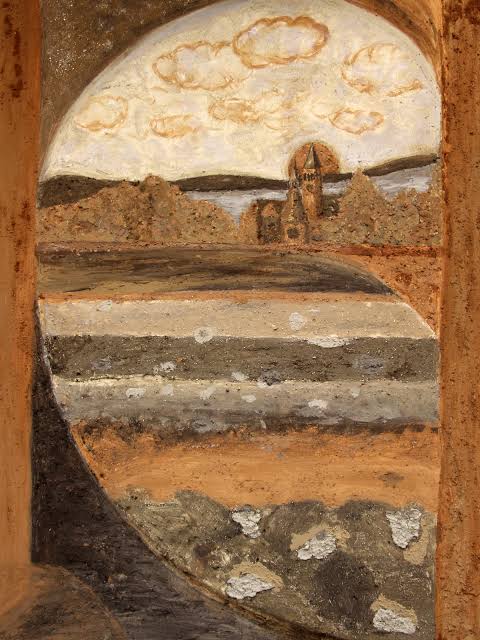
***Soil painting created by arists
Healthy soil not only provide us food but also multiple tangible and intangible benefits. Colours blend with vegetation, sky, water, etc. The color and texture of soil painting is a fascinating creativity.why not use them as colour pigments for paintings.
World Water Day is held on 22 March every year since 1993 which focuses on the importance of freshwater. About 2.2 billion people are living without access to safe water, while the global sources of freshwaters are reducing at a rapid rate. With glacier shrinking, rivers drying and global climate change , it’s a nature’s alarm to take action before it’s too late. With these thoughts few words slipped out of my pen.
Base of life; Or mere a molecule, Universal solvent are you, Water in the rivers, water in the bottles; So precious are you!!
Artificial greens, artificial meat, Artificial intelligence and artificial we,lives artificial too ; We have found substitute for almost everything, But can we find substitute for you.
The knowledge and conscience which we have gained today comes from nature, and primitive forests. Forests are the source of many mysteries and have played an significant role towards the evolution of mankind. If we look back into the evolutionary history of mankind, we will find that every aspect of adaptation and evolution of the primitive life and mankind has been inspired by the forests around. Forests play an important role from birth till death of a human life. They are the avenues which have clues to solve the greatest wonders.
Forests in full bloom, Rajaji National Park, Uttarakhand
Forests are great teachers and through ages they have taught us humility and respect for each other and also towards the environment. They have inspired to inculcate healthy and happier approaches to lead life. Our brains have evolved in such a manner that even today one finds solace and tranquility in the arms of nature and pristine forests.
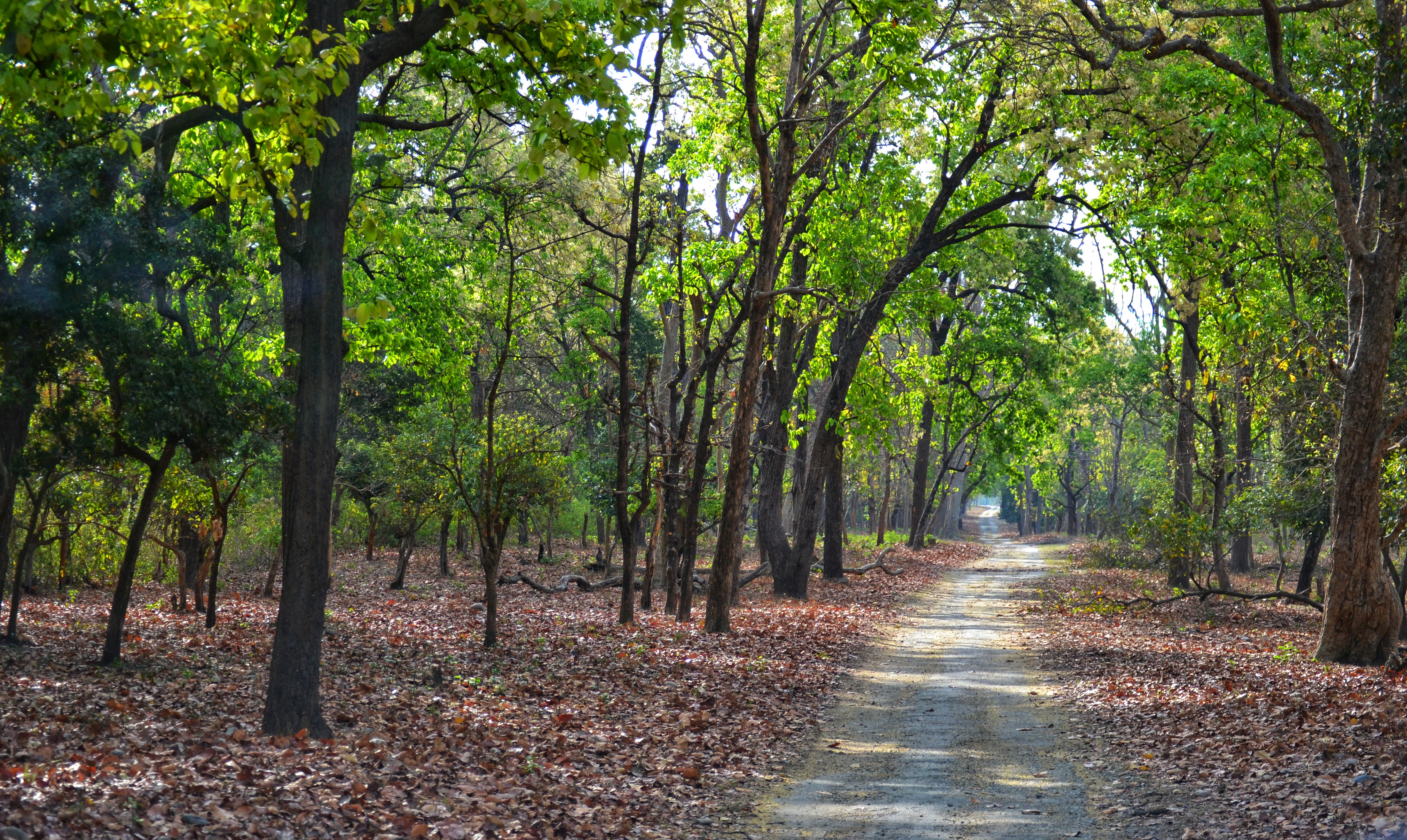
Forest trail in Rajaji National Park, Uttarakhand
People are now slowly transcending towards natural ways of living, to again connect with forests and nature, as they have realised the cacophony of the materialistic world can only provide fulfillment of selfish desires and leave one deserted, eliminating the sense of belongingness. Making unconditional bond with selfless nature and forests helps create oneness with mother Earth.
Near Dhaulkhand Range, Rajaji National Park, Uttarakhand
These selfless forests, who can’t speak for themselves are somehow facing atrocities and wrath of selfish greed mankind. It’s a new normal to come across frequent news of forest fires, illegal mass deforestation, encroachment, poaching, tree felling for expansion of cities. Modern Forestry methods must improvise to combat such issues. While we are busy playing blame games, some wilderness is lost in some corner of Earth, which will take ages to replenish. Words of famous author Leo Tolstoy sometimes echo in my ears ‘How much land do a man need’?
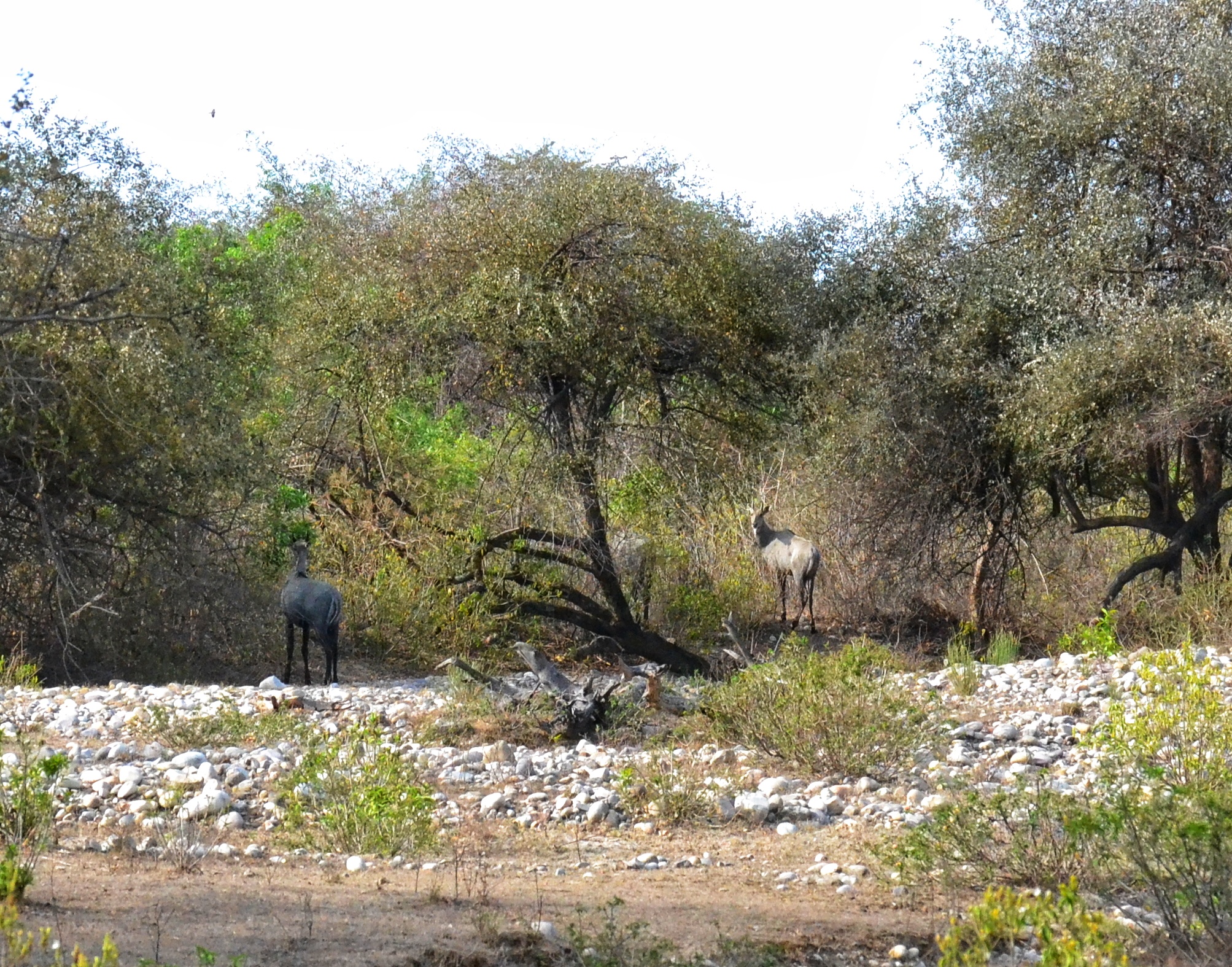
Nilgai (Antelope) in Rajaji National Park, Uttarakhand
Ever since childhood, I experienced deep-rooted connection with nature, forest and wildlife. I recall, while traveling to my grandparent’s place during summer vacations, the train traversed through dense forests, vast agricultural fields, over the rivers, through the tunnels, into the valleys.
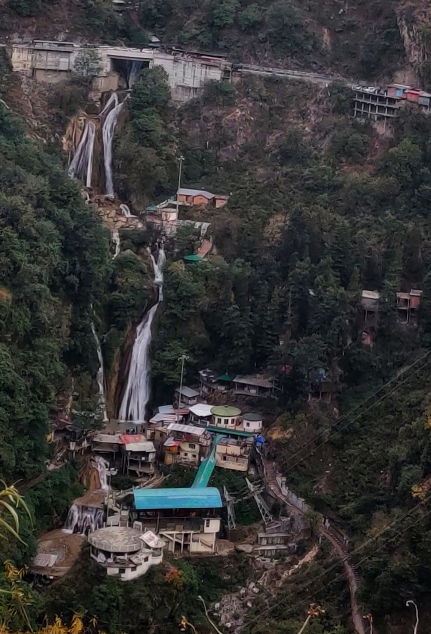
Tunnel leading to Rajaji National Park, UttarakhandRajaji National Park, Uttarakhand
I used to imagine what lied beyond these forests, is there a tiger lurking through the woods or herd of elephants silently waiting to cross the railway tracks, animals in the fields surpassing me, deers in the forest. I used to become wonderstruck and imagined who would have created these picturesque landscape and life with utmost pristine love and perfection.
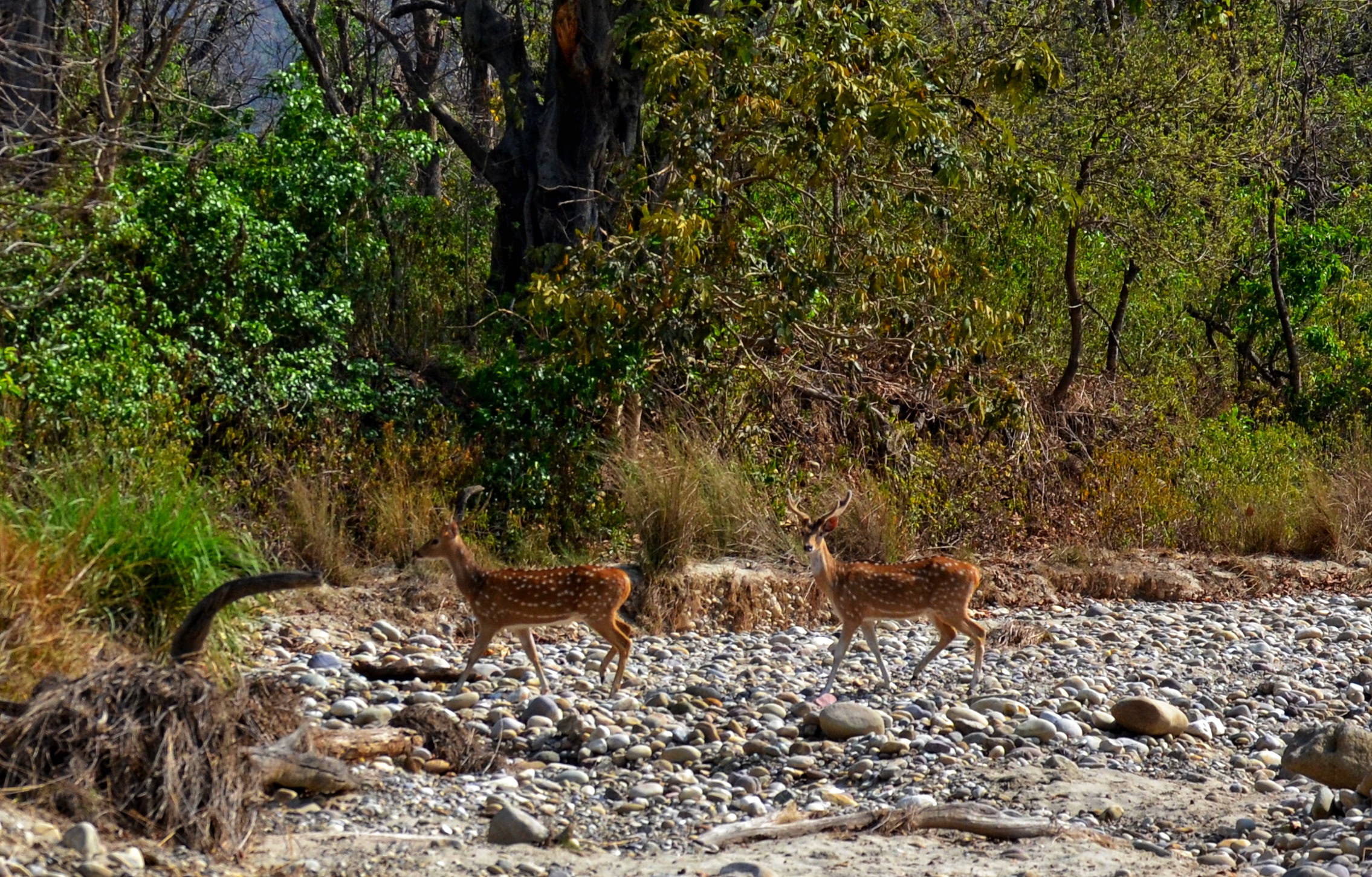
Deers inRajaji National Park, Uttarakhand
My encounters with diverse geologic terrains and the complex interaction of climate, soils and rocks, water, animals, (including insects and fungi) and plants as the defining elements of a natural forests inspired me to study Forestry. I learnt that forests are more than just a vast collection of trees. It is a natural, complex ecosystem, made up of a wide variety of trees, that support a considerable range of life forms. Forests and biodiversity are key to all life forms.The rich diversity of life, has immense opportunity for medical discoveries, economic development and adaptive responses.
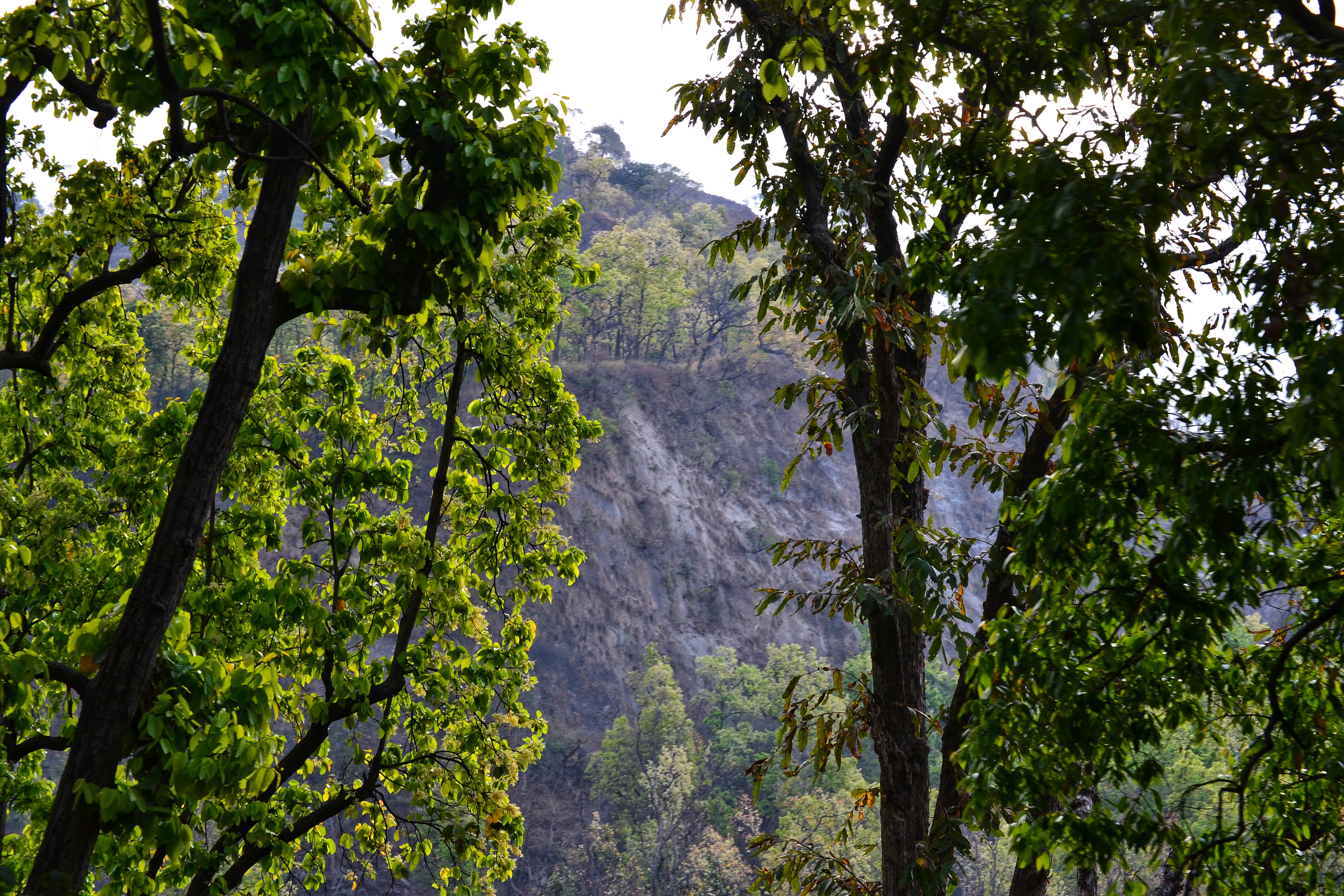
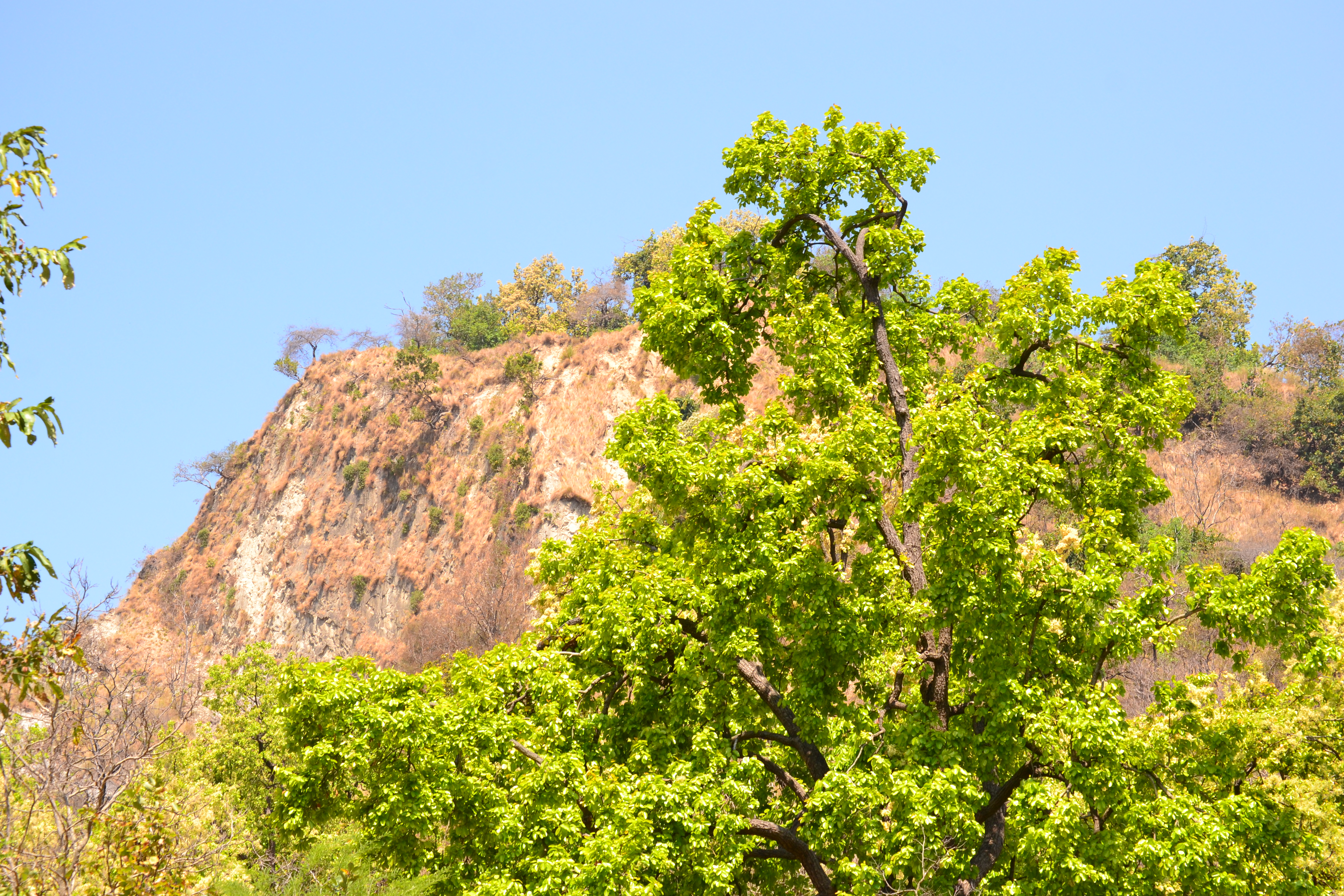
Shiwalik mountains inRajaji National Park, Uttarakhand
But to my dismay I realized that millions of hectares of forest is destroyed every year to cater and suffice the ever-increasing selfish and merciless needs of the human population. Present day forests are facing massive degradation. There is decline in the richness and health of the existing forests. Illegal and unsustainable logging and mining, over-harvesting of wood, small-scale farming, hunting, forest fires, and pests and diseases are threat to the present day forests. The ever-increasing demand of human being risked the survival of countless species, jeopardized people’s livelihoods and undermined the vital services that forests provide has posed threat not only to the nature and wildlife but also to the basic humanity and mankind.
Encroachment insideRajaji National Park, Uttarakhand
Now, when I peep into my memories and try to relate with present earth, I only search for those everlasting moments of happiness, fulfillment and accomplishments which I used to derive from the forests, nature and wildlife during childhood. I return back to reality in despair and the melancholy just to find that how almighty’s ultimate creation ‘Human Beings’ are responsible for the destruction and devastation of almighty’s creation.
Peacocks dancing, Rajaji National Park, Uttarakhand
The International Day of Forests was established on the 21st day of March, by resolution of the United Nations General Assembly. As we celebrate World Forestry Day, we express our deep gratitude and thankfulness towards Forests.
I came across these lines in Silent Valley National Park, Kerala, truly inspiring
The shade of each leaf The moisture on Each grain of sand Every little hill fold That you see Gives to the river That flows into the landmasses Gives life to all our lands Conserve Nature
It was one fine evening, I was taking a brisk walk amidst forest fringe village of a remote district of Assam, India. The weather was pleasant and I could feel the cold breeze coming from the mighty river Brahmaputra, which can be seen from a distance.
Sunset at river Brahmaputra, Assam
Through the lush green fields, I could see some trees in the vicinity. Oh! It’s a Broken Bone tree, I was filled with excitement. It was for the first time I saw the ‘Tree of Midnight Horror’ also known as ‘Broken Bones tree’ or ‘Tree of Damocles’, scientifically known as ‘Oroxylum indicum’ in its natural habitat.
Paddy fields in a village side, AssamTree of Midnight Horror/ Tree of Damocles: Oroxylum indicum
There are various beliefs and thoughts associated with this particular tree. Some say that, during dark nights when there is thunderstorm and lightning bolt, the tree casts horrifying images, and so the name ‘Tree of Midnight Horror’. While others say that, the large leaf stalks wither and fall off the tree and collect near the base of the trunk, appearing to look like a pile of broken limb bones, hence also known as ‘Broken Bone’ tree. The long fruits curve downward and resemble the wings of a large bird or dangling sickles or swords in the night, resembling “sword of Damocles”. In India its also known as ‘Bhootvriksh’ which literally means ‘Ghost tree’. This tree is also planted in different parts of the world as an ornamental tree species, for it’s peculiar appearance.
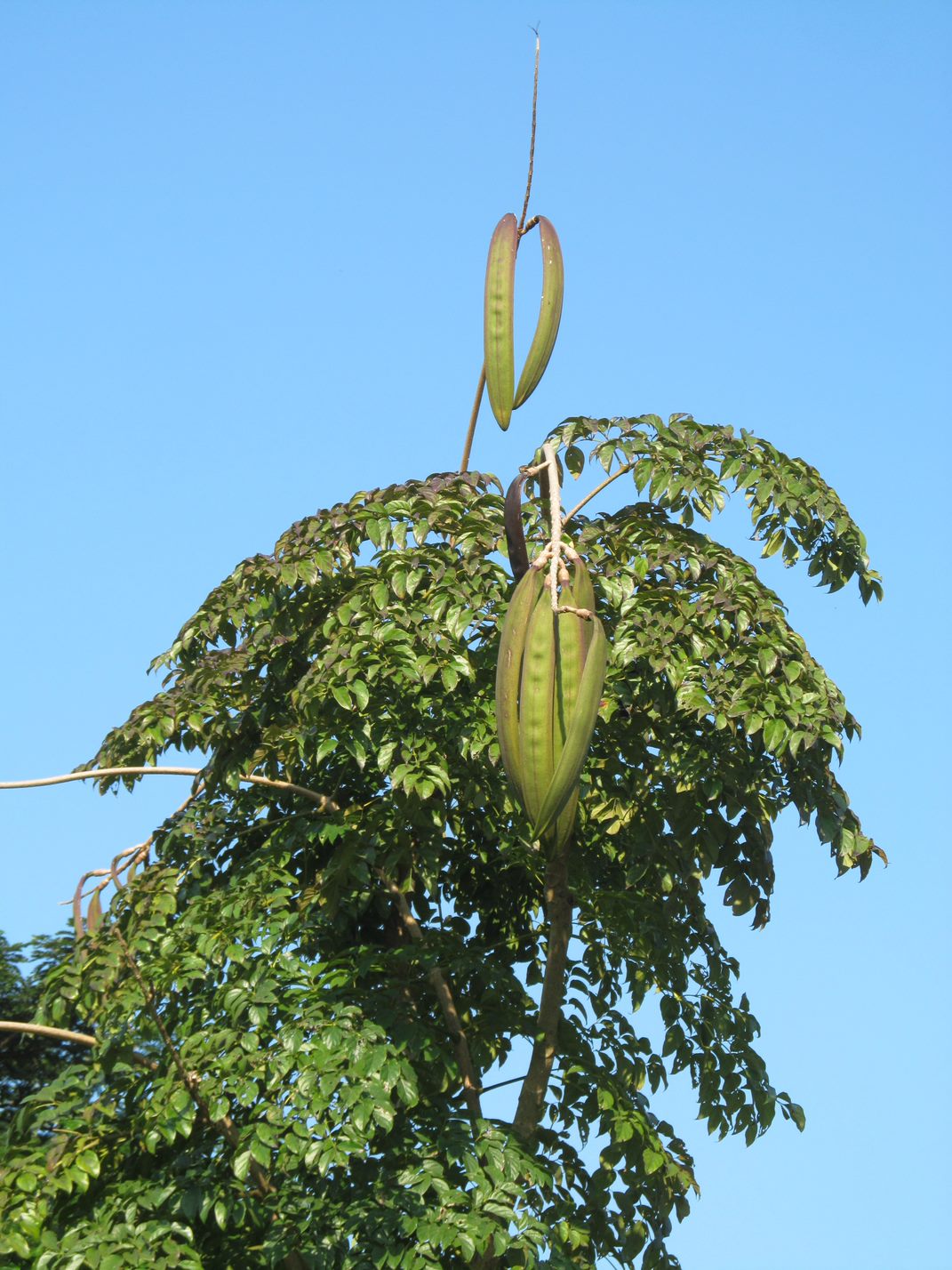
Long flattened pods of Midnight Horror tree, Oroxylum indicum
I found a small pathway leading to the tree and to my astonishment, no sooner I reached the tree, one of the dangling pods burst opened with white papery seeds fluttering like butterflies gliding with the wind and dispersed long distance. I was wondering with amazement as if the tree welcomed me. The tree has thin papery seeds which are creamish white in colour and are also known ‘Muhudie’, or the tree butterfly (mu means tree; hudie means butterfly). As a token I collected few seeds and the long pods of the tree.
Germinated seedlings of Midnight Horror Tree (I tried to germinate the seeds collected)
Oroxylum indicum has its mention in many ancient texts. In Buddhism, this tree has special mention. The tree bears fruits in the form of long flattened pods which bears many flattened papery seeds arranged in flaky sheets which are used during rituals as an offering to gods. The flowers of the tree has typical smell as that of raw papaya and are pollinated by bats. The tribals and rural people in Assam believe that pods hung on kitchen walls or near dining area help prevent choking while eating food in elderly people.
This night blooming tree has immense medicinal value. The plant has anti-cancer, anti-tumour and antimicrobial properties. It is believed to be prescribed to treat toothache, rheumatism, wound, splenomegaly, gastralgia, dysentery, cholera, loss of appetite and fever. Besides, the decoction of the bark is known to cure gastric ulcer, mouth cancer, scabies and other skin diseases. The paste in the neck and throat area for quick relief of tonsil pain, and it is also applied on the wounds of animals to kill maggots. The long pods are used to kill crabs in paddy fields. But, for some reasons, this tree is endangered, vulnerable and threatened in different parts of Indian subcontinent.
Sunset in the green paddy fields, Assam
The sun was slowly setting down and I hurried my steps back through the paddy fields. Ofcourse I collected some seeds and pods of this mysterious tree. The moist and humid air was filled with the smell of leaves and grasses composting and frogs croaking in the marshy waters.The vast open paddy fields with lush green cover, some egrets and kingfishers waiting patiently to catch fish. I once again looked back at the tree and made my way back home. Destiny has its own course, who would have known that in future I will complete my doctoral research thesis based on this particular tree species.
































 Dr. Chandrima Debi's Blog