Here comes the spring and season of flowering has already begun in the beautiful state of Devbhoomi, Uttarakhand also known as the ‘Land of Gods‘. This marks the celebration of a folk festival in different parts of Uttarakhand, ‘Phool Dei‘. Phool means flower and ‘Dei’ is a ceremonial dish prepared on this occasion.
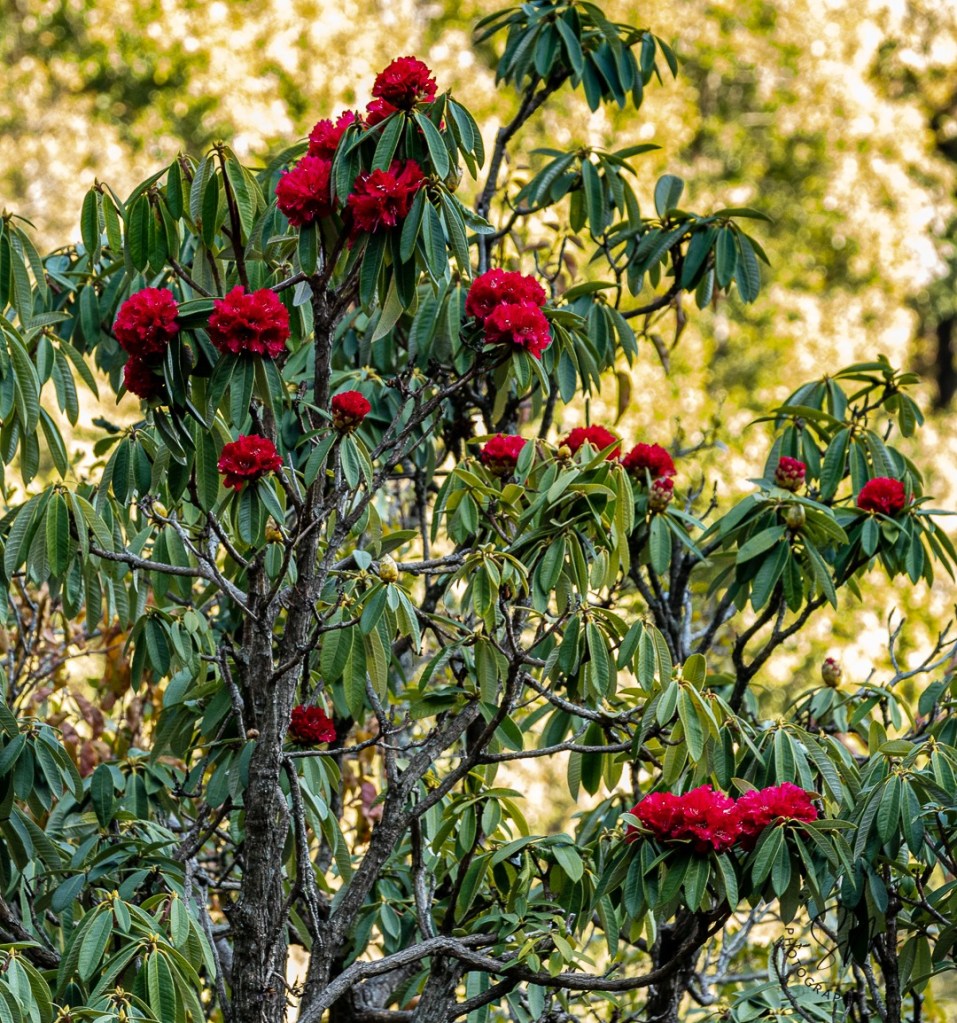
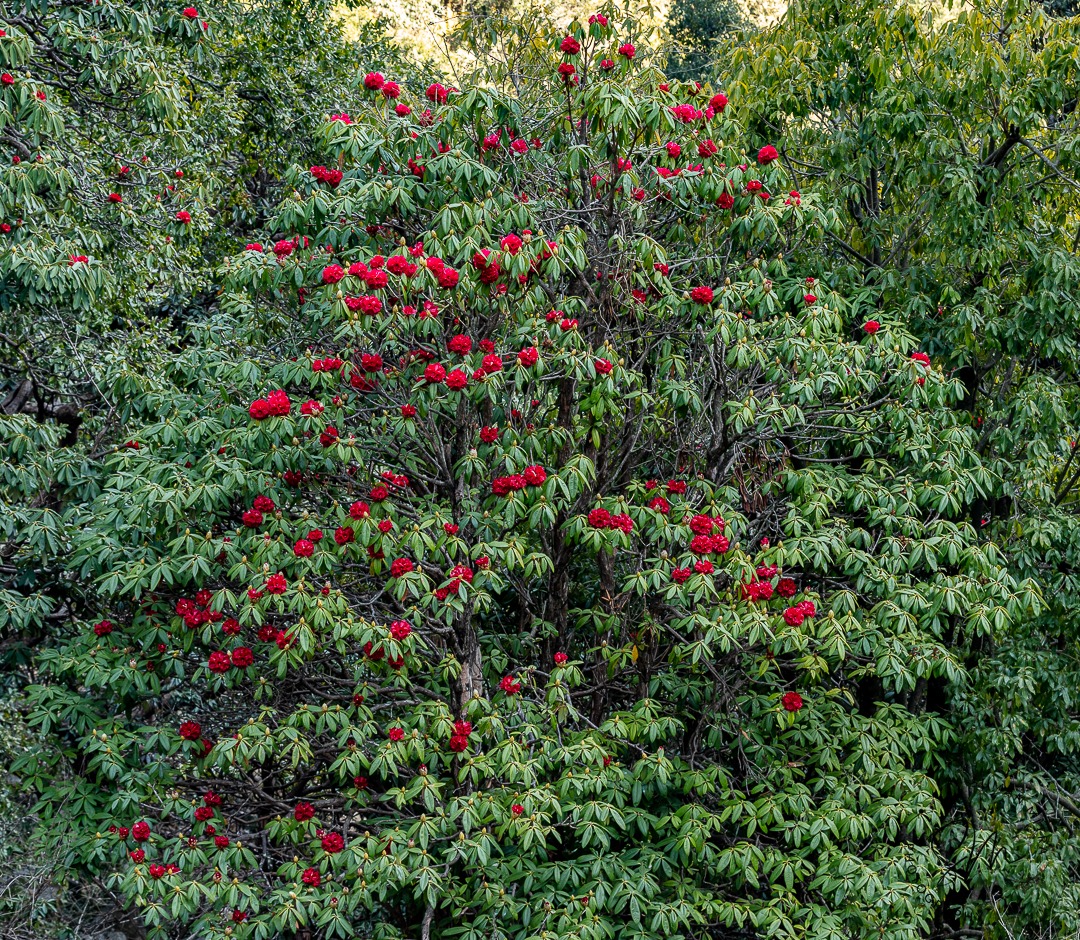
Rhododendrons (Rhododendron arboreum)
After long winters when the Himalayan snow slowly recedes away, the people of Uttarakhand celebrate the year’s harvest along with arrival of spring and seasonal blooming of Rhododendrons (Burans). Rhododendron is also the state tree of Uttarakhand.
Rhododendrons blooming in Himalayas
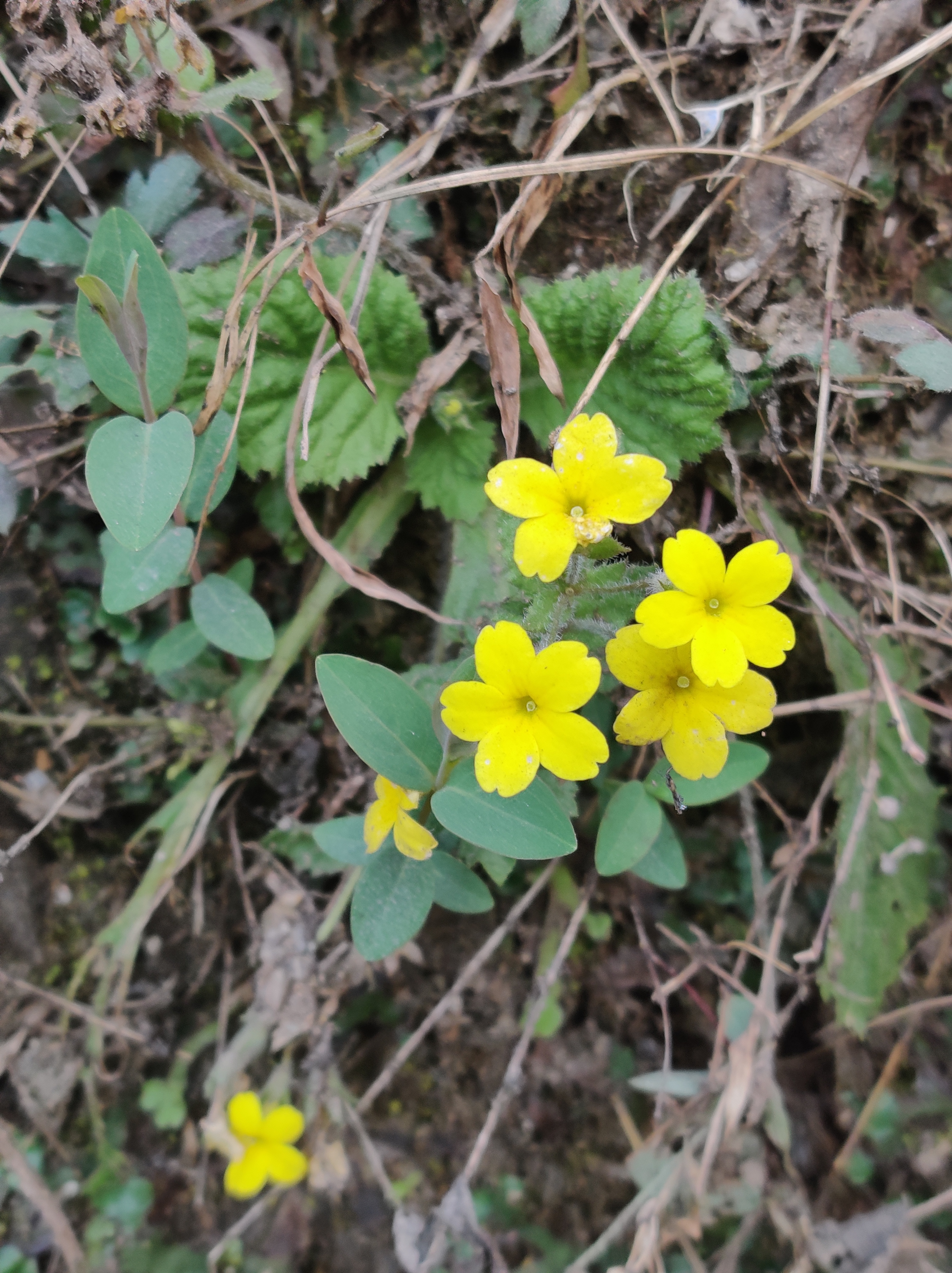
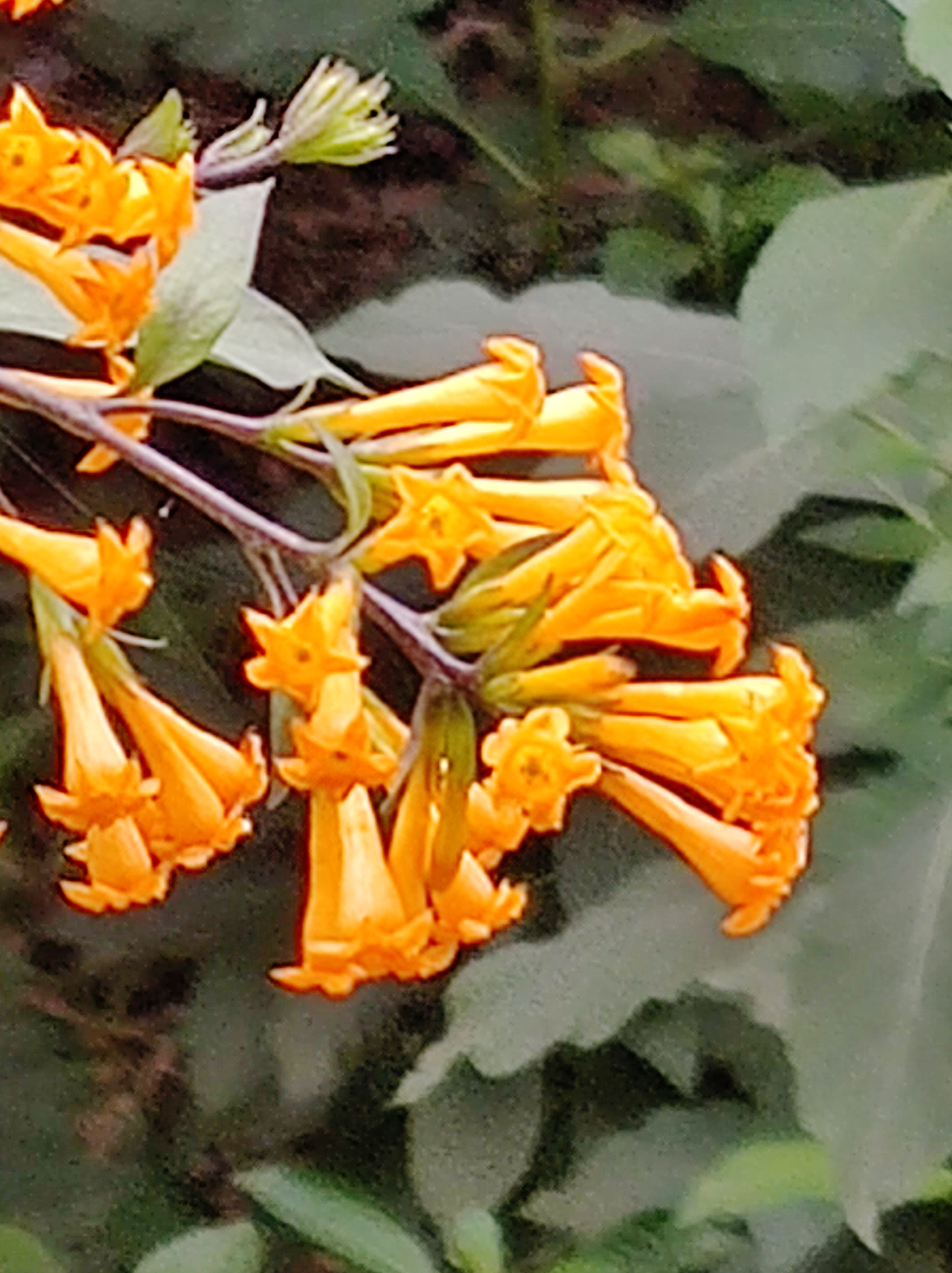
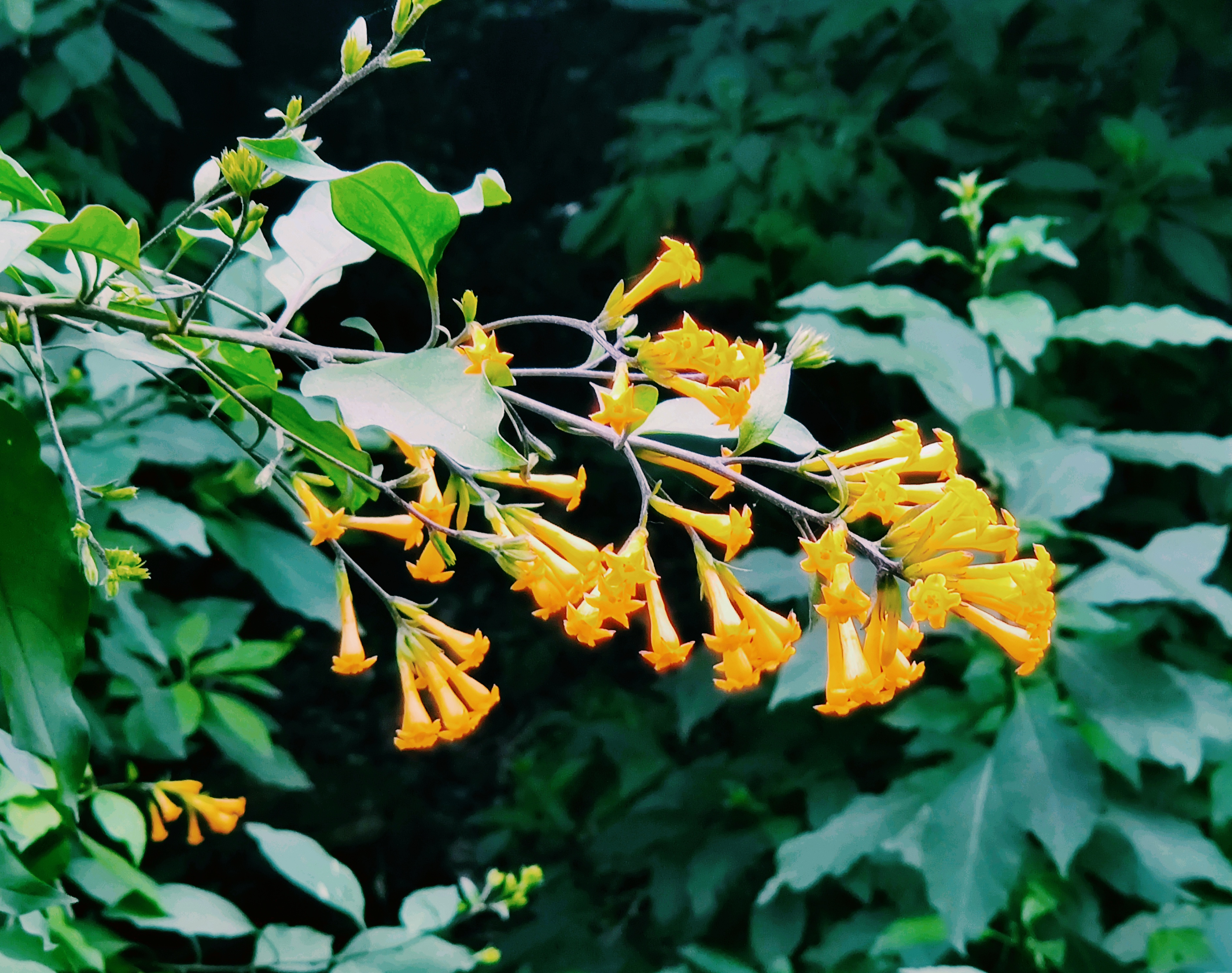
Trees blossoming with vivid shades of red, yellow, white and pink in the forests. Rhododendrons (known as burans locally) and Reinwardtia sp.(phyuli), Kachnar (Bauhinia sp.) and many more. Phool Dei festival celebrates the close knit relationship between man and nature.
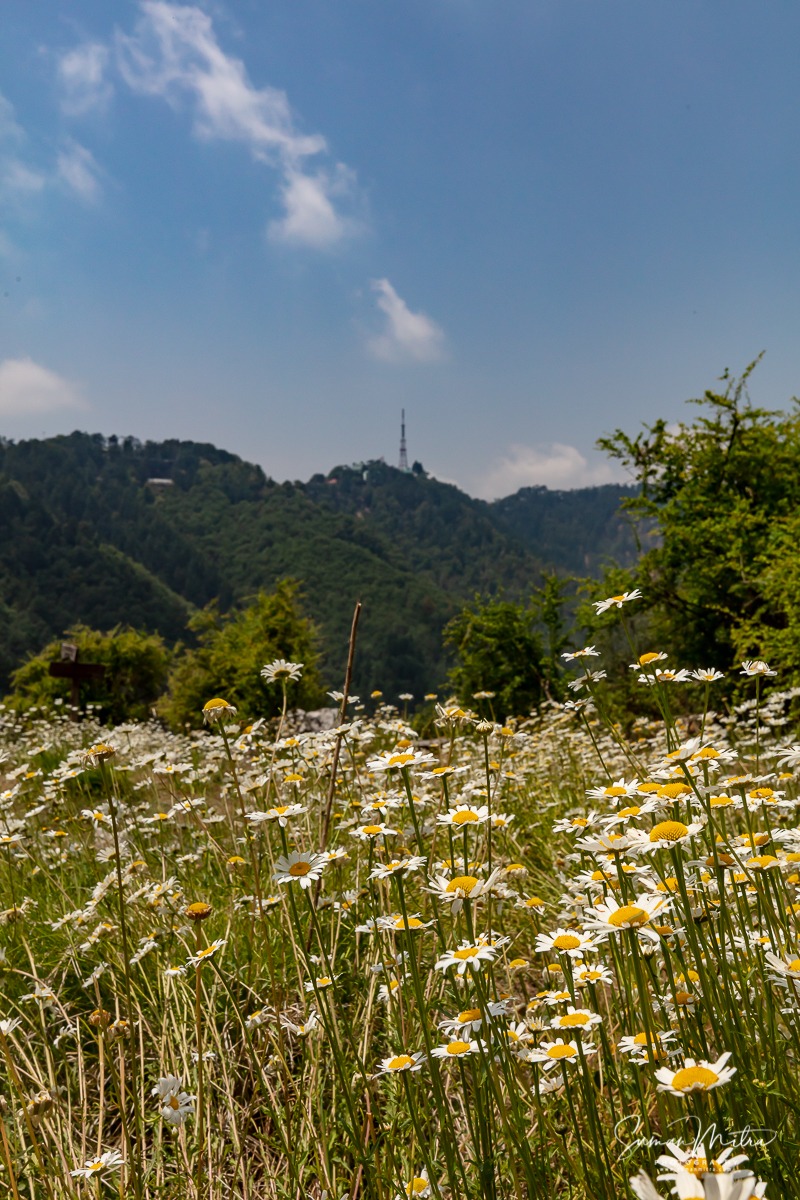
Yellow flowers
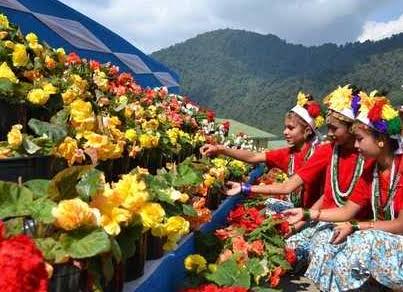
This festival is most enjoyed in the Himalayan villages where little children, specially young girls collect season’s first flowers of Phyunli, Buras and Basing from the forests. Later they keep the freshly collected flowers in ringaal (bamboo species) basket alongwith green leaves, jaggery, coconut to visit and greet people of the village. The children visit each house of the village and keep first flowers of the season on the doorsteps to bring good luck and blessings to the family and wish ‘Phool Dei’. Children are offered sweets and blessings for their act.
*Children celebrating Phool Dei’
But the true essence of Phool Dei is slowly fading away with rapid urbanisation and globalisation where human being has transitioned and so his cultural and traditional values. In search of better livelihood opportunities rural people are migrating to cities and so the values, traditional knowledge are also migrating.
While we are busy celebrating major festivals, we have little importance to the age old traditional festivals like Phool Dei which celebrates the relationship between nature and mankind. Infact many folk festivals are slowly getting lost in the pages of history.
To commemorate this occasion, every year Annual spring festival is celebrated in Rajbhavan, Dehradun. Uttarakhand is rich in biodiversity of flowering plants. Efforts must be taken to promote lesser known wild forest flowers and ornamentals to pave way into the market, so as to boost horticultural and forestry market.
Efforts must be taken to familiarise and celebrate these festivals which focus on values and traditional customs before they are long lost in memories. Folk festivals acknowledge the values of the intricate relationship between mankind and forests and nature.
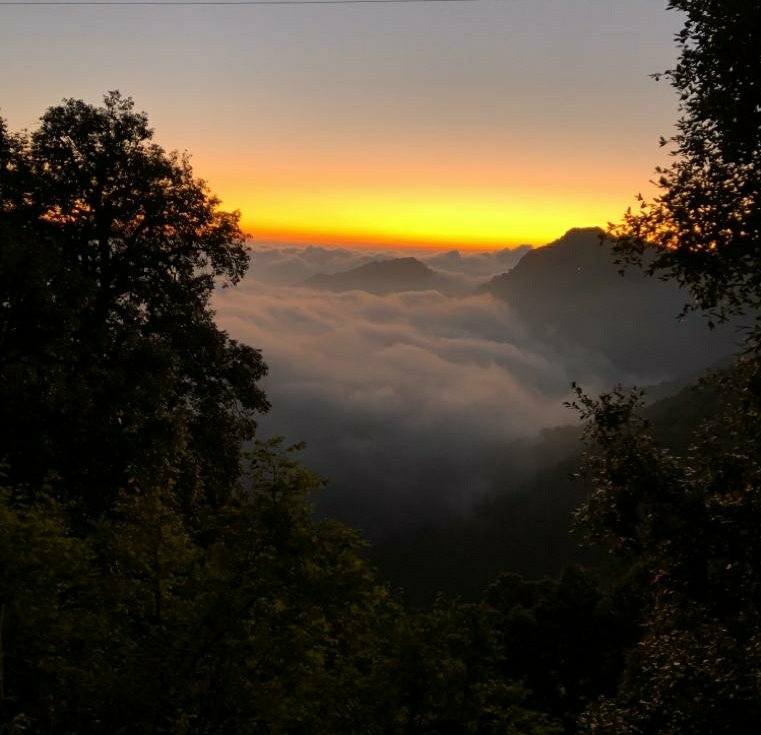
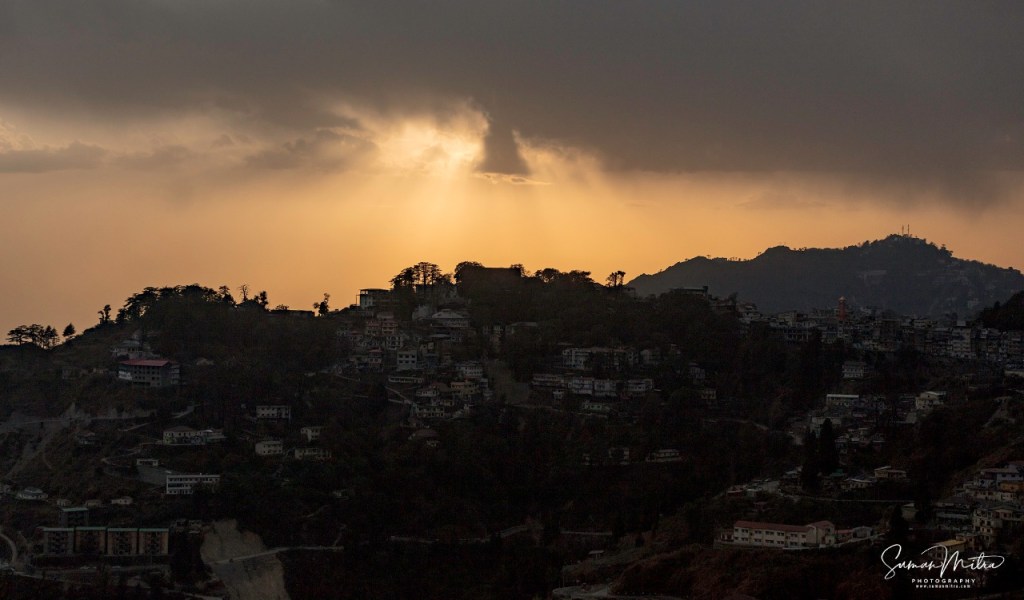
Landour, named after the Welsh town ‘Llanddowror‘ is home to mighty oaks, pines, cedars and rhododendrons. Every nook every corner of this small hillside is blessed with pristine serenity and beauty. Even the skies above Landour too don’t fail to mesmerize along with the changing seasons.
The skies over Landour, always astound one with the clouds changing forms and shapes with different seasons, as if almighty has set spectacular screensaver in the high skies.
Be it cumulus, cirrus, cirrocumulus or cirrostratus, these beautiful clouds over Landour skies can arouse artistic aspirations in a creative corners of mind.
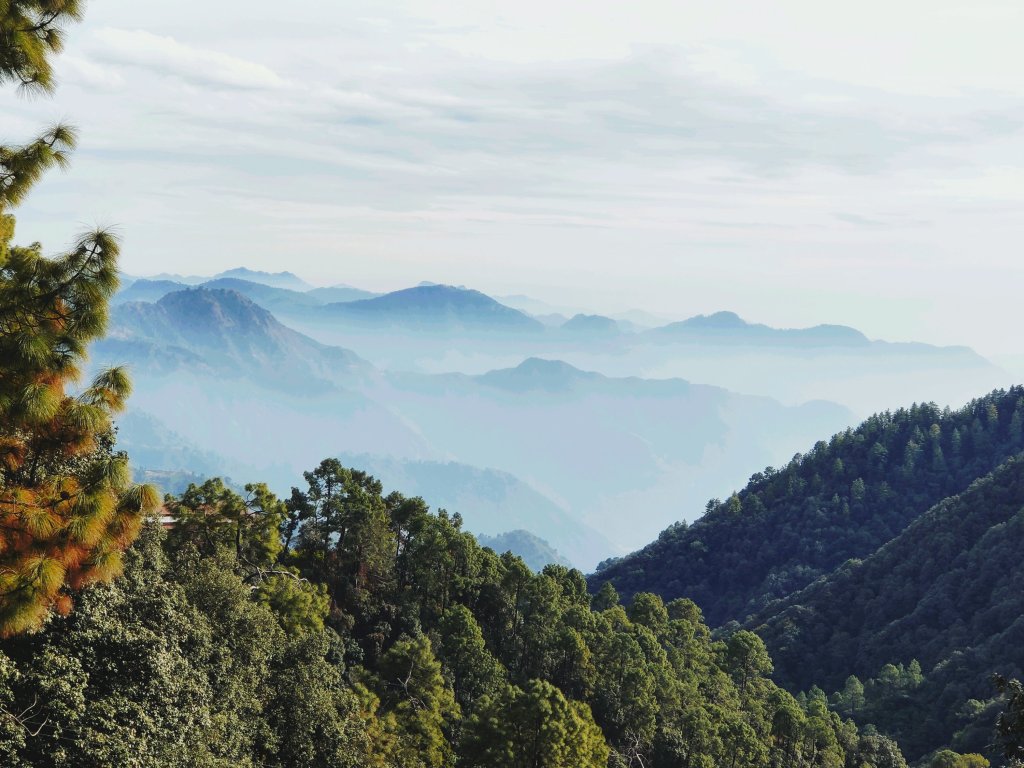
These clouds sometimes play hide and seek between manifold layers of mountains, they rise up go down swirling along the curves, edges in the valley as if they are dancing alongwith the wind.
The famous winterline is also visible from Landour and displays striking clear view in the evening, inspiring nature lovers and photographers all over.
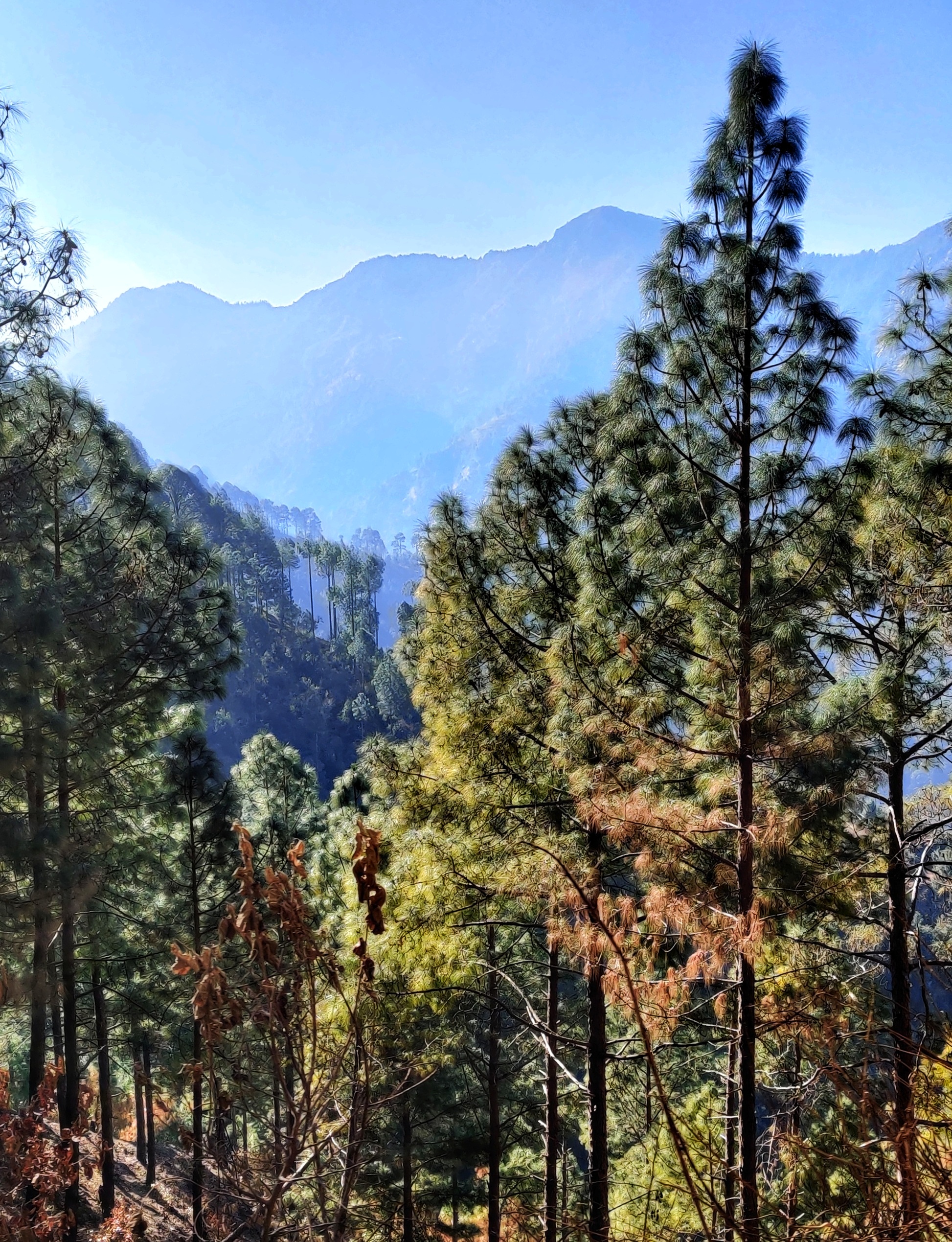
The northern breeze sometimes carries these clouds through the pine and oak forests creating a mystic bluish haze which can sweep someone away off their feet. Sunlight entering through the mist in the Pine forest can make one spellbound as if almighty is pouring in rays of hope from the heavens.
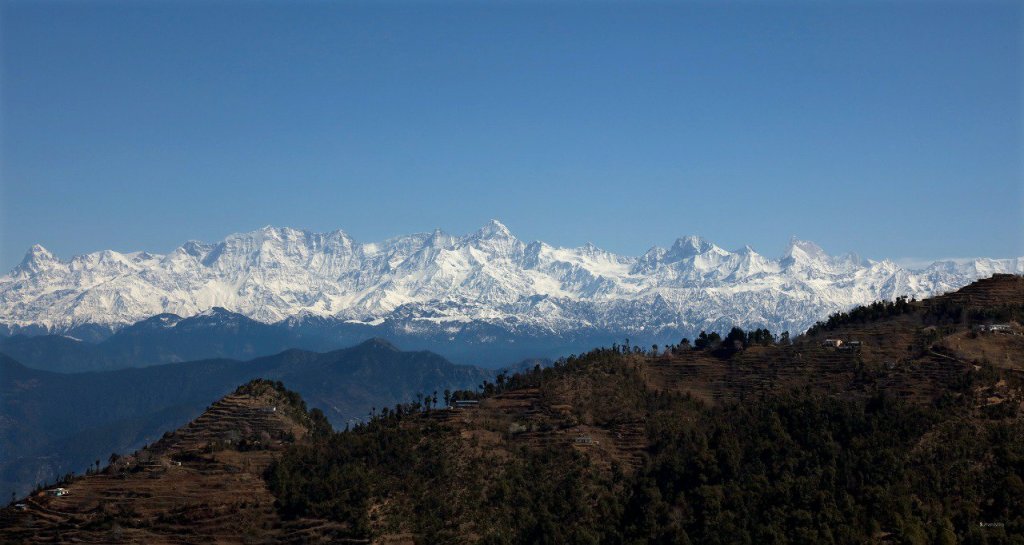
Atmospheric clouds sometimes create illusion while driving over high mountain roads and at times can disappoint nature lovers who love watching snow cladded high mountain peaks.
Altogether the mountainous topography, natural landscape, altitude, meteorological phenomena altogether contribute towards the incredibly amazing canvas of the beautiful Landour skies.
For once in lifetime please visit the beautiful hillside of Landour. I will conclude with the lines of the poem ‘The Cloud’ by Percy B. Shelly
I bear light shade for the leaves when laid In their noonday dreams. From my wings are shaken the dews that waken The sweet buds every one, When rocked to rest on their mother’s breast, As she dances about the sun. I wield the flail of the lashing hail, And whiten the green plains under, And then again I dissolve it in rain, And laugh as I pass in thunder…….
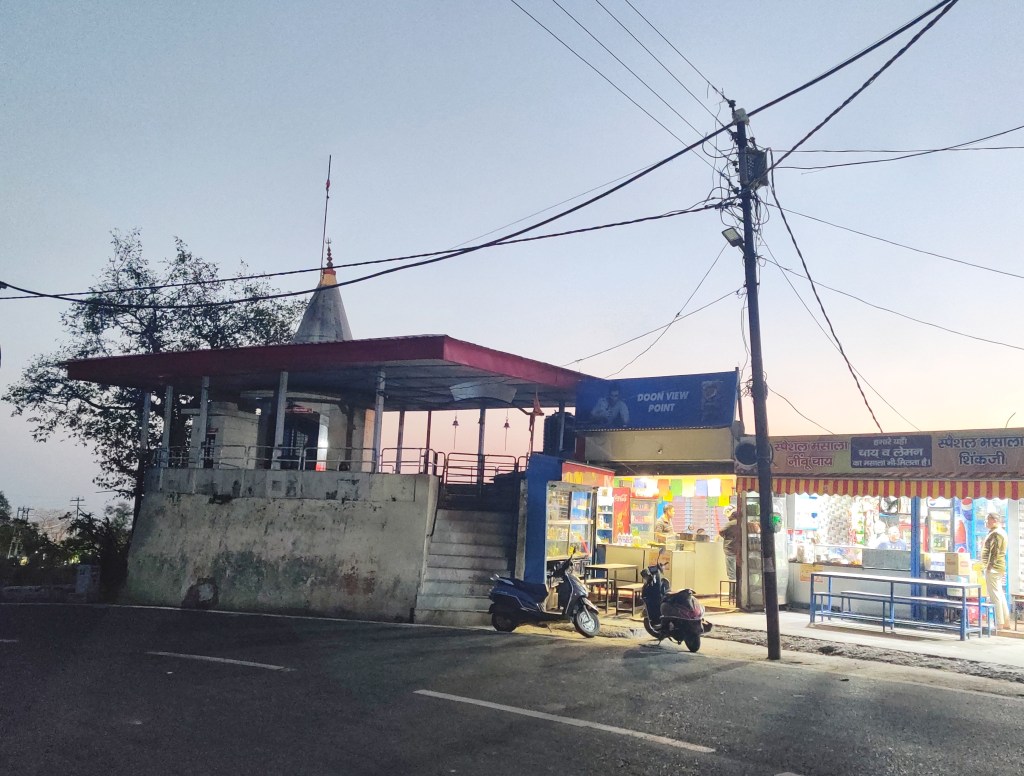
It was one sunny morning, while I was travelling to Dehradun via Mussoorie – Dehradun road and I was lost in the scenic beauty of the mountains. Every turn, every bend around the mountain road has its own surprise. Suddenly, just after crossing Kolhukhet checkpost my eyes fell on a small temple on the hill slope secured by ‘Bhimal’ tree roots. The temple on the hilly roadside was constructed on a boulder and the very foundation of which was supported / bulwarked by a Bhimal tree (Grewia optiva). I was intimidated by the sight, because it appeared to be geologically unstable.
The temple belongs to Goddess Durga, and the history of the temple can be traced back to the times when India was under British rule. During those times, Mussoorie – Dehradun road was a forest path and the hills were covered with thick forests with rich biodiversity of flora and fauna. People usually travelled by foot walking long distances and took rest under the shadow of the trees. Various water streams and rich biodiversity of flora and fauna flourished during those days. I thought, may be the forest dwellers constructed this temple to protect and safeguard of the commuters and travellers.
I was eager to know when the temple was constructed and enquired the adjacent tea stall owner. He said that the temple was established long back while the construction of Mussoorie – Dehradun road was underway. A Bhimal tree was standing alongside the temple. I observed that over the time, the tree roots have slowly penetrated the rock foundation over which the temple was made. The entire structure is now showcasing an example of biological weathering. I was surprised by the sight, how the temple is still holding on to it’s very foundation till today, as if nature wants the temple to be there.
It’s an usual sight to find Goddess or Shakti temples along roadside before entering major townships. I have also observed different temples alongside major highways before entering many cities. For instance famous Daat Kali temple (mandir) before entering Dehradun via Rajaji National park, a famous temple before entering Jorhat township (Assam) via Kaziranga National Park and many more. In other places, I have seen temples of Lord Ganesha, Shiva and Hanuman. It’s a belief that the presence of Gods and Goddess will avert accidents and disasters and ensure successful journey ahead.
These temples are surrounded by age old trees and thickets making the place naturally serene, mystic and spiritual. During my field study and travels I have come across many temples, dargahs and other religious places where Peepal tree (Ficus religiosa), Bargad tree (Ficus benghalensis L.), Neem tree (Azadirachtaindica) etc. grow in the premises, but I have rarely come across a temple site where an entire temple construction is upheld and bulwarked by a Bhimal tree.
Bhimal tree (Grewia optiva) also known as bheku, beul or ‘todana’ in sanskrit is a medium sized deciduous tree species. This forest tree species has multipurpose medicinal and economic value. It is found up to altitude of 1800-2000 m in the north-west Himalayas. The tree has high endurance and can survive Himalayan frosts. It prefers growing on sandy loam soil with adequate moisture but habitation ecology varies too. Also, it’s an important forage tree species providing leaf fodder, fibre, and fuelwood. In Uttarakhand, besides Oak, it is one of the most preferred species to feed cattle. The wood is used in making various machinary tools.The fibrous woody material is used to make ropes, handicrafts and high quality paper. The branches of the tree were used as torches and firewood since earlier times. In agro-forestry systems in western Himalaya, Bhimal tree is a preferred species intercropped alongwith horticultural crops like taro (Colocasia esculenta) and turmeric (Curcuma longa) etc.
But, despite its importance I have come across very few Bhimal trees growing in natural habitat in Uttarakhand. It is a matter of grave concern that once fully flourished tree has now a very restricted population, specially in the urban areas due to urbanisation and expansion of cities. The Bhimal trees are now mainly restricted to rural areas, where people have limited knowledge about the multiple benefits of the tree. Slowly, the traditional knowledge of the trees and their associated properties are fading away as we are depending more and more on the commercially available products and relying on unsustainable ways of living.
Mussoorie – Dehradun road is a scenic delight and one can’t keep their eyes off the marvellous display of multitude coloured flowers on trees, herbs and shrubs and of course birds. But, this roadway is also prone to landslides and heavy traffic. I have witnessed many roadside constructions being washed away due to heavy rainfall and landslides. The Bhimal tree securing the temple is an exquisite example how trees and forests prevent erosion, mass wasting and anchor lithological features.
It’s an age old saying that old trees sometimes have spiritual values attached with them. The Bhimal tree bulwarking the temple is either a nature’s miracle or trees are the actual protectors of religious faith.
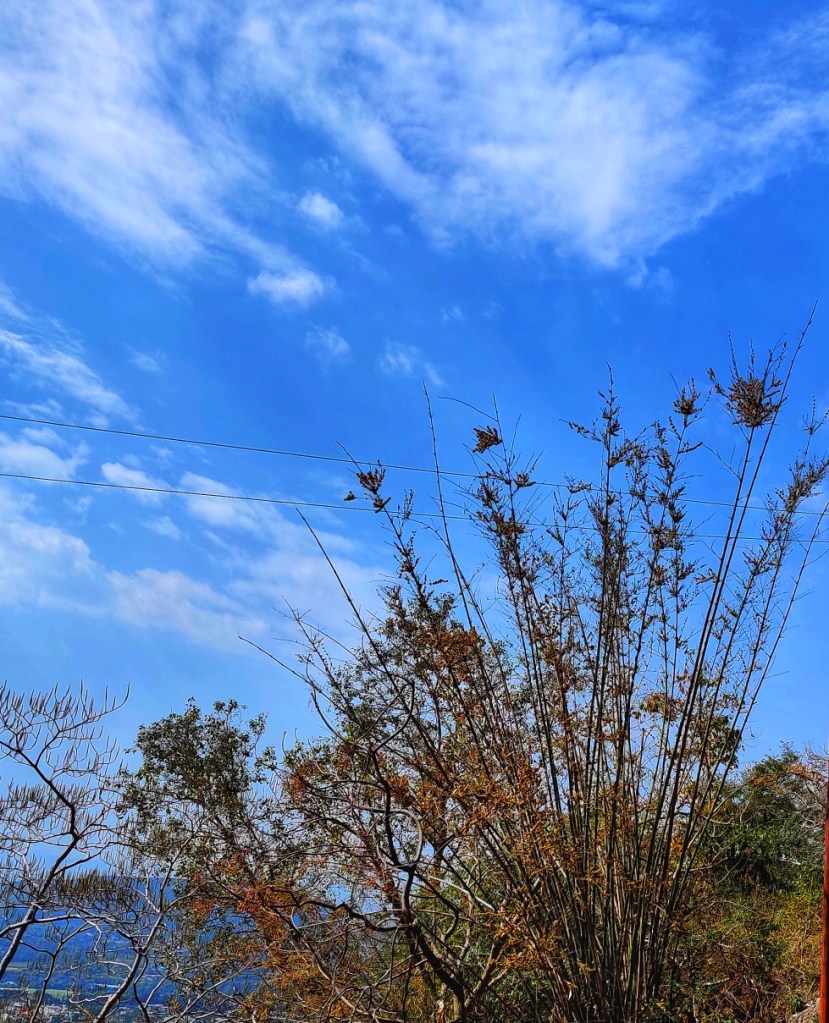
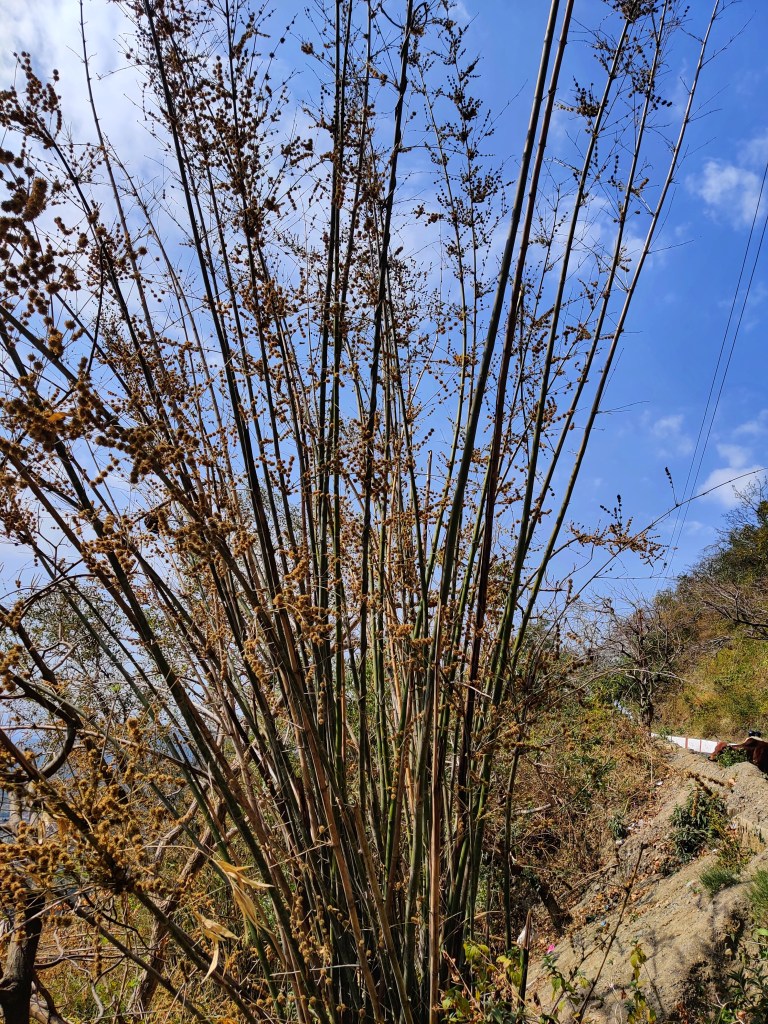
With the onset of spring season, the flowering season in Mussoorie has begun. But today, I was startled by the sight of Bamboo flowering along the hilly roadside of key roadway connecting Mussoorie and Dehradun (Mussoorie to Dehradun road). I was happy to see flowers of bamboo, as its a rare phenomenon but at the same intrigued also, because flowering in bamboo is not considered as a good omen in different parts of the world.
The bamboo clump (Dendrocalamus sp.) was overladen with flowers depicting monocarpic flowering. I am thankful to Dr. Sas Biswas for kindly identifying the bamboo. The flowering of bamboo has always drawn interest of botanists and foresters. Kahkashan Naseem, IFS, Mussoorie Forest Division confirmed that it’s synchronous flowering. She also told that Bamboo board of Uttarakhand in year 2019 have given an alert not to plant Bamboo species as it will get ruined. The phenomena of bamboo flowering and fruiting has been recorded over 2000 years in ancient Chinese texts. The mention of Bamboo is also there in the ancient Hindu texts also. The first bamboo classification was given by Rumpf in the year 1750, who divided the bamboos into eight classes with the name Arundo. Later, Linnaeus used the name “Arundo bambos,” which included all the bamboos. Nees, in the year 1829 described bamboo inflorescence as a distinct structural unit.
There is a regular schedule of flowering in different species of Bamboos. Sometimes, it takes 50 to 100 years to see bamboo produce flowers and eventually plant will die off and reseed. While, sometimes bamboos flower multiple times before dying. But, it a matter of grave concern when there is gregarious or mass synchronous flowering and subsequent death of the plant. In Northeast India, the flowering of Bamboo is usually considered a bad omen. According to ancient belief, bamboo flowering indicates death, destruction, famine, increased pest and rodent attacks. In Northeastern states of Tripura, Mizoram and Manipur, after every 48-50 years, there is Mautam, which is a cyclic ecological phenomenon where flowering of bamboo triggers famine. In the year, 2009, different species of bamboo flowered in Arunachal Pradesh like Bambosa balcooa, B. tulda, Dendrocalamus hamiltonii, and Stapletonia arunachalensis which resulted in rodent outbreaks causing severe damage to many crops (Kumawat et al., 2014). Hence, much attention is given towards bamboo flowering for its scientific importance as well as future implications.
The location where I observed bamboo flowering in Dendrocalamus sp. had monocarpic flowering, but later with the help of Forest Department of Mussoorie, I confirmed that it’s a synchronous monocarpic flowering in bamboo. In monocarpic flowering, bamboo plant will flower, go to seed, and then die. It’s characteristic of annual plants which have one growing season, then flower and die within the year. Most botanists will classify bamboo as monocarpic, but the issue remains somewhat unclear.The vicinity areas and localities should be explored for the bamboo flowering and locational studies should be conducted. According to the literature (Zhou, 1984; Du et al., 2000; Yuan et al., 2005, 2008, 2012; Franklin, 2010), sporadic flowering often occurs in cultivated or intensively managed bamboo species, which flower sporadically more often than wild species. Various research on bamboo flowering and inflorescence characteristics are widely used in the classification of bamboo. Also, studies has already been conducted with respect to bamboo, including flowering cycle, flowering habits, factors resulting in flowering, die-back and recovery, rejuvenation, and the effects of bamboo flowering.
Bamboo, also known as poor man’s timber has multiple uses and forms an integral part of social, cultural and economic life of the people. Earlier bamboo was categorized as tree , but after amendment of Section 2(7) of Indian Forest Act, 1927, bamboo is no longer a tree and felled bamboo too is not timber. With more than 130 species of bamboo in India, there is an immense potential to increase the productivity of bamboo resources and utilize it for increased value addition to generate employment and economic activities, primarily in rural areas.
Bamboo has both tangible and intangible benefits and can also be used in soil conservation. Climate change has adverse affect on the global ecosystems and Mussoorie and nearby areas are already facing it’s repercussion. The green cover and biodiversity enroute Mussoorie via Dehradun has been drastically affected due to rapid urbanization, irresponsible tourism, roadway extension to curb ever increasing traffic. The loss in the vegetation will pave ways for future landslides and mass wasting. Varying rainfall patterns and gradual rise in atmospheric temperature may trigger water shortage and hotter summers.
Nature has its own way of signaling disasters. Birds fly before earthquake, Bamboo flowers before disasters. Since time immemorial, the signs and signals given by nature and wildlife has averted many disasters. It’s important for us to recognize and decipher the signs and act judiciously to prevent and further protect our race. The demand of the hour is to act responsibly, before it’s too late.
It was summer of 2015 in Hollongapar Gibbon Sanctuary, Assam. I was a doctoral student at that time and was working towards the conservation of a medicinal forest tree species in the rain forests of Assam. For some study purpose we were traversing through dense forest trails and I was accompanied by my colleague and one forest guard. While I was lost in exploring the rich biodiversity, our forest guard suddenly stopped and pointed up in the branches of Hollong (Dipterocarpusmacrocarpus) trees and slowly whispered to us ‘holou’.
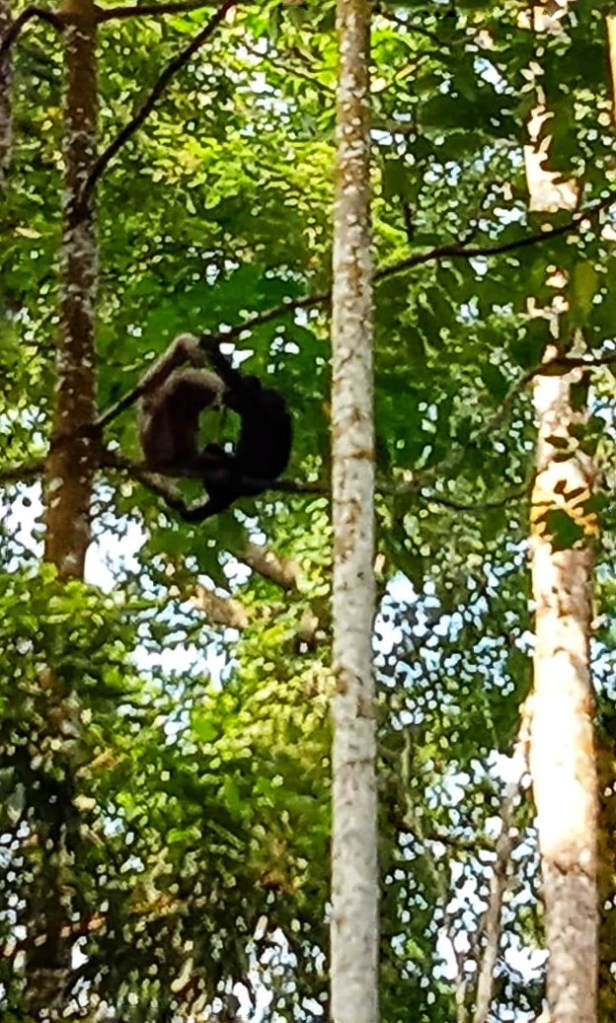
A Hoolock Gibbon couple, Hollongapar Gibbon Sanctuary, Assam
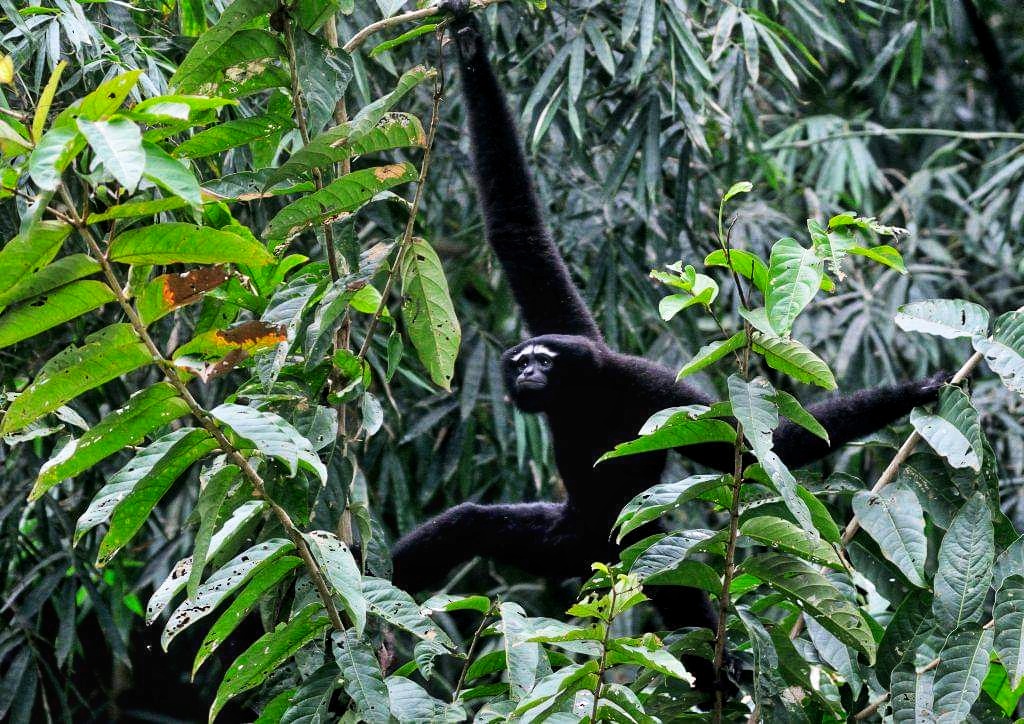
In Assamese language Hoolock Gibbons are called as ‘Holou bandor’ (although they are not monkeys). Western Hoolock Gibbon also known as white-browed gibbons are the only apes of the Indian subcontinent. I looked up in the branches and was mesmerized to see a pair Hoolock Gibbon sitting high up on the tree branches. The couple was holding each other and caressing. The moisture laden wind was blowing through the swaying branches and our eyes met. I tried to get the moment clicked, but somehow the mystical ape slowly moved into the thicker canopy and could not be traced. I was overwhelmed by the very sight when I first saw Hoolock Gibbon in its natural habitat, so serene, so innocent.
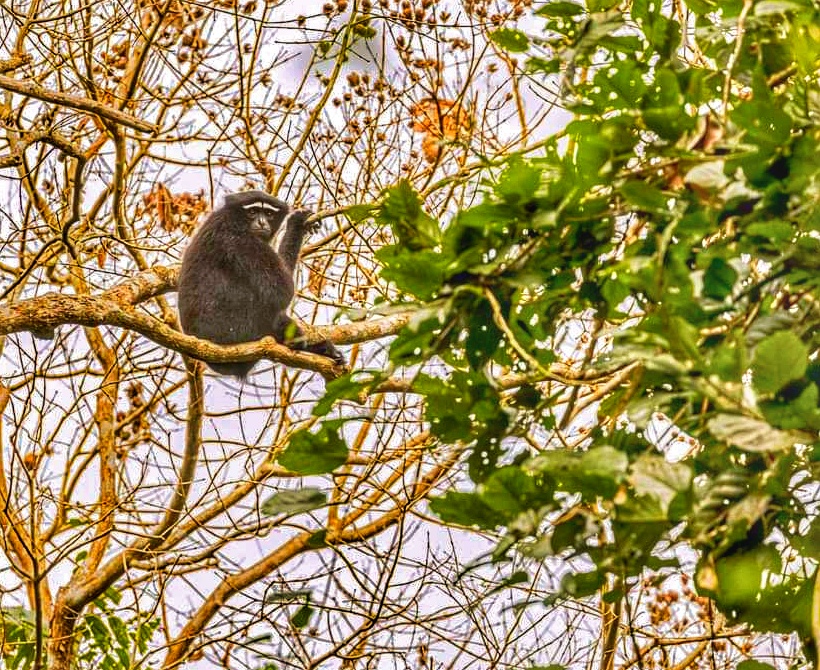
Hoolock Gibbon (male) sitting on the branches
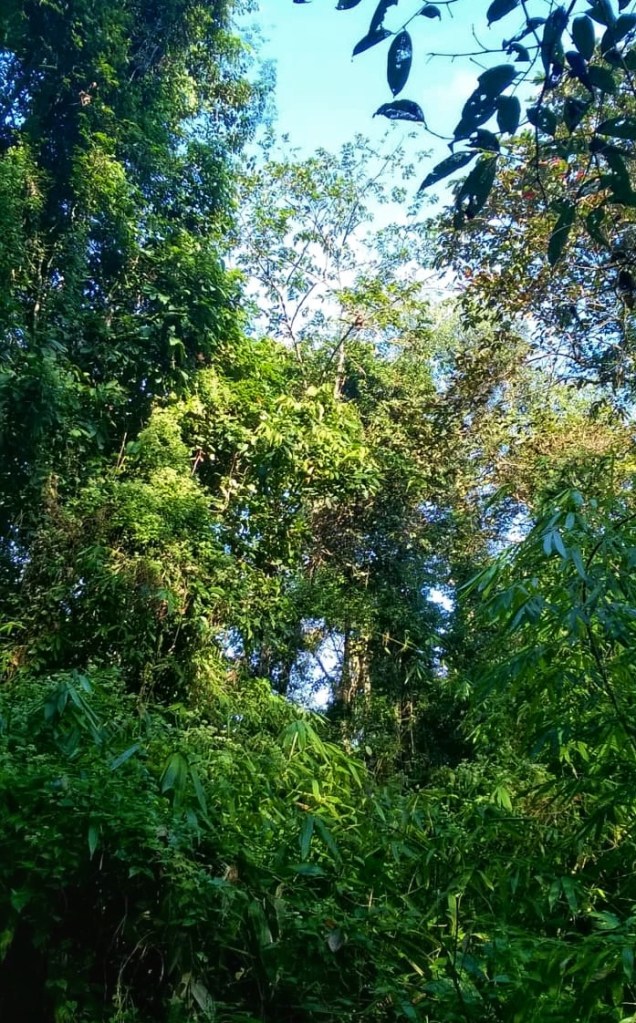
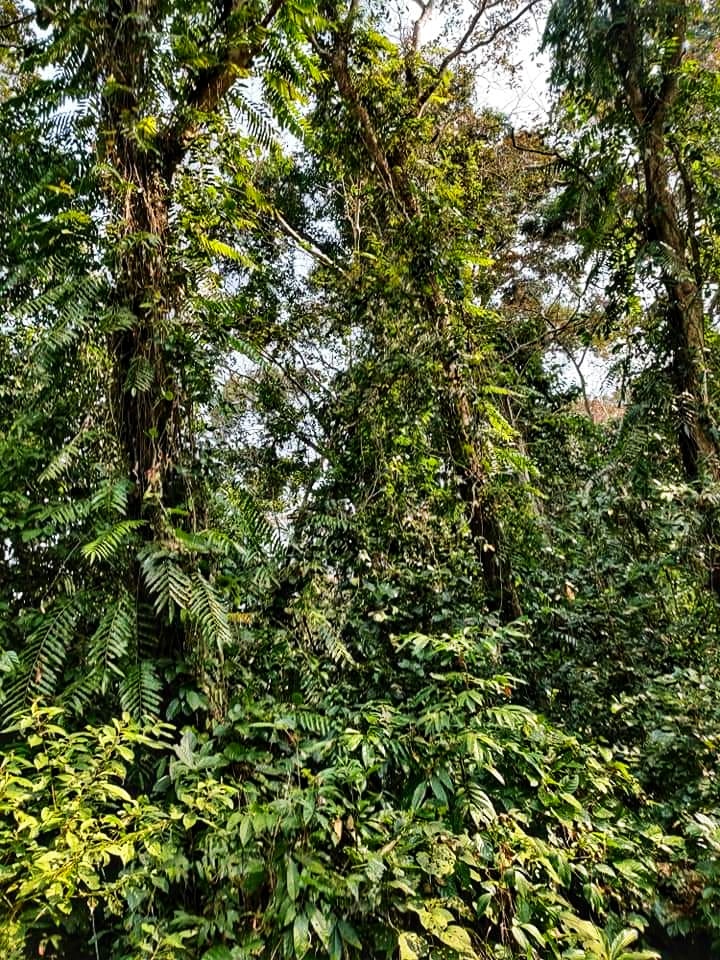
We followed the trail ahead, and the pitter patter of the raindrops on the broad leaves already started. It takes some time to reach the raindrops on the ground due to thick canopy. The forest floor was covered with high litter and biomass, not to mention abundant leeches too. Sometimes leeches help safeguard against illegal poaching and tree felling. Summers in these moist forests are usually hot, humid and sweaty alongwith mosquitoes and flies. Moreover, rainfall plays hide and seek althroughout the day. The upper canopy of the forest was dominated by the Hollong tree (Dipterocarpus macrocarpus), while the middle canopy was dominated by Nahar (Mesua ferrea). The lower canopy comprised of evergreen shrubs and herbs, bamboos and rattans. Hollong tree is one of the favourite trees of Hoolock Gibbon. I too love Hollong and Mesua (Nahor gos) trees due to their phenology, colour patterns, cultural, ethnic and economic importance.
Forest thickets in the SanctuaryUnderstory of the forest
On the way, the elderly forest guard told us that the Hoolock Gibbons are mystical and shy but social creatures. They are monogamous and mate for life and form strong family bonds. The mated pairs stay together for several years and their family usually comprises of one adult male and one adult female and their offspring. He told that the adult male reaches out to adult female family and convinces her father to give away her daughter (just like social marriage). If the girl’s father is convinced then both male and female adults can start their own family otherwise, the couple elopes and leaves their family to start their own.
Female often gives birth to a single offspring within three years and caresses the infant. Juveniles slowly develop thick white ring around their face and develop their art of singing. The mother and offsprings share close bond even when distance apart. After attaining adulthood, males frequently perform solos, singing, and females perform duets with adult males. Adult males have dark pelage while adult females have lighter pelage. Gibbons communicate with each other through songs. The morning or evening opera consists of a repeated series of hoots and hoops ‘whoo- whoo‘ can be heard several miles away. They have a unique way of singing notes which has varying significance for eg. to attract potential partners or to announce occupied territory.
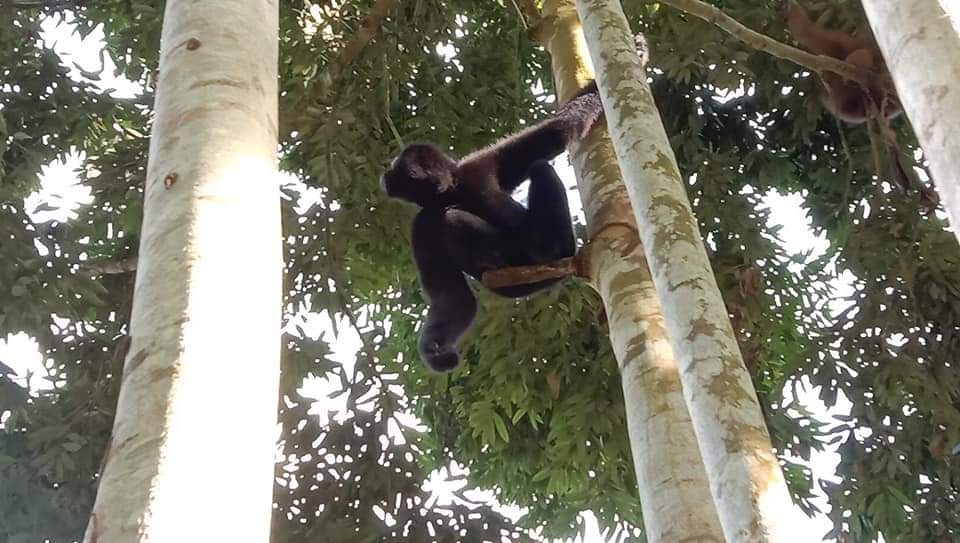
Hoolock Gibbon on a tree bole
The Western Hoolock Gibbon is found in all the states of the north-east India but is restricted between south of the Brahmaputra river and east of the Dibang river. It is also found in east Bangladesh and north west Myanmar. Western Hoolock Gibbons are strictly arboreal and swing and can walk upright also. In Assam and different parts of Northeast India, it’s considered a bad omen if Hoolock Gibbon comes down on earth. Being omnivorous, they love to have fruits, leaves and insects. They help in pollination as well as dispersal of seeds, thus balance forest ecosystem. They prefer to spend their night sleeping on the tallest trees and descend from their sleeping sites during early morning hours, to the valley below where they like to forage. After feeding, they sing for sometime.
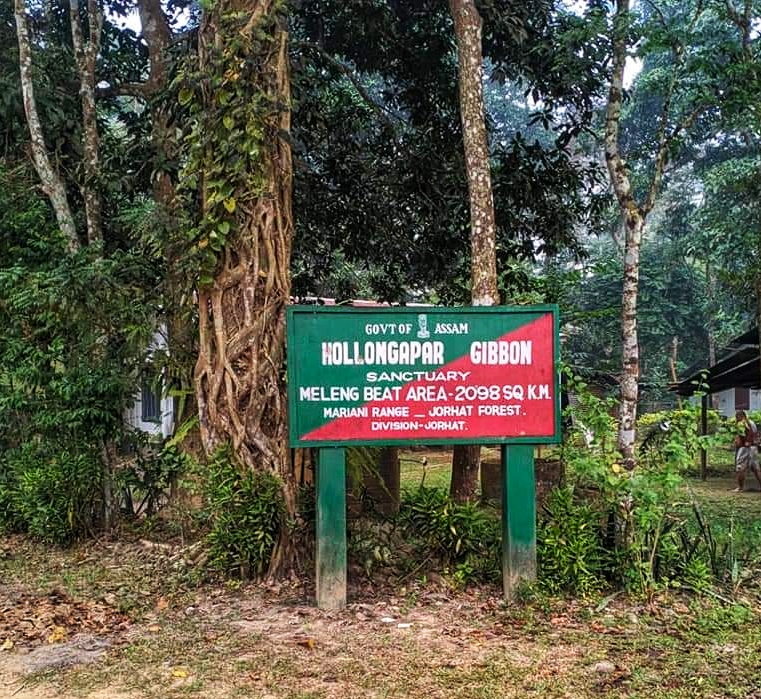
The Western Hoolock Gibbon is listed as Endangered in the IUCN Redlist. Their population is gradually declining by almost 90% over the last 30 years, due to deforestation, habitat destruction, forest fragmentation, hunting for meat, poor availability of food and it is now considered to be one of the most endangered 25 primate species in the world. In India, its listed on Schedule 1 of the Indian (Wildlife) Protection Act 1972. In order to protect further decline in the population of the species, the Government of Assam upgraded the status of the Hoollongapar Reserve Forest in the Jorhat District of Assam to a Protected Area for the conservation of these lesser apes. Presently, there are many ongoing research and conservation activities being undertaken towards behavioural studies as well as conservation of the endangered lesser ape species in India. I wonder to what extent human beings can be selfish and greedy to hamper and ruin innocent lives and habitat of Hoolock Gibbons.
Hollongapar Gibbon Sanctuary, Jorhat, Assam
The sun was going down and we had to return back to our research centres. We followed the trail back, but there was no sign of Hoolock Gibbons, they might have climbed up high tree tops as night was approaching, although I could smell wild elephants nearby. I was hoping that for once I could see the Gibbon and boarded vehicle. And to my surprise I could listen the song of Hoolock Gibbon from a distance as if they were saying goodbye. I thanked the scintillating moment and left with a hope to meet again. Throughout, the journey, I was wondering, how Gibbons being an ape can be loyal to their partner and spend their entire life altogether. On the other hand, we humans fail to be committed and loyal and wear masks behind selfishness and greed. Are we truly almighty’s best creation??
We met again after 3 years in a different location in the remote forest fringe village of Kaziranga, but that’s a different story altogether. It was dark when I reached my destination and I slept with the everlasting memory of Hollongapar Gibbon Sanctuary and song of Hoolock Gibbons.
A forest trail in Hollongapar Gibbon Sanctuary, Jorhat, Assam
In the remote North-eastern corner of the Indian subcontinent lies the beautiful district of Karbi Anglong. The plateau is dominantly inhabited by the Karbi tribes hence the name Karbi Anglong. The Karbis are the indigenous inhabitants of the region and ‘Anglong’ is a Karbi noun for “hills.” The region is flanked by numerous rivers and tributaries like Dhansiri, Longnit, Jamuna, Kolioni, Nambor, etc. The district is bordered by Golaghat district on the east, Meghalaya state and Morigaon district on the west, Nagaon and Golaghat districts on the north and Dima Hasao district and Nagaland state on the south.
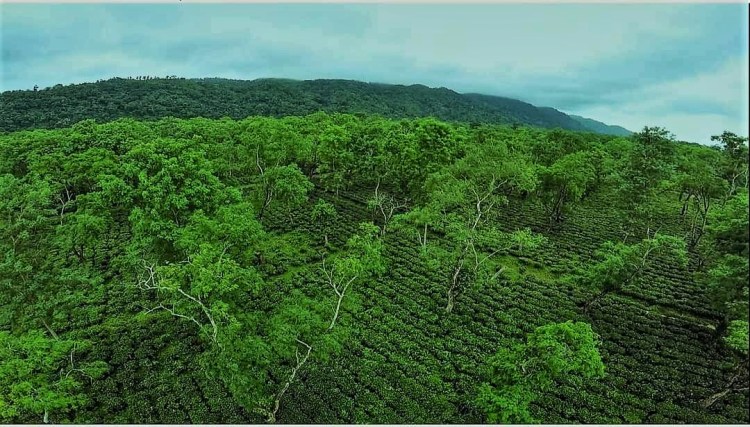
Arial view of Karbi Anglong forest, Assam
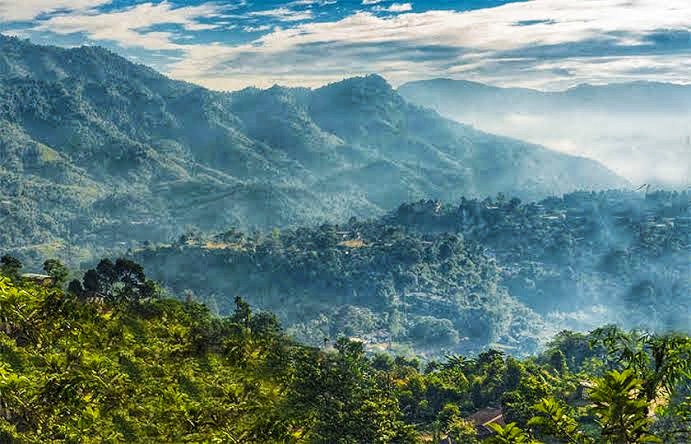
Major part of the district is covered with forest which constitute about 41.12% of geographical area . The panoramic view of the forests in the Karbi Anglong instils everlasting sense of wilderness and tranquility. The forests, rich in biodiversity comprise of rare, endemic and endangered species of plants and animals and has always attracted naturalists and researchers to quench their thirst of plethora of knowledge. The forests are known to be inhabited by the Asian elephant, Bengal tiger, Clouded leopard and Leopard, Hoolock gibbon, Pangolin, PorcupineSlow loris etc. alongwith with diverse species of butterflies, moths and birds.
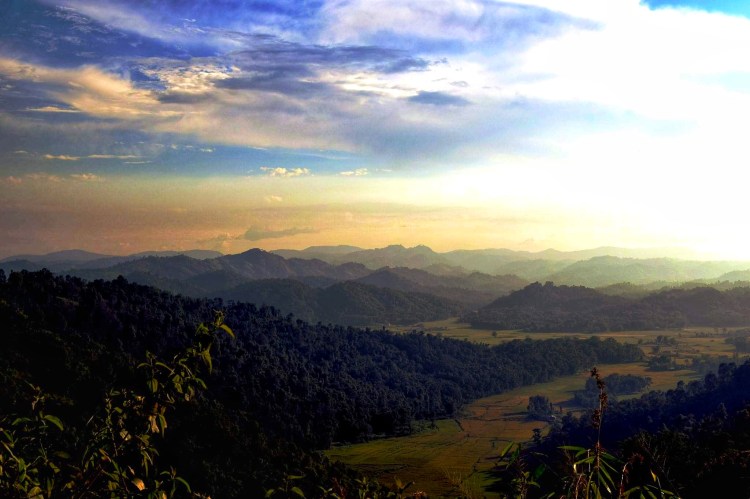
Panoramic view of West Karbi Anglong district, Assam
The river channels, rivulets, streams, creeks, brooks comprise of different species of fish as well as colourful fish (some fish species might not yet have been discovered yet). The major forest types found in Karbi Anglong District comprise of Moist semi-evergreen forests, Moist Mixed Deciduous forests, Riverain Type and Miscellaneous type with scattered pure or mixed patches of bamboos, alongwith, five wildlife sanctuaries, two elephant reserves (Dhansiri – Lumding and Kaziranga – Karbi Anglong) and 17 District Council Reserve Forests (DCRFs); Garampani Wildlife Sanctuary, East Karbi-Anglong Wildlife Sanctuary, Marat Longri Wildlife Sanctuary, Nambor Wildlife Sanctuary and North Karbi-Anglong Wildlife Sanctuary.
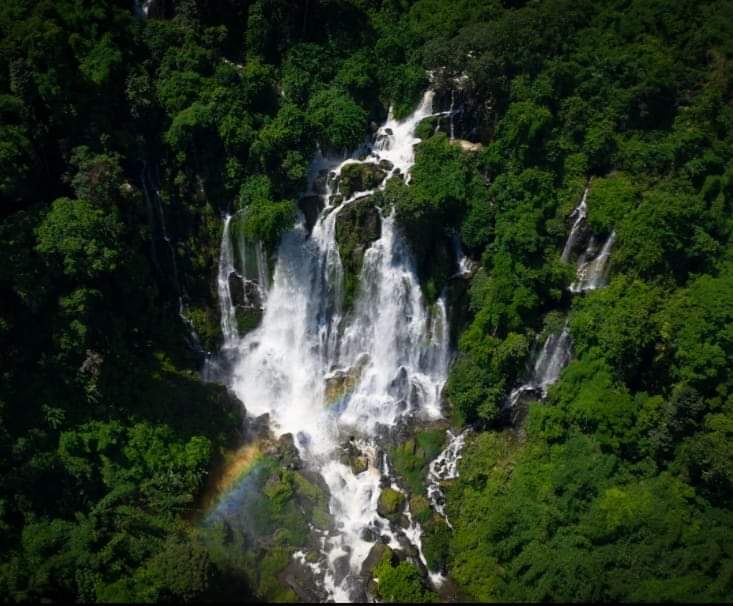
Waterfall in Karbi Anglong district, Assam
The forests and the forest fringe villages in Karbi Anglong district have ‘Sacred groves’, which are intact forest areas backed by people’s beliefs. The tribal people of the Karbi Anglong district believe that each object has its own spirit which is omnipresent and worship the spirits of a particular space or area (forest) called ‘Longri Arnam’ (Territorial Deities). ‘Longri Arnam’ is also known as ‘Than’ in Assamese, whichis a sacred grove where the spirits or deities reside in a particular space or area (forest). In Northeast India, many sacred groves have been already reported in Karbi Anglong, Assam (Tripathi, 2001; Khan et al. 2008).
Waterfall in Karbi Anglong district, Assam
Karbi Anglong has a contiguous landscape with world heritage site Kaziranga National Park. The district is also a high priority area for long-term conservation of the Western Hoolock gibbon, one of the two species of lesser-known apes found in the Northeast India. One of the crucial roles played by Karbi Anglong is that its highlands provide shelter to wildlife from Kaziranga during floods. The rich natural vegetation and forests are an important part in the life-process of the tribal population and forms an indispensable part in the life of the Karbis. The life and economy of the tribal people in the division is intimately connected with the forests. Majority of the tribal population in the division depends on the forests and make a living out of the forest produce collected by them; mainly edible roots and tubers and by hunting small animals. The forests provide the tribals and other communities living close to the forest habitat, shelter, raw materials for household equipment. Slowly the dependence of the local on the forest has significantly increased. There has been sudden shift from forestry to agriculture in the division which has resulted in massive deforestation. Lack of alternative livelihood for some and greed on the part of unscrupulous traders has led to gradual denudation of the forests. The link between human poverty and environmental degradation is also one of the important factors behind deforestation.
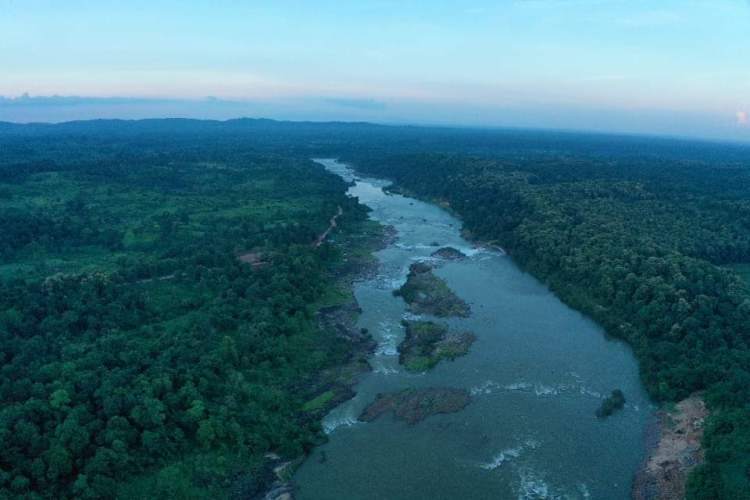
River system, Karbi Anglong district, Assam
Deforestation is partly attributed to shifting cultivation practices (i.e., slash and burn, locally referred as jhum cultivation) and partly due to practices like illegal felling of trees, mining, conversion of forest land into agriculture land, poverty and encroachment. Indirectly, deforestation has triggered micro climate change, high rate of soil erosion, floods, increased report of man elephant conflict and loss of biodiversity in the district. Government initiatives have not yet trickled down to the ground level so as to ensure proper management of forests and livelihood upliftment so as to reduce dependency on forests.
Tribal societies still practice shifting cultivation/Jhoom cultivation which has incurred loss of biodiversity. Conversion of forest land into agriculture land like tea, orange and rubber plantation has caused depletion of a large forest area. Due to the present spate of growth of small tea gardens, large forest cover paved way to tea plantation, thus causing further shrinkage in the total forest area. Area under Forests and grasslands shrunk by the expansion on settled agricultural practice. To compensate the forest cover, Teak (Tectona grandis), Gamari (Gmelina arborea), Titasopa (Michelia champaca) Simul (Bombax ceiba), Udal (Sterculia villosa) Ajhar (Lagerstroemia flos- reginae) and Pine (Pinus khasya) etc. have been planted in the district to augment the green cover.
Deforestation has emerged as one of the major concerns of the world community as significant environmental impacts are attributed to it. The association between population surge and deforestation in most of the developing countries has intensified the concern on deforestation. There are reports which infer that deforestation and loss of wildlife habitat in upper Assam is likely to influence not only the adjoining Bhutan and Arunachal Pradesh, but also lower Assam so far as the wildlife and ecosystems are concerned. The human lives and forests are interconnected. Therefore, forests need to be reinstated to their original status for long-term subsistence of humans and wildlife.
Swallows flying high, Up above in the sky; Swooshing through the mountains, Diving in the valley deep; To catch insects swarming in the air, with a velocity steep.
Agile and alert are your actions, Random turn sometimes; I couldn’t follow your flying course, Lost track many times!!!
Swallows roosting on electric wires
*****
Off you fly from your cozy nest, Into the trees surround; Next moment you are out of sight, Flying somewhere around.
Trees around Landour, Mussoorie
*****
People believe you bring good luck, To the place you breed; Little nests, along the concrete wall and ceiling, Artist or an architect, from where you learn these skills?
Laying eggs, nursing babies, care and protection you provide; You ward away many predators, Chasing them away, until they hide.
*****
Yesterday, I saw you alongwith your babies, You were teaching them how to fly; To survive, to struggle and persevere, Till they are ready to soar up high in the sky.
*****
The rapid urbanisation sufficing human selfishness, has snatched away your home; And forced you to make your nest in the artificial biome.
*****
But you are adapting to the ecological changes, I doubt whether we humans will be; Swallows flying high up in the sky, Next season will you come to visit us or may be?
Swaying with the whistling breeze, Spreading your charm; You fulfill wilderness dreams, giving memories warm.
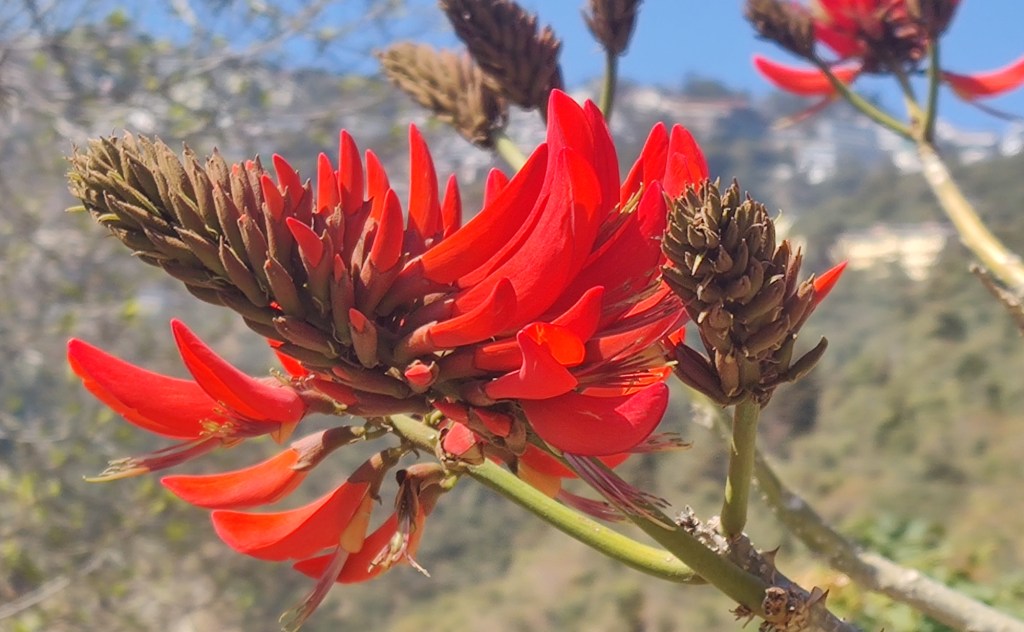
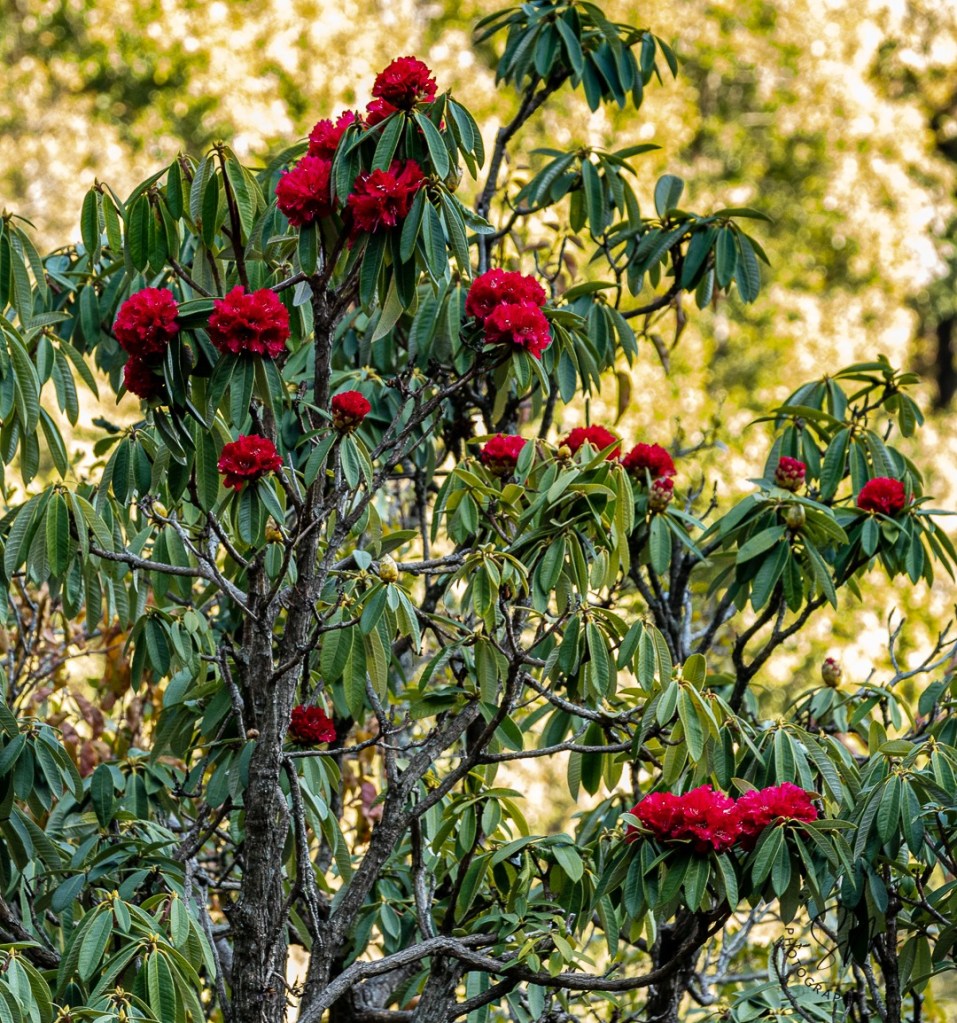
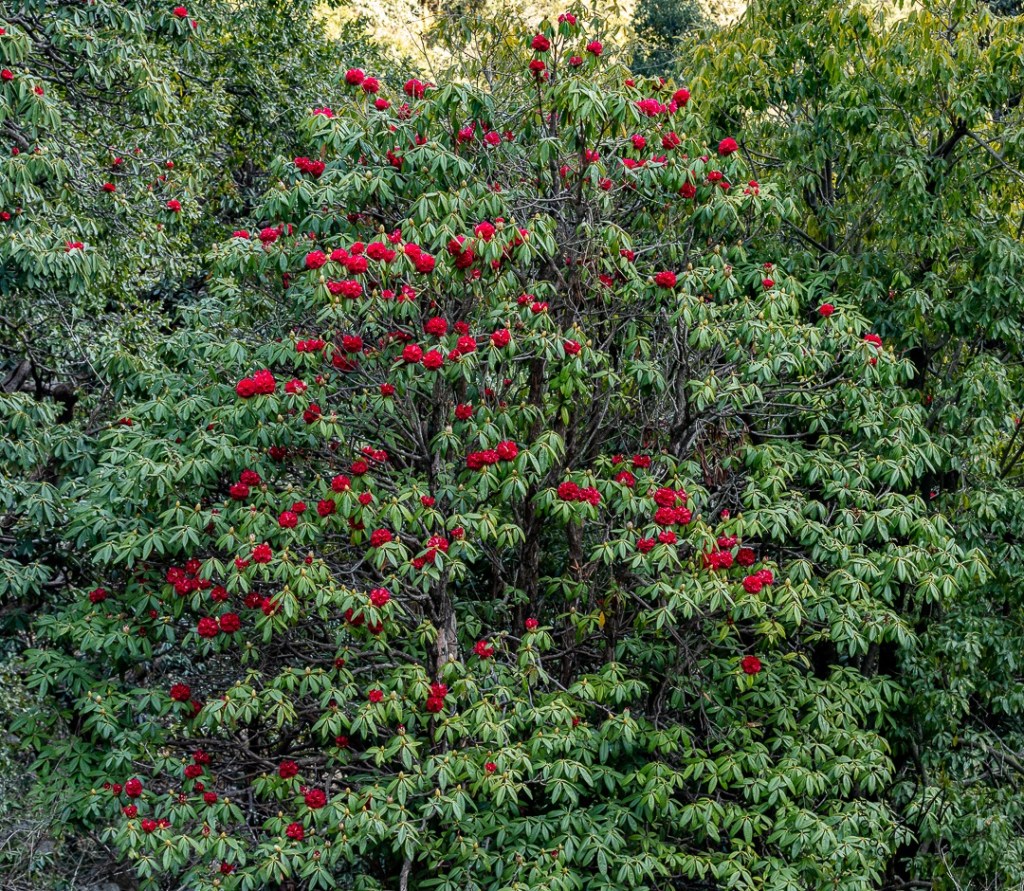
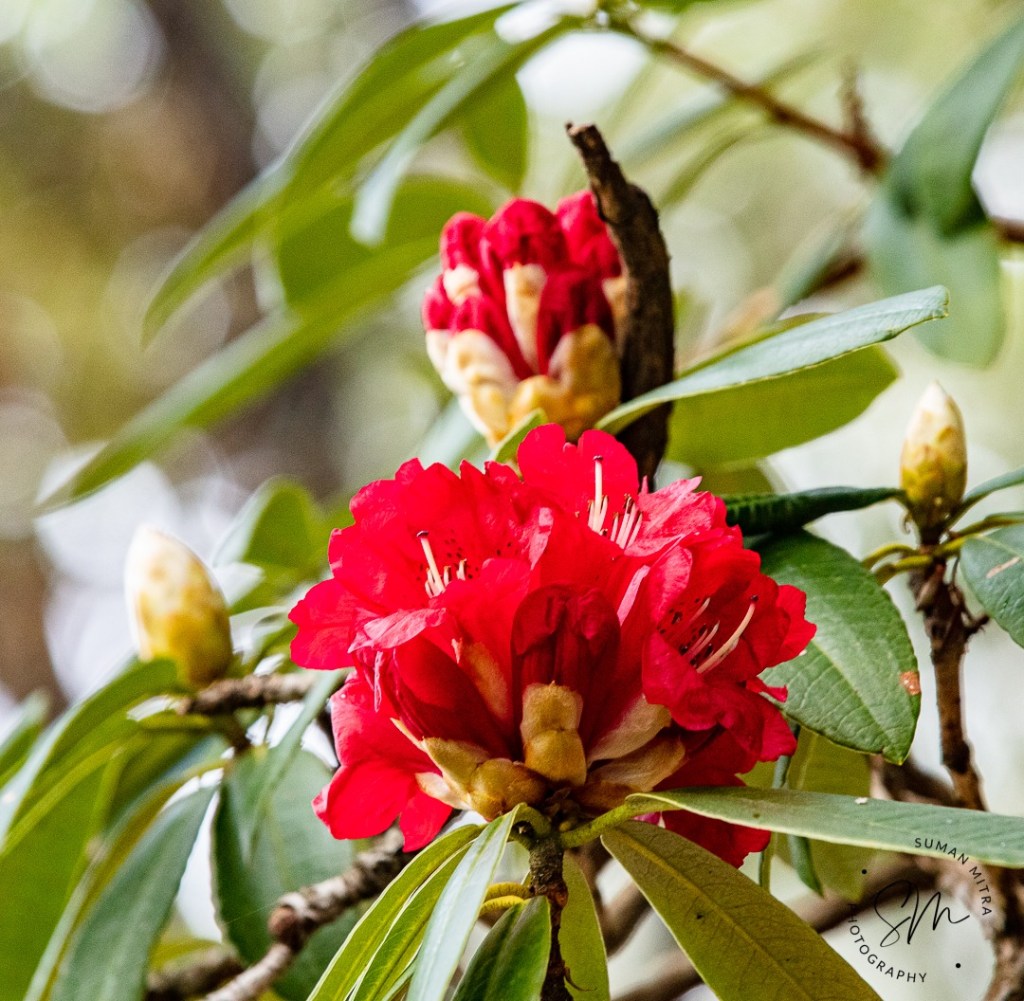
Rhododendrons in full bloom, Landour, Mussoorie
Birds, animals and honey bees cherish your nectar, They come to visit you from lands afar; Laden with beauty and healer are you, Life support system for many though.
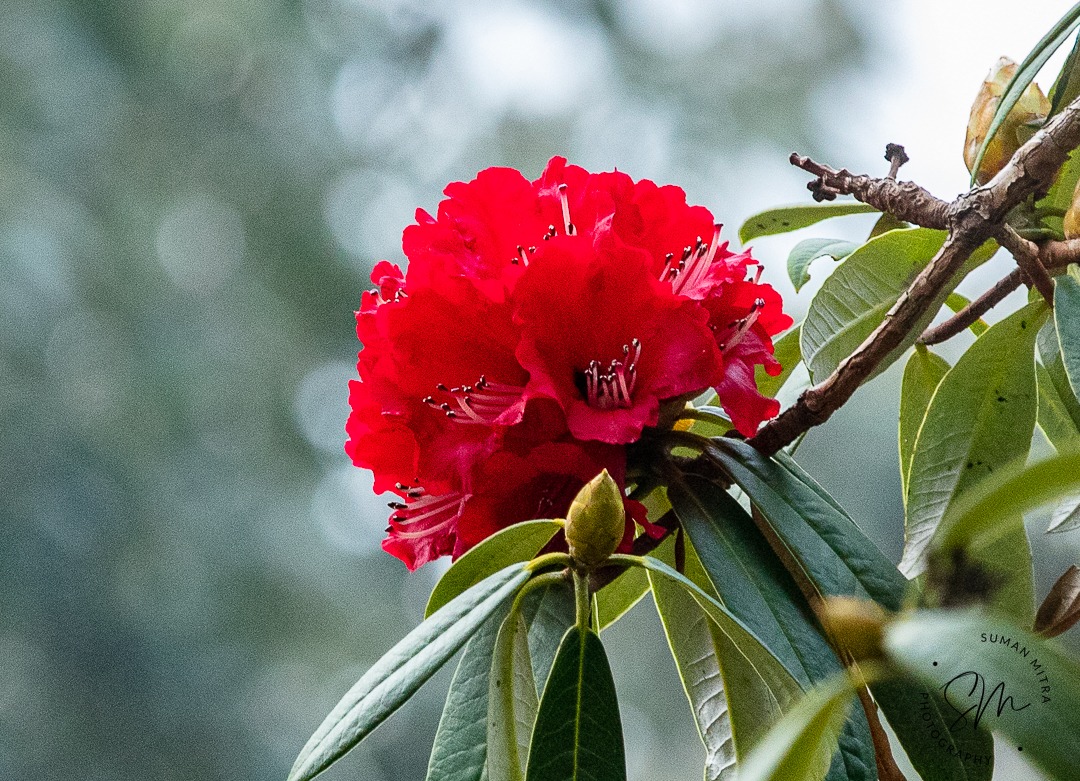
Red Rhododendrons!!
The fallen petals on the forest floor, Create a mystical hue; A path painted red, leading somewhere, I have no clue!!!
Here comes spring and the season of flowering begins; Shades of yellow, white and pink in the forests; Alongwith rhododendron flowering
It’s Valentine’s Day!! Some gift roses, some gift tulips; Some geraniums, jasmine too. But he gifted me Rhododendrons; flowering high up above the tree; He climbed up the trees to fetch the flowers especially for me. Red Rhododendrons filled with love, so beautiful are you thee!!!
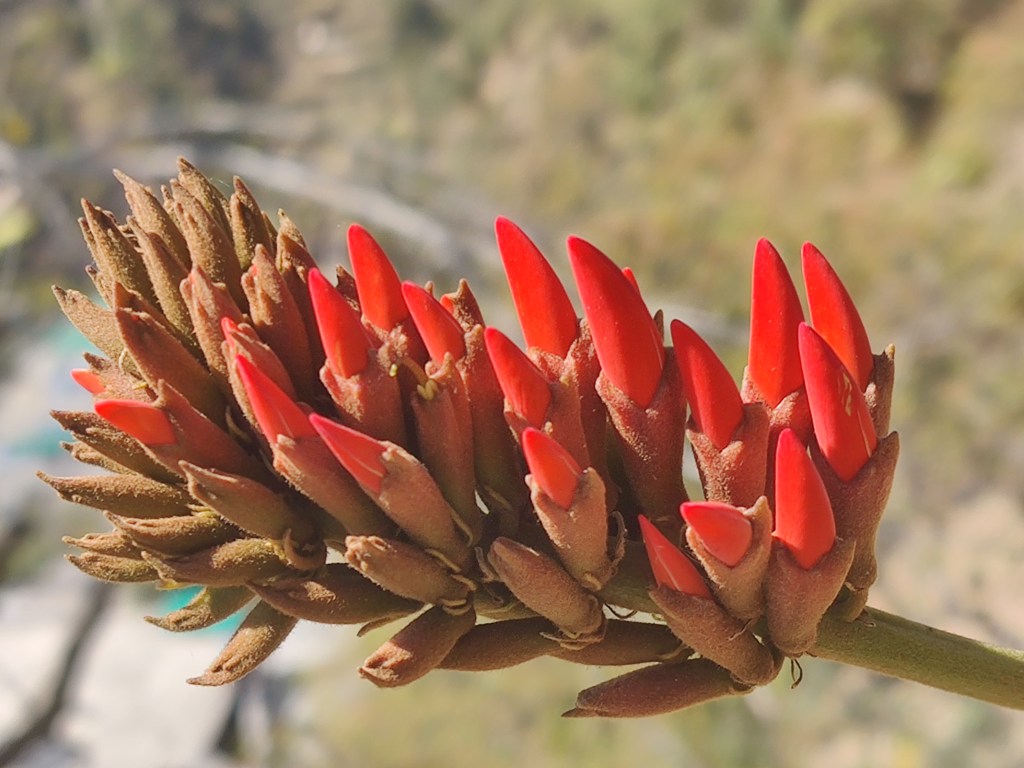
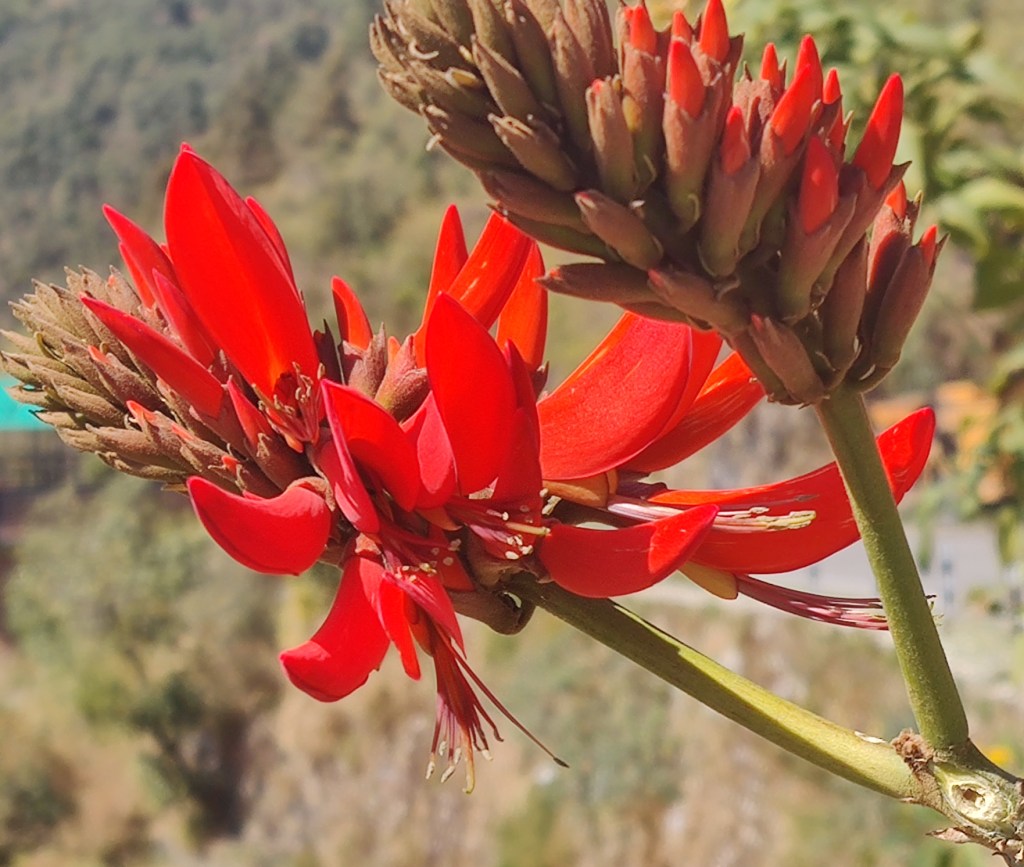
Rhododendron flower
PS Due to global climate change, early blooming of Rhododendrons was observed in the lesser Himalayas (Landour, Mussoorie). The Rhododendrons are usually are in full bloom during the month of March , but this year they started flowering since the end January. Climate change will have adverse affect on the pollination ecology alongwith bird and insect behaviour.
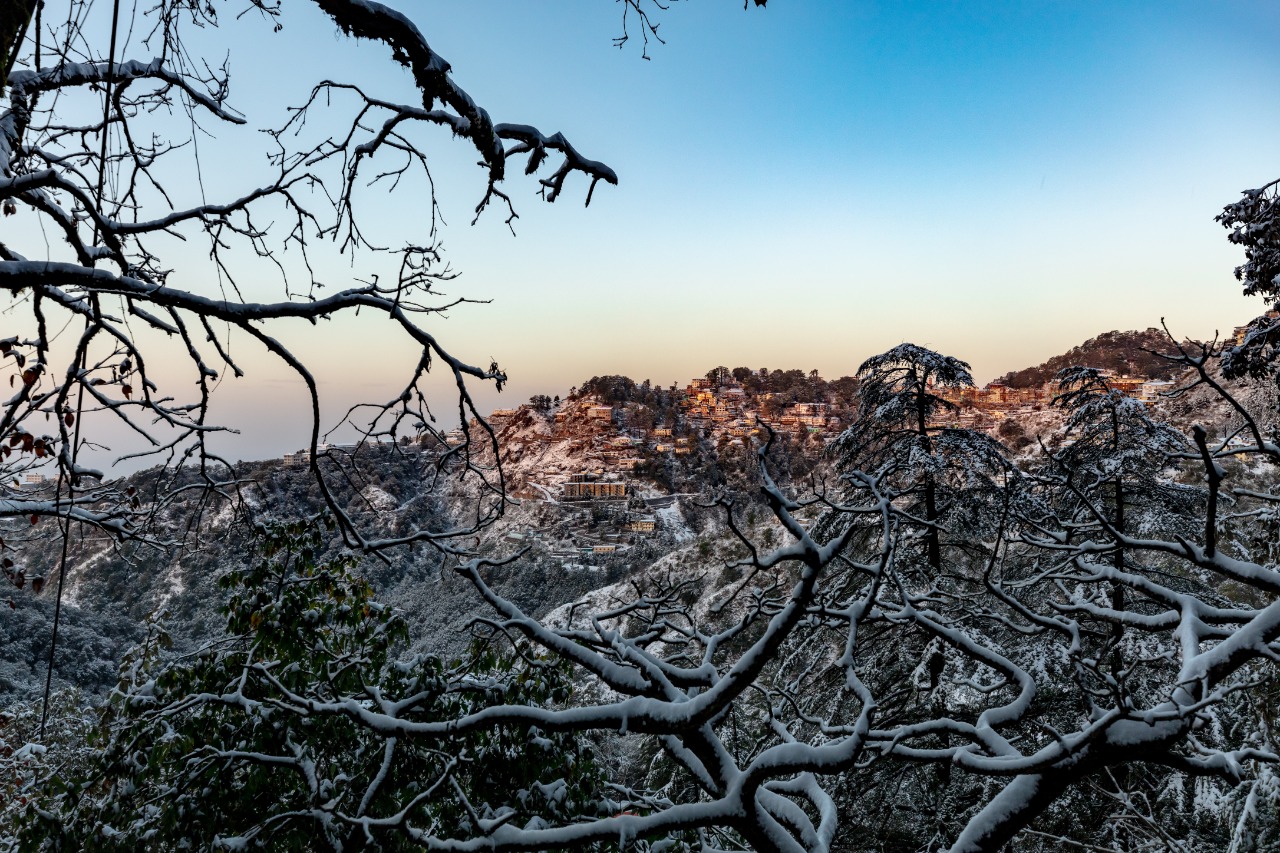
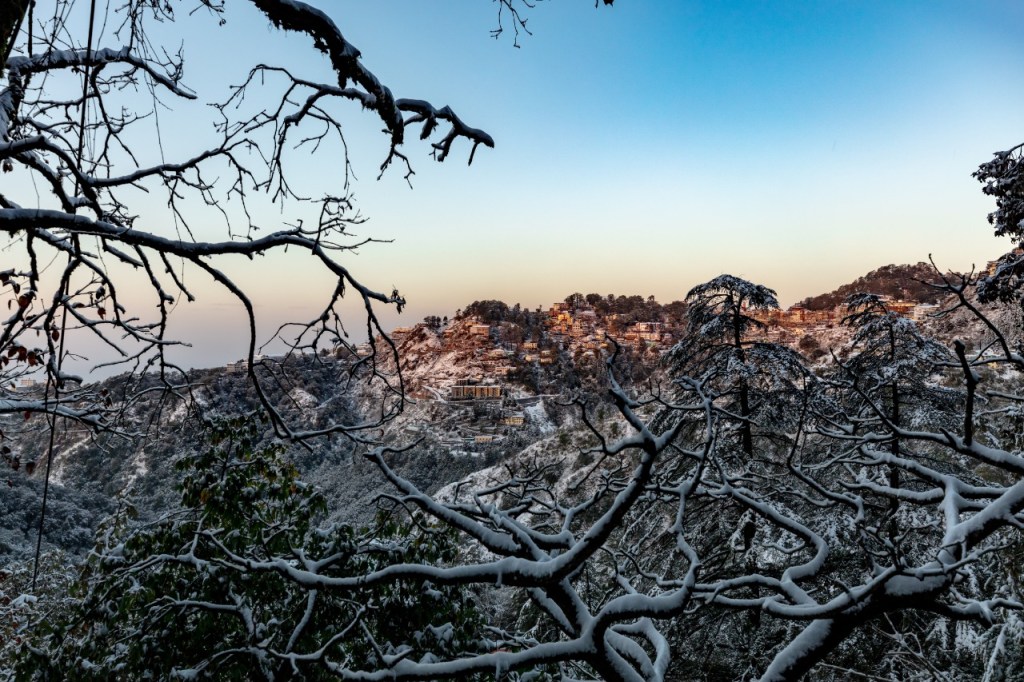
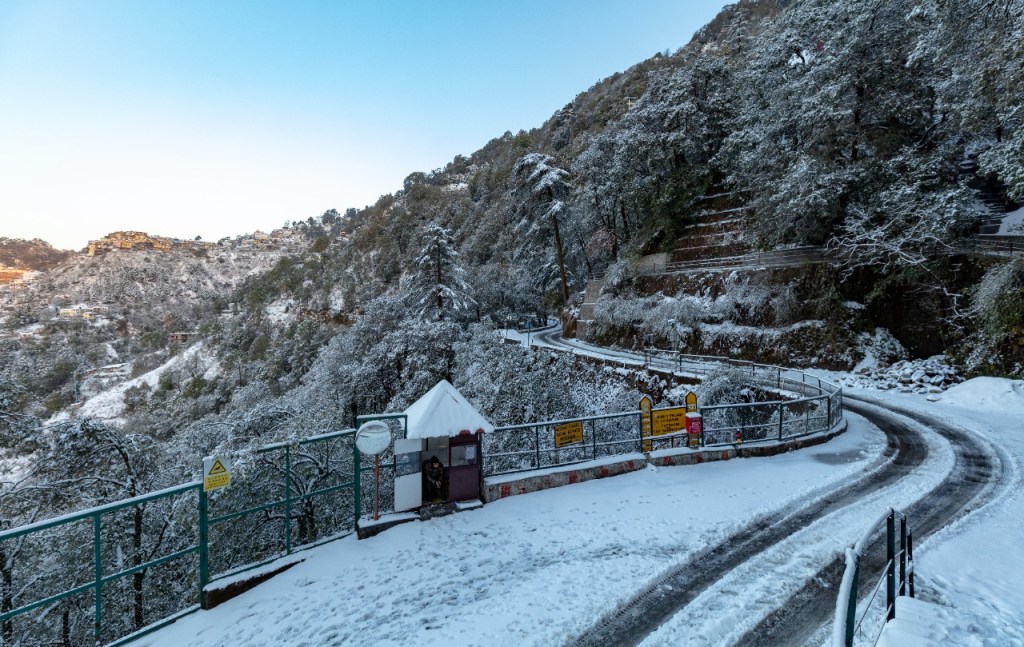
Even though late, it snowed in Landour, Mussoorie yesterday, this year. Watching snowfall is an enchanting experience. Like little fairies hopping from branches and leaves finally falling on the ground to create fluffy bed, soft and delicate. I wonder how deep is the connection of snow is with forest and trees. Snowfall is very shy and mysterious here in the woods. The scenic beauty enlivened few verses of my inspirational poet since childhood, Robert Frost and his poem ‘ Stopping by Woods on a Snowy Evening’. Words reiterated and crossed my mind and here I am, penning them down…
Snow covered trees and branches
Little flakes of snow falling silently on the ground; Painting the landscape white, without making any sound.
On the Oak trees, Deodar, Spruce and Pine; Hopping from the branches, kissing leaves, Divine.
Soft, delicate and mystical are you thee; And you decide where you want to flee.
Whitish hue due to snowfall in Landour, Mussoorie
I saw a foot trail, but couldn’t find the clue; You must have covered them all the night through.
Blessings from the heaven or little fairies are you; Falling from the sky, creating whitish hue.
Snowfall through my window
White, the colour of purity and peace; Next winter snowfall, visit me again please!!!
Roads covered with snow
Climate change is taking toll in the Himalayas with delayed snowfall affecting ecological changes. I hope with the snowfall, the water table in this little hillside of Landour, Mussoorie will get recharged. The trees and forests will get ample water, the Rhododendrons will thrive and the honey bees coming from far off lands will have ample nectar and will not return empty handed.
Whose woods these are I think I know. His house is in the village though; He will not see me stopping here To watch his woods fill up with snow.
The woods are lovely, dark and deep, But I have promises to keep, And miles to go before I sleep, And miles to go before I sleep.





























 Dr. Chandrima Debi's Blog