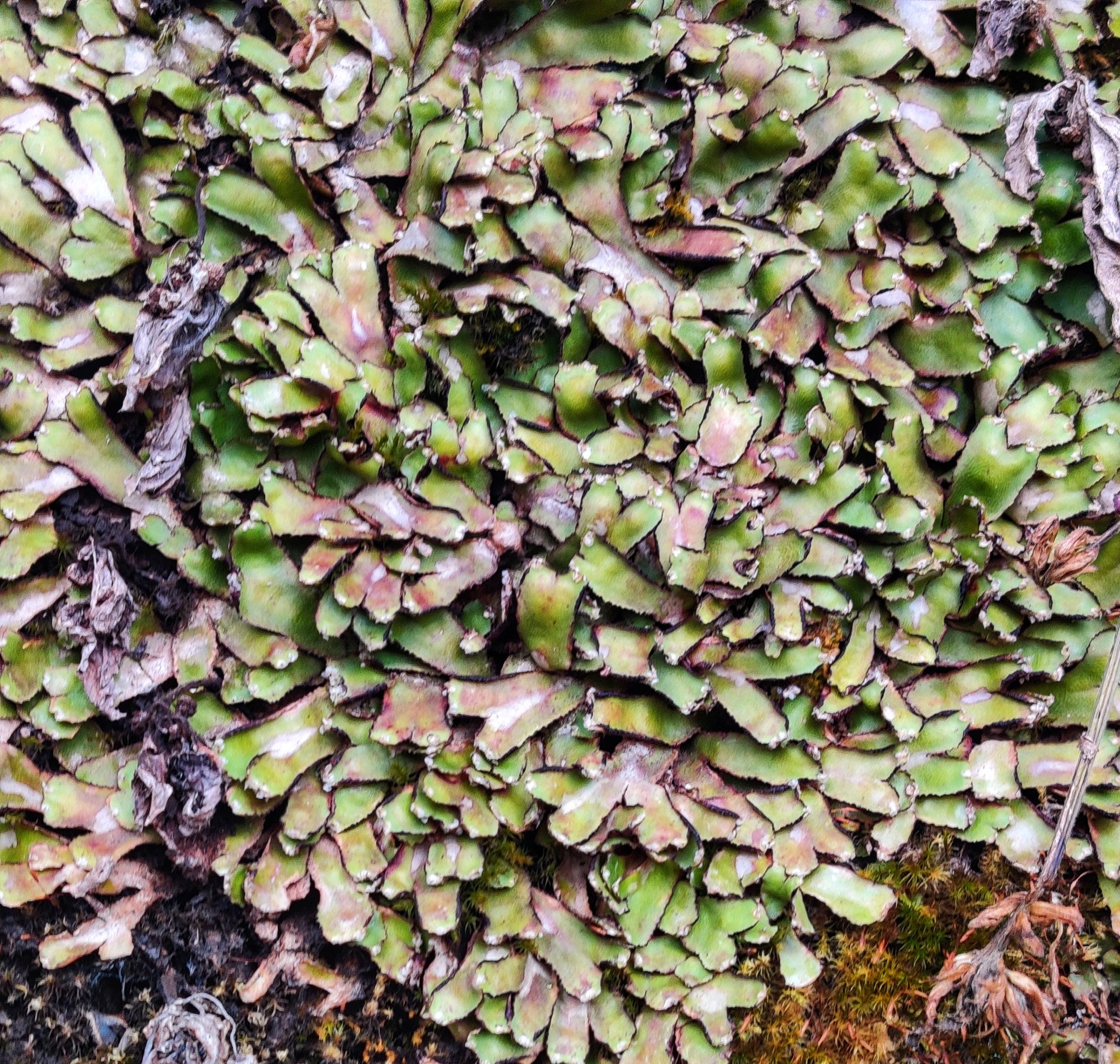
The hillside of Landour is rich in diverse species of mosses and Liverworts. It is also home to a distinct liverwort species, Reboulia hemisphearica. It is also known as the Purple fringed liverwort or small mushroom headed liverwort one of the liverworts found in this part of the hillside. These liverworts appeared to me asContinue reading “Miniature forest of liverworts and mosses: Landour, Mussoorie”
Tag Archives: botany
Ecological indicators of season change (2): Ferns!!
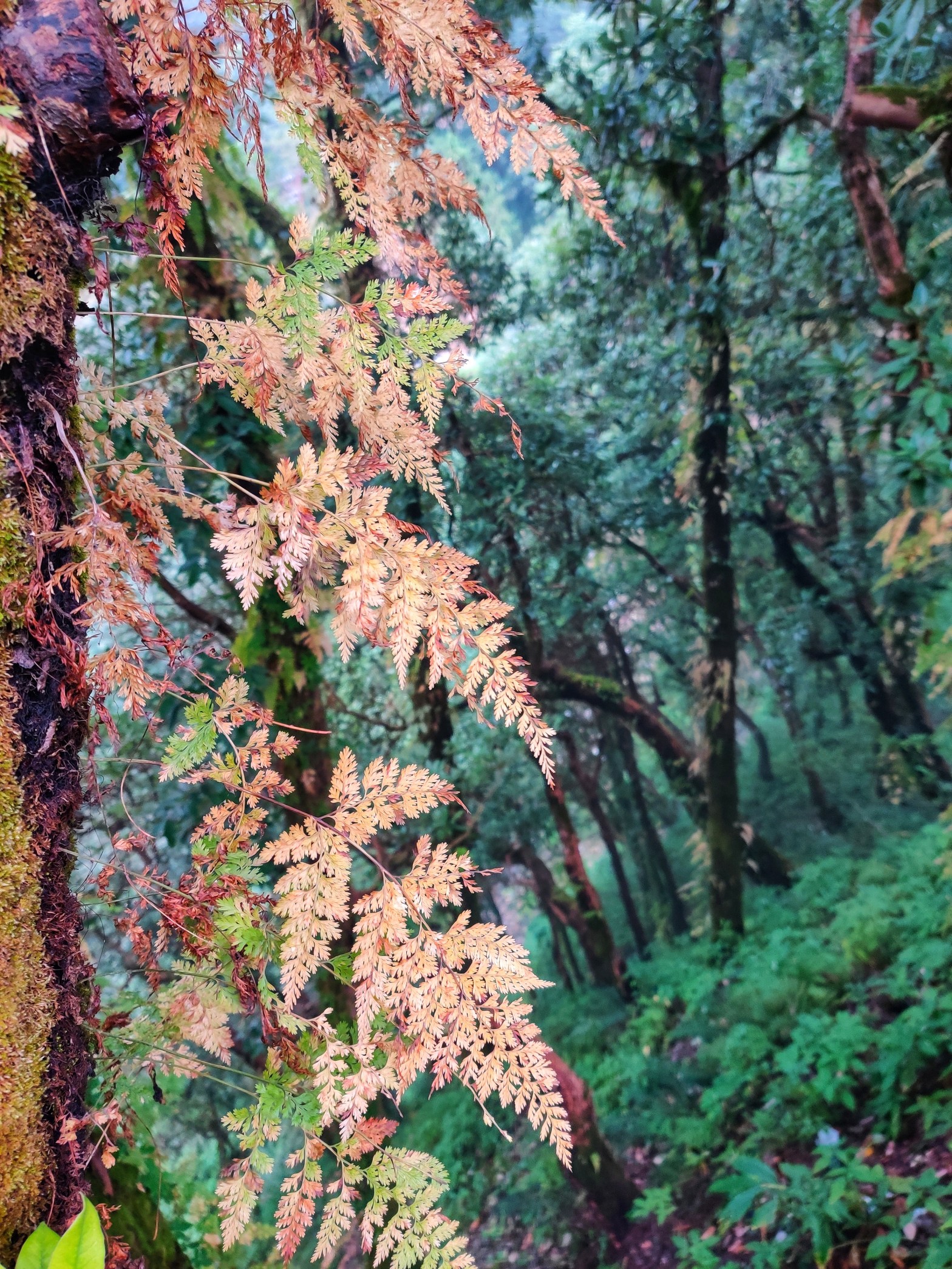
With the onset of winters, the ferns have turned brown in the lesser Himalayas. The winter Himalayan breeze blowing through the mixed forests of Oak- Pine and Rhododendron signals the arrival of winters to the ferns, which grow alongside the moss laden tree barks and hillslopes of this quiet hillside of Landour, Mussoorie. With theContinue reading “Ecological indicators of season change (2): Ferns!!”
Ecological indicators of season change (1): Cobra Lily fruiting

The month of September has begun and the Cobra-lilies have started fruiting in the hillside of Landour, Mussoorie. The fruiting of the Cobra-lilies indicate culmination of rainy season and onset of the fall. This phenomenon is nature’s own way to signal changing season. The bright red coloured fruits can draw attention of anyone passing by.Continue reading “Ecological indicators of season change (1): Cobra Lily fruiting”
Avian visitors of Oak tree (Quercus leucotrichophora): pollination ecology
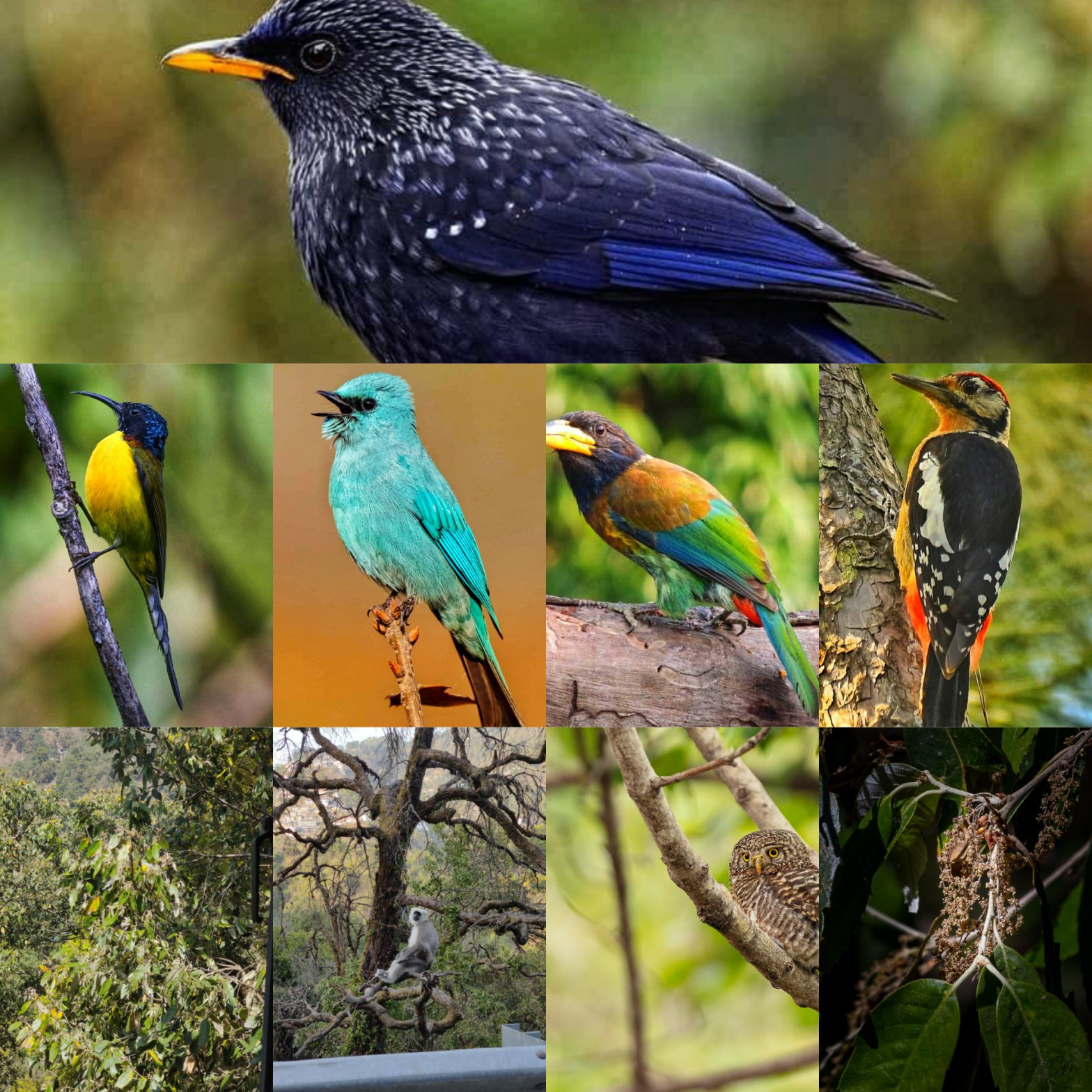
The incredible task carried by wildlife in executing pollination is exemplary. Pollination in plants is a crucial aspect in reproductive cycle of flowering plants. Wind and water also play role in the pollination of many plants, but to witness wildlife getting engaged in pollinating is a fascinating experience in itself. How the appealing flowers, theirContinue reading “Avian visitors of Oak tree (Quercus leucotrichophora): pollination ecology”
Whipcord Cobra Lily: Plant mimicry

It’s normal for one to get startled when they encounter Cobra Lily for the first time in the wild. The trumpet shaped flowers along with whip-like tongue resembles as if a Cobra snake is lurking out and with its tongue. It’s monsoon in Mussoorie, Uttarakhand and Cobra lilies are in full bloom in the thickets,Continue reading “Whipcord Cobra Lily: Plant mimicry”
Bauhinia vahlii… Largest creeper and a wonder plant!!

With the onset of monsoons, the largest creeper in India, Bauhinia vahlii also known as Camel’s foot climber, locally known as Maloo climber is in full bloom along the hillslopes in the lesser Himalayas. The flowering in this plant species starts from the month of April – June. Bauhinia vahlii or Panera vahlii is aContinue reading “Bauhinia vahlii… Largest creeper and a wonder plant!!”
Oak tree flowers: Landour, Mussoorie
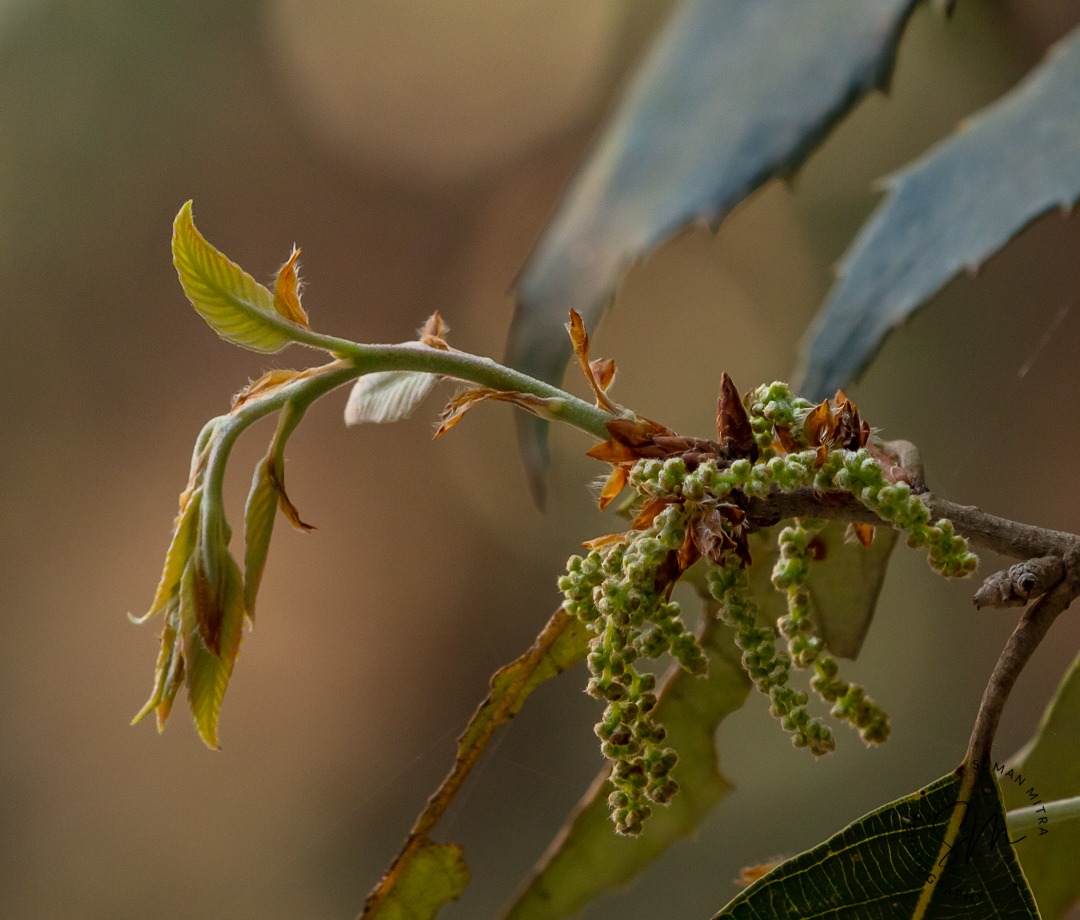
The most simple defintion of ‘flower‘ is colourful part of the plant also resonates as something colourful, delicate, fragrant. But nature is full of exceptions, because there are some flowers in the nature which are neither bright nor colourful and some without fragrance yet they play significant role in sustaining the ecology of a particularContinue reading “Oak tree flowers: Landour, Mussoorie”
Passive degradation of Himalayan ecology: Oak trees in Landour, Mussoorie

As soon as one enters the small hillside of Landour, Mussoorie; the old Oak trees, Pine trees and Deodar welcome everyone with open arms. The whistling Himalayan breeze blowing through the tree leaves endows life and hope in each and every corner of this beautiful hillside. With the changing seasons these evergreen trees always addContinue reading “Passive degradation of Himalayan ecology: Oak trees in Landour, Mussoorie”
Tree of Midnight Horror: Oroxylum indicum

It was one fine evening, I was taking a brisk walk amidst forest fringe village of a remote district of Assam, India. The weather was pleasant and I could feel the cold breeze coming from the mighty river Brahmaputra, which can be seen from a distance. Through the lush green fields, I could see someContinue reading “Tree of Midnight Horror: Oroxylum indicum”
 Dr. Chandrima Debi's Blog